
Can you move a basketball hoop with water in its base? Yes, you can move a basketball hoop with water in its base, but it requires careful planning and the right approach to avoid damage and injury. Moving a basketball hoop, especially a portable basketball hoop with a water-filled base, can seem like a daunting task. The sheer weight of the water, combined with the awkward shape of the hoop itself, often leads people to believe it’s a two-person (or more!) job, or even that the water must be completely emptied. While emptying the water is often the easiest route, it’s not always necessary or feasible. This guide will walk you through the most effective methods for moving a basketball hoop, whether you’re relocating it within your yard or transporting it to a new home. We’ll cover everything from preparing the hoop, choosing the best moving strategy, and ensuring safe basketball hoop transport.
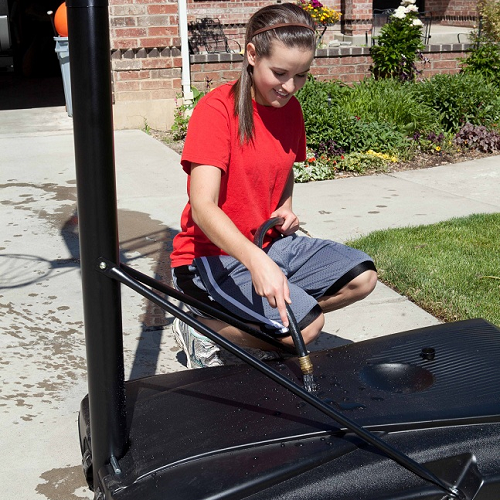
Image Source: marvel-b1-cdn.bc0a.com
Preparing Your Hoop for the Move
Before you even think about lifting or pulling, proper preparation is key to a smooth and safe relocation. This step is crucial for preventing damage to the hoop, your property, and most importantly, yourself.
Assessing the Hoop’s Construction
Every portable basketball hoop is a little different. Take a moment to examine yours.
- Base Type: Most portable hoops have a water-filled base or a sand-filled base. Water is lighter per cubic foot than sand, but a full water base can still be incredibly heavy.
- Pole Sections: Many basketball hoops have poles that can be detached into sections. This can significantly reduce the height and weight of individual components, making them easier to manage.
- Backboard and Rim: Are these easily detachable? Some systems allow for the backboard and rim to be removed from the main pole, simplifying the process further.
Securing Loose Parts
A basketball hoop has several parts that can easily become dislodged or swing wildly during a move.
- Backboard and Rim: If you’re not detaching the backboard and rim entirely, ensure they are securely fastened. Use strong packing tape or straps to prevent them from moving or rattling.
- Pole Joints: If your pole comes in sections, make sure the locking mechanisms are tight. If they don’t lock securely, consider using tape or straps to keep them from separating unexpectedly.
Estimating the Hoop’s Weight
This is a critical step, especially when deciding whether to move it with water or empty the base.
- Empty Base: A typical portable basketball hoop base might hold 25-50 gallons of water. Water weighs approximately 8.34 pounds per gallon. So, a 30-gallon base filled with water weighs around 250 pounds, plus the weight of the base itself and the pole.
- Full Base: Add the weight of the pole, backboard, and rim to the water weight. The entire assembly can easily weigh 300-500 pounds or more. This is why relocating basketball goal safely is paramount.
Moving Strategies: With or Without Water?
The decision to move your basketball hoop with water in the base or to empty it hinges on several factors: distance, terrain, available equipment, and the number of people available to help.
Method 1: Moving the Hoop with Water in the Base (When Feasible)
This is often the most appealing option because it eliminates the need to refill the base later. However, it’s only practical for shorter distances and smoother terrain.
When is this the best option?
- Short Distances: Moving the hoop just a few feet across a driveway or to a slightly different spot in the yard.
- Smooth, Level Surfaces: Concrete driveways or very flat, well-maintained lawns.
- Sufficient Manpower: You have at least two strong individuals to help lift and maneuver.
- Moving Equipment Available: Access to dollies, straps, or a small utility cart.
Techniques for Moving with Water:
-
The Tilt and Roll: This is the most common method for short, controlled movements.
- Tilt the Hoop: Tilt the entire hoop assembly back so the base is off the ground and the pole is leaning.
- Engage the Wheels: Most portable hoops have small wheels on the base. Ensure these are on the ground and ready to roll.
- Gentle Pushing and Pulling: With one person managing the tilt and steering the base, another can gently push or pull the pole to guide the movement. Crucially, avoid sharp turns or sudden jerks, as this can shift the water and make the hoop unstable.
- Balance is Key: Maintain a consistent tilt. If the hoop becomes too upright, the weight distribution will shift, making it harder to control and increasing the risk of tipping.
-
Using Dollies or Carts: For slightly longer distances or if the ground is uneven, a dolly can be a lifesaver.
- Position the Dolly: Carefully tilt the hoop and slide a furniture dolly or appliance dolly underneath the base.
- Secure the Hoop: Use sturdy straps (like ratchet straps or moving straps) to secure the base to the dolly. This prevents it from shifting during transport.
- Lift and Move: With the hoop secured, you can tilt and maneuver the dolly. It’s still important to move slowly and steadily.
- Careful on Inclines: Be extremely cautious on any inclines. The weight of the water can cause the dolly to accelerate downhill rapidly.
Potential Challenges and How to Mitigate Them:
- Weight Shift: As you move, the water inside can slosh around, making the hoop feel unstable and difficult to control. This is why slow, deliberate movements are essential.
- Tipping Hazard: If tilted too far or bumped, the entire unit can tip over, causing damage or injury. Always have at least two people involved.
- Damage to Grass: Dragging a heavy, water-filled base across a lawn can damage the turf. Using a dolly or ensuring the wheels are properly engaged is vital.
- Bumpy Terrain: Uneven surfaces can make the water slosh more and increase the risk of tipping or damage.
Method 2: Emptying the Water Base (Recommended for Longer Moves or Difficult Terrain)
This is generally the safest and easiest method, especially if you’re moving the hoop a significant distance or across varied terrain. It transforms a potentially dangerous, heavy object into manageable components.
Steps for Emptying the Water Base:
- Locate the Drain Plug: Most water-filled bases have a drain plug. This is usually a rubber or plastic plug located at the lowest point of the base. If you can’t find it, check your hoop’s manual.
- Prepare the Drainage Area:
- Location: Position the hoop where you want to drain it. This could be on a lawn, a gravel area, or near a drain.
- Drainage Container: If you want to reuse the water, have a large bucket, watering can, or hose ready to direct the flow.
- Opening the Drain Plug:
- Tools: You might need a screwdriver or a wrench to loosen the plug, depending on the design. Some are simply pulled out by hand.
- Be Prepared: Water will start flowing immediately once the plug is removed.
- Allowing for Complete Drainage:
- Patience: It can take several minutes for all the water to drain, especially if there are slight imperfections in the base or if it’s not perfectly level.
- Tilting for Final Drains: Once the bulk of the water has drained, you might need to gently tilt the base to get the last few ounces out. Be careful not to spill any remaining water unexpectedly.
- Securing the Plug: Once empty, ensure the drain plug is securely reinserted to prevent leaks when you refill the base at your new location.
Once Empty: Disassembly and Transport
With the base empty, moving a basketball hoop becomes much more manageable.
- Disassembling the Pole: If your hoop’s pole can be separated into sections, this is the ideal time to do it.
- Loosen Bolts/Mechanisms: Unscrew any bolts or release any locking mechanisms that hold the pole sections together.
- Careful Separation: Gently pull the sections apart. They might be a snug fit.
- Detaching the Backboard and Rim (Optional but Recommended): For easier transport, especially if moving to a new home, detaching the backboard and rim is highly recommended.
- Tools: You’ll likely need a wrench or socket set for the bolts securing the rim to the backboard and the backboard to the pole.
- Support: Have someone help support the backboard as you remove the final bolts to prevent it from falling.
- Transporting Components:
- Base: The empty base is still bulky but significantly lighter. You can often lift and carry it. For longer moves, consider placing it on a dolly or in a truck bed.
- Pole Sections: These are much easier to carry individually.
- Backboard and Rim: Pack these carefully to prevent scratches or cracks. Bubble wrap or moving blankets are ideal.
Refilling the Base at the New Location:
- Hose or Bucket: The easiest way to refill is with a garden hose. If you don’t have a hose, you’ll need multiple buckets.
- Check for Leaks: Before reassembling, ensure the drain plug is secure.
- Filling with Water or Sand: You can refill with water, or if you want greater stability and less concern about freezing in colder climates, you can fill it with sand (though this is much heavier to move initially).
Best Practices for Safe Basketball Hoop Transport
Regardless of the method you choose, safety should always be your top priority. A heavy, awkward object like a basketball hoop poses risks if not handled correctly.
Heavy Lifting Techniques
If you must lift any part of the hoop:
- Bend Your Knees: Always squat down to lift, keeping your back straight.
- Use Your Legs: Push up with your leg muscles, not your back.
- Keep the Load Close: Hold the item as close to your body as possible.
- Team Lift: For any heavy component, always have a second person to share the load and communicate throughout the lift.
Using Moving Equipment Wisely
- Dollies and Carts: Ensure they are rated for the weight you’re moving. Always secure the load with straps.
- Straps: Invest in good quality moving straps. Ratchet straps provide excellent security for larger items.
- Moving Blankets/Pads: Use these to protect the hoop components and your walls or floors during transport.
Protecting Your Property
- Clear the Path: Ensure the route you plan to take is clear of obstacles, debris, and tripping hazards.
- Gateways and Doorways: Measure doorways and gateways to ensure the hoop (or its components) will fit. You might need to tilt or maneuver them carefully.
- Floor Protection: If moving indoors, lay down drop cloths or cardboard to protect your flooring from scratches.
Securing the Hoop for Transit (If in a Vehicle)
If you’re transporting the hoop in a truck or van:
- Base: Secure the base so it cannot slide or tip over. Wedges or straps can be used.
- Pole Sections: Lay them flat or secure them vertically so they don’t roll.
- Backboard and Rim: Pack them securely, preferably upright and padded, to prevent damage.
Deciphering Hoop Stability: Water vs. Sand
The choice between water and sand for your base is a decision that impacts both moving and in-game stability.
Water-Filled Base: Pros and Cons
Pros:
- Lighter to Move (When Empty): Water is much easier to drain and transport than sand.
- Readily Available: Most people have access to a water source for refilling.
- Less Messy to Fill: Generally cleaner to fill than sand.
Cons:
- Freezing Risk: In colder climates, water can freeze, expand, and crack the base. This requires winterization (draining) or specialized antifreeze additives.
- Potential for Algae Growth: Stagnant water can sometimes lead to algae or sediment buildup.
- Less Dense: Water is less dense than sand, meaning you might need a larger volume for equivalent stability.
Sand-Filled Base: Pros and Cons
Pros:
- Superior Stability: Sand is much denser and heavier than water, providing greater basketball hoop stability, especially against strong winds or aggressive play.
- No Freezing Issues: Sand does not freeze, making it ideal for colder climates without the need for winterization.
- Durable: Sand is generally inert and won’t degrade over time like some water-based solutions might.
Cons:
- Extremely Heavy to Move: Emptying and refilling a sand-filled base is a significant undertaking due to the sheer weight of the sand.
- Messy to Fill/Empty: Moving sand can be dusty and messy.
- Difficult to Drain Completely: Water can be drained relatively easily, but getting all the sand out and ensuring no residual water remains can be challenging.
FAQ: Frequently Asked Questions About Moving a Basketball Hoop
Q1: Can I move a basketball hoop without emptying the water?
A1: Yes, you can move a basketball hoop with water in the base, but only for very short distances on smooth, level surfaces, and with adequate help and careful maneuvering. For longer distances or uneven terrain, emptying the water is strongly recommended.
Q2: What’s the best way to empty a water-filled base?
A2: Locate the drain plug on the base, open it, and allow the water to flow out. You can use a hose or buckets to manage the drainage. Tilt the base gently at the end to get all the water out.
Q3: Is sand or water better for a basketball hoop base?
A3: Sand generally provides better basketball hoop stability due to its density. However, water is much lighter and easier to manage for relocation. If you don’t move your hoop often and prioritize stability, sand is a good option. If frequent moves or ease of relocation is important, water is preferable.
Q4: How much does a portable basketball hoop base weigh when filled with water?
A4: A typical 30-gallon base can weigh around 250 pounds when filled with water, plus the weight of the pole, backboard, and rim. The total weight can easily exceed 300-500 pounds.
Q5: Can I use antifreeze in my water-filled base to prevent freezing?
A5: Yes, you can use RV or marine antifreeze, which is non-toxic. However, you will need to use a significant amount to lower the freezing point sufficiently, and it can be costly. Draining the water in winter is often more practical.
Q6: How do I transport the backboard and rim safely?
A6: Detach them if possible. Wrap them in moving blankets or bubble wrap and secure them in your vehicle so they cannot shift or get damaged.
Q7: What if my basketball hoop doesn’t have a drain plug?
A7: If there’s no drain plug, you’ll likely have to tilt the entire hoop assembly back and use a pump (like a small submersible pump) or carefully tip the entire unit to drain the water. This is a more difficult scenario, and emptying is almost always necessary.
Q8: How do I reassemble a portable basketball hoop?
A8: Reassembly is generally the reverse of disassembly. Connect the pole sections, attach the backboard and rim, and then fill the base with water or sand. Refer to your user manual for specific instructions.
By following these guidelines, you can confidently and safely move your basketball hoop, whether it’s just across the yard or to a new home. Remember, preparation and choosing the right method for your situation are key to a hassle-free relocation of your cherished basketball hoop.