
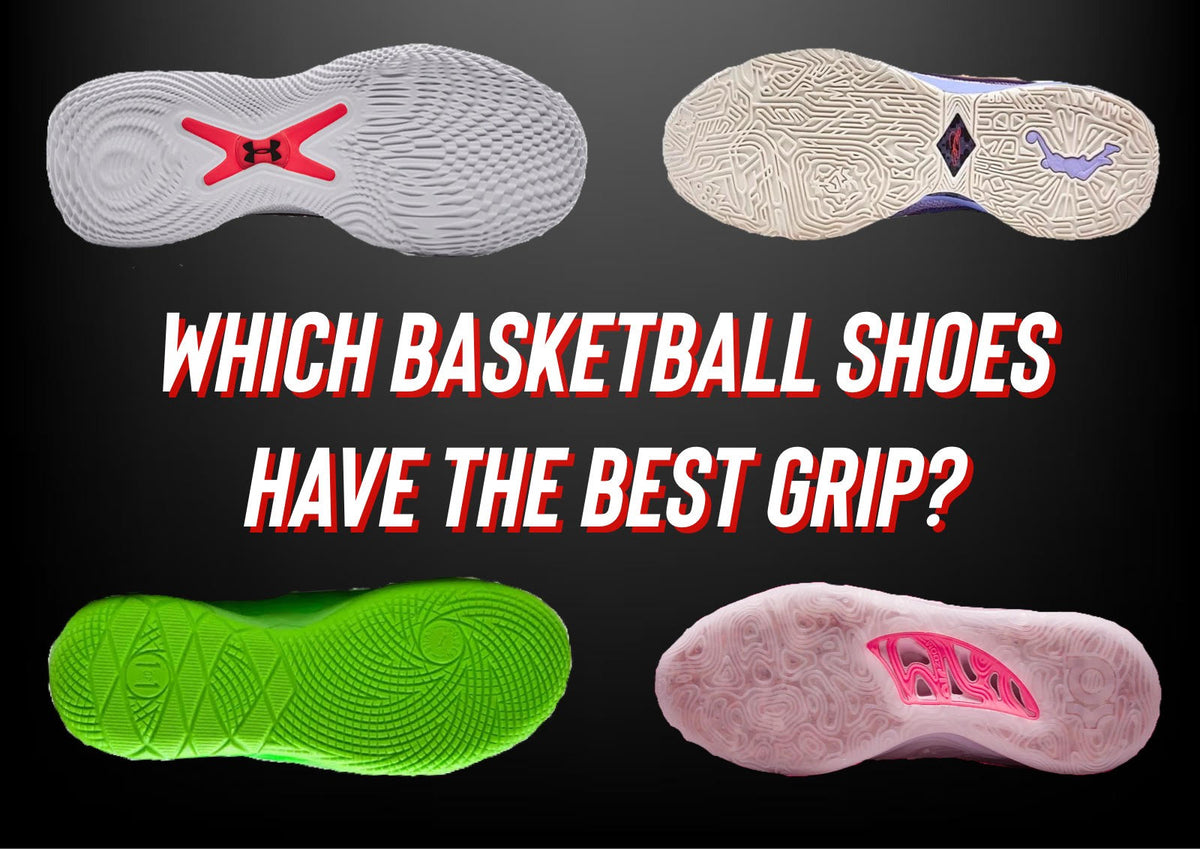
Image Source: gripspritz.com
How To Get Traction On Basketball Shoes: Maximize Court Grip
Do you want to know how to get the best basketball shoe grip? You can maximize your court grip by cleaning your shoes, choosing the right shoes for the court conditions, and maintaining your basketball shoe sole.
Achieving superior basketball shoe grip is not just about owning the latest and greatest footwear; it’s about actively maintaining and maximizing the potential of your existing kicks. That satisfying squeak on court isn’t just a sound; it’s a sonic indicator of optimal court grip. Without it, your ability to cut, pivot, and explode off the dribble is severely compromised. This deep dive will explore the essential elements of maximizing shoe traction and ensuring your feet stay planted when it matters most. We’ll cover everything from the intricacies of your basketball shoe sole to the impact of court conditions and the importance of consistent cleaning basketball shoes.
The Science Behind Traction
Basketball requires rapid changes in direction, sudden stops, and explosive jumps. All of these movements rely heavily on the friction between your shoes and the court surface. This friction is what allows you to generate force, maintain balance, and execute precise movements. The key components contributing to this grip are the rubber compound of the outsole and the tread pattern.
Materials Matter: The Outsole’s Role
The rubber used in the outsole is specifically engineered for grip. Different rubber compounds offer varying levels of stickiness and durability. Softer rubbers generally provide better initial grip but can wear down faster. Harder rubbers are more durable but might offer slightly less initial tackiness. The best basketball shoes for grip often feature a blend of these properties, aiming for a balance between performance and longevity.
Tread Patterns: More Than Just Looks
The intricate designs etched into your basketball shoe sole are not merely aesthetic. They are meticulously crafted to channel away dust and debris, preventing them from accumulating between the shoe and the court. Think of them as miniature squeegees. Deeper grooves and more complex patterns can offer superior grip in varied conditions, especially when dealing with dusty courts.
Keeping Your Grip Fresh: Essential Maintenance
Even the most advanced basketball shoe sole will degrade without proper care. Neglecting maintenance is one of the primary reasons players lose court grip.
Cleaning Basketball Shoes: A Crucial Step
This is arguably the most critical factor in maintaining basketball shoe grip. Over time, dust, dirt, sweat, and body oils can build up on your outsole, creating a slippery film that significantly reduces friction.
Routine Cleaning Methods
- The Gentle Wipe-Down: After every session, use a damp cloth or paper towel to wipe down the outsole. This removes surface-level dust and sweat.
- The Deeper Clean: For more stubborn grime, use a mild soap (like dish soap) mixed with warm water. Use a soft brush (an old toothbrush works wonders) to gently scrub the outsole. Pay close attention to the grooves of the tread pattern.
- Rinse and Dry: Thoroughly rinse the outsole with clean water to remove any soap residue. Then, allow the shoes to air dry completely. Never use heat sources like hair dryers, as this can damage the rubber.
What to Avoid During Cleaning
- Harsh Chemicals: Avoid using bleach, ammonia, or other strong cleaning agents, as they can degrade the rubber compound.
- Washing Machines and Dryers: These appliances can cause irreversible damage to the shoes’ structure and the outsole’s integrity.
Removing Stubborn Grime
Sometimes, a simple wipe isn’t enough. For deeply embedded dirt or sticky residue:
- Magic Eraser (Melamine Foam): Many players find a melamine foam sponge (like Mr. Clean Magic Eraser) to be incredibly effective. Lightly dampen the sponge and gently scrub the outsole. The abrasive nature of the foam can lift away stubborn dirt without being overly harsh on the rubber. Always test a small, inconspicuous area first.
- Rubbing Alcohol: For certain sticky residues or scuff marks, a small amount of rubbing alcohol on a cotton ball can help. Again, test in a small area and use sparingly. Ensure the shoe is completely dry before hitting the court.
Optimizing Traction for the Court
Beyond cleaning, several other strategies can enhance your basketball shoe grip.
Shoe Traction Tips for Every Player
- Break-In Period: New shoes often have a slight coating on the outsole that reduces initial grip. Play a few casual games or practice drills to properly break them in. This allows the outsole to “settve” and reach its full traction potential.
- Traction Enhancers: While not a replacement for proper cleaning, some players use specialized traction sprays or wipes. These are designed to remove the slick film from the outsole. Use these judiciously, as overuse can sometimes build up residue.
- Grip Socks: While they don’t directly improve the shoe’s grip on the court, specialized grip socks worn inside your shoes can prevent your foot from sliding within the shoe. This allows you to utilize the shoe’s full traction potential more effectively.
Understanding Different Court Conditions
The environment your shoes operate in significantly impacts their grip.
Indoor Courts
- Typical Conditions: Most indoor courts are made of polished wood or synthetic materials. They are generally designed for optimal grip.
- Common Issues: Dust accumulation is the primary culprit for reduced traction indoors. Body oils and sweat can also contribute.
- Best Approach: Regular, thorough cleaning is paramount. Players often bring a small towel or brush to the bench to wipe their outsoles during breaks.
Outdoor Courts
- Typical Conditions: Outdoor courts are usually asphalt or concrete, which are rougher and more abrasive.
- Common Issues: Outdoor courts are exposed to much more dirt, sand, pebbles, and grime. The rougher surface itself will also cause faster basketball shoe wear.
- Best Approach: Expect your shoes to wear out faster outdoors. Clean them even more diligently after each use. Consider having a separate pair of shoes dedicated solely to outdoor play to preserve your indoor shoes. The rubber on outdoor-specific shoes is often designed to be more durable to withstand the harsher surfaces.
Maximizing Shoe Traction with Tread Patterns
Different tread patterns excel in different situations.
| Tread Pattern Style | Description | Best For | Considerations |
|---|---|---|---|
| Herringbone | A repeating V-shape pattern that offers excellent multi-directional grip. | Players who make a lot of sharp cuts and changes of direction. Considered a classic for court grip. | Can sometimes trap small debris in its pattern if not cleaned regularly. |
| Circular/Radial | Concentric circles or radial lines that provide consistent grip across the sole, particularly for pivoting. | Guards who often pivot on the ball and need a stable base. | May offer slightly less grip on aggressive lateral movements compared to herringbone. |
| Wavy/S-Pattern | Curved or S-shaped lines that offer good grip and flexibility. | Players seeking a balance of grip and freedom of movement. Good for overall performance. | Can vary in effectiveness depending on the specific wave depth and spacing. |
| Abstract/Zonal | Combinations of different patterns in specific zones of the shoe, optimized for different movements. | Versatile for players with a diverse game style. Often found in high-performance basketball shoes. | Can be more complex to clean if multiple intricate patterns are combined. |
Common Issues Affecting Basketball Shoe Grip
Several factors can diminish the basketball shoe grip you initially experienced.
Basketball Shoe Wear: The Inevitable Factor
All shoes experience wear and tear. For basketball shoes, this primarily affects the outsole.
- Worn-Down Tread: As you play, the rubber on your outsole wears down, especially in high-impact areas like the heel and the balls of your feet. This smooths out the tread pattern, reducing its ability to bite into the court.
- Cracked or Separated Outsole: Over time and with excessive stress, the rubber can crack or begin to separate from the midsole. This compromises both grip and the structural integrity of the shoe.
- Compromised Cushioning: While not directly related to grip, worn-out cushioning can affect your ability to stay balanced and absorb impact, indirectly influencing your confidence in your shoe’s traction.
Environmental Factors Beyond the Court
- Humidity: High humidity can sometimes make surfaces feel slicker, even with clean shoes.
- Temperature: Extreme temperatures can alter the properties of the rubber compound, potentially affecting grip.
Advanced Traction Techniques and Considerations
For players serious about maximizing every bit of performance from their footwear.
The Art of the Squeak
That audible squeak on court is a direct result of the outsole momentarily “grabbing” the court surface. The louder and more consistent the squeak, the better your traction. If the squeak diminishes, it’s a clear sign that your basketball shoe grip is reduced.
When to Replace Your Basketball Shoes
Knowing when to retire a pair is crucial.
- Visible Wear: If the tread pattern is significantly smoothed out, especially in key areas for your playing style, it’s time for a new pair.
- Loss of Squeak: If you’ve cleaned your shoes thoroughly and they no longer produce that satisfying squeak, their optimal grip is likely gone.
- Discomfort or Pain: If your shoes feel less supportive, the cushioning is shot, or you start experiencing foot pain, it’s a sign that the shoes are past their prime, regardless of traction.
The Best Basketball Shoes for Grip (Considerations)
When looking for new shoes with superior grip, consider these factors:
- Outsole Material: Look for shoes known for their high-quality rubber compounds. Brands often highlight their proprietary rubber technologies.
- Tread Pattern: As discussed, herringbone and complex abstract patterns are generally excellent for multi-directional grip.
- Player Reviews: Many online reviews specifically discuss the traction of different basketball shoes. Pay attention to what players with similar playing styles and on similar court types say.
Frequently Asked Questions (FAQ)
Q1: How often should I clean my basketball shoes?
A: It’s best to give your basketball shoes a quick wipe-down after every playing session. For a deeper clean, aim for once a week or whenever you notice a significant buildup of dust or grime.
Q2: Can I use baby powder on my basketball shoes for more grip?
A: While some people suggest baby powder, it’s generally not recommended. It can create a chalky residue that actually reduces traction over time and makes cleaning more difficult. Stick to proper cleaning methods.
Q3: My shoes used to squeak, but now they don’t. What’s wrong?
A: This usually means the outsole is dirty or worn down. First, give them a thorough cleaning. If the squeak doesn’t return, the rubber may have worn down too much, and it might be time for new shoes.
Q4: Does the type of court surface affect shoe grip?
A: Absolutely. Indoor wooden courts offer different grip characteristics than rougher outdoor asphalt or concrete courts. Outdoor courts will also cause faster basketball shoe wear.
Q5: How do I know if my basketball shoe sole is worn out?
A: The tread pattern will appear smooth and flattened, especially in the areas where you push off the most. If you can no longer see distinct grooves, the grip is significantly compromised.
Q6: Are there any special sprays that can restore grip to old shoes?
A: Some “traction enhancers” are available, but they are typically a temporary fix. They work by removing slick residue. The best way to maintain grip is through consistent, proper cleaning of the basketball shoe sole.
Q7: How does the “squeak on court” indicate good traction?
A: The squeak is the sound of the rubber outsole creating friction with the court surface. A strong, consistent squeak means the rubber is making good contact and gripping effectively. A lack of squeak suggests the contact is being hindered by dirt or wear.
Q8: I play on a dusty indoor court. What are the best shoe traction tips for me?
A: Focus on frequent wiping of your soles during breaks. Consider carrying a small brush to dislodge dust from the tread. Ensure your shoes are always clean before playing.
Q9: Are there specific basketball shoe wear patterns that indicate poor grip?
A: Yes, if the outsole rubber appears shiny or smooth instead of having defined grooves, that’s a sign of wear that directly impacts grip. Uneven wear patterns might also indicate issues with your footwork or the shoe’s fit.
By diligently following these shoe traction tips, players can significantly enhance their performance and safety on the court. Remember, your footwear is your primary connection to the game; treat it with care, and it will serve you well.