
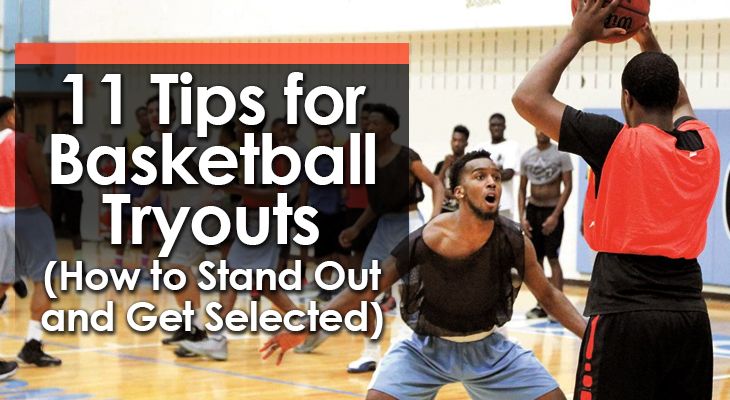
Image Source: www.basketballforcoaches.com
What are the essential steps to prepare for basketball tryouts?
Getting ready for basketball tryouts involves a multi-faceted approach encompassing physical fitness, skill refinement, mental preparedness, and strategic execution on the court. It’s not just about showing up; it’s about demonstrating you’ve put in the work. This guide will walk you through every crucial aspect to maximize your chances of success.
Building a Strong Physical Foundation: Basketball Conditioning
Basketball is a demanding sport that requires sustained energy, explosive power, and quick recovery. Your physical readiness is a cornerstone of your basketball performance. Neglecting basketball conditioning means you’ll likely fatigue faster, make poorer decisions, and risk injury.
Cardiovascular Endurance: Running the Court
To excel, you need a strong aerobic base. This allows you to play at a high intensity for extended periods without getting winded.
- Sprints: Incorporate interval training. Sprint for 20-30 seconds, then jog or walk for 40-60 seconds. Repeat for 10-15 sets.
- Suicides: These popular drills mimic the stop-and-go nature of basketball. Mark lines at 5, 10, 15, 20, and 25 feet. Sprint to each line and back, touching the baseline each time.
- Long-Distance Running: While not the primary focus, 1-2 longer runs (2-3 miles) per week can build overall stamina.
Strength Training: Powering Your Game
Strength is crucial for jumping higher, driving to the basket with force, and finishing through contact. Focus on compound movements that work multiple muscle groups.
- Lower Body: Squats, lunges, deadlifts, calf raises. These build the power needed for explosive movements.
- Upper Body: Push-ups, pull-ups, bench press, overhead press, rows. These help with shooting, passing, and defense.
- Core: Planks, Russian twists, crunches. A strong core is vital for balance, stability, and power transfer.
A balanced basketball workout will include strength training 2-3 times per week, with rest days in between.
Agility and Speed: Quick Changes of Direction
Basketball requires constant movement and rapid adjustments. Improving your agility allows you to change direction effectively, blow by defenders, and stay in front of your man on defense.
- Cone Drills: Weave through cones, practice defensive slides between cones, and perform T-drills or L-drills.
- Ladder Drills: Improve foot speed and coordination with various ladder patterns.
- Plyometrics: Box jumps, jump squats, and bounding exercises enhance explosive power and quickness.
Mastering the Fundamentals: Essential Basketball Skills
Tryouts are where you showcase your basketball skills. Coaches are looking for players who have a solid grasp of the fundamentals and can execute them consistently under pressure.
Ball Handling: The Foundation of Control
Without good ball handling, everything else becomes harder. You need to dribble confidently with both hands, under pressure, and without looking at the ball.
- Stationary Drills: Pound dribbles, crossover drills, between-the-legs, behind-the-back, figure-eight dribbles. Do these with both hands.
- Dribbling on the Move: Dribble while walking, running, and changing pace. Incorporate dribbling through cones and obstacle courses.
- Two-Ball Dribbling: This intensifies the challenge and improves hand-eye coordination and ambidexterity.
Shooting: The Scoring Touch
Shooting is a critical skill. You need to be able to shoot off the catch, off the dribble, and from various spots on the floor.
- Form Shooting: Focus on proper mechanics: elbow in, follow-through, flick of the wrist. Start close to the basket and gradually move back.
- Catch and Shoot: Practice receiving passes and shooting quickly and smoothly.
- Shooting off the Dribble: Practice one or two dribble pull-ups.
- Free Throws: Develop a consistent routine and practice them regularly.
Passing: Connecting with Teammates
Basketball is a team sport. Effective passing creates scoring opportunities and keeps the offense flowing.
- Chest Passes: Practice with a partner, focusing on accuracy and power.
- Bounce Passes: Essential for getting around defenders.
- Overhead Passes: Useful for longer passes or going over a defender.
- Passing on the Move: Incorporate passing into dribbling drills.
Defense: The Other Side of the Ball
Being a great defender is just as important as being a great scorer. Coaches value players who can lock down their opponent.
- Stance: Maintain a low, balanced stance with active hands.
- Footwork: Practice defensive slides, backpedaling, and closing out.
- On-Ball Defense: Learn to stay in front of your man and contest shots without fouling.
- Off-Ball Defense: Understand how to deny passes and help your teammates.
The Mental Game: Cultivating a Winning Basketball Mindset
Talent alone won’t win games; a strong basketball mindset is equally vital. Tryouts can be nerve-wracking, but a positive and resilient mental approach can make all the difference.
Confidence: Believing in Your Abilities
Confidence comes from preparation. When you know you’ve put in the work, you’re more likely to trust your skills and perform at your best.
- Positive Self-Talk: Replace negative thoughts with encouraging affirmations.
- Visualization: Imagine yourself succeeding in various scenarios during the tryout.
- Focus on Strengths: Remind yourself of what you do well.
Resilience: Bouncing Back from Mistakes
Everyone makes mistakes. The key is how you respond. A missed shot or a turnover shouldn’t derail your entire performance.
- Acknowledge and Move On: Don’t dwell on errors. Focus on the next play.
- Learn from Mistakes: Use errors as opportunities for growth. What can you do differently next time?
- Stay Engaged: Continue to play hard and contribute even after a setback.
Coachability: Being Open to Feedback
Coaches want players who listen and are willing to learn. Being receptive to instructions and corrections shows maturity and a desire to improve.
- Listen Actively: Pay attention when coaches are speaking.
- Ask Clarifying Questions: If you’re unsure about something, ask for clarification.
- Implement Feedback: Try to incorporate the advice you receive into your play.
Strategic Preparation: Practice and Planning
Effective basketball practice is the bridge between your current abilities and your desired performance at tryouts.
Structured Practice Sessions
Your practice should mimic the demands of a tryout.
- Game Situations: Practice 1-on-1, 3-on-3, and 5-on-5 scenarios to simulate game pressure.
- Drill Variety: Incorporate a wide range of basketball drills to cover all aspects of your game.
- Skill Focus: Dedicate time to specific areas you want to improve.
Simulating Tryout Conditions
Try to replicate the environment as much as possible.
- Play with Others: Organize pickup games or join organized practices with other players.
- Practice Under Fatigue: Do drills when you’re already tired to build endurance for late-game situations.
- Timed Drills: Practice drills with a time limit to simulate the fast pace of a tryout.
Understanding the Evaluation: What Coaches Look For
The basketball evaluation process is multifaceted. Coaches assess not only your raw talent but also your work ethic, attitude, and potential for basketball player development.
Key Areas of Assessment
- Skills: Shooting, dribbling, passing, defense, rebounding.
- Athleticism: Speed, agility, jumping ability, strength, stamina.
- Basketball IQ: Decision-making, court awareness, understanding of plays.
- Attitude and Coachability: Effort, enthusiasm, listening skills, teamwork.
- Physical Attributes: Height, wingspan, general physical condition.
What Specific Basketball Drills Reveal
Different drills highlight different aspects of your game:
| Drill Type | What it Evaluates | Example |
|---|---|---|
| Dribbling | Ball control, ambidexterity, court vision | Cone weaves, two-ball dribbling |
| Shooting | Form, consistency, range, ability off the catch/dribble | Form shooting, catch-and-shoot, shooting off the dribble |
| Passing | Accuracy, vision, decision-making | Stationary passing drills, passing on the move |
| Defense | Stance, footwork, intensity, contesting shots | Defensive slides, closeouts, 1-on-1 defense |
| Conditioning | Stamina, speed, agility, recovery | Suicides, sprints, agility drills |
| Game Scenarios | Decision-making, court awareness, teamwork | 3-on-3, 5-on-5 |
Day of the Tryout: Executing Your Plan
You’ve trained hard, now it’s time to perform. Here are crucial basketball tryout tips for game day.
Pre-Tryout Routine
- Nutrition: Eat a balanced meal 2-3 hours before. Avoid heavy or greasy foods.
- Hydration: Drink plenty of water throughout the day.
- Rest: Get a good night’s sleep.
- Warm-up: Arrive early to properly warm up your muscles. This should include dynamic stretching and light shooting.
On the Court Performance
- Energy and Enthusiasm: Bring a high level of energy to every drill. Show you want to be there.
- Communication: Talk on defense, call for the ball, and encourage teammates.
- Hustle: Dive for loose balls, sprint back on defense, and give maximum effort on every play.
- Play to Your Strengths: While being adaptable, focus on the aspects of your game where you excel.
- Be a Good Teammate: Support others, celebrate good plays, and avoid negative body language.
- Listen to Instructions: Follow the coaches’ directions promptly and accurately.
Post-Tryout Reflection
After the tryout, take a moment to reflect on your basketball performance.
- What went well? Identify the aspects you executed effectively.
- What could have been better? Pinpoint areas for improvement.
- What did you learn? Use the experience to inform your future training.
Long-Term Basketball Player Development
Tryouts are a milestone, but basketball player development is a continuous journey. Whether you make the team or not, use the experience as fuel for further improvement.
- Consistent Training: Keep working on your skills and conditioning year-round.
- Seek Feedback: If possible, ask coaches for specific feedback on areas to improve.
- Watch and Learn: Study professional and collegiate players. Analyze their techniques and decision-making.
- Stay Positive: Every setback is an opportunity to get stronger.
Frequently Asked Questions (FAQ)
-
Q: How important is my height for basketball tryouts?
A: Height can be an advantage, especially for certain positions, but it’s not the only factor. Skill, athleticism, basketball IQ, and attitude can often compensate for a lack of height. Coaches look for players who fit their team’s needs, and often those needs extend beyond just physical size. -
Q: Should I specialize in one skill or work on all aspects of my game?
A: While it’s good to have a strength, coaches generally want well-rounded players. Developing a solid foundation in all key basketball skills (shooting, dribbling, passing, defense) will make you a more valuable asset. Focus on improving your weaknesses while maintaining your strengths. -
Q: What is the best way to deal with nerves before a tryout?
A: Proper preparation is key. Deep breathing exercises, visualization, and a structured warm-up can help calm your nerves. Remind yourself of all the hard work you’ve put in. Focusing on the process and enjoying the opportunity to play can also reduce anxiety. -
Q: How much practice is enough for basketball tryouts?
A: There’s no magic number, as it depends on your current fitness and skill level. The goal is consistent, quality practice. Aim for regular basketball practice sessions that include a mix of drills, conditioning, and game simulations. It’s better to have consistent, focused practice than infrequent, unfocused sessions. -
Q: What should I wear to basketball tryouts?
A: Wear comfortable athletic clothing that allows for a full range of motion. Typically, this means basketball shorts and a t-shirt or tank top. Wear proper basketball shoes and bring your own water bottle.
By following this comprehensive guide, you’ll be well-equipped to showcase your talents and make a strong impression at your basketball tryouts. Good luck!