
What is the secret to getting more traction on basketball shoes? The secret lies in a combination of proper shoe maintenance, understanding your equipment, and adapting to your playing environment. By focusing on these key areas, you can significantly enhance your grip on the court.
Basketball is a game of explosive movements. Quick cuts, sudden stops, and powerful jumps all rely heavily on the connection between your shoes and the court. A loss of grip can lead to missed opportunities, fumbles, and even injuries. Fortunately, there are many ways to ensure your basketball shoes provide the best possible grip, allowing you to play at your peak performance. This in-depth guide will walk you through everything you need to know to maximize your shoe’s traction.
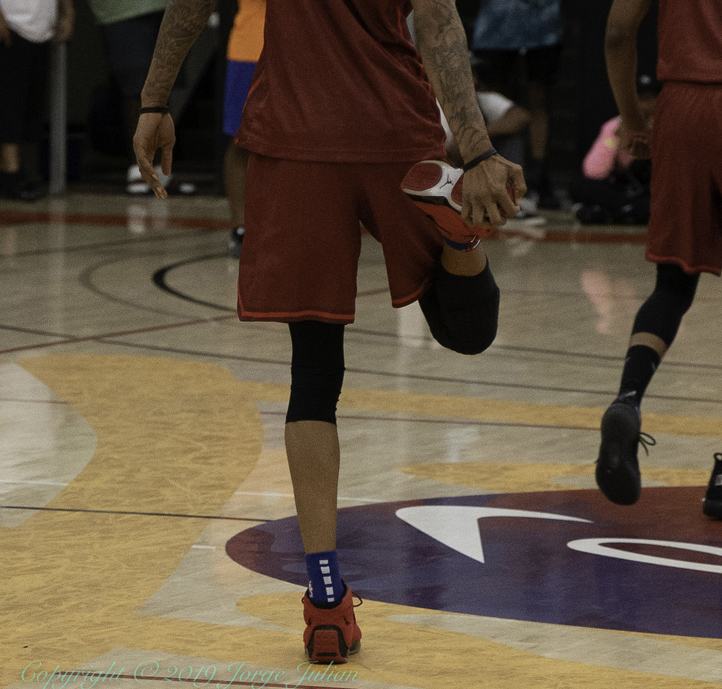
Image Source: slippnott.com
The Foundation of Grip: Your Shoe’s Sole
The sole of your basketball shoe is the primary interface between you and the court surface. Its design, material, and condition are paramount to achieving superior traction.
Deciphering Sole Design and Materials
Basketball shoe soles are typically made from rubber compounds. However, not all rubber is created equal. Different formulations offer varying degrees of stickiness and durability.
- Gum Rubber: This classic material is known for its exceptional tackiness and grip, especially on clean indoor courts. It tends to be softer and wears down faster than harder rubber compounds.
- Harder Rubber Compounds: These are generally more durable and offer good grip, particularly on outdoor courts or those with more debris. They might not feel as “sticky” as gum rubber but provide a more reliable and longer-lasting connection.
- Herringbone Patterns: This is one of the most popular and effective traction patterns. The V-shaped or zig-zag lines create multidirectional grip, allowing for quick stops and changes of direction.
- Varied Patterns: Many shoes employ a mix of patterns, like circular pivot points in the forefoot and multidirectional lines elsewhere, to optimize grip for different movements.
Battling Sole Wear and Tear
Over time, the aggressive nature of basketball will inevitably lead to sole wear. This wear pattern is a critical factor in reduced traction.
- Where Sole Wear Happens: The most common areas of wear are the forefoot (especially the ball of the foot and the outer edge) and the heel. This is due to the constant push-off and braking motions in the game.
- Impact of Wear: As the rubber wears down, the intricate tread patterns flatten, reducing the surface area that can grip the court. This makes it harder to cut, stop, and accelerate effectively.
- Identifying Significant Wear: If your sole looks smooth in key areas, it’s time to consider your options. You might notice your shoes sliding more than usual.
Optimizing Your Grip: Practical Strategies
Beyond the inherent qualities of your shoes, several actionable steps can boost and maintain your traction.
The Crucial Role of Shoe Cleaning
This is arguably the most impactful and often overlooked aspect of maximizing grip. Dust, dirt, and sweat can create a slick barrier between your sole and the court.
Why Cleaning Your Soles Matters
- Dust and Grit: Indoor courts, in particular, accumulate a fine layer of dust. This dust gets embedded in the rubber and prevents it from making direct contact with the court surface.
- Sweat: While not as common on the sole itself, sweat can contribute to a slick environment if shoes are stored improperly.
- Outdoor Grime: Outdoor courts are exposed to a wider variety of debris, from sand and gravel to dirt and oil.
Effective Shoe Cleaning Techniques
- Wiping Down Soles: After every game or practice, use a damp cloth or a dedicated shoe cleaning wipe to thoroughly clean the soles. Pay attention to the grooves in the tread pattern to remove embedded debris.
- Using a Stiff Brush: For tougher grime, a stiff brush (like a toothbrush or a specialized shoe brush) can help dislodge dirt from the tread.
- Occasional Deep Clean: For a more thorough clean, you can use a mild soap and water solution, but ensure the shoes are completely dry before wearing them again. Avoid harsh chemicals.
The Impact of the Court Surface
The court surface you play on plays a massive role in your perceived grip.
- Indoor Hardwood: Typically offers the best traction when clean. However, dust buildup is a constant battle.
- Outdoor Courts: Can vary significantly. Asphalt and concrete can be abrasive and offer decent grip, but they also wear down soles faster. Painted courts can become very slick, especially when wet or dusty.
- Outdoor Rubberized Courts: These offer excellent grip and shock absorption but can also accumulate dust.
The Art of Lacing: Fine-Tuning Your Fit
While not directly affecting the sole, proper lacing techniques can significantly influence your stability and how your foot interacts with the shoe, indirectly impacting your ability to leverage the available grip.
Enhancing Fit and Stability
- Standard Lacing: Ensures a snug fit, preventing your foot from sliding within the shoe.
- Heel Lock Lacing: This technique uses the top two eyelets to create a secure heel fit, preventing slippage that can lead to a loss of control.
- Thread the laces through the top eyelets, creating a loop on each side.
- Cross the laces and pass them through the opposite loops.
- Pull taut to lock your heel in place.
- Adjusting Tightness: Too tight can restrict circulation and cause foot fatigue. Too loose, and your foot will move, diminishing your ability to transfer force and utilize your shoe’s grip.
The Role of Insoles and Footbeds
While not directly part of the shoe’s sole, aftermarket insoles can improve your overall foot health and biomechanics, indirectly supporting your grip.
- Arch Support: Proper arch support can help distribute weight evenly across your foot, improving stability and preventing foot fatigue.
- Cushioning: Enhanced cushioning can reduce impact, making your movements more controlled and precise.
- Fit Enhancement: Some insoles can help fill dead space in a shoe, leading to a more secure and responsive feel.
Addressing Shoe Longevity and Performance
Proper basketball shoe maintenance is key to ensuring your shoes maintain their traction capabilities over time.
The Importance of the Break-In Period
New basketball shoes often feel stiff and may not offer their optimal grip right out of the box.
- What is the Break-In Period? This is the initial period where your shoes adapt to the shape of your feet and their materials become more pliable.
- How to Break Them In:
- Wear them for short periods initially, gradually increasing the duration.
- Light walking, dribbling, and shooting can help speed up the process.
- Avoid intense play until the shoes feel comfortable and well-molded to your feet.
- Why it Matters for Grip: During the break-in, the sole materials can soften slightly, allowing them to conform better to the court surface, thereby enhancing grip.
Maintaining Shoe Structure and Support
A shoe’s ability to provide good grip also depends on its structural integrity.
- Ankle Support: While not directly related to sole traction, good ankle support is crucial for preventing injuries that could sideline you. A stable ankle allows for confident movements, enabling you to plant and cut effectively, maximizing the benefit of your shoe’s grip.
- Preventing Excessive Flexing: Overly flexible shoes, especially after significant wear, can lead to poor force transfer and a feeling of instability, making it harder to utilize the sole’s grip.
Protecting Your Investment
Proper storage and care prolong the life of your basketball shoes and their traction.
- Air Them Out: After playing, always remove your shoes from your gym bag. Allow them to air out completely to prevent moisture buildup, which can degrade materials and lead to odor.
- Avoid Extreme Conditions: Do not leave your shoes in hot cars or direct sunlight for extended periods, as this can damage the rubber compounds.
- Rotate Your Shoes: If you play frequently, consider rotating between two pairs of shoes. This allows each pair to fully dry and recover, extending their lifespan and maintaining their performance characteristics, including grip.
Troubleshooting Common Traction Issues
Even with the best care, you might encounter problems with your shoe’s grip.
Slipping on Clean Courts
If your shoes are slipping on a seemingly clean indoor court, consider these possibilities:
- Dust Layer: The court might have a very fine, almost invisible dust layer. A quick wipe of your soles with a damp cloth can often resolve this.
- Sole Material: Some rubber compounds are inherently less “sticky” than others.
- Sole Wear: Significant sole wear is a common culprit.
Slipping on Wet or Dirty Courts
- Wipe Soles Frequently: This is even more critical on less-than-ideal surfaces.
- Avoid Obvious Contaminants: If there’s standing water or significant debris, try to avoid those areas if possible.
- Consider Shoe Choice: For outdoor or grittier surfaces, a shoe with a more durable and less sensitive rubber compound might be a better choice.
Persistent Traction Loss
If you’ve tried cleaning, checked for sole wear, and ensured proper lacing, and still experience poor traction, it might be time to:
- Consider Replacement: If the sole wear is extensive, no amount of cleaning will restore optimal grip.
- Experiment with Different Shoes: Different shoes and brands offer varying traction patterns and rubber compounds. What works for one player might not work for another.
Frequently Asked Questions (FAQ)
Q1: Can I use baby powder to improve my basketball shoe grip?
A: While some players use a small amount of baby powder on their soles or the court, it’s generally not recommended as a consistent solution. It can attract more dust and grime over time, potentially worsening the problem. Cleaning your soles is a far more effective and lasting method for enhancing grip.
Q2: How often should I clean my basketball shoes?
A: Ideally, wipe down the soles after every session. A more thorough cleaning can be done periodically, depending on how often you play and the conditions. Consistent cleaning is key to maintaining grip.
Q3: My new shoes feel slippery. Is this normal?
A: Yes, it’s common for new basketball shoes to have a slight break-in period where the sole materials become more pliable and conforming. Clean the soles and wear them for a few short sessions to help them break in properly. This will improve their grip.
Q4: What’s the difference between indoor and outdoor basketball shoes regarding traction?
A: Indoor basketball shoes typically feature softer rubber compounds and intricate tread patterns designed for clean hardwood floors. Outdoor shoes often have harder, more durable rubber to withstand abrasive surfaces and may have simpler but more robust tread patterns. The court surface is a major determinant of the best shoe for traction.
Q5: Will worn-out basketball shoes affect my ankle support?
A: While the primary function of ankle support comes from the shoe’s collar and lacing, significant sole wear can lead to instability. If your foot feels less planted due to poor traction, it can indirectly compromise your overall stability and confidence in your ankle’s support.
Q6: Can I replace the soles of my basketball shoes to improve grip?
A: Replacing the entire sole is generally not a practical or cost-effective solution for most consumers. Specialized shoe repair shops might offer services, but it’s usually more economical to purchase new shoes when sole wear significantly impacts performance.
Q7: How does foot fatigue impact grip?
A: When your feet are fatigued, your muscles can’t stabilize your movements as effectively. This leads to less precise foot placement and reduced force transfer, making it harder to leverage your shoe’s grip. Proper fit, good lacing techniques, and comfortable aftermarket insoles can help mitigate foot fatigue.
By following these guidelines, you can ensure your basketball shoes provide the best possible grip, allowing you to move with confidence and dominate on the court. Remember, consistent basketball shoe maintenance and a keen awareness of your playing environment are your greatest allies in boosting your traction.