
What is the primary goal of coaching Little League basketball? The primary goal is to foster a love for the game, teach fundamental basketball skills, and encourage sportsmanship, teamwork, and personal development. Winning is a secondary outcome that stems from these foundational principles.
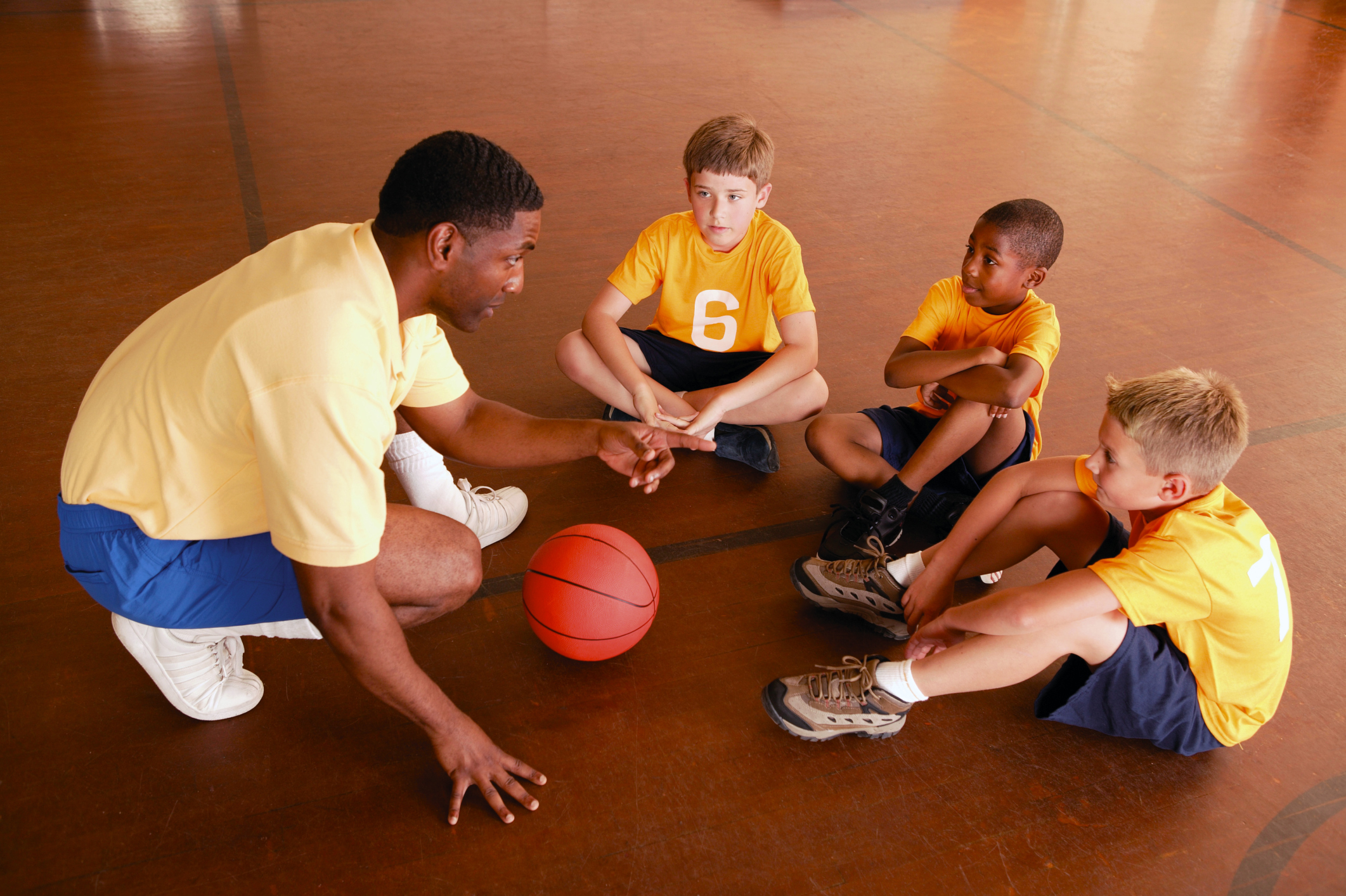
Image Source: changingthegameproject.com
Building a Solid Foundation: Coaching Fundamentals
Coaching young basketball players is a rewarding endeavor that requires patience, enthusiasm, and a clear plan. It’s about more than just running drills; it’s about shaping young athletes into well-rounded individuals. When you’re coaching beginner basketball, focusing on the fundamentals of youth basketball is paramount. These are the building blocks upon which all future success in the sport will be built.
Mastering the Dribble: A Coach’s Guide
Dribbling is the cornerstone of basketball. Without it, players can’t move the ball effectively. For Little League players, mastering the dribble means developing ball control and confidence.
Key Dribbling Drills for Little Leaguers
- Stationary Dribbling: Start with players standing still. Have them dribble with their dominant hand, then their non-dominant hand. Emphasize keeping their head up, not looking at the ball.
- Progression: Introduce crossover dribbles between the legs and behind the back.
- Dribble Tag: A fun, dynamic drill. One player is “it” and tries to tag other players while they dribble. If tagged, they become “it.” This encourages dribbling while moving.
- Cone Dribbling: Set up cones in a line or pattern. Players dribble around the cones, focusing on changing direction and speed.
- Focus Areas: Low dribbles, protecting the ball with their non-dribbling hand.
Shooting Form: Teaching Accuracy from the Start
Good shooting form is crucial. Even at the Little League level, correct mechanics can prevent bad habits from forming later. Teaching basketball to kids means breaking down the shot into simple, repeatable steps.
Essential Shooting Drills
- Form Shooting: Players start close to the basket, focusing solely on their shooting motion: BEEF (Balance, Eyes, Elbow, Follow-through).
- Balance: Feet shoulder-width apart, knees slightly bent.
- Eyes: Focus on the rim.
- Elbow: Keep the shooting elbow tucked in, forming an ‘L’ shape.
- Follow-through: Snap the wrist and hold the follow-through until the ball reaches the basket.
- Bank Shots: Teach players when and how to use the backboard. Often useful from the sides of the basket.
- Layups: This is a fundamental scoring move. Break it down: dribble towards the basket, gather the ball, take two steps (e.g., right foot, left foot), and extend the arm towards the basket.
- Practice: Start with stationary layups, then add a dribble.
Passing Prowess: The Art of Teamwork
Basketball is a team sport, and effective passing is key to successful offense. Little league basketball drills should heavily emphasize proper passing techniques.
Passing Drills to Implement
- Two-Ball Passing: Players work in pairs, passing a ball back and forth. This builds repetition and accuracy.
- Variations: Chest pass, bounce pass, overhead pass.
- Partner Passing with Movement: Players pass while walking, then jogging. This simulates game action where players are rarely standing still.
- Passing Lanes: Set up players in a circle or square. One player in the middle tries to get the ball passed to them without it being intercepted by players on the outside. This teaches reading passing lanes and accuracy.
Defensive Fundamentals: Stopping the Other Team
Defense wins championships. Teaching young athletes the importance of defense and how to play it effectively is vital. Coaching young basketball players involves instilling good defensive habits early on.
Defensive Drills for Little League
- Defensive Slides: Teach players to slide their feet, keeping their bodies low and facing the offensive player. No crossing feet!
- Drill: Line drills where players slide from one end of the court to the other.
- Close-Out Drills: Players start in a defensive stance, then sprint to a coach or teammate, stopping with a hand up to contest a shot.
- Man-to-Man Defense Basics: Emphasize staying between your player and the basket, keeping your head up, and reacting to the ball.
Crafting Effective Practice Plans for Little League Basketball
A well-structured practice plan is essential for maximizing player development and engagement. Practice plans for little league basketball should be dynamic, fun, and focused on skill acquisition.
Structuring a Typical Practice
A good practice session typically flows through several phases:
- Warm-up (5-10 minutes): Light cardio (jogging, jumping jacks) followed by dynamic stretching.
- Skill Development (20-25 minutes): Focus on 1-2 key skills, using drills.
- Team Play/Scrimmage (10-15 minutes): Apply learned skills in a game-like situation.
- Cool-down (5 minutes): Static stretching and a brief recap.
Sample Practice Plan (Focus: Dribbling & Shooting)
| Time | Activity | Description | Skills Targeted |
|---|---|---|---|
| 5-10 mins | Warm-up | Jogging, high knees, butt kicks, arm circles, leg swings. | General fitness, flexibility |
| 10-15 mins | Dribbling Drills | Stationary dribbling (both hands, crossovers), Cone dribbling (changing direction). | Ball handling, control, coordination |
| 15-20 mins | Shooting Drills | Form shooting close to the basket, layup lines from both sides. | Shooting mechanics, finishing at the rim |
| 10-15 mins | 3-on-3 or 4-on-4 Scrimmage | Focus on using dribbling to get open and making good passes, then taking open shots. | Game application of dribbling, passing, shooting, decision-making |
| 5 mins | Cool-down & Recap | Light stretching. Briefly review what was learned and what to focus on next time. | Recovery, reinforcement |
Keeping Kids Engaged and Motivated
Coaching strategies for youth sports must prioritize fun. If practice feels like a chore, players won’t be motivated.
- Make it Fun: Incorporate games and friendly competition into drills.
- Positive Reinforcement: Praise effort and improvement, not just results.
- Variety: Change drills regularly to prevent monotony.
- Involve Players: Ask for their input on drills or game strategies.
- Short Attention Spans: Keep drills moving and transitions quick.
Developing Essential Basketball Skills for Children
Beyond the core fundamentals, there are other basketball skills for children that coaches should nurture.
Passing Angles and Decision-Making
When should a player use a chest pass versus a bounce pass? When is a skip pass appropriate?
- Teaching Passing Choices: Explain that bounce passes are good for getting around defenders, while chest passes are quicker and more direct.
- Situational Passing Drills: Create scenarios where players have to choose the best pass to make.
Rebounding Fundamentals
Rebounding is about effort and positioning.
- “Find a Man, Box Out”: Teach players to locate their opponent when a shot goes up and then position themselves between the opponent and the basket.
- Pursue the Ball: Encourage players to actively go after the ball once it bounces off the rim.
Offensive and Defensive Spacing
Good spacing opens up passing lanes and creates driving opportunities.
- Visual Cues: Use cones or lines on the floor to illustrate proper spacing during drills.
- “See the Ball, See Your Man”: Remind players to be aware of both the ball and their assigned player, especially off the ball.
Coaching Strategies for Youth Sports: Beyond the X’s and O’s
Effective coaching of young athletes involves more than just teaching basketball plays. It’s about character development and fostering a positive sporting experience.
Sportsmanship and Fair Play
Instilling good sportsmanship is a crucial part of coaching young basketball players.
- Model Behavior: Always show respect for opponents, referees, and fellow coaches.
- Teach Respect: Emphasize shaking hands after games, congratulating opponents on good plays, and accepting calls gracefully.
- Consequences: Address any instances of poor sportsmanship promptly and consistently.
Teamwork and Communication
Basketball is a team game. Encourage players to support each other.
- “Talk on Defense”: Teach players to communicate who they are guarding and when help is needed.
- Encourage Each Other: Celebrate teammates’ successes and offer support when they make mistakes.
- Positive Locker Room Talk: Foster a supportive environment where players feel comfortable sharing.
Developing Young Athletes: Long-Term Growth
The goal of Little League is to introduce kids to sports and help them grow.
- Focus on Effort and Improvement: Celebrate progress, not just wins.
- Encourage All Players: Ensure every player gets a chance to play and contribute.
- Promote Healthy Habits: Discuss the importance of hydration, proper nutrition, and rest.
Overcoming Common Challenges in Little League Coaching
Coaching beginner basketball comes with its unique set of hurdles.
Dealing with Different Skill Levels
How do you cater to players who are naturally athletic versus those who are just starting?
- Differentiated Instruction: Offer modified drills or provide extra support to players who need it.
- Peer Teaching: Pair stronger players with those who need help during drills.
- Individualized Feedback: Provide specific, constructive feedback to each player.
Managing Playing Time
Ensuring fair playing time can be a delicate balance.
- Team Philosophy: Establish a clear policy on playing time that is communicated to parents and players at the beginning of the season. Generally, in Little League, participation and development are prioritized.
- Focus on Contribution: Rotate players so everyone has opportunities to contribute.
Communicating with Parents
Parents are a key part of the youth sports experience.
- Open Communication: Hold a pre-season meeting to discuss team philosophy, expectations, and communication channels.
- Be Accessible: Respond to parent inquiries promptly and professionally.
- Focus on the Kids: When discussing concerns, always bring the conversation back to what’s best for the players.
Advanced Techniques and Drills for Developing Young Athletes
As players progress, you can introduce more complex little league basketball drills and strategies.
Transitioning from Defense to Offense
Quick transitions are a hallmark of good basketball.
- Fast Break Drills: Practice outlet passes and running the floor after securing a rebound.
- Drill: 3-on-2 or 2-on-1 Fast Break: Players execute a fast break after a defensive stop or rebound.
- “Transition Defense”: Teach players to get back on defense immediately after a turnover or missed shot.
Offensive Sets and Spacing
Introducing simple offensive plays can help organize the team.
- “Give and Go”: A fundamental offensive move where a player passes the ball and then cuts towards the basket for a return pass.
- Basic Motion Offense: Focus on players cutting, screening, and moving without the ball to create open shots.
Defensive Strategies
Moving beyond basic man-to-man.
- Help Defense: Teach players to rotate and provide help when a teammate is beaten.
- Denial Defense: Practicing preventing the pass to a specific offensive player.
Frequently Asked Questions (FAQ)
Q1: How much playing time should each player get in Little League basketball?
A1: While specific league rules may vary, the general philosophy for Little League is to ensure all players receive significant playing time. This promotes development and enjoyment. Focus on equal opportunity rather than strict minute-for-minute equality, especially if some players are more skilled or dedicated.
Q2: What are the most important basketball skills to teach young players?
A2: The most important skills are dribbling, shooting, passing, and defensive fundamentals (stance, slides, positioning). These form the bedrock of the game and should be the primary focus.
Q3: How can I make practices fun and engaging for young children?
A3: Incorporate games, friendly competitions, and positive reinforcement. Keep drills short, varied, and high-energy. Use praise and encourage effort. Asking players for input can also increase engagement.
Q4: What is the best way to handle a player who isn’t listening or is disruptive during practice?
A4: Address the behavior calmly and privately if possible. Remind them of the team rules and expectations. Sometimes, a brief timeout or a simple redirection is all that’s needed. If it persists, a conversation with the parent might be necessary.
Q5: How do I teach sportsmanship to young athletes?
A5: Lead by example. Model respect for everyone involved. Explicitly teach them to respect opponents, referees, and coaches, to congratulate others, and to accept decisions gracefully. Make sportsmanship a core value of the team.