
Can you clean the soles of basketball shoes to get more grip? Yes, you absolutely can! Cleaning the soles of your basketball shoes is crucial for maintaining optimal traction and performance on the court. Dirty, worn-out soles can significantly hinder your ability to make quick cuts, stop on a dime, and prevent slips, ultimately impacting your game.
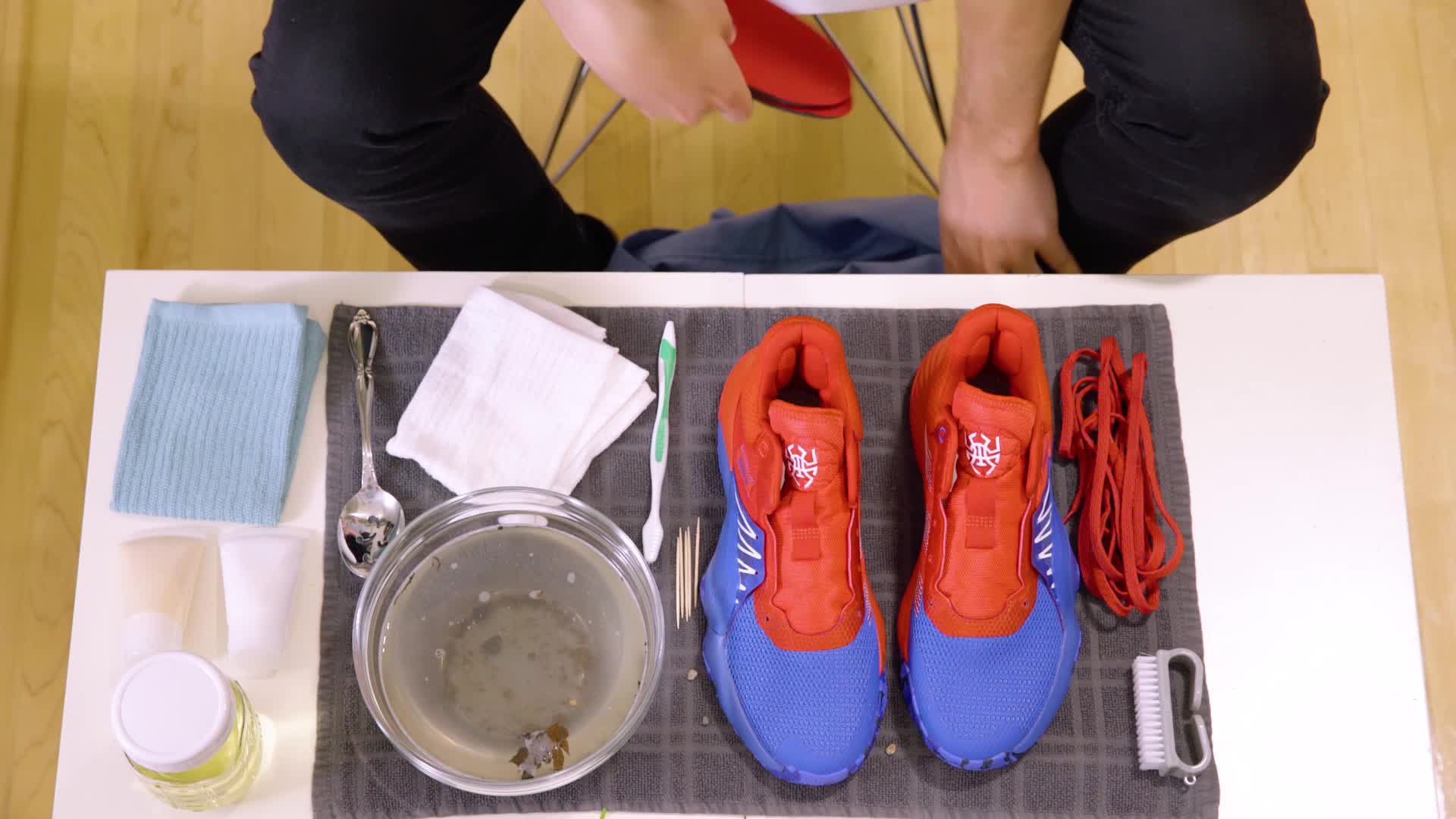
Image Source: brand.assets.adidas.com
Why Sole Cleanliness Matters for Basketball Performance
Basketball is a game of constant motion, explosive bursts, and precise movements. The grip your shoes provide is your direct connection to the court, translating your power and agility into action. When the soles of your basketball shoes become caked with dirt, dust, and debris, a slippery barrier forms between the rubber and the hardwood. This accumulation reduces friction, leading to:
- Reduced Traction: This is the most significant impact. Slipping during a crossover or a fast break is not only frustrating but can also lead to injuries.
- Loss of Agility: You can’t pivot, cut, or change direction effectively if your shoes aren’t sticking to the floor.
- Decreased Confidence: Knowing your shoes might slip can make you hesitant, affecting your overall play.
- Premature Wear: Dirt can act like sandpaper, grinding away at the rubber and accelerating the wear and tear on your soles.
Therefore, how to clean basketball shoe soles is a vital skill for any serious player. It’s not just about aesthetics; it’s about maximizing your potential and ensuring your safety on the court. This guide will walk you through various methods, from everyday cleaning to deeper restoration, to keep your basketball shoe soles in top condition.
The Best Way to Clean Sneaker Soles: A Step-by-Step Approach
Achieving the best grip often starts with a thorough cleaning. Here’s a detailed breakdown of how to clean basketball shoe soles effectively.
Step 1: Gather Your Supplies
Before you start, ensure you have the right tools. Having everything ready makes the process smoother and more efficient.
- Soft Brush: An old toothbrush, a dedicated shoe brush, or even a soft-bristled scrub brush works well.
- Microfiber Cloths: Several clean, soft cloths are essential for wiping and drying.
- Mild Soap or Detergent: A small amount of dish soap or a specialized sneaker cleaner. Avoid harsh chemicals.
- Warm Water: For creating your cleaning solution.
- Magic Eraser (Optional): Excellent for removing stubborn scuffs and marks.
- Rubbing Alcohol or Goo Gone (Optional): For tougher stains and sticky residues.
- Bowl or Bucket: To hold your cleaning solution.
Step 2: Remove Loose Debris
Start by removing any large dirt particles or pebbles stuck in the sole’s tread. You can do this by:
- Tapping the Soles: Gently tap the soles of your shoes together.
- Using a Dry Brush: Brush away loose dirt with your dry soft brush.
This initial step prevents you from grinding loose grit into the sole during the wet cleaning process.
Step 3: Prepare Your Cleaning Solution
In your bowl or bucket, mix a small amount of mild soap or sneaker cleaner with warm water. You don’t need a lot of soap; a few drops are usually sufficient. Too much soap can leave a residue that might affect grip.
Step 4: Scrubbing the Soles
Now, it’s time to get down to business:
- Dip the Brush: Dip your soft brush into the warm, soapy water.
- Scrub in Circles: Gently scrub the soles of your basketball shoes using circular motions. Pay close attention to the intricate patterns and grooves in the tread. This is where dirt tends to accumulate, especially when cleaning basketball shoe tread.
- Target Stubborn Dirt: For tougher grime, you might need to apply a little more pressure or use a toothbrush for tighter areas.
- Rinse the Brush Frequently: Rinse your brush in the water as it gets dirty to avoid spreading grime back onto the sole.
Step 5: Wipe and Rinse
Once you’ve scrubbed the entire sole, it’s time to remove the soap and dirt:
- Wipe with a Damp Cloth: Use a clean, damp microfiber cloth to wipe away the soap and loosened dirt. Rinse the cloth frequently in clean water.
- Repeat if Necessary: If the soles are still dirty, repeat the scrubbing and wiping process.
- Consider a Final Rinse (Optional): You can lightly rinse the soles under cool running water, but be careful not to get the shoe uppers excessively wet, especially if they are made of delicate materials. If you do rinse, ensure you thoroughly dry the soles afterward.
Step 6: Drying the Soles
Proper drying is crucial to prevent moisture damage and ensure your shoes are ready for action:
- Pat Dry: Use a clean, dry microfiber cloth to pat the soles as dry as possible.
- Air Dry: Allow the shoes to air dry completely in a well-ventilated area, away from direct heat or sunlight. This can take several hours. Do not wear your shoes until the soles are completely dry.
Advanced Cleaning Techniques for Specific Issues
Sometimes, standard cleaning isn’t enough. You might encounter stubborn marks, sticky residues, or scuffs that need special attention. Here’s how to tackle them.
Removing Scuffs from Basketball Shoes
Scuffs are common on basketball shoe soles, especially after intense play.
Using a Magic Eraser
A Magic Eraser (melamine foam) is incredibly effective for removing scuffs from basketball shoes.
- Slightly Dampen: Lightly dampen a section of the Magic Eraser with water.
- Gentle Rubbing: Gently rub the scuff marks on the sole. The melamine foam acts as a very fine abrasive.
- Wipe Away Residue: Use a damp cloth to wipe away any eraser residue.
- Dry Thoroughly: Ensure the sole is completely dry before use.
Note: Be cautious when using Magic Erasers on colored or painted soles, as they can sometimes remove pigment.
Using Rubbing Alcohol
Rubbing alcohol can help dissolve stubborn marks and residues.
- Apply to Cloth: Apply a small amount of rubbing alcohol to a microfiber cloth or a cotton swab.
- Targeted Scrubbing: Gently rub the scuff mark or residue.
- Wipe Clean: Wipe the area with a clean, damp cloth.
- Dry: Allow the sole to dry completely.
Tackling Sticky Residues and Gum
Sometimes, you might pick up sticky substances or gum on the court.
Using Goo Gone or Similar Adhesive Removers
- Apply Sparingly: Apply a small amount of Goo Gone or a similar citrus-based adhesive remover to a cloth or cotton swab.
- Gently Rub: Gently rub the sticky residue. Allow it to sit for a minute or two if needed.
- Scrape (Carefully): Use a plastic scraper or an old credit card to gently lift the softened residue. Avoid using sharp metal objects that could damage the sole.
- Clean and Rinse: Clean the area with your standard soap and water solution to remove any Goo Gone residue.
- Dry: Ensure the sole is completely dry.
Using Ice (for Gum)
- Apply Ice: Place an ice cube or an ice pack directly on the gum.
- Harden the Gum: Hold the ice there until the gum hardens completely.
- Scrape Off: Once hardened, the gum should be easier to scrape off with a blunt plastic tool.
- Clean Up: Use a brush and soapy water to remove any remaining fragments.
DIY Basketball Shoe Sole Cleaning Solutions
You don’t always need specialized products. Simple household items can work wonders for DIY basketball shoe sole cleaning.
Baking Soda Paste
Baking soda is a mild abrasive that can help lift dirt and brighten soles.
Ingredients:
- Baking Soda
- Water
Instructions:
- Mix: Create a paste by mixing baking soda with a small amount of water. Aim for a thick, spreadable consistency.
- Apply: Apply the paste to the soles of your basketball shoes.
- Scrub: Use your soft brush to scrub the paste into the soles, focusing on dirty areas.
- Let Sit: Let the paste sit for about 10-15 minutes.
- Wipe and Rinse: Wipe away the paste with a damp cloth and rinse the soles if necessary.
- Dry: Allow the soles to air dry completely.
Toothpaste (Non-Gel White Paste)
White, non-gel toothpaste can also act as a mild cleaning agent.
Instructions:
- Apply: Squeeze a small amount of white toothpaste onto the soles.
- Scrub: Use your brush to work the toothpaste into the soles.
- Wipe: Wipe clean with a damp cloth.
- Dry: Ensure the soles are dry before use.
Basketball Shoe Sole Restoration: Bringing Back the Grip
Over time, even with regular cleaning, basketball shoe soles can lose their edge. Basketball shoe sole restoration is about reviving that lost traction.
Deeper Cleaning for Optimal Grip
Sometimes, a more thorough approach is needed. If you’re asking how to get grip back on basketball shoes, it often starts with a truly deep clean.
- Focus on Grooves: Ensure you are meticulously cleaning every nook and cranny of the tread. Dirt lodged deep in the grooves is a major grip inhibitor.
- Consider a Stiff Brush (with caution): For very ingrained dirt, a slightly stiffer brush might be needed. However, always test on an inconspicuous area first, and be mindful of the sole material.
What Can I Use to Clean Basketball Shoe Soles for Maximum Grip?
For maximum grip, the goal is to expose the raw rubber of the sole.
- Rubbing Alcohol: As mentioned, alcohol can help remove residues that might be slick.
- Acetone (Use with Extreme Caution): Acetone is a powerful solvent. While it can remove stubborn residues, it can also damage or degrade the rubber if used too frequently or left on too long. If you opt for acetone, apply it to a cotton swab, rub the specific spot briefly, and immediately wipe clean with a damp cloth. Never soak the soles in acetone. It’s generally safer to stick to less aggressive methods.
- Fine-Grit Sandpaper (Use as a Last Resort): Very fine-grit sandpaper (e.g., 400-grit or higher) can be used to lightly “re-texture” worn-out soles. The idea is to gently scuff the surface to expose fresh rubber.
- How to use: Lightly and evenly sand the entire sole. Do not apply excessive pressure, as you can damage the sole.
- Clean After Sanding: Thoroughly clean the soles with soap and water after sanding to remove all dust particles.
- Caution: This method is best reserved for soles that have genuinely lost their texture and are no longer responding to cleaning. It can accelerate wear if done improperly.
Basketball Shoe Sole Maintenance: Keep Them Performing
Regular basketball shoe sole maintenance is key to prolonging their life and ensuring consistent performance.
Post-Game Routine
- Wipe Down: After every game or practice, give your soles a quick wipe with a damp cloth or a dedicated shoe wipe. This removes fresh dirt before it dries and hardens.
- Brush Off Loose Dirt: Use a dry brush to quickly flick off any debris.
Storage
- Store in a Cool, Dry Place: Avoid extreme temperatures, humidity, or direct sunlight, which can degrade the rubber over time.
- Keep Them Separate: If possible, store your basketball shoes in a shoe bag or box to protect them from dust and damage.
Rotation
- Don’t Play Every Day in the Same Pair: If you play frequently, rotating between two or more pairs of basketball shoes allows them to dry out completely and reduces wear on any single pair.
Table: Cleaning Methods and Their Effectiveness
| Cleaning Method | Best For | Pros | Cons |
|---|---|---|---|
| Soap & Water | Everyday dirt and grime | Gentle, effective for general cleaning, readily available. | May not remove stubborn scuffs or sticky residues. |
| Magic Eraser | Scuff marks, light stains | Excellent at removing scuffs, easy to use. | Can potentially remove color from painted or colored soles if used too aggressively. |
| Rubbing Alcohol | Sticky residues, ink marks, some scuffs | Dissolves certain residues, sanitizes. | Can be drying to rubber; use sparingly. |
| Baking Soda Paste | General grime, brightening soles | Mild abrasive, natural cleaner, helps deodorize. | Can be messy, requires thorough rinsing. |
| Fine-Grit Sandpaper | Worn-out soles losing texture | Exposes fresh rubber, can restore grip on very smooth soles. | Risk of over-sanding and damaging the sole; use as a last resort and with extreme caution. |
| Acetone | Very stubborn adhesive residue (use with extreme caution) | Powerful solvent for tough sticky stuff. | High risk of damaging or degrading rubber. Can weaken the sole’s integrity. Use only on a small spot with a swab and rinse immediately. Not recommended for regular use. |
Frequently Asked Questions (FAQ)
Q: How often should I clean my basketball shoe soles?
A: It’s best to give your soles a quick wipe-down after every use. A more thorough cleaning with soap and water should be done every few games or practices, or whenever you notice a significant buildup of dirt or a decrease in traction.
Q: Can I use a washing machine to clean my basketball shoes?
A: It is generally not recommended to put basketball shoes in a washing machine. The harsh tumbling, heat, and strong detergents can damage the materials, adhesives, and structural integrity of the shoes, especially the soles and the way they are bonded to the upper. Handwashing is always the safer and more effective method.
Q: My basketball shoe soles are smooth and shiny. How do I fix that?
A: Smooth, shiny soles indicate that the rubber has become polished and has lost its natural grip. This often happens from repeated contact with smooth court surfaces. You can try cleaning them thoroughly with soap and water, and if that doesn’t help, you may need to resort to carefully using fine-grit sandpaper to re-texture the surface, as described in the “Basketball Shoe Sole Restoration” section.
Q: What are the best basketball shoe sole cleaners?
A: While many commercial sneaker cleaners work well, simple household items like mild dish soap, baking soda, and even white toothpaste can be effective. For stubborn marks, a Magic Eraser or a small amount of rubbing alcohol can be very useful. The key is to avoid harsh chemicals that can degrade the rubber.
Q: Will cleaning my soles damage them?
A: If done correctly with gentle methods and appropriate materials, cleaning your soles will not damage them; in fact, it will help preserve them. However, using harsh chemicals, abrasive materials incorrectly, or excessive force can lead to damage. Always err on the side of caution.
By following these guidelines, you can ensure your basketball shoes provide the grip you need to dominate on the court. Proper cleaning and maintenance are investments in your performance and your safety.