
Can you build basketball confidence? Yes, absolutely! Confidence in basketball isn’t just something you’re born with; it’s a skill you can develop and strengthen. What is basketball confidence? It’s the inner belief in your ability to perform well on the court, to make shots, to defend effectively, and to contribute to your team’s success. This belief fuels your actions and allows you to play your best, even when things get tough.
Basketball is a game of momentum, and confidence is its engine. Without it, even the most talented players can falter. Conversely, a player brimming with confidence can elevate their entire team. Building this inner fortitude is a journey, not a destination, and it involves a blend of mental skills, consistent practice, and smart strategies. This in-depth guide will explore how you can systematically cultivate and maintain a powerful sense of self-belief in your basketball game.
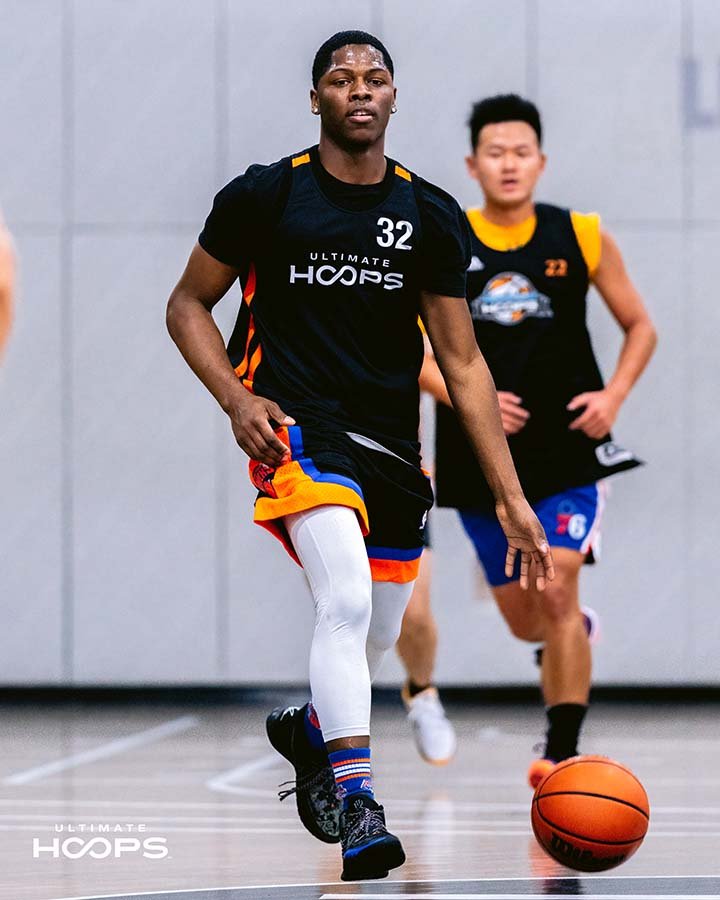
Image Source: images.squarespace-cdn.com
The Foundation of Self-Belief: Mental Toughness
At the heart of lasting basketball confidence lies mental toughness. This isn’t about being emotionless; it’s about being able to manage your emotions, stay focused, and push through adversity. It’s the ability to perform under pressure, bounce back from mistakes, and maintain a positive outlook regardless of the circumstances.
Developing Mental Toughness: Key Components
- Resilience: The capacity to recover quickly from difficulties. In basketball, this means not letting a missed shot or a turnover derail your entire game. You shake it off and focus on the next play.
- Focus: The ability to concentrate on the task at hand, blocking out distractions. This includes crowd noise, opponent chatter, or even your own internal doubts.
- Determination: The drive to keep going, even when things are hard. This means putting in extra work, pushing your limits in practice, and never giving up on a play or a game.
- Emotional Control: Managing your reactions to positive and negative events. You don’t get too high after a great play, and you don’t get too low after a mistake.
Strategies for Building Mental Toughness
- Embrace Challenges: See difficult situations as opportunities to grow, not as insurmountable obstacles. Every tough drill or challenging opponent is a chance to prove your mental strength.
- Learn from Mistakes: Instead of dwelling on errors, analyze what went wrong and how you can improve. Mistakes are valuable feedback mechanisms.
- Positive Self-Talk: Consciously choose positive and encouraging thoughts. Replace “I can’t” with “I’ll try” or “I can do this.”
- Set Realistic Goals: Break down your larger aspirations into smaller, achievable steps. Each success builds momentum and strengthens your belief.
Cultivating Self-Belief: The Power Within
Self-belief is the bedrock of confidence. It’s the unwavering conviction that you possess the skills, the intelligence, and the ability to succeed. In basketball, this translates to trusting your instincts, your training, and your capabilities.
How Self-Belief Translates to the Court
- Aggressive Play: Believing in yourself allows you to attack the basket, take assertive shots, and play with an offensive mindset.
- Defensive Intensity: When you believe you can stop your opponent, you play harder and with more focus on defense.
- Decision-Making: Confidence enables you to make quick, decisive plays without second-guessing yourself.
- Leadership: A confident player often inspires their teammates, creating a more cohesive and effective team dynamic.
Nurturing Your Inner Conviction
- Acknowledge Your Strengths: Regularly remind yourself of what you do well. Make a list of your basketball strengths and review it often.
- Focus on Your Progress: Compare your current self to your past self, not to others. Celebrate how far you’ve come.
- Visualize Success: This is a powerful visualization technique that can significantly boost self-belief.
Visualization Techniques for Basketball
Visualization is a mental rehearsal where you vividly imagine yourself performing successfully. This technique, rooted in performance psychology, can prime your brain for actual performance.
- Mental Rehearsal of Plays: Close your eyes and imagine yourself executing a perfect crossover dribble, a smooth jump shot, or a strong defensive stop. See the ball going through the net, feel the energy of the crowd, and experience the satisfaction of success.
- Game Scenario Visualization: Picture yourself in specific game situations – perhaps a crucial free throw at the end of a close game or a fast break. Imagine yourself staying calm, executing the play perfectly, and achieving a positive outcome.
- Overcoming Obstacles in Your Mind: If you struggle with a particular aspect of your game, like shooting from a certain spot, visualize yourself making that shot repeatedly.
The Role of Performance Psychology in Confidence
Performance psychology offers scientifically-backed strategies to optimize athletic performance and build mental resilience. It delves into the mental aspects of sports, providing tools to enhance focus, manage pressure, and ultimately, improve confidence.
Key Principles from Performance Psychology
- Goal Setting: Setting SMART (Specific, Measurable, Achievable, Relevant, Time-bound) goals provides direction and a framework for progress.
- Mindfulness: Being present in the moment without judgment. This helps to stay focused and reduce anxiety.
- Cognitive Restructuring: Identifying and challenging negative thought patterns and replacing them with more realistic and positive ones.
Applying Performance Psychology to Your Game
- Pre-Game Routines: Develop a consistent routine before games that helps you get into the right mental space. This could include listening to music, specific stretches, or visualization exercises.
- Post-Game Analysis: Instead of just reacting emotionally to a game, conduct a dispassionate analysis of your performance. What went well? What could be improved? This objective approach fuels growth.
- Managing Pressure: Learn techniques like deep breathing or grounding exercises to stay calm and focused when the pressure is high.
Practical Strategies: Practice Drills and Execution
Confidence isn’t just built in the mind; it’s forged through consistent, effective practice drills. When you repeatedly execute skills successfully in practice, you build a reservoir of positive experiences that fuel your belief.
Essential Practice Drills for Confidence Building
- Repetition with Purpose: Focus on quality over quantity. Every drill should have a specific objective, and you should execute it with maximum concentration.
- Game-Speed Drills: Practice at game speed and intensity. This helps you get comfortable with the physical and mental demands of competition.
- Situational Drills: Recreate game situations in practice. For example, practice shooting after a tough defensive slide or dribbling against intense pressure.
Table 1: Confidence-Boosting Practice Drills
| Skill Focus | Drill Example | How it Builds Confidence |
|---|---|---|
| Shooting | “Make 5 in a row” from various spots, progressing from easy to difficult. | Successfully making shots repeatedly builds muscle memory and visualizes success, making shots feel more automatic. |
| Ball Handling | Dribbling through cones with maximum speed and control, incorporating crossovers. | Mastering dribbling under pressure makes you less hesitant and more willing to attack defenders with the ball. |
| Defense | 1-on-1 defensive slides, staying in front of an offensive player. | Feeling secure in your ability to contain your opponent on defense boosts your overall assertiveness and belief. |
| Finishing | Layup drills from various angles, emphasizing footwork and touch. | Converting close-range shots consistently removes doubt from your mind when you drive to the basket. |
| Decision Making | 2-on-1 or 3-on-2 fast break drills, focusing on passing and shooting options. | Making the right play under pressure in practice translates to smarter decisions in real games, building trust in your judgment. |
- Mastering Fundamentals: Don’t neglect the basics. Strong fundamentals – dribbling, shooting form, passing, and footwork – are the building blocks of confidence.
Overcoming Fear and Slumps
Every player faces moments of doubt and periods of poor performance. Overcoming fear and overcoming slumps are critical aspects of building lasting confidence.
Facing Your Fears on the Court
- What is Fear in Basketball? Fear can manifest as the fear of missing a shot, making a turnover, getting embarrassed, or not performing up to expectations.
- Strategies to Combat Fear:
- Acknowledge the Fear: Don’t try to ignore it. Recognize that it’s a natural response to pressure.
- Focus on the Process, Not the Outcome: Concentrate on executing your skills correctly, rather than worrying about the result.
- Positive Self-Talk: Counter fearful thoughts with positive affirmations. “I am prepared,” “I trust my training.”
- Gradual Exposure: If you fear a specific action, practice it in low-pressure situations first and gradually increase the intensity.
Strategies for Overcoming Slumps
- Don’t Panic: Slumps are a normal part of any athlete’s career. They don’t define you.
- Revisit Fundamentals: Often, a slump indicates a need to go back to basics. Fine-tune your shooting form, dribbling technique, or defensive stance.
- Focus on Effort: When shots aren’t falling, focus on giving maximum effort on defense, rebounding, and making smart passes. contributing in other ways can reignite your game.
- Seek Feedback: Talk to coaches or trusted teammates. Sometimes an outside perspective can identify a subtle issue.
- Take a Break (If Needed): Sometimes, a short mental break from the game can help you reset and return with renewed energy and perspective.
Building Resilience: The Comeback Kid Mentality
Building resilience is about your ability to bounce back stronger after setbacks. It’s the mental fortitude that allows you to not just survive adversity but to thrive because of it.
The Pillars of Resilience
- Positive Outlook: Maintaining an optimistic perspective even when faced with challenges.
- Adaptability: Being able to adjust your approach when things aren’t going as planned.
- Problem-Solving Skills: Actively looking for solutions when faced with difficulties.
- Support Systems: Relying on coaches, teammates, and family for encouragement.
Cultivating Resilience
- Learn from Every Experience: Whether it’s a win or a loss, a good game or a bad one, extract lessons that can make you better.
- Celebrate Small Wins: Acknowledge and appreciate your progress, no matter how small. This builds momentum and reinforces your belief in your ability to improve.
- Develop a Growth Mindset: Believe that your abilities can be developed through dedication and hard work. This contrasts with a fixed mindset, where you believe your abilities are innate and unchangeable.
The Game-Day Mindset: Performing Under Pressure
Developing the right game-day mindset is crucial for translating your practiced skills and mental preparation into actual game performance. It’s about being present, focused, and confident when it matters most.
Components of a Winning Game-Day Mindset
- Preparation: Knowing you’ve put in the work. This is the foundation of your confidence on game day.
- Focus: Being able to block out distractions and concentrate on your role and the team’s strategy.
- Confidence: Believing in your ability to execute your skills and contribute.
- Adaptability: Being ready to adjust your game plan based on how the game unfolds.
- Positivity: Maintaining a positive attitude, even if things aren’t going perfectly.
Strategies for Achieving Your Game-Day Mindset
- Execute Your Pre-Game Routine: Stick to your established routine to signal to your brain that it’s time to perform.
- Positive Affirmations: Repeat positive statements to yourself like, “I am ready,” “I am strong,” “I will play my best.”
- Controlled Breathing: Use deep, slow breaths to calm your nerves and center yourself.
- Focus on the Present: Don’t dwell on past mistakes or worry about future outcomes. Focus on making the next play.
- Embrace the Challenge: View game day as an opportunity to showcase your hard work and to compete at your highest level.
Positive Self-Talk: Your Inner Coach
Positive self-talk is one of the most accessible and powerful tools for building and maintaining basketball confidence. It’s the internal dialogue you have with yourself, and it can either build you up or tear you down.
The Impact of Your Inner Dialogue
- Negative Self-Talk: Phrases like “I’m playing terribly,” “I can’t make this shot,” or “Everyone is watching me” can quickly erode confidence and lead to poor performance.
- Positive Self-Talk: Conversely, statements like “I’ve got this,” “Stay aggressive,” “Good effort,” or “Focus on the next play” can boost your morale and performance.
How to Practice Positive Self-Talk
- Catch and Replace: Become aware of your negative thoughts. When you notice one, consciously interrupt it and replace it with a positive or neutral statement.
- Use Action-Oriented Phrases: Focus on what you can do. Instead of “Don’t miss,” try “Shoot with good form.”
- Keep it Realistic and Believable: Don’t just say things you don’t believe. Your affirmations should be grounded in your abilities and your training.
- Write It Down: Keep a journal of your positive self-talk phrases and review them regularly.
Frequently Asked Questions (FAQ)
Q1: How long does it take to build basketball confidence?
A1: Building basketball confidence is an ongoing process, not a one-time fix. While you can see improvements in weeks with consistent effort, developing deep, lasting confidence takes months and years of dedicated practice, mental training, and experience.
Q2: What if I have always lacked confidence in basketball?
A2: It’s common to struggle with confidence. The key is to start with small, achievable steps. Focus on improving one specific skill at a time through practice drills. Celebrate every small success, and use positive self-talk to counter any lingering doubts.
Q3: Can a bad game ruin my confidence?
A3: A single bad game can certainly be a blow, but it doesn’t have to ruin your confidence permanently. The ability to bounce back, learn from the experience, and refocus on your strengths is a hallmark of resilience. Remember the game-day mindset and your preparation, not just one performance.
Q4: How do I deal with pressure in important games?
A4: Dealing with pressure involves mental strategies like deep breathing, visualization techniques, and focusing on the present moment. Remind yourself of your preparation and your ability to perform. Performance psychology offers many tools for managing pre-game jitters and in-game pressure.
Q5: Is it okay to feel nervous before a game?
A5: Yes, it’s perfectly normal and even healthy to feel a little nervous. Nervousness can be a sign that you care about the game and are ready to compete. The goal isn’t to eliminate nerves entirely, but to manage them and channel that energy into focused performance, which is a key aspect of mental toughness.
Conclusion: Your Journey to Unstoppable Confidence
Building basketball confidence is a multifaceted journey that requires dedication to both physical and mental training. By embracing mental toughness, nurturing self-belief through practice drills, and applying principles of performance psychology, you equip yourself to overcome challenges and play at your highest level. Remember to utilize visualization techniques, engage in positive self-talk, and focus on building resilience. When you approach the game with a strong game-day mindset, ready to face anything, including overcoming fear and overcoming slumps, you unlock your true potential. Your confidence is a powerful weapon – train it, trust it, and watch your game soar.