
What is the path to becoming a high school basketball coach? The journey typically involves gaining experience, pursuing necessary certifications, and demonstrating a strong understanding of the game and player development.
Becoming a high school basketball coach is a rewarding path for those passionate about the sport and dedicated to shaping young athletes. It’s more than just running drills; it’s about mentorship, strategy, and fostering a positive team environment. This guide will walk you through the essential steps, from initial aspirations to the responsibilities of leading a team.
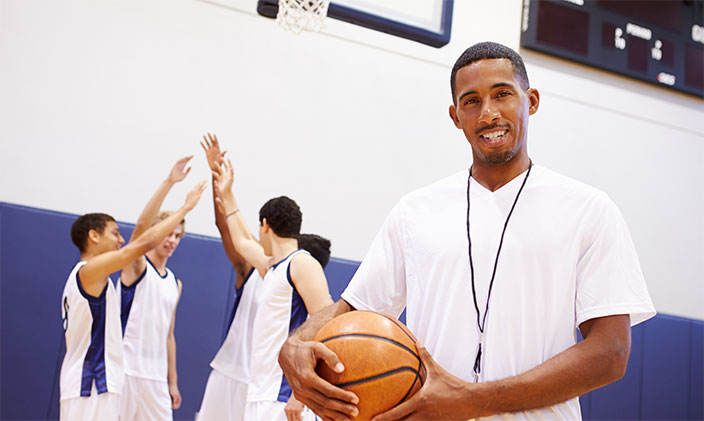
Image Source: www.phoenix.edu
Laying the Foundation: Essential Experience and Knowledge
Before you can step onto the sidelines as a head coach, building a solid foundation of experience is crucial. This involves immersing yourself in the basketball world and actively seeking opportunities to learn and grow.
Gaining Practical Basketball Experience
- Playing Experience: While not always a strict requirement, having played basketball at a competitive level, whether in high school or college, provides invaluable on-court insight. It helps you understand the nuances of the game from a player’s perspective.
- Volunteering: Start by volunteering with local youth leagues or middle school teams. This is a fantastic way to get your feet wet, observe experienced coaches, and begin to develop your youth sports coaching skills.
- Assistant Coaching Roles: Aim to become an assistant high school basketball coach. This position offers hands-on experience under the guidance of a head coach, allowing you to learn about game management, practice planning, and player interaction in a structured environment. You’ll gain insights into basketball recruiting tips for coaches as you see how successful programs attract talent.
Developing a Strong Coaching Philosophy
Your coaching philosophy for basketball is the guiding principle for your coaching style. It defines your beliefs about winning, player development, sportsmanship, and the overall purpose of coaching.
- Defining Your Values: What do you prioritize? Is it winning at all costs, or fostering a love for the game and character development?
- Player Development Focus: A good philosophy emphasizes basketball player development strategies. This means focusing on improving individual skills, basketball IQ, and overall athleticism, not just wins and losses.
- Team Culture: Think about the kind of team culture you want to create. Should it be disciplined, supportive, competitive, or a blend of these?
Navigating the Requirements: Certifications and Qualifications
The specific high school basketball coaching requirements vary by state and district, but there are commonalities you’ll need to address.
Essential Certifications and Credentials
- Background Checks: Almost all school districts will require a thorough background check to ensure the safety of student-athletes.
- First Aid and CPR Certification: Holding current certifications in First Aid and CPR is generally mandatory for all coaches.
- Coaching Education Courses: Many states require coaches to complete specific coaching education courses, which can cover topics like concussion protocols, child abuse prevention, and coaching techniques.
- Basketball Coaching Certifications: While not always mandatory for high school, obtaining basketball coaching certifications from recognized organizations can significantly enhance your credibility and knowledge base. Organizations like the National Federation of State High School Associations (NFHS) offer coaching education programs.
State-Specific Mandates
It’s crucial to research the specific regulations in the state where you intend to coach. Websites for state athletic associations are excellent resources for this information. They will outline:
- Licensure: Some states may require a teaching license or a specific coaching permit.
- Specific Coursework: Certain states have mandated courses or clinics that must be completed before coaching.
- Experience Equivalency: If you lack formal playing experience, extensive volunteer or assistant coaching experience might be accepted as an equivalent.
Moving Up the Ranks: From Assistant to Head Coach
The progression from an assistant to a head coach is a natural and often sought-after path.
The Role of an Assistant High School Basketball Coach
As an assistant coach, your responsibilities are diverse and critical to the team’s success. You’ll typically:
- Assist with Practice Planning: Collaborate with the head coach on designing and executing basketball practice drills for high school.
- Player Development: Work directly with players on their individual skills, providing feedback and guidance.
- Scouting and Analysis: Help scout opponents and analyze game footage.
- Motivational Support: Provide encouragement and support to players, both on and off the court.
- Logistical Support: Assist with travel arrangements, equipment management, and communication with parents.
Understanding Head Basketball Coach Responsibilities
The head basketball coach responsibilities are broader and encompass the overall leadership of the program. This includes:
- Overall Program Management: Overseeing all aspects of the basketball program, from tryouts to end-of-season banquets.
- Strategic Planning: Developing game strategies, practice plans, and long-term program goals.
- Team Leadership: Inspiring and guiding the team, setting the tone for discipline and effort.
- Player Recruitment and Retention: Attracting talented players and ensuring they remain engaged with the program. This often involves basketball recruiting tips for coaches, especially if the program aims to prepare players for collegiate athletics.
- Staff Management: If there are other assistant coaches, the head coach is responsible for managing and delegating tasks to them.
- Communication: Acting as the primary point of contact for the athletic director, parents, and media.
- Budget Management: Often responsible for managing the basketball program’s budget.
Developing Elite Coaching Skills
Effective coaching involves a blend of technical knowledge, tactical acumen, and interpersonal skills.
Mastering Basketball Practice Drills for High School
Well-designed practices are the backbone of a successful team.
- Skill Development Drills: Focus on fundamental skills like shooting, dribbling, passing, and defense.
- Shooting: Form shooting, spot shooting, shooting off the dribble, free throws.
- Dribbling: Crossovers, behind-the-back, between-the-legs, ball-handling drills with resistance.
- Passing: Chest passes, bounce passes, overhead passes, outlet passes, passing under pressure.
- Defense: Stance, footwork, closing out, denying passes, help defense.
- Team Drills: Incorporate drills that teach offensive and defensive concepts, transition play, and set plays.
- 3-on-2 or 2-on-1 Fast Break Drills: Develop offensive execution and defensive transition.
- Shell Drill: Reinforce defensive principles like communication, rotation, and help-side defense.
- Scrimmaging: Simulate game situations to practice offensive and defensive schemes.
- Conditioning and Agility: Integrate drills that improve players’ stamina, speed, and agility.
Implementing Basketball Player Development Strategies
Focusing on player growth is paramount.
- Individualized Coaching: Recognize that players have different strengths and weaknesses. Provide personalized feedback and tailored development plans.
- Basketball IQ Development: Teach players how to read the game, make smart decisions, and understand offensive and defensive spacing. This can be done through film study and on-court questioning.
- Strength and Conditioning: Work with athletes to improve their physical capabilities safely and effectively, often in conjunction with school athletic trainers.
- Mental Toughness: Help players develop resilience, focus, and the ability to perform under pressure. This includes teaching them how to handle adversity and maintain a positive attitude.
Sharpening Youth Sports Coaching Skills
The skills needed for coaching high schoolers are often rooted in effective youth sports coaching skills.
- Communication: Clearly and concisely explain instructions, feedback, and expectations. Active listening is also key.
- Patience and Empathy: Understand that young athletes are still learning and developing, both as players and individuals.
- Motivation: Inspire and encourage players to give their best effort, even when facing challenges.
- Organization: Plan practices, games, and team activities efficiently.
- Adaptability: Be prepared to adjust strategies and coaching approaches based on player needs and game situations.
The Path to Becoming a Head Coach
Once you have built a strong foundation as an assistant, you can begin to pursue head coaching positions.
Creating a Coaching Resume and Portfolio
Highlight your experience, certifications, and coaching philosophy. Consider including:
- A summary of your coaching experience (volunteer, assistant, specific roles).
- Your educational background and any coaching certifications obtained.
- A statement of your coaching philosophy.
- Letters of recommendation from previous coaches, athletic directors, or mentors.
- Any notable team achievements or player development successes.
Interviewing for Head Coaching Positions
Be prepared to discuss your coaching philosophy, strategies for player development, how you handle discipline, and your vision for the program. Demonstrating your knowledge of basketball recruiting tips for coaches can also be beneficial, especially for programs with aspirations of competitive success.
Challenges and Rewards of Coaching
The role of a high school basketball coach comes with its own set of difficulties and immense satisfaction.
Overcoming Coaching Challenges
- Balancing Academics and Athletics: Ensuring players prioritize their studies is a constant challenge.
- Managing Parental Involvement: Navigating expectations and communication with parents requires tact and clear boundaries.
- Player Discipline and Motivation: Keeping all players engaged and adhering to team rules demands consistent effort.
- Time Commitment: Coaching often involves significant time outside of practices and games, including scouting, film study, and travel.
Experiencing the Rewards
- Player Growth: Witnessing players develop their skills, character, and confidence is incredibly fulfilling.
- Team Cohesion: Building a cohesive unit that works together towards a common goal creates a powerful bond.
- Impact on Young Lives: Mentoring and guiding teenagers can have a lasting positive impact on their lives beyond basketball.
- Community Engagement: Being a part of the school and local community through sports.
Frequently Asked Questions (FAQ)
Q1: Do I need to have played college basketball to become a high school coach?
A1: No, while playing experience is beneficial, it’s not always a strict requirement. Many successful high school coaches have extensive experience as assistant coaches or have gained their knowledge through dedicated study and mentorship.
Q2: What are the most important skills for a high school basketball coach?
A2: Key skills include strong communication, strategic thinking, the ability to motivate and mentor young athletes, organizational skills, and a deep knowledge of basketball strategy and basketball practice drills for high school.
Q3: How long does it typically take to become a head high school basketball coach?
A3: The timeline varies greatly. Some individuals may transition into head coaching roles after a few years as an assistant, while others may take longer to gain the necessary experience and credentials. Building a strong reputation and networking within the coaching community are important factors.
Q4: Can I coach without a teaching degree?
A4: This depends on the state and the specific school district. Some positions may require a teaching license or a specific coaching permit, while others might allow individuals with relevant experience and certifications. Always check the local high school basketball coaching requirements.
Q5: What is the difference between an assistant and a head coach?
A5: A head coach is the primary decision-maker and leader of the basketball program, responsible for all aspects of its operation. An assistant coach supports the head coach, often focusing on specific areas like player development, scouting, or managing a particular position group. The head basketball coach responsibilities are more extensive and supervisory.
By following this comprehensive guide, aspiring coaches can effectively navigate the path to becoming a high school basketball coach, contributing positively to the development of young athletes and the sport itself.