
So, you want to become a college basketball coach? The path involves dedication, skill development, and a deep passion for the game. While there’s no single, guaranteed route, most college basketball staff members begin with a strong foundation in basketball, often as players themselves. This article will guide you through the essential steps and skills needed to pursue this rewarding career.
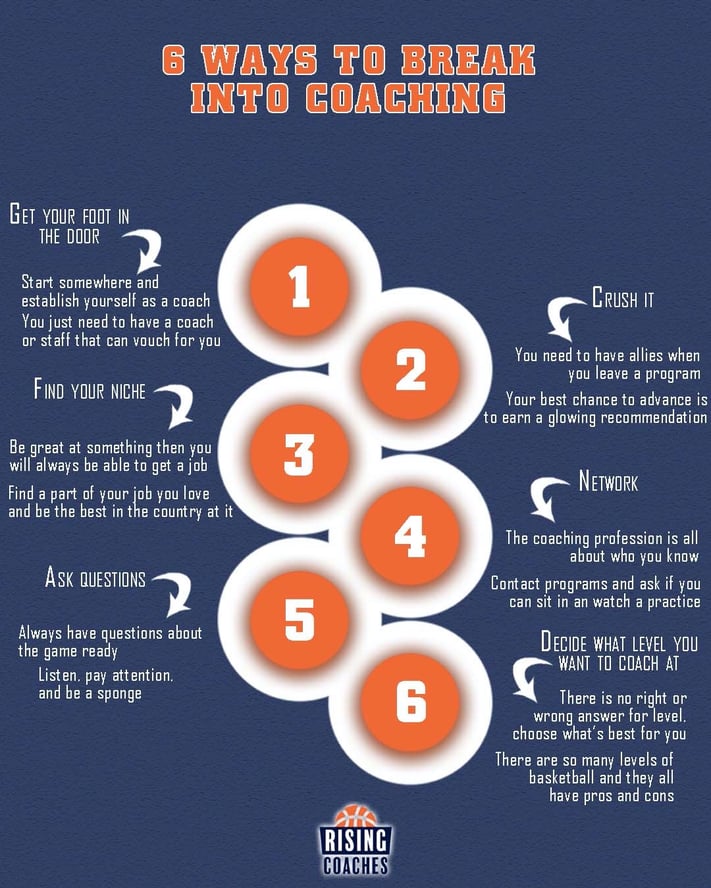
Image Source: risingcoaches.com
Charting Your Basketball Coaching Path
The journey to becoming a college basketball coach is rarely a straight line. It’s a climb that requires strategic planning, persistent effort, and a willingness to learn at every level. Many aspiring coaches start at the grassroots, honing their abilities and gaining invaluable experience before reaching the collegiate ranks.
Early Steps and Foundational Experience
Playing Experience: While not strictly mandatory, playing college basketball can provide a significant advantage. It offers firsthand knowledge of the game’s intricacies, demanding practices, and the pressures of competition. This experience can also open doors to networking opportunities.
Coaching at Lower Levels: Before aspiring to coach at the college level, gaining experience at high school, AAU (Amateur Athletic Union), or even youth league levels is crucial. This is where you’ll learn the fundamentals of teaching the game, managing players, and developing coaching strategies.
- High School Coaching: This is a common starting point. You’ll learn to balance academics with athletics, manage different personalities, and build a program from the ground up.
- AAU Coaching: Coaching AAU teams offers exposure to a wider pool of talent and provides opportunities to develop players who might eventually play in college. It also involves significant travel and exposure to college recruiters.
- Volunteer Coaching: Offering your time as a volunteer assistant coach at a high school or local college program can be an excellent way to get your foot in the door and learn from experienced mentors.
Moving Up the Ranks
Graduate Assistant (GA) Roles: One of the most common entry points into college basketball coaching is through a Graduate Assistant position. This role typically involves assisting the head coach and assistant coaches with various tasks, including film breakdown, practice planning, and recruiting. In return, GAs often receive tuition waivers and a small stipend, allowing them to pursue a master’s degree. This is a critical stage for developing your coaching acumen and expanding your network.
Director of Basketball Operations (DBO): The DBO role is often a stepping stone between GA and assistant coach. DBOs handle many of the logistical aspects of running a program, such as travel arrangements, budgeting, video coordination, and scheduling. While not directly involved in on-court coaching, this position provides immense insight into the operational side of college athletics.
Assistant Coach: As an assistant coach, you’ll have more direct involvement in player development, scouting, game strategy, and recruiting. You’ll work under the head coach and be responsible for specific aspects of the team, such as coaching a particular position group or leading a specific offensive or defensive scheme. This is where you start to specialize your coaching skills.
Head Coach: The ultimate goal for many is to become a head coach. This role involves overall program management, including recruiting, player development, game strategy, staff supervision, and representing the program to the university and the public.
Essential Skills for College Basketball Coaches
Success in college basketball coaching requires a multifaceted skill set. It’s not just about Xs and Os; it’s about leadership, communication, and a deep understanding of the student-athlete experience.
Coaching Prowess and Strategic Acumen
Basketball IQ: A deep comprehension of basketball strategy, offensive and defensive schemes, and in-game adjustments is fundamental. This involves not only knowing what plays to run but also why they work and how to adapt them based on opponent tendencies and game flow.
Tactical Knowledge: This includes a solid grasp of defensive principles, offensive sets, transition offense and defense, and special situations (e.g., end-of-game scenarios).
Game Planning: The ability to scout opponents, identify weaknesses, and develop effective game plans is a hallmark of successful coaches. This often involves breaking down film and analyzing statistical data.
Basketball Analytics: In today’s game, basketball analytics plays an increasingly vital role. Coaches who can interpret advanced statistics, understand player efficiency ratings, and use data to inform decisions have a competitive edge. This can range from analyzing shot selection to identifying player matchups.
Player Development and Mentorship
Instructional Skills: The ability to clearly teach fundamental skills, advanced techniques, and strategic concepts is paramount. This requires patience, adaptability, and a knack for explaining complex ideas in simple terms.
Motivation and Encouragement: College athletes face immense pressure. Coaches must be adept at motivating their players, building confidence, and fostering a positive team environment.
Character Building: Beyond athletic development, college coaches are often mentors. They guide young men and women, helping them develop into responsible individuals, instilling values of discipline, teamwork, and perseverance. This contributes to building a strong team culture.
Recruiting and Relationship Building
Scouting for Basketball: Identifying talented players who fit the program’s needs is a critical responsibility. This involves extensive travel, attending games and tournaments, and evaluating players not just for their skills but also for their character and potential to succeed at the college level.
Recruiting Student Athletes: This is a highly competitive and time-consuming aspect of college coaching. It involves building relationships with prospective players, their families, and their high school or AAU coaches, as well as understanding NCAA eligibility requirements.
- Communication Skills: Effectively communicating with recruits, their families, and other coaches is essential. This includes phone calls, emails, and in-person meetings.
- Relationship Management: Building trust and rapport with potential recruits is key to a successful recruiting class.
- NCAA Coaching Requirements: Coaches must be well-versed in the NCAA’s rules and regulations regarding recruiting, including compliance, initial eligibility, and recruiting calendars.
Leadership and Management
Team Building: Creating a cohesive unit where players trust and support each other is vital. This involves fostering a positive team culture and ensuring everyone is working towards a common goal.
Staff Management: For head coaches, effectively managing assistant coaches, support staff, and student assistants is crucial for the program’s success.
Program Management: This includes overseeing budgets, scheduling, academic support for players, and ensuring compliance with university and NCAA policies.
Educational and Experiential Requirements
Formal Education: A bachelor’s degree is a minimum requirement. Many aspiring coaches pursue degrees in fields such as kinesiology, sports science, or sports management. A sports management degree can be particularly beneficial as it provides a broad foundation in the business and organizational aspects of athletics.
Coaching Education Programs: While not always mandatory, participating in coaching development programs and clinics can significantly enhance a coach’s knowledge and skills. These programs often cover topics like sports psychology, advanced tactics, and leadership.
- Certifications: While specific certifications aren’t universally required, organizations like the National Association of Basketball Coaches (NABC) offer resources and opportunities for professional development.
- Advanced Degrees: A master’s degree, particularly in sports management or a related field, can be advantageous, especially for those aiming for higher-level coaching positions or administrative roles within athletic departments.
The NCAA Coaching Requirements Landscape
Navigating the National Collegiate Athletic Association (NCAA) regulations is a cornerstone of being a college basketball coach. The NCAA sets stringent rules to ensure fair play, protect the integrity of college sports, and safeguard the well-being of student-athletes.
Key NCAA Compliance Areas for Coaches
- Academic Eligibility: Coaches must ensure that all recruited and current student-athletes meet the NCAA’s academic requirements for initial eligibility and continued participation. This includes maintaining a minimum GPA and making satisfactory progress towards a degree.
- Recruiting Rules: The NCAA dictates when, where, and how coaches can recruit. This covers everything from making phone calls and sending texts to campus visits and official or unofficial visits. Understanding the recruiting calendar for both NCAA Division I, II, and III is critical.
- Hours of Competition and Practice: The NCAA limits the number of hours student-athletes can practice and compete during a season to prevent overwork and ensure a balance with academics.
- Financial Aid and Benefits: Coaches must adhere to rules regarding athletic scholarships, financial aid, and other benefits provided to student-athletes.
- Ethical Conduct: Coaches are held to a high standard of ethical conduct and are expected to represent their university and the NCAA with integrity. Violations can lead to significant penalties for both the coach and the institution.
Table: NCAA Divisions and Their General Characteristics
| NCAA Division | Typical Student Body Size | Athletic Budget | Scholarship Opportunities | Competition Level |
|---|---|---|---|---|
| Division I | Largest | Highest | Most prevalent | Highest |
| Division II | Medium | Moderate | Common | High |
| Division III | Varies | Lower | None | Moderate to High |
Note: These are general characteristics, and there can be exceptions within each division.
Building a Champion Team Culture
Beyond individual skills and tactical execution, creating a winning team culture is what separates good programs from great ones. This involves fostering an environment where players are motivated, committed, and work cohesively towards shared goals.
Pillars of a Strong Team Culture
- Shared Vision and Goals: Every player and coach should be aligned on the program’s objectives and how to achieve them. This creates a sense of purpose and direction.
- Accountability: Players must be held accountable for their actions, both on and off the court. This includes their performance, their commitment to the team, and their academic responsibilities.
- Trust and Respect: A culture of trust and respect among teammates and between players and coaches is paramount. This allows for open communication and constructive feedback.
- Resilience and Grit: College basketball is a journey filled with ups and downs. Players need to develop the mental toughness to overcome adversity, learn from losses, and stay focused on improvement.
- Positive Reinforcement: While accountability is key, coaches also need to recognize and reward effort, progress, and positive contributions. This helps build confidence and reinforces desired behaviors.
- Communication: Open and honest communication channels are vital. Players should feel comfortable approaching coaches with concerns, and coaches should provide regular feedback.
Example: How a Coach Might Foster Accountability
A coach might implement a system where players have individual performance goals that are reviewed weekly. If a player consistently misses practice on time or fails to put in maximum effort, there could be consequences, such as a temporary reduction in playing time or extra conditioning drills. This reinforces the idea that each player’s commitment impacts the entire team.
Frequently Asked Questions (FAQ)
Q1: Do I need to have played college basketball to become a college coach?
No, you don’t necessarily need to have played college basketball. While playing experience can be an advantage, many successful coaches have come from different backgrounds, focusing on developing strong coaching and strategic skills.
Q2: What is the typical salary for a college basketball coach?
Salaries vary widely depending on the division (DI, DII, DIII), the institution’s prestige and resources, and the coach’s experience and success. Assistant coaches typically earn less than head coaches, and head coaches at major Division I programs can earn significantly high salaries, often in the hundreds of thousands or even millions of dollars annually. Entry-level positions like graduate assistant roles are usually modest stipends or tuition waivers.
Q3: How important is a sports management degree for a coaching career?
A sports management degree can be very beneficial. It provides a comprehensive understanding of the business, administrative, and legal aspects of athletics, which are crucial for managing a college program effectively. It can also open doors to administrative roles within athletic departments.
Q4: What are the best ways to gain coaching development programs experience?
Attending coaching clinics and camps hosted by reputable organizations or universities, seeking mentorship from experienced coaches, and engaging with resources from coaching associations like the NABC are excellent ways to enhance your coaching development programs.
Q5: How does scouting for basketball differ at the college level compared to other levels?
At the college level, scouting involves a more in-depth analysis of not only a player’s on-court skills but also their academic eligibility, character, coachability, and fit within the program’s culture. Coaches also need to be aware of NCAA rules and recruiting calendars.
Q6: Can I recruit student athletes if I’m only an assistant coach?
Yes, assistant coaches play a crucial role in recruiting student athletes. They often handle initial contact, evaluation of prospects, and building relationships with potential recruits and their families under the direction of the head coach.
Q7: How can basketball analytics improve team performance?
Basketball analytics can help coaches make more informed decisions about player matchups, game strategy, shot selection, and player development by identifying trends and patterns that might not be obvious through traditional observation alone.
Q8: What is the most challenging aspect of building a team culture?
One of the most challenging aspects is ensuring consistent buy-in and adherence to the desired culture from every player and staff member. It requires ongoing reinforcement, adaptation, and addressing any behaviors that contradict the established values.