
Can you be ready for basketball tryouts? Absolutely! Being prepared is the key to showing your best on the court and impressing coaches. This guide will break down everything you need to do to nail your next basketball tryout. We’ll cover basketball skills, basketball drills, conditioning for basketball, mental preparation for basketball, nutrition for athletes, basketball tryout tips, what to wear for basketball tryouts, basketball tryout strategy, coach expectations basketball, and basketball tryout evaluation.
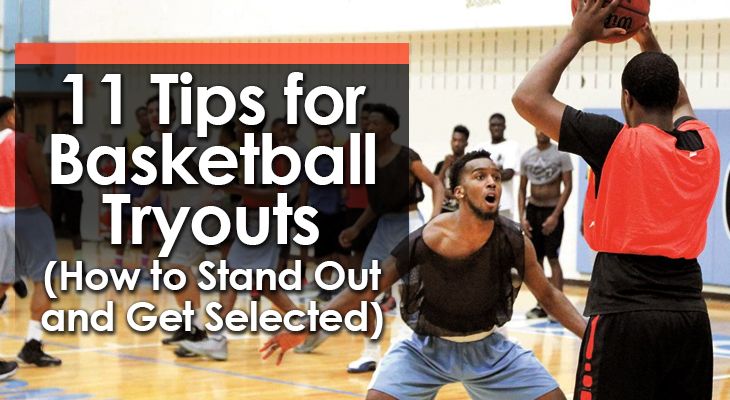
Image Source: www.basketballforcoaches.com
Laying the Foundation: Skills and Drills
Success at any level of basketball starts with a strong foundation of fundamental basketball skills. Tryouts are designed to assess these abilities, so honing them is your first priority.
Mastering the Fundamentals
- Ball Handling: Being comfortable with the ball is non-negotiable. This includes dribbling with both hands, changing pace and direction, crossover dribbles, behind-the-back dribbles, and between-the-legs dribbles. A coach wants to see a player who can control the ball under pressure.
- Shooting: Consistency is key. Practice your jump shot from various spots on the court, including layups, floaters, and three-pointers. Work on your free throws – they can make or break a game. Focus on proper form: balance, elbow in, follow-through.
- Passing: Accurate and timely passing demonstrates court vision and teamwork. Practice chest passes, bounce passes, and overhead passes. Learn to make the “right” pass, not just a pass.
- Defense: Being a strong defender is often more important than being a scoring machine. Work on your stance, footwork, closing out on shooters, staying between your man and the basket, and boxing out for rebounds.
- Rebounding: Both offensive and defensive rebounding are crucial. Understand positioning, timing your jumps, and securing the ball with two hands.
Essential Basketball Drills for Tryout Success
To showcase these skills, you need to practice them through dedicated basketball drills. Here are some essential ones:
Dribbling Drills
- Stationary Dribbling: Pound the ball hard with both hands, alternating between low and high dribbles, crossovers, between-the-legs, and behind-the-back. Focus on keeping your head up.
- Cone Drills: Set up cones and dribble around them, incorporating change of direction and speed. Practice crossover, hesitation, and in-and-out dribbles between cones.
- Full Court Dribbling: Dribble the length of the court, simulating game-like situations. Practice dribbling against imaginary pressure.
Shooting Drills
- Form Shooting: Start close to the basket, focusing solely on your shooting form. Make 5-10 shots from each spot before moving back.
- Spot Shooting: Pick 5-7 spots around the court and shoot a set number of shots (e.g., 10) from each. Track your makes.
- Catch and Shoot: Have a partner pass you the ball or simulate a pass off a wall. Practice catching the ball in rhythm and shooting immediately.
- Free Throw Routine: Develop a consistent routine for your free throws. Shoot them after intense conditioning to simulate game fatigue.
Defensive Drills
- Defensive Slides: Practice sliding laterally with good balance and staying low, covering ground without crossing your feet.
- Close-Out Drills: Start in a defensive stance, sprint to a spot (simulating an offensive player), and chop your feet to maintain balance and control.
- Rebounding Drills: Practice boxing out, jumping, and securing the ball.
The Physical Edge: Conditioning for Basketball
Tryouts are often physically demanding. You’ll be asked to run, jump, and play intensely for extended periods. Therefore, conditioning for basketball is paramount. You need to have the stamina to perform at a high level throughout the entire tryout, not just at the beginning.
Building Endurance and Stamina
- Cardiovascular Training: Running is king. Incorporate long-distance runs, interval training (sprinting followed by jogging), and sprints to build your aerobic and anaerobic capacity.
- Agility Drills: Basketball requires quick changes of direction. Drills like suicides, T-drills, and agility ladder drills improve your footwork and explosiveness.
- Plyometrics: These exercises enhance your explosive power, crucial for jumping, sprinting, and quick movements. Examples include jump squats, box jumps, and lunge jumps.
Strength Training for Basketball Players
While not always the primary focus of a tryout, underlying strength supports your agility, power, and injury prevention.
- Lower Body: Squats, lunges, deadlifts, and calf raises build leg strength for jumping and driving.
- Upper Body: Push-ups, pull-ups, overhead presses, and rows build strength for shooting, passing, and defense.
- Core: A strong core improves balance and power transfer. Planks, Russian twists, and leg raises are excellent choices.
Sample Conditioning Routine (Weekly Focus):
| Day | Focus | Activities |
|---|---|---|
| Monday | Cardiovascular Endurance | 3-mile run, followed by 5 sprints (100m) |
| Tuesday | Agility & Speed | Agility ladder drills, cone drills, suicides |
| Wednesday | Strength Training (Lower) | Squats (3×8), Lunges (3×10 per leg), Calf Raises (3×15) |
| Thursday | Rest or Light Active Recovery | Stretching, foam rolling, light walk |
| Friday | Explosive Power | Box jumps (3×10), Jump squats (3×12), Lunge jumps (3×8 per leg) |
| Saturday | Basketball Drills & Game Simulation | Full court dribbling, shooting drills, 1-on-1, 3-on-3 |
| Sunday | Rest | Complete rest |
This is a sample; adjust based on your current fitness level and the proximity of your tryout.
The Mental Game: Preparation and Psychology
Beyond physical skills and conditioning, mental preparation for basketball is often the deciding factor. Tryouts are high-pressure environments, and how you handle that pressure can define your performance.
Cultivating a Confident Mindset
- Positive Self-Talk: Replace negative thoughts with affirmations. Instead of “I can’t make this shot,” tell yourself, “I’ve practiced this, and I can make it.”
- Visualization: Before the tryout, visualize yourself performing well. See yourself making shots, playing great defense, and communicating effectively. Imagine the sounds, the feelings, and the success.
- Focus on Process, Not Outcome: Concentrate on executing each play and skill to the best of your ability, rather than obsessing over whether you’ll make the team.
- Learn from Mistakes: If you miss a shot or make an error, don’t dwell on it. Acknowledge it, learn from it, and move on to the next play.
- Embrace the Challenge: View tryouts as an opportunity to showcase your abilities, not as a test you might fail.
Dealing with Nerves
- Deep Breathing: When you feel anxious, take slow, deep breaths. Inhale deeply through your nose, hold for a moment, and exhale slowly through your mouth.
- Pre-Tryout Routine: Establish a consistent routine before tryouts that helps you feel calm and focused. This might include listening to music, light stretching, or a quick warm-up.
- Familiarization: If possible, visit the tryout location beforehand to get comfortable with the environment.
Fueling Your Body: Nutrition for Athletes
What you eat significantly impacts your energy levels, focus, and recovery. Nutrition for athletes is a crucial component of preparation.
Pre-Tryout Nutrition
- Hydration: Start hydrating days before the tryout. Drink plenty of water throughout the day. Avoid sugary drinks and excessive caffeine, which can dehydrate you.
- Balanced Meals: Focus on complex carbohydrates for sustained energy (oats, brown rice, whole-wheat bread), lean protein for muscle repair (chicken breast, fish, beans), and healthy fats (avocado, nuts, seeds).
- Avoid Unfamiliar Foods: Stick to foods you know your body tolerates well. Don’t try anything new on the day of the tryout.
- Pre-Game Meal: Eat a balanced meal 2-3 hours before the tryout. This should be rich in carbohydrates and moderate in protein, low in fat and fiber to prevent digestive issues.
During and Post-Tryout Nutrition
- Hydration: Continue to drink water during breaks.
- Post-Tryout Recovery: Within 30-60 minutes after the tryout, consume a meal or snack that combines carbohydrates and protein to replenish glycogen stores and aid muscle repair. Examples include a turkey sandwich, yogurt with fruit, or a protein shake.
Sample Nutrition Timeline for Tryout Day:
| Time | Meal/Snack | Purpose |
|---|---|---|
| Wake-up | Water | Rehydrate after sleep |
| 2-3 hours before | Oatmeal with berries & nuts, or scrambled eggs with whole-wheat toast | Sustained energy, protein |
| 30 mins before | Banana or small handful of almonds | Quick energy, easily digestible |
| During breaks | Water | Hydration |
| Immediately after | Protein shake with fruit, or grilled chicken salad | Muscle recovery, glycogen replenishment |
Navigating the Tryout: Strategy and Expectations
Knowing what to expect and having a basketball tryout strategy will help you perform at your best.
Understanding Coach Expectations Basketball
Coaches look for specific qualities and skills. They want to see:
- Basketball IQ: Do you make smart decisions on the court? Do you know where to be and when? This includes court vision, understanding plays, and making the right passes.
- Coachability: Do you listen to instructions? Do you respond positively to feedback, even if it’s critical? Coaches want players who can learn and adapt.
- Effort and Hustle: Do you give 100% on every play, even if you’re tired or make a mistake? Hustle plays, diving for loose balls, and strong defensive effort are highly valued.
- Teamwork and Communication: Do you talk to your teammates? Do you set screens, help on defense, and celebrate good plays?
- Skill Proficiency: Are your fundamental basketball skills well-developed and consistent?
- Athleticism: While not always the deciding factor, your speed, agility, and jumping ability can certainly help you stand out.
Developing Your Basketball Tryout Strategy
- Be Prepared: This is the overarching strategy. Arrive early, warmed up, and mentally ready.
- Showcase Versatility: If you can play multiple positions or have a diverse skill set, try to demonstrate that. Don’t just stick to one thing if opportunities arise to show other strengths.
- Play Within Your Strengths: While versatility is good, don’t try to be something you’re not. If you’re a great passer, make great passes. If you’re a good shooter, take good shots.
- Communicate: Talk on defense, call for the ball on offense, and communicate during drills.
- Be a Good Teammate: Even in a tryout setting, support your fellow participants. Cheer for them, and avoid negativity.
- Take Initiative: If there’s a loose ball, dive for it. If you see an open teammate, make the pass. Show that you’re engaged and willing to make plays.
- Don’t Get Discouraged: If you have a bad moment, let it go and focus on the next opportunity.
Presentation Matters: What to Wear for Basketball Tryouts
What to wear for basketball tryouts is about comfort, safety, and presenting a professional image.
- Athletic Apparel: Wear comfortable, non-restrictive athletic shorts and a t-shirt or jersey. Choose plain colors (like solid black, white, or team colors if specified) rather than flashy or distracting designs. Coaches often prefer players to wear solid colors so they can easily distinguish them.
- Proper Footwear: Wear well-fitting basketball shoes that provide good ankle support and traction. Ensure they are clean and in good condition.
- Socks: Wear clean athletic socks that provide cushioning and prevent blisters.
- Hair: Tie back long hair securely to keep it out of your face and eyes.
- Jewelry: Remove all jewelry, including earrings, necklaces, bracelets, and watches, for safety reasons.
- No Excessive Gear: Avoid wearing headbands with logos, arm sleeves, or other accessories unless medically necessary. Keep it simple and focused on the game.
The Verdict: Basketball Tryout Evaluation
Coaches use a variety of methods for basketball tryout evaluation. They are looking for a well-rounded player.
How Coaches Evaluate Players
- Drill Performance: They observe how well you execute fundamental skills during specific drills.
- Game Situations: They watch your decision-making, effort, and skill application in scrimmage or game-like scenarios.
- Attitude and Effort: Your energy level, willingness to listen, and hustle are noted.
- Communication: How you interact with coaches and other players is assessed.
- Physical Attributes: Height, speed, strength, and stamina are considered.
- Specific Needs: Coaches might be looking for players to fill particular roles or address weaknesses on their roster.
Basketball Tryout Evaluation Checklist (What Coaches Look For):
| Skill Category | Specific Attributes Evaluated |
|---|---|
| Ball Handling | Dribbling control, dribble security, change of pace/direction, keeping head up |
| Shooting | Form, consistency, range, ability to shoot off the dribble/catch |
| Passing | Accuracy, vision, decisiveness, type of pass (chest, bounce) |
| Defense | Stance, footwork, closing out, on-ball pressure, off-ball awareness, boxing out |
| Rebounding | Positioning, timing, securing the ball |
| Athleticism | Speed, agility, vertical jump, quickness |
| Basketball IQ | Court awareness, decision-making, understanding plays, spacing |
| Effort & Hustle | Playing hard, diving for loose balls, sprinting, defensive intensity |
| Coachability | Listening to instructions, responding to feedback, coachable attitude |
| Teamwork | Communication, helping teammates, unselfish play, positive attitude |
Final Touches: Tips for Tryout Day
Beyond the preparation, here are some essential basketball tryout tips for the day itself:
- Arrive Early: Aim to be at least 15-20 minutes before the official start time. This allows you to check in, get comfortable, and begin your warm-up without feeling rushed.
- Warm-Up Thoroughly: Don’t skip your warm-up. Dynamic stretching, light jogging, and some basketball-specific movements will prepare your body and prevent injuries.
- Stay Hydrated: Keep a water bottle handy and sip water throughout the tryout.
- Listen Carefully: Pay close attention to all instructions from the coaches. If you’re unsure about something, politely ask for clarification.
- Be Enthusiastic: Show your passion for the game. A positive attitude is infectious and makes you a more desirable player.
- Make Eye Contact: When coaches are speaking, make eye contact. This shows you are engaged and attentive.
- Know Your Number: Many tryouts use numbered pinnies. Make sure you know yours and wear it proudly.
- Don’t Be Afraid to Make Mistakes: Everyone makes mistakes. What matters is how you respond to them.
- Be Yourself: While you want to impress, also let your personality and natural playing style shine through.
Frequently Asked Questions (FAQ)
Q1: How early should I arrive for basketball tryouts?
A1: Arrive at least 15-20 minutes before the scheduled start time. This gives you ample time to check in, find a spot, and begin your warm-up without feeling rushed.
Q2: What if I’m not the most naturally gifted player?
A2: Coaches often value hard work, a great attitude, and coachability as much as raw talent. Focus on showcasing your effort, hustle, fundamental skills, and willingness to learn. Your dedication can make a significant difference.
Q3: Should I communicate with coaches before the tryout?
A3: If there’s a specific reason, like a prior injury or a conflict, it’s professional to inform the coach or organizer. Otherwise, focus your energy on preparation. During the tryout, make your communication on the court speak for itself.
Q4: What if I get tired during the tryout?
A4: Proper conditioning is key to preventing fatigue. However, if you feel tired, focus on your breathing and try to maintain good form and effort. Coaches notice players who push through fatigue.
Q5: Is it okay to talk to other players during the tryout?
A5: Positive encouragement is fine, but avoid excessive chatter that could be distracting. Focus your energy on the drills and any on-court communication necessary for the game.
By following these guidelines, you’ll not only be prepared for basketball tryouts but also equipped to perform at your highest level. Good luck!