
What is a basketball coach? A basketball coach is a leader responsible for guiding and developing a basketball team, teaching players skills, strategy, and teamwork to achieve success. Can you become a basketball coach without playing experience? Yes, you can become a basketball coach without playing experience, though playing experience can be beneficial. Who is the best basketball coach? The “best” basketball coach is subjective and depends on various factors like winning records, player development, and impact on the game, with names like Phil Jackson, Gregg Popovich, and Geno Auriemma often cited.
Becoming a basketball coach is a rewarding journey that blends passion for the game with leadership and a knack for developing talent. It’s more than just drawing up plays; it’s about inspiring young athletes, fostering a positive team culture, and guiding individuals to reach their full potential. Whether you’re aiming for youth basketball coaching or aiming for higher levels, mastering basketball coaching skills is paramount. This in-depth guide will walk you through the essential steps and strategies for effective basketball coaching.
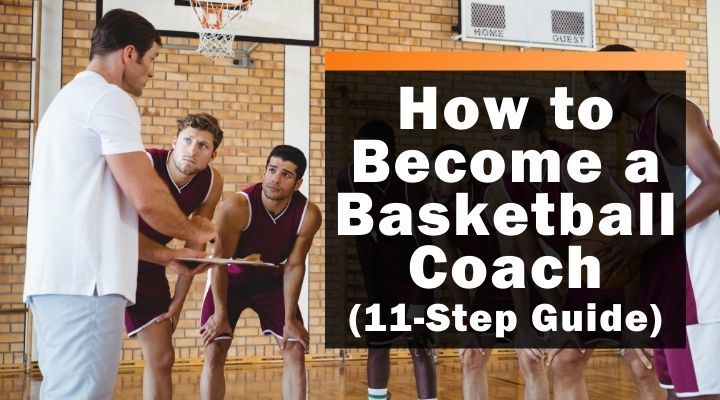
Image Source: www.basketballforcoaches.com
Laying the Foundation: Core Coaching Principles
At its heart, effective basketball coaching is about more than wins and losses. It’s about building character, teaching valuable life lessons, and creating a supportive environment.
Deciphering Coaching Philosophy
Every great coach has a distinct coaching philosophy. This is your guiding belief system that shapes how you approach the game, your players, and your team’s development. It’s about defining your values and how you want to instill them.
- Player Development: Do you prioritize individual skill growth or team-oriented play?
- Winning vs. Development: Is the primary goal to win now, or to build a program for long-term success?
- Discipline and Effort: What are your non-negotiables when it comes to player conduct and commitment?
- Communication Style: How will you communicate expectations, feedback, and motivation?
A clear philosophy ensures consistency in your coaching and helps players understand what’s important.
Developing Essential Basketball Coaching Skills
Becoming a basketball coach requires a diverse set of skills that extend beyond X’s and O’s.
- Technical Skill Instruction: The ability to teach fundamental basketball skills like dribbling, shooting, passing, and defense.
- Tactical Knowledge: A deep grasp of offensive and defensive schemes, game strategy, and in-game adjustments.
- Communication: Clear, concise, and motivational communication with players, parents, and staff. This includes active listening.
- Leadership: Inspiring and guiding a team towards a common goal, setting a positive example.
- Motivation: The capacity to keep players engaged, driven, and resilient, especially during challenging times.
- Organizational Skills: Efficiently planning practices, managing schedules, and coordinating team logistics.
- Problem-Solving: Quickly identifying issues on and off the court and finding effective solutions.
- Patience and Empathy: Recognizing that players develop at different rates and understanding their perspectives.
Grasping the Fundamentals of Coaching a Basketball Team
To be an effective coach, you must first master the art of managing and guiding a basketball team. This involves understanding individual needs while fostering collective strength.
- Building Team Chemistry: Creating a cohesive unit where players trust and support each other.
- Setting Expectations: Clearly defining team rules, performance standards, and conduct policies.
- Managing Player Personalities: Understanding that each player is unique and requires a tailored approach.
- Conflict Resolution: Addressing disagreements or issues between players or with staff promptly and fairly.
- Creating a Positive Environment: Fostering a culture of respect, hard work, and mutual encouragement.
Crafting Your Coaching Strategy: From Practice to Game Day
Developing effective basketball coaching strategies is key to maximizing your team’s potential. This involves meticulous planning and intelligent decision-making.
Building Effective Basketball Practice Plans
Practice is where the magic happens. A well-structured practice plan is the backbone of developing basketball players.
Core Components of a Practice Plan:
- Warm-up (10-15 minutes): Dynamic stretching, light cardio, and ball-handling drills to prepare the body and mind.
- Skill Development (20-30 minutes): Focused drills targeting specific fundamental skills (e.g., shooting form, dribbling moves, passing accuracy).
- Team Drills (20-30 minutes): Implementing offensive sets, defensive rotations, transition play, and situational plays.
- Conditioning (5-10 minutes): Incorporating basketball-specific conditioning exercises.
- Cool-down (5 minutes): Static stretching and a brief team huddle.
Example Basketball Practice Plan Focus: Ball Handling & Dribbling
| Time | Activity | Objective | Key Coaching Points |
|---|---|---|---|
| 0-10 min | Dynamic Warm-up & Ball Slaps | Activate muscles, improve coordination | Keep eyes up, control the ball, full range of motion |
| 10-25 min | Stationary Dribbling Drills | Develop control, hand strength | Pound dribble, crossover, between-the-legs, behind-back |
| 25-40 min | Dribbling with Movement | Integrate dribbling into game-like situations | Change of pace, change of direction, protect the ball |
| 40-55 min | Dribbling Games (e.g., Knockout) | Fun application, pressure dribbling | Aggressive dribbling, quick reactions, court awareness |
| 55-60 min | Cool-down & Recap | Recovery, reinforce learning | Proper technique, importance of ball security |
Basketball Drills for Player Development
- “Two-Ball Dribbling”: Enhances hand-eye coordination and dribbling confidence.
- “Mirror Dribbling”: Improves reaction time and dribbling under pressure.
- “Form Shooting”: Focuses on proper shooting mechanics from stationary positions.
- “Shooting off the Dribble”: Teaches players to create their own shot.
- “Closeout Drills”: Teaches proper defensive footwork and pressure.
- “Shell Drill”: A fundamental defensive drill focusing on team rotations and communication.
Implementing Basketball Coaching Strategies
Beyond practice, strategic thinking is crucial for game day success.
Offensive Strategies:
- Fast Break: Transitioning quickly from defense to offense to exploit numerical advantages.
- Set Plays: Predetermined offensive actions designed to create scoring opportunities against specific defenses.
- Motion Offense: A fluid offense that emphasizes player movement, passing, and cutting to create open shots.
- Pick and Roll: A fundamental two-player offensive action that aims to create mismatches and scoring opportunities.
Defensive Strategies:
- Man-to-Man Defense: Each defender is assigned to guard a specific offensive player.
- Zone Defense: Defenders are responsible for guarding specific areas of the court. Common zones include 2-3, 3-2, and 1-3-1.
- Press Defenses: Applying defensive pressure all over the court to force turnovers and disrupt offensive flow. This can be man-to-man or zone.
- Transition Defense: Quickly getting back to protect the basket after a missed shot or turnover.
Adapting Strategies for Different Levels of Play
Youth basketball coaching requires a different approach than coaching a high school or collegiate team.
- Youth Level:
- Focus: Skill development, fun, teaching fundamentals, positive reinforcement.
- Strategies: Simplified plays, emphasis on effort and sportsmanship, patience with learning curves.
- Drills: More repetition, game-like drills with less complex rules.
- High School Level:
- Focus: Developing more advanced strategies, building team cohesion, competitive success.
- Strategies: Introducing more complex offensive and defensive schemes, conditioning, tactical adjustments.
- Drills: Higher intensity, more game-specific scenarios, tactical breakdowns.
- Collegiate/Professional Level:
- Focus: Advanced tactical execution, intricate game planning, maximizing player strengths.
- Strategies: Sophisticated offensive and defensive systems, detailed scouting reports, mental toughness.
- Drills: Highly specialized, focusing on minute details and countering specific opponent tendencies.
Mastering Player Development
Effective basketball coaching is intrinsically linked to developing basketball players as individuals and as a team.
Fostering Individual Growth
- Skill Assessment: Regularly evaluate each player’s strengths and weaknesses.
- Personalized Feedback: Provide constructive criticism tailored to each player’s needs.
- Goal Setting: Work with players to set realistic individual improvement goals.
- Off-Court Development: Encourage good study habits, nutrition, and physical conditioning.
Cultivating Teamwork and Chemistry
- Promote Communication: Encourage players to talk to each other on the court and during practices.
- Shared Responsibilities: Emphasize that success is a collective effort.
- Team-Building Activities: Organize activities outside of practice to strengthen bonds.
- Celebrate Successes: Acknowledge and celebrate team achievements, big or small.
Navigating the Coaching Landscape
Becoming a basketball coach involves more than just the on-court aspects. There are administrative, ethical, and continuous learning components.
Building Your Coaching Resume and Gaining Experience
- Volunteer Coaching: Start with youth leagues or local community teams.
- Assistant Coaching: Work under experienced coaches to learn different styles and strategies.
- Clinics and Workshops: Attend coaching clinics to expand your knowledge base.
- Mentorship: Seek guidance from experienced coaches.
Legal and Ethical Considerations
- Background Checks: Essential for working with any age group.
- Certification: Many organizations require coaching certifications.
- Sportsmanship: Upholding the highest standards of integrity and respect for opponents, officials, and the game.
- Player Safety: Prioritizing the health and well-being of your athletes.
The Continuous Learning Journey
The game of basketball is always evolving. Staying current is crucial for effective basketball coaching.
- Study the Game: Watch professional and collegiate games with a critical eye.
- Read Books and Articles: Continuously seek knowledge from reputable sources.
- Attend Coaching Conferences: Network with peers and learn from experts.
- Seek Feedback: Be open to constructive criticism from players, staff, and even parents.
Frequently Asked Questions (FAQ)
- Q: What are the most important basketball coaching tips for beginners?
A: Focus on fundamentals, be patient, communicate clearly, create a positive environment, and be organized. - Q: How can I improve my basketball practice plans?
A: Ensure a balance of skill work, team drills, and conditioning. Keep practices engaging and focused. Get feedback from players on what they find helpful. - Q: What’s the difference between coaching youth basketball and higher levels?
A: Youth coaching emphasizes fun and basic skill development, while higher levels focus more on advanced strategy, competition, and specialized training. - Q: How do I handle difficult players or parents?
A: Address issues calmly and directly. Set clear expectations and boundaries. Focus on behavior, not personality. Maintain professionalism at all times. - Q: Is it important to have a specific coaching style?
A: Yes, developing a coaching philosophy and style helps create consistency and a clear direction for your team. However, flexibility is also key.
Becoming a basketball coach is a challenging yet immensely fulfilling endeavor. By focusing on developing your basketball coaching skills, creating sound basketball practice plans and basketball coaching strategies, and prioritizing player development, you can become an effective and impactful coach who makes a real difference in the lives of your players and the success of your team. The journey of becoming a basketball coach is one of continuous learning and dedication, a path paved with passion for the game and a commitment to growth.