
The 3-second violation in basketball occurs when an offensive player remains in the opponent’s restricted area (the “paint” or “key”) for more than three consecutive seconds. Can I avoid the 3-second violation by simply moving out of the paint? Yes, moving out of the restricted area before the three seconds are up will negate the violation. This rule primarily targets offensive players, but defensive players can also cause confusion and potentially draw attention to themselves if they are not positioned correctly, though the direct 3-second violation applies only to the offense.
This article will delve deep into how players can prevent the 3-second violation, focusing heavily on defensive principles that indirectly support offensive spacing and rule adherence. While the violation is offensive, a strong defensive presence and smart positioning can disrupt the offense’s ability to operate within the paint and force them to adhere to the rule. We’ll cover everything from fundamental positioning to advanced strategies.
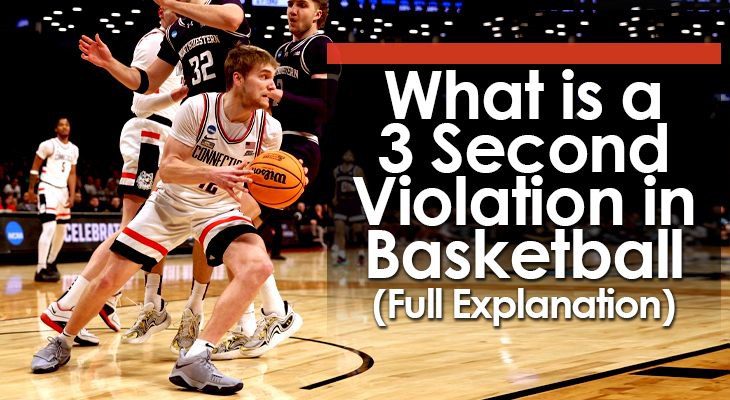
Image Source: www.basketballforcoaches.com
Deciphering the 3-Second Rule: More Than Just Offense
While the 3-second violation is technically an offensive foul, a skilled defensive player can significantly impact an opponent’s ability to exploit this rule. By applying consistent defensive pressure and maintaining proper spacing, defenders can force offensive players to move, thereby preventing them from lingering in the paint.
What is the restricted area in basketball? The restricted area is the semi-circular space under the basket, typically marked by a different color paint. It’s specifically designed to prevent defensive players from camping out too close to the basket without actively guarding an offensive player, but the offensive 3-second rule applies to any offensive player in this area.
Offensive Strategy Avoiding Violation
The core of avoiding the 3-second violation lies with the offensive players. However, defensive actions directly influence offensive decisions.
- Spacing is Key: Offensive players must constantly be aware of their positioning. Moving into the paint and then out again resets the count. Coaches often emphasize “cutting through” the paint rather than lingering.
- Ball Movement: Quick ball movement is crucial. If the ball is passed to a player in the paint who then holds it for too long, the violation is likely. Sharp passes and immediate action are vital.
- Pick-and-Roll Awareness: When a screen is set, the screener must be mindful of their time in the paint. If they roll to the basket, they need to be ready to receive a pass and make a play or move out quickly.
Common Backcourt Errors
While not directly related to the 3-second violation, understanding other backcourt rules helps paint a clearer picture of positional awareness and transitions.
- Basketball Backcourt Violation: This occurs when the offensive team brings the ball across half court and then a player on that team touches the ball in the backcourt. Once the ball crosses the half-court line, the offensive team has 10 seconds to advance it to the frontcourt. If they fail to do so, it’s a violation.
- Receiving Pass in Backcourt: Similarly, if a player receives a pass while their feet are in the backcourt and then steps into the frontcourt, that’s legal. However, if they receive the pass in the backcourt and then step back into the backcourt with the ball, it’s a backcourt violation.
- Dribbling Out of Bounds: A player dribbling the ball and stepping out of bounds with possession commits a turnover. This is a fundamental error in ball handling and positional awareness.
These backcourt violations highlight the importance of knowing where you are on the court and what the rules are regarding ball possession and movement.
Mastering Defense to Support Offensive Spacing
While the 3-second violation is an offensive rule, the best defense indirectly helps enforce it by making it harder for the offense to operate comfortably in the paint.
Defensive Pressure Backcourt
Applying effective defensive pressure backcourt forces the offensive team to use more time to advance the ball. This can disrupt their offensive rhythm and make it harder for players to find comfortable spots in the paint without being rushed.
- Denying the Pass: Defenders in the backcourt should deny easy passes to offensive players trying to bring the ball up. This forces longer passes or dribble penetration, consuming valuable game clock.
- Trapping: Strategically trapping the ball handler in the backcourt can force turnovers or quick, errant passes.
- Full-Court Press: A well-executed full-court press can wear down the opponent and force them into mistakes, including potential 3-second violations when they eventually set up their offense.
Positioning and Help Defense
Defenders in the frontcourt play a critical role in preventing offensive players from exploiting the paint.
- “See Ball, See Man”: This classic defensive principle means defenders should always have a clear view of both the ball and their assigned offensive player. This allows them to react quickly to cuts or drives.
- Zone Defense: In a zone defense, players are responsible for guarding an area rather than a specific player. This can make it easier to cover the paint and discourage offensive players from lingering. Defenders in the paint need to be active, not static.
- Help-Side Defense: When a teammate is beaten by a dribble penetration, the nearest defender should “help” by stepping into the passing lane or cutting off the driving lane. This forces the offensive player to make a decision quickly and often prevents them from settling into the paint.
Coaching Tips Backcourt Rule and General Awareness
Coaches play a vital role in educating players about all rules and how defensive play can influence them.
- Drills for Spacing: Coaches should incorporate drills that emphasize spacing and quick ball movement on offense, and defensive rotations that punish poor spacing.
- Awareness of the Shot Clock: While the 3-second rule is separate, a general awareness of the shot clock is important. Offensive players often try to get into the paint as the shot clock winds down, increasing the risk of a violation.
- Communication: Constant communication between defenders is essential. Calling out screens, cuts, and players in the paint helps everyone stay organized and aware.
Tactical Approaches to Deterring the 3-Second Violation
The interplay between offense and defense is dynamic. Here’s how defensive strategies can directly impact an offense’s adherence to the 3-second rule.
Applying Pressure on the Perimeter
When offensive players are receiving the ball on the perimeter, defenders should apply significant pressure. This makes it harder for them to make a quick pass into the paint or to dribble into the paint without immediate defensive attention.
- Denial Defense: Defenders on the perimeter should play “denial” defense, positioning themselves between their assigned player and the basket, making it difficult for them to receive a pass in a position to easily enter the paint.
- Face-Guarding: While more aggressive, a face-guard can be used on a player who is a primary threat to operate in the paint, forcing them to move and actively seek the ball.
Defending the Post Player
Post players are often the ones most likely to be in the paint for extended periods.
- Fronting the Post: A defender can “front” the post player, meaning they position themselves between the offensive player and the basket. This prevents the entry pass into the post. If the pass is made over the top, the defender can immediately apply pressure.
- “One and Done” Mentality for Post Entry: When the ball is entering the paint to a post player, the defense should aim to disrupt the pass or force the player to make an immediate move. They shouldn’t have the luxury of receiving the ball and surveying the court.
Transition Defense
The pace of the game can lead to breakdowns. Transition defense is crucial.
- Transitioning the Ball: When the ball is being brought up the court, defensive players should sprint back and establish defensive positions. Failure to do so can allow offensive players to get deep into the paint before the defense is set.
- “Load Up” Defense: In transition, defenders should “load up” on the ball side of the floor, helping to stop penetration. This often means leaving the weak side slightly open but is crucial for preventing easy drives into the paint.
Common Defensive Mistakes that Enable 3-Second Violations
Even with the best intentions, defenders can make errors that inadvertently help the offense.
- Bailing Out the Offense: If a defender is too passive or hesitant to challenge an offensive player, they might allow the offensive player to get into the paint and establish a position without immediate threat, effectively “bailing them out” of a potential violation.
- Over-Helping: While help defense is important, over-helping can leave offensive players in the paint open for passes or rebounds. Defenders need to be aware of their responsibilities and when to rotate back to their original assignment.
- Getting Caught Watching the Ball: Defenders must maintain awareness of their man. If a player cuts into the paint while the defender is only watching the ball handler, they can easily get lost and remain in the paint unchecked for too long.
The Role of Scouting and Game Preparation
Scouting the opponent is a vital part of defensive strategy.
- Identifying Offensive Tendencies: Knowing which offensive players tend to linger in the paint can help a coach devise specific defensive strategies to counter them. This might involve more aggressive post defense or trapping.
- Recognizing Set Plays: Some offensive plays are designed to get players into the paint. Recognizing these plays allows defenders to be proactive and disrupt them before they develop.
Advanced Defensive Strategies and Their Impact
Beyond basic positioning, more sophisticated defensive tactics can influence offensive players’ adherence to the 3-second rule.
Zone Blitzes and Traps
While typically associated with passing lanes, aggressive traps can be implemented to disrupt offensive flow in the paint.
- Double-Teaming in the Paint: If an offensive player receives the ball in the paint and holds it, a quick double-team from a nearby defender can force a quick pass or a turnover, negating any chance of a 3-second violation. This requires excellent rotation from the remaining defenders.
- “Chase” Defenses: In some zone defenses, especially against teams with dominant post players, a “chase” approach can be used. Defenders actively pursue the ball handler or the player in the paint, making it uncomfortable for them to establish a stable position.
Off-Ball Defensive Pressure
The focus shouldn’t solely be on the ball handler.
- Cutting Off Baseline Drives: Defenders guarding players on the wing or baseline need to prevent easy drives into the paint. Cutting off the baseline forces penetration towards the help defense and can disrupt offensive flow.
- “Smothering” Passes: Defenders in passing lanes should be aggressive in deflecting or intercepting passes, especially those aimed into the paint. This not only leads to turnovers but also forces offensive players to be more cautious about their positioning.
Putting It All Together: A Defensive Mindset for Offensive Compliance
The most effective way to avoid the 3-second violation on offense is to have a defense that makes it difficult for them to stay there.
- Active Feet, Active Hands: Defenders should have active feet, constantly moving and adjusting their position. Active hands are also crucial for deflecting passes and disrupting dribbles.
- Anticipation: Great defenders anticipate what the offense is trying to do. They look for players cutting into the paint and are ready to intercept or disrupt them.
- Communication and Trust: A defense that communicates well and trusts each other to rotate and help is far more effective. This prevents individual defensive lapses that can lead to open players in the paint.
Dribbling Out of Bounds: A Defensive Caused Turnover?
While seemingly unrelated, a defense that applies relentless pressure can force ball handlers to make mistakes, including dribbling out of bounds. When a defense is so suffocating that it forces the offensive player to be hyper-aware of their surroundings, the risk of stepping out of bounds increases. This aggressive defensive pressure can indirectly contribute to offensive players being more careful and potentially moving out of the paint to avoid other defensive pitfalls.
Passing Across Half Court and Receiving Pass in Backcourt
These backcourt violations underscore the importance of ball control and positional awareness. A strong defensive team that pressures the ball handler as they attempt to cross half court can force them into difficult decisions, potentially leading to a backcourt violation. Similarly, when trying to receive a pass in the backcourt, a defender’s tight coverage can make it difficult to secure the ball cleanly, increasing the chance of a fumble or stepping out of bounds.
Frequently Asked Questions (FAQ)
Q1: Does the 3-second violation apply to defensive players?
A1: No, the 3-second violation specifically targets offensive players lingering in the restricted area for more than three seconds. Defensive players have their own rules about staying in the paint (like the 3-second rule for defense, which has different parameters and is often about facilitating contact).
Q2: What happens if an offensive player is in the paint for exactly three seconds?
A2: The rule states “more than three seconds.” So, being in the paint for exactly three seconds is legal. The violation occurs at the moment the fourth second begins.
Q3: How can a player reset the 3-second count?
A3: An offensive player can reset the count by moving their feet completely out of the restricted area. If they are holding the ball, they must also move their feet. A pass into the paint does not reset the count for the receiver; they are responsible for their own timing.
Q4: Are there exceptions to the 3-second rule?
A4: Yes. A player is allowed to be in the paint for longer than three seconds if they are actively dribbling the ball in the paint or if they are in the process of shooting the ball. However, the moment they stop dribbling or receiving a pass, the clock starts.
Q5: How does bringing the ball across half court relate to the 3-second rule?
A5: While distinct, both rules involve positional awareness and timing. Bringing the ball across half court is part of transitioning the ball into the frontcourt, and offensive players must be mindful of spacing and movement once in the frontcourt to avoid violations like the 3-second rule.
Q6: Can defense intentionally try to force an offensive player into a 3-second violation?
A6: While a defense can play aggressively and deny players space, directly “forcing” a 3-second violation isn’t typically a primary defensive strategy. The goal is to play good defense that makes it uncomfortable for the offense to stay in the paint, which naturally leads to fewer violations.
By focusing on strong, active defense, players can indirectly help their team avoid offensive penalties like the 3-second violation, while also disrupting the opponent’s offensive flow. This holistic approach to the game, where defense directly impacts offensive execution, is key to basketball success.