
Image Source: i.ytimg.com
How Tight Should Basketball Shoes Be For Comfort?
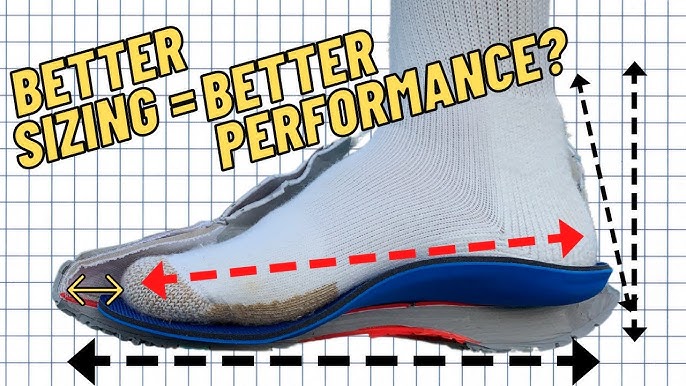
The ideal tightness for basketball shoes is a snug fit that cradles your foot without causing any pinching or discomfort, allowing for optimal basketball shoe performance. This means your heel shouldn’t slip, your toes should have a little room to wiggle but not so much that they slide around, and the shoe should feel secure during quick movements.
Achieving the Perfect Basketball Shoe Fit
Finding the right fit for your basketball shoes is crucial for both comfort and performance. It’s not just about picking a size; it’s about how that size interacts with your foot’s unique shape and your playing style. A shoe that’s too loose can lead to blisters, reduced stability, and decreased agility. Conversely, a shoe that’s too tight can cause foot pain, numbness, and even long-term foot problems. The goal is to strike a balance, ensuring your basketball shoe comfort is paramount while still achieving the necessary basketball shoe lockdown for dynamic play.
Decoding Basketball Shoe Snugness
Basketball shoe snugness refers to how closely the shoe conforms to the shape of your foot. When you first try on basketball shoes, they should feel secure. This means there should be no significant movement of your foot inside the shoe when you walk, jog, or make quick lateral movements. However, “snug” does not mean “tight.” A properly snug shoe will feel like a natural extension of your foot, offering support and control without restricting blood flow or causing pressure points.
The Importance of Basketball Shoe Lockdown
Basketball shoe lockdown is arguably the most critical aspect of a basketball shoe’s fit. This term describes how well the shoe holds your foot in place, preventing unwanted movement within the shoe. Excellent lockdown is achieved through a combination of the shoe’s lacing system, the materials used in its construction, and the overall design. When you have great lockdown, your foot feels securely anchored, which is essential for explosive movements like jumping, cutting, and changing direction. Without proper lockdown, you risk:
- Slipping: Your foot sliding forward in the shoe during hard stops or backward during takeoffs.
- Instability: A feeling of wobbliness, especially during lateral movements.
- Reduced Control: Less precise footwork due to the shoe not moving with your foot.
- Increased Risk of Injury: Ankles and feet are more prone to sprains and other injuries when not properly supported.
Fathoming the Ideal Basketball Shoe Tightness Level
The optimal basketball shoe tightness level is one where the shoe feels secure and supportive, but not constricting. Think of it as a firm handshake for your feet.
- Toe Box: You should have enough space to wiggle your toes slightly. This allows for natural foot expansion during activity and prevents your toes from jamming into the front of the shoe on hard stops. A good rule of thumb is to have about a thumb’s width of space between your longest toe and the front of the shoe when standing.
- Midfoot: The shoe should hug your midfoot comfortably, providing support without feeling like it’s squeezing too hard. The laces should distribute pressure evenly across the top of your foot.
- Heel: Your heel should feel secure and stay put when you walk or make quick movements. There should be no noticeable slippage up and down at the back of the shoe.
Navigating Basketball Shoe Sizing
Basketball shoe sizing can sometimes be tricky. Different brands and even different models within the same brand can fit differently. Here’s how to approach basketball shoe sizing for the best outcome:
- Measure Your Feet: The most accurate way to determine your size is to measure your feet at the end of the day, as feet tend to swell slightly throughout the day. Stand on a piece of paper and trace the outline of your foot. Measure the length from your heel to your longest toe and the width at the widest part of your foot.
- Consult Size Charts: Once you have your measurements, compare them to the brand’s specific size chart. Remember that US, European, and UK sizing systems differ.
- Consider Foot Shape: Some people have wider or narrower feet than average. If you have wider feet, you might need to go up half a size or look for brands that offer wide options. If you have narrower feet, you might find that standard widths are too loose.
- Try Them On: Whenever possible, try on shoes before buying. Wear the type of socks you typically wear for basketball.
- The Test Drive: Walk around, jog in place, and do some quick side-to-side movements. Pay attention to any pressure points, rubbing, or slippage.
The Role of Materials in Basketball Shoe Fit
The materials used in basketball shoes play a significant role in how they fit and feel.
- Uppers:
- Leather: Can be durable and mold to the foot over time, but might require more time to break in.
- Synthetic Leather/Mesh: Often lighter and more breathable, and can offer a more immediate snug fit.
- Knit Uppers: Provide a sock-like feel, offering flexibility and a glove-like fit, but can sometimes offer less lateral support if not designed carefully.
- Midsole: The cushioning material (e.g., EVA, foam, air units) affects the overall feel and responsiveness, but doesn’t directly impact tightness.
- Outsole: Primarily responsible for basketball shoe grip, the outsole’s flexibility can indirectly affect how the shoe moves with your foot.
How to Break In Basketball Shoes for Optimal Comfort
Even with the best initial fit, some basketball shoes might feel a little stiff at first. Breaking them in can significantly improve basketball shoe comfort.
Gentle Break-In Methods:
- Wear Them Around the House: Start by wearing your new basketball shoes for short periods around your home. This allows the materials to begin molding to your feet without the stress of intense activity.
- Light Activity: Progress to light activities like walking or gentle jogging. This helps to stretch the shoes naturally and identify any potential pressure points before you hit the court.
- Lacing Techniques: Experiment with different lacing techniques. Sometimes, loosening the laces in certain areas or using a different lacing pattern can relieve pressure points. You might lace them slightly looser around the ankle or tighter over the forefoot, depending on your foot’s needs.
- Targeted Stretching (Use with Caution): For very specific tight spots, you might consider gently stretching that area. This can be done by flexing the shoe manually or using a shoe stretcher. However, be careful not to overstretch, as this can damage the shoe’s structure.
What to Avoid During Break-In:
- Intense Play Immediately: Don’t wear brand-new, stiff shoes for a full-game or intense practice. This is a recipe for blisters and discomfort.
- Over-Stretching: Avoid trying to force the shoes to stretch by stuffing them with socks for prolonged periods, as this can distort their shape.
Common Fit Issues and Solutions
Even with the best intentions, you might encounter fit issues. Here’s how to address them:
Too Tight:
- Symptoms: Pinching, numbness, red marks on your feet after wearing.
- Solutions:
- Loosen Laces: Ensure you’re not lacing the shoes too tightly.
- Thinner Socks: Try wearing thinner socks, especially if you tend to swell.
- Targeted Stretching: Focus on specific tight areas if you can identify them.
- Consider Half Size Up: If tightness persists across the board, the shoes might simply be too small.
Too Loose:
- Symptoms: Foot slides inside the shoe, heel slippage, difficulty maintaining stability.
- Solutions:
- Lace Tighter: Make sure you are using the lacing system effectively to cinch the shoe down.
- Heel Lock Lacing: This technique uses the last eyelets to create a secure “lock” around your ankle, preventing heel slippage.
- Insoles/Orthotics: Adding an aftermarket insole or orthotic can take up some volume and improve the fit.
- Thicker Socks: Wearing thicker basketball socks can help fill the extra space.
- Consider Half Size Down: If your foot moves excessively even with the laces tight, the shoes might be too big.
Heel Slippage:
- Symptoms: Your heel lifts up and down inside the shoe when you walk or run.
- Solutions:
- Heel Lock Lacing (as mentioned above): This is often the most effective solution.
- Ensure Proper Arch Support: If the arch support in the shoe doesn’t match your foot, it can create a void that leads to heel slippage.
- Check Shoe Width: Sometimes, heel slippage is due to the shoe being too wide overall.
Toe Box Too Tight or Too Loose:
- Too Tight: Toes feel cramped, jammed, or numb.
- Solutions: Relace for more forefoot room, consider thinner socks, or try a half size up.
- Too Loose: Toes slide forward and hit the front of the shoe, or you have excessive space.
- Solutions: Lace tighter, use insoles, or consider a half size down.
The Interplay Between Fit and Basketball Shoe Performance
A proper basketball shoe fit directly impacts your ability to perform at your best.
- Agility: When your shoes fit well, you can make quick cuts and changes of direction with confidence, knowing your feet are securely planted.
- Jumping: Good lockdown and a snug fit ensure that your energy is transferred efficiently from your legs to the court, maximizing your vertical leap.
- Defense: The ability to stay in a low defensive stance and move laterally without your feet slipping within the shoe is paramount.
- Basketball Shoe Grip: While the outsole is the primary component for grip, a shoe that fits poorly can hinder your ability to utilize that grip effectively. If your foot is slipping, you’re not applying the full force of your push-off onto the court.
Why Basketball Shoe Lockdown is King
Let’s reiterate the critical nature of basketball shoe lockdown. Imagine trying to drive a car with a loose steering wheel – control is compromised, and the experience is frustrating and dangerous. Similarly, a basketball player whose feet are sliding inside their shoes will struggle with precision, power, and stability.
A well-executed basketball shoe lockdown means:
- Secure Foundation: Your foot is a stable platform for all basketball movements.
- Efficient Energy Transfer: Force generated by your muscles is effectively transmitted to the court.
- Reduced Risk of Blisters and Abrasions: Less friction between your foot and the shoe’s interior.
- Enhanced Confidence: You can push your limits without worrying about your footwear failing you.
Adapting Fit for Different Playing Styles
Different players might have slightly different needs when it comes to how tight their basketball shoes should be.
- Guard: Guards often rely on quick, explosive movements, sharp cuts, and rapid changes of direction. They need exceptional lockdown and a snug fit to ensure their feet are always connected to the court. A slightly tighter fit in the midfoot can provide this responsiveness.
- Forward/Wing: Players in these positions often combine elements of guard play with more power and contested finishes. A secure fit is still crucial, but they might tolerate a slightly more forgiving fit in the toe box to allow for foot expansion during longer periods of play.
- Big Man: Big men generally require more ankle support and stability. While a snug fit is important throughout, they might prioritize a secure heel lock and a robust lacing system that offers a very secure, non-slipping feel, even if it means a slightly firmer initial fit.
Common Misconceptions About Basketball Shoe Tightness
- “Tighter is Always Better”: This is false. Overly tight shoes restrict blood flow, cause pain, and can actually hinder performance and increase injury risk.
- “They Should Be Painfully Tight Initially”: While some break-in is expected, shoes that cause significant pain from the start are likely not the right fit.
- “All Shoes of the Same Size Fit the Same”: As mentioned, brands and models vary. Always check the fit of each individual shoe.
The Long-Term Impact of a Poor Fit
Wearing basketball shoes that are consistently too tight or too loose can have several negative consequences:
- Foot Pain: Blisters, corns, calluses, bunions, plantar fasciitis.
- Ankle Sprains: Lack of proper support can make you more susceptible.
- Toe Injuries: Hammer toes, ingrown toenails, bruised toenails.
- Reduced Performance: Discomfort and instability will inevitably impact your game.
- Altered Gait: Your body might compensate for the poor fit, leading to problems in other joints like knees and hips.
Frequently Asked Questions (FAQ)
-
Q: How much space should I have in the toe box of my basketball shoes?
A: You should have about a thumb’s width of space between your longest toe and the front of the shoe when standing. Your toes should be able to wiggle slightly without sliding forward. -
Q: Should my heel slip at all in new basketball shoes?
A: Ideally, no. A properly fitting basketball shoe should have minimal to no heel slippage. If your heel lifts significantly, the shoe is likely too loose or you need to adjust your lacing. -
Q: Can I wear my basketball shoes for casual wear?
A: While you can, basketball shoes are designed for specific athletic movements. Wearing them for casual wear won’t necessarily hurt them, but they might not be as comfortable as dedicated casual shoes, and you won’t be utilizing their performance features. -
Q: How long does it typically take to break in basketball shoes?
A: It varies depending on the materials. Some shoes might feel comfortable right away, while others made with stiffer materials could take anywhere from a few hours of wear to a couple of weeks of light use to break in fully. -
Q: What if one foot is slightly larger than the other?
A: Measure both feet and fit the shoe to your larger foot. You can then use lacing techniques or insoles to snug up the shoe on your smaller foot if necessary. -
Q: Does the type of sock matter for basketball shoe fit?
A: Yes, absolutely. Always try on basketball shoes with the same thickness of socks you plan to play in. Basketball-specific socks are often thicker and provide extra cushioning and moisture-wicking.
In conclusion, finding the right tightness for your basketball shoes is a balance between a secure, supportive feel and a lack of painful constriction. Prioritize proper basketball shoe sizing, pay attention to the nuances of basketball shoe snugness, and ensure you achieve excellent basketball shoe lockdown for optimal basketball shoe performance and long-lasting basketball shoe comfort.