
So, how tall is an NBA hoop? The official NBA basketball hoop height is exactly 10 feet from the playing surface to the top edge of the rim. This consistent measurement applies universally across all professional NBA games, ensuring a standardized challenge for every athlete. This isn’t just an arbitrary number; it’s a foundational element of the sport, deeply influencing strategy, player development, and the very spectacle of the game.
The NBA basketball hoop height has remained a constant for decades, a fixture in the architecture of basketball. This precise measurement dictates everything from how players jump to shoot, to how they approach the basket for layups, to the defensive strategies employed to prevent scoring. Understanding the significance of this 10-foot mark is key to appreciating the nuances of professional basketball.
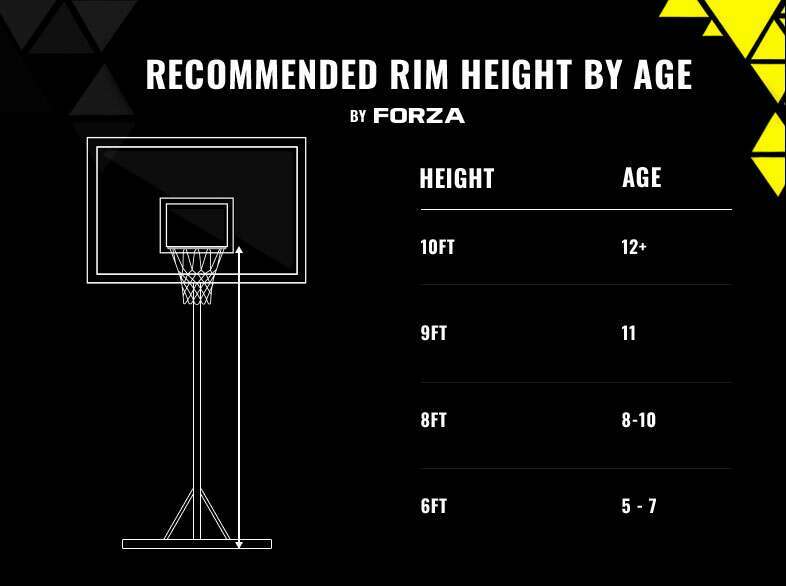
Image Source: nwscdn.com
The Genesis of the 10-Foot Hoop
The story of the regulation basketball hoop height isn’t one of sudden invention, but rather a gradual evolution. When Dr. James Naismith first conceived of basketball in 1891, the game was quite different. The first “hoops” were actually peach baskets, nailed to the gymnasium balcony at the International YMCA Training School in Springfield, Massachusetts. The height of these baskets was determined by the railing of the balcony, which was approximately 10 feet off the ground. So, serendipitously, the very origin of the sport set the precedent for the standard basketball hoop height we see today.
Initially, after each basket scored, a player would have to retrieve the ball from the basket, often with a ladder or a long pole. This cumbersome process led to prolonged game interruptions. It wasn’t until 1906 that an open-ended metal rim with a net was introduced, eliminating the need to manually retrieve the ball. However, the height of the rim remained fixed at that original 10-foot mark, a testament to its foundational role in the sport’s early development.
Deciphering the NBA Hoop Specifications
The official NBA hoop size is meticulously defined to ensure fairness and consistency. Let’s break down the key dimensions:
Rim Diameter and Material
The inner diameter of the NBA basketball rim is 18 inches. This precise measurement is crucial for the ball to pass through cleanly. The rim itself is typically made of solid steel, designed to withstand the immense force of powerful dunks and rebounds. The thickness of the rim is usually around 5/8 inch or 3/4 inch.
Backboard Dimensions and Material
The backboard, a vital component for bank shots and rebounds, also has specific dimensions and material requirements. In the NBA, the backboard is rectangular and measures 6 feet wide by 3.5 feet high. It is often made of tempered glass, providing a durable and consistent rebound surface. The glass is typically 1/2 inch thick.
There’s also a smaller, white square on the backboard, 2 feet wide by 1 foot high, located 4 feet above the floor. This “shooting square” is a visual aid for players executing bank shots. The inner edge of the square is 15 inches from the rim’s edge.
Hoop Mounting and Support
The basketball rim height is achieved through a sturdy support system. The rim is attached to a pole or a base that ensures it remains perfectly stable throughout the game. The distance from the front edge of the backboard to the face of the rim is 6 inches. This ensures that the rim is positioned centrally over the court. The support structure must be designed to prevent any swaying or movement of the rim during play, which could unfairly affect shots.
Why 10 Feet? The Rationale Behind the Height
The consistent NBA regulation hoop height of 10 feet is not an accident. It’s a carefully considered aspect that impacts the game in several profound ways:
Player Physiology and Skill Development
The 10-foot height is a significant challenge that necessitates specific physical attributes and refined skills. Players must develop:
- Vertical Leap: To reach the rim and shoot effectively, players require exceptional vertical jumping ability. This fosters the development of explosive leg power and athleticism.
- Shooting Mechanics: The height influences shooting form. Players learn to arc their shots to clear the rim, developing a consistent touch and release point. This is why proper shooting technique is so heavily emphasized.
- Ball Handling: Maneuvering around defenders and getting close enough to the basket to score requires advanced dribbling and control. The height of the hoop adds another layer of difficulty to finishing at the rim.
- Rebounding Prowess: The 10-foot rim height means that rebounds are often contested high in the air. This emphasizes the importance of positioning, timing, and jumping ability for rebounders.
Strategic Implications
The standard hoop height basketball also shapes game strategy:
- Paint Dominance: Teams often try to control the area around the basket (the “paint”) to get closer, higher-percentage shots. The 10-foot rim makes it harder to score easily in the paint without skilled post-play or finesse.
- Defensive Positioning: Defenders must position themselves strategically to contest shots and prevent drives to the basket. The height of the hoop means that shot blockers need to have significant vertical reach.
- Offensive Spacing: The difficulty of scoring close to the basket encourages offensive strategies that involve perimeter shooting and ball movement to create open looks from further out.
- Pace of Play: While not solely determined by hoop height, the challenge of scoring can influence the pace of the game, with teams needing to execute plays effectively to generate scoring opportunities.
Spectator Appeal
The 10-foot rim height contributes to the excitement and drama of professional basketball. It leads to:
- Spectacular Dunks: The athleticism required to dunk the ball from a running start into a 10-foot hoop is visually stunning and a highlight of the sport.
- Close Games: The challenge of scoring can lead to lower scores and more tightly contested games, where every basket is hard-earned and highly valued.
- Momentum Swings: A powerful block or a timely rebound can drastically alter the flow of a game, adding to the suspense.
The NBA Hoop Height: A Universal Standard
The regulation basketball hoop height of 10 feet is not exclusive to the NBA. It’s the standard across most organized basketball leagues worldwide, including FIBA (International Basketball Federation) and NCAA (National Collegiate Athletic Association). This uniformity ensures that players who transition between different levels of play face the same fundamental challenge at the basket.
However, there are variations in other contexts:
Youth Basketball
For younger players, the hoop height is often lowered to accommodate their developing physical abilities. This makes the game more accessible and enjoyable, allowing them to experience success and build confidence. Common youth hoop heights include:
- Ages 6-7: 6 feet
- Ages 8-10: 8 feet
- Ages 11-12: 9 feet
- Ages 13 and up: 10 feet (or as per league rules)
These adjustments are crucial for proper skill development and to prevent frustration. Learning proper shooting form and experiencing the joy of making shots is paramount for young athletes.
Recreational and Backyard Hoops
For recreational play or backyard setups, the standard basketball hoop height is typically 10 feet. However, many adjustable hoop systems are available, allowing individuals to set the height according to their preference or skill level. This adaptability makes basketball accessible to people of all ages and abilities.
Measuring the Hoop: Accuracy is Key
Ensuring the basketball rim height is accurately set is crucial for any official game or even serious practice. The measurement should always be taken from the playing surface (the court floor) directly up to the top edge of the rim.
Here’s a simple way to conceptualize the measurement:
- Start at the floor: Place your measuring tape flat on the court directly beneath the center of the rim.
- Measure vertically: Extend the tape measure straight up to the absolute highest point of the rim’s opening.
- Confirm the measurement: The reading should be exactly 10 feet (or 120 inches).
This seemingly simple measurement is foundational to the game’s integrity. Any deviation could impact player performance and the fairness of the competition.
Beyond the Height: Other NBA Hoop Considerations
While the height is the most prominent specification, several other NBA hoop specifications contribute to the overall playing experience:
The Net
The net attached to the rim is designed to slow the ball’s descent, providing a clear indication of a successful basket. NBA nets are typically made of nylon or chain and are 15 to 18 inches in length. They have 12 loops to attach to the rim. The net’s movement and sound when the ball goes through are an integral part of the game’s auditory experience.
Hoop Durability and Maintenance
Professional basketball courts are subjected to intense wear and tear. NBA rims and backboards are built for extreme durability and undergo regular maintenance to ensure they meet the highest standards. This includes checking for any damage to the rim, ensuring the backboard is securely mounted, and that the net is in good condition.
Safety Standards
Safety is paramount in professional sports. The entire hoop assembly, from the base to the rim, must meet stringent safety standards to prevent injuries. This includes ensuring there are no sharp edges and that the support structure is stable and properly padded where necessary.
Frequently Asked Questions About NBA Hoop Height
Q1: Is the NBA hoop height the same as college or high school?
A1: Yes, the regulation basketball hoop height of 10 feet is standard for college (NCAA) and high school basketball. The fundamental dimensions of the game are consistent across these levels.
Q2: Can I adjust my backyard basketball hoop to 10 feet?
A2: Most adjustable backyard basketball hoops can be set to the standard basketball hoop height of 10 feet. Always check the specifications of your particular hoop system to confirm its maximum height adjustment.
Q3: What is the difference between an NBA hoop and a recreational hoop?
A3: While the NBA basketball hoop height is the same, NBA hoops are built to much higher specifications for durability, material quality, and stability to withstand professional play. Recreational hoops may vary in quality and materials.
Q4: Why is the hoop height 10 feet and not higher or lower?
A4: The 10-foot height evolved from the sport’s origins with peach baskets and has been maintained because it presents a significant but achievable challenge that fosters athleticism, skill, and strategic play. It strikes a balance that makes the game exciting for both players and spectators.
Q5: How is the NBA hoop height measured precisely?
A5: The basketball rim height is measured from the playing surface (the court floor) to the top edge of the rim. It’s a precise measurement of 10 feet (120 inches).
Q6: Does the height of the hoop affect how players shoot?
A6: Absolutely. The 10-foot NBA hoop height requires players to develop proper shooting arcs and touch to get the ball over the rim. It influences shooting mechanics and emphasizes the importance of aiming for the back of the rim or a specific spot on the backboard.
Q7: What are the dimensions of the backboard in the NBA?
A7: The NBA backboard is rectangular, measuring 6 feet wide by 3.5 feet high, and is typically made of tempered glass.
The NBA hoop specifications are a testament to the sport’s enduring legacy and its carefully cultivated balance of athletic challenge and strategic depth. The seemingly simple measurement of 10 feet is a cornerstone that shapes every aspect of the game, from the physical demands on players to the excitement experienced by fans worldwide. It’s a height that has defined generations of basketball and will continue to do so for many more to come.