
What is the NBA hoop height? The NBA hoop height is 10 feet from the playing surface to the top of the rim. This foundational measurement is a cornerstone of the sport, shaping everything from player strategy to the very mechanics of the game. While it might seem straightforward, delving into the specifics of the NBA regulation hoop reveals a world of precise engineering and historical context that contributes to the thrilling spectacle of professional basketball.
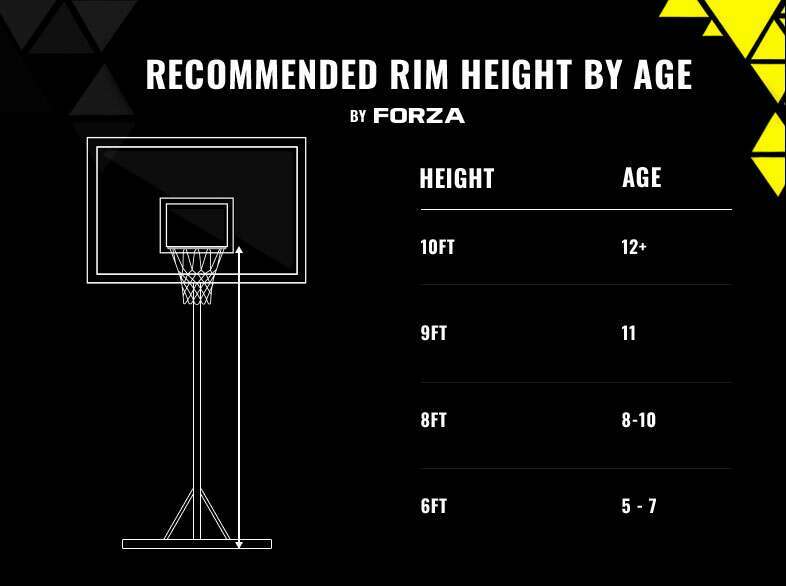
Image Source: nwscdn.com
The Standard Basketball Rim Height: A Unwavering Benchmark
The standard basketball rim height across virtually all levels of organized basketball, including the NBA, WNBA, NCAA, and international play governed by FIBA, is a consistent 10 feet (3.05 meters). This uniformity is crucial for establishing a level playing field and ensuring that the fundamental challenges of shooting and rebounding remain consistent, regardless of the league. This unwavering benchmark ensures that the skill required to make a basket is universally recognized and tested.
Deciphering the NBA Regulation Hoop
The NBA regulation hoop is not just a simple ring; it’s a precisely calibrated piece of equipment designed for optimal performance and safety. The 10-foot height is measured from the playing surface to the top of the rim. This detail is important because the net hangs down from the rim, and the actual lowest point of the net would be slightly lower.
Here’s a breakdown of the key components of an NBA regulation hoop:
- The Rim: The ring itself is made of solid steel and has a specific diameter. The NBA rim diameter is 18 inches (45.7 cm) on the inside. This diameter is wide enough to allow the ball to pass through but narrow enough to require accuracy. The rim is also designed to be breakaway, meaning it can flex forward and backward under pressure, which helps prevent injuries and adds to the aesthetic of powerful dunks.
- The Net: The net is typically made of nylon or chain, with a length of 15 to 18 inches. It’s designed to slow the ball down as it passes through the rim, providing a satisfying “swish” and making it clear when a basket has been scored.
- The Backboard: The basketball backboard height is also standardized. While the rim is at 10 feet, the backboard is mounted at a height that ensures the rim is centered on it. The top edge of the backboard is typically 9 feet from the floor, with the rim centered 1 foot below that. Backboards are usually made of tempered glass for durability and visibility.
The Official Basketball Hoop Size: More Than Just the Rim
When we talk about the official basketball hoop size, it encompasses not only the rim’s diameter but also the dimensions of the backboard and its placement.
| Component | Measurement |
|---|---|
| Rim Height | 10 feet (3.05 meters) |
| Rim Diameter | 18 inches (45.7 cm) inside |
| Backboard Size | 72 inches wide x 42 inches high |
| Rim to Backboard | 6 inches (15.2 cm) |
Note: Backboard dimensions can vary slightly in recreational settings, but for professional play, these are the established standards.
Fathoming the Basketball Court Measurements and Hoop Placement
The NBA hoop height of 10 feet is integrated into the larger basketball court dimensions. A standard NBA court measures 94 feet long by 50 feet wide. The hoops are positioned at the center of each baseline, meaning they are equidistant from the sidelines and equidistant from the nearest baseline.
The positioning of the hoop is critical. The backboard is attached to the hoop structure and extends forward from the baseline. The rim is positioned 6 inches in from the front face of the backboard. This placement ensures that players can shoot from different angles without the backboard interfering with the ball’s trajectory.
The distance from the center of the hoop to the sideline is 47 feet (half the court’s width). The distance from the center of the hoop to the nearest baseline is 4 feet. These basketball court measurements are crucial for understanding shooting angles, defensive positioning, and the overall flow of the game.
The Psychology and Physics of 10 Feet
Why 10 feet? The choice of basketball hoop standard is a fascinating blend of historical development, practical considerations, and even a touch of psychological impact.
A Look Back: The Origins of the Hoop Height
When basketball was invented by James Naismith in 1891, the first “hoops” were actually peach baskets nailed to the gymnasium balcony railing at the International YMCA Training School in Springfield, Massachusetts. These baskets were at approximately 10 feet high, as that was the height of the railing.
- Early Games: In the very first games, players had to retrieve the ball from the basket manually after each score. This was eventually replaced by open-ended baskets, and then by nets that allowed the ball to pass through.
- Evolution of the Hoop: Over time, the peach baskets evolved into iron rings with nets, and the height remained a consistent 10 feet. This height was likely chosen because it was a readily available structure in the gymnasium and provided a reasonable challenge for the players of the era.
How Hoop Height Influences the Game
The 10-foot NBA hoop height has a profound impact on every aspect of the game:
- Shooting Mechanics: Players develop specific shooting forms to generate the arc and power needed to get the ball into the hoop from various distances. The 10-foot height dictates the optimal release point and trajectory.
- Dunking: The ability to dunk is a testament to an athlete’s vertical leap and athleticism. At 10 feet, dunking requires significant power and skill, making it an exciting highlight for fans. If the hoop were lower, dunking would be commonplace and lose its impact.
- Rebounding: Rebounding battles are intense because players are fighting for possession of the ball after missed shots. The 10-foot height ensures that the ball can bounce unpredictably off the rim and backboard, creating opportunities for contested rebounds.
- Defense: Defensive strategies, such as shot blocking and contesting shots, are directly influenced by the hoop’s height. Players must time their jumps and reach to disrupt offensive players.
The Basketball Backboard: More Than Just a Target
The basketball backboard height and its design are also critical. The backboard serves multiple purposes:
- Guidance for Shots: Players use the backboard to guide shots in from closer distances, particularly on layups and bank shots. The specific angle of the backboard relative to the rim is important for these shots.
- Rebounding Surface: The backboard provides an additional surface for the ball to rebound off, adding another layer of complexity to the game.
- Aesthetic and Branding: Modern backboards are often made of clear tempered glass, allowing for better court visibility and featuring team logos and league branding.
Setting the Standard: Why 10 Feet Persists
The enduring basketball hoop standard of 10 feet is a testament to its effectiveness. It provides a challenge that requires skill, athleticism, and strategic thinking.
- Fairness and Competition: The consistent height ensures fairness across all games and leagues.
- Development of Skills: This height has shaped the development of shooting, dribbling, and defensive techniques over decades.
- Spectacle of the Game: The 10-foot hoop contributes to the exciting aerial displays, dramatic shots, and intense battles for possession that fans love.
Variations and Adaptations: Beyond the NBA
While the NBA hoop height is the benchmark, there are variations for different age groups and skill levels:
- Youth Basketball: Younger players often use lower hoops, typically 8 or 9 feet, to help them develop proper shooting form and build confidence. As they grow and develop their skills, they transition to the standard 10-foot height.
- Special Needs Basketball: Adaptations may be made for players with disabilities to ensure inclusivity and participation.
Frequently Asked Questions About NBA Hoop Height
Q: Can I buy an NBA regulation hoop for my backyard?
A: Yes, you can purchase backyard basketball hoops that are designed to meet the official NBA specifications, including the 10-foot height. Many brands offer adjustable hoops that can be set to this height.
Q: Who sets the NBA hoop height standard?
A: The basketball hoop standard is set by the National Basketball Association (NBA) itself, based on established rules and historical precedent.
Q: Is the basketball hoop height the same in international basketball (FIBA)?
A: Yes, the regulation basketball net height is also 10 feet (3.05 meters) in FIBA-sanctioned games. This international uniformity ensures consistency in the sport.
Q: How much does an NBA regulation hoop cost?
A: The cost of an NBA regulation hoop can vary significantly depending on the brand, materials, and features. High-quality, in-ground hoops that mimic professional setups can range from several hundred to several thousand dollars.
Q: What is the significance of the breakaway rim?
A: The breakaway rim on an NBA regulation hoop is designed to flex when a player hangs on it or dunks forcefully. This feature helps prevent injuries to players and reduces stress on the backboard and support structure. It also allows for more dramatic and emphatic dunks.
Q: How is the basketball hoop height measured precisely?
A: The NBA hoop height is measured from the playing surface (the court floor) directly up to the uppermost point of the rim.
Q: What are the dimensions of a basketball court in the NBA?
A: As mentioned, the basketball court dimensions in the NBA are 94 feet in length and 50 feet in width.
In conclusion, the seemingly simple question of “How tall is the basketball hoop in the NBA?” opens a door to the intricate design, historical evolution, and profound impact of this crucial piece of sporting equipment. The unwavering 10-foot NBA hoop height is more than just a number; it’s a fundamental element that shapes the athleticism, skill, and excitement of professional basketball, a standard that has stood the test of time and continues to define the game we love.