
The NBA basketball hoop is exactly 10 feet from the court surface to the rim. This specific height, the NBA hoop height, is a fundamental aspect of professional basketball, dictating much of the strategy and skill involved in the game. This unchanging measurement forms the basis for what is known as the regulation basketball hoop.
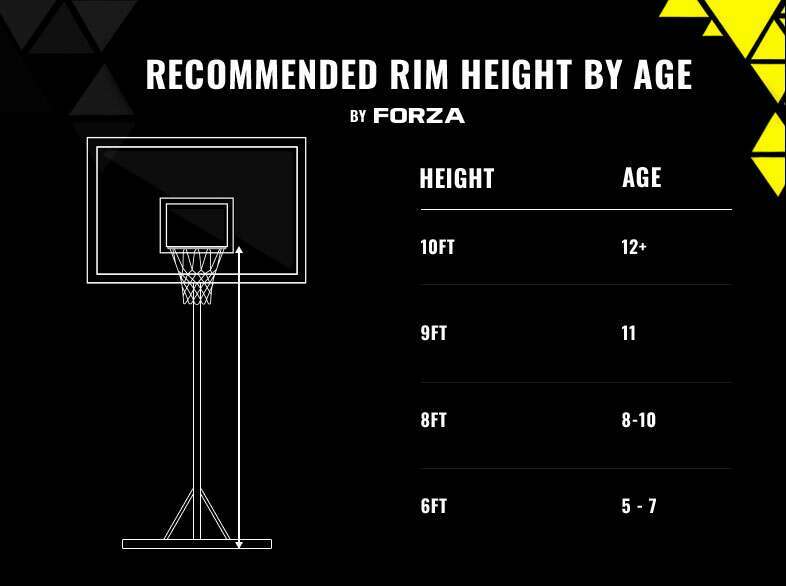
Image Source: nwscdn.com
The Science Behind the Standard Height
The NBA rim height of 10 feet is not an arbitrary number. It’s a carefully considered measurement that has remained consistent for decades, contributing significantly to the game’s evolution and its appeal to fans. This standard ensures fair play and creates a consistent challenge for players at all levels. This height is a key component of the basketball goal height that every player strives to reach.
A Historical Perspective
The modern basketball game, as envisioned by James Naismith, originally used peach baskets, which were nailed to the gymnasium balcony railing at approximately 10 feet high. This early setup directly influenced the NBA hoop height we see today. As the sport progressed from its rudimentary beginnings, the equipment evolved, but the crucial dimension of the hoop remained a constant, solidifying its place as the standard basketball hoop.
Deciphering Basketball Hoop Dimensions
Understanding the complete basketball hoop dimensions provides a clearer picture of this iconic piece of court equipment height. While the rim height is the most discussed aspect, other measurements are also vital for official play and even for backyard enthusiasts.
The Rim Itself: Size and Structure
The rim, the circular metal ring through which players shoot the ball, has specific dimensions. It is made of solid steel and is 18 inches in diameter. This diameter is designed to be just large enough for a standard basketball, which has a circumference of about 29.5 inches, to pass through. The thickness of the rim is typically 5/8 inch to 3/4 inch to ensure durability.
The basketball net height, referring to the net hanging from the rim, is also important, though its height isn’t a fixed measurement from the court. It’s attached to the rim and is typically 15 to 18 inches long. The net’s primary purpose is to slow the ball down after it goes through the rim, giving a clear indication that a basket has been scored and providing a satisfying swish sound.
The Backboard and Its Role
The backboard, typically made of tempered glass or acrylic, is positioned directly behind the rim. Its dimensions for professional play are usually 72 inches wide by 42 inches high. The rim is centered on the backboard and is 4 feet in from the baseline (if the backboard is positioned at the end of the court) or a specific distance from the sidelines depending on the court setup. The backboard is angled slightly backward, about 5 degrees, which can influence how the ball bounces.
Regulation Play: What Makes it Official?
A regulation basketball hoop adheres to strict specifications set by governing bodies like the NBA, FIBA (International Basketball Federation), and NCAA (National Collegiate Athletic Association). While the NBA rim height is 10 feet, slight variations might exist in other leagues or for recreational purposes, but the 10-foot standard is universally recognized for professional competition.
NBA vs. Other Leagues
- NBA: The standard NBA court dimensions are 94 feet long and 50 feet wide. The 10-foot basketball goal height is strictly enforced.
- FIBA: FIBA rules also mandate a 10-foot hoop. Court dimensions differ slightly, typically 91.9 feet long by 49.2 feet wide.
- NCAA and High School: These levels also follow the 10-foot rule, ensuring a consistent challenge for developing athletes.
These consistent dimensions mean that a player who excels on an NBA court can transition to any other court with a regulation hoop and face the same fundamental challenge of getting the ball into the basket from the same height. This uniformity is crucial for player development and competitive balance.
The Impact of Hoop Height on Gameplay
The 10-foot NBA hoop height profoundly impacts every aspect of the game, from shooting mechanics to defensive strategies. It’s a defining characteristic that shapes player skill and athletic performance.
Shooting Mechanics and Arc
The 10-foot rim height necessitates a specific shooting arc. Players must develop the strength and technique to launch the ball with enough velocity and trajectory to clear defenders and drop into the basket. A flat shot will likely hit the rim or backboard without going in, while a shot with too much arc might overshoot the basket. This requires players to master the “BEEF” acronym: Balance, Eyes, Elbow, Follow-through. Each element is adjusted in relation to achieving the correct arc for the standard basketball hoop.
Rebounding and Athleticism
The height of the hoop directly influences rebounding. Players need to jump high to tip or grab rebounds. The 10-foot rim means that even the tallest players need significant vertical leap to consistently grab rebounds. This aspect of the game showcases incredible athleticism and is a critical component of winning possessions. The basketball net height does not affect rebounding directly, but the rim’s elevation certainly does.
Dunking and Close-Range Shots
Dunking, a highlight of professional basketball, is only possible because the professional basketball hoop is at a reachable height for elite athletes. While 10 feet is high, it’s within the reach of players with exceptional jumping ability. This adds an element of spectacle and excitement to the game. Similarly, layups and close-range shots require players to get the ball up to that 10-foot mark, often at awkward angles and while being contested.
Defensive Strategies
Defensive strategies are also shaped by the hoop height. Shot blockers position themselves under the basket to alter or reject shots, anticipating the trajectory needed to score on a 10-foot rim. The presence of a high rim encourages different defensive stances and positioning.
Innovations and Variations in Basketball Equipment
While the NBA rim height is fixed, variations exist in basketball hoop dimensions for different purposes and age groups.
Youth Basketball
For younger players, the 10-foot height can be intimidating and challenging. Many youth leagues and recreational facilities use adjustable hoops that can be lowered to accommodate younger players. This allows them to develop proper shooting form without the frustration of constantly missing due to height. Common lower heights include 8 feet and 9 feet, progressing towards the standard basketball hoop as players age.
Recreational and Backyard Hoops
Many home basketball systems feature adjustable poles. This allows for flexibility in setting the basketball goal height, making it suitable for players of all ages and skill levels. While these may not adhere to strict regulation basketball hoop specifications for professional play, they offer a fun and accessible way to enjoy the sport. The overall quality and sturdiness of these systems also vary, with some mimicking the professional basketball hoop experience more closely than others.
Indoor vs. Outdoor Equipment
The type of court equipment height can also differ slightly between indoor and outdoor settings. While the rim height remains the same, the materials used for the backboard, rim, and pole may vary due to weather exposure. Indoor hoops are typically designed for optimal ball bounce and durability in a controlled environment, while outdoor hoops need to withstand rain, sun, and wind.
Maintaining the Standard: Why 10 Feet Endures
The enduring nature of the 10-foot NBA hoop height speaks to its effectiveness in creating an engaging and challenging sport. It strikes a balance that allows for spectacular plays like dunks while still requiring significant skill and precision for shooting.
The “Fairness” Factor
The consistent NBA hoop height ensures fairness across all games and players. Every player, from the rookie to the seasoned veteran, faces the same 10-foot challenge. This uniformity is a cornerstone of competitive sports. Without this standard, comparisons of performance would be significantly more complicated.
Skill Development
The 10-foot rim encourages the development of a wide range of basketball skills. Players must learn to shoot with proper form, jump high for rebounds and dunks, and develop strategic offensive and defensive plays that take advantage of the hoop’s height. It’s a constant test of physical and mental acuity. The basketball net height might add to the visual aspect of a successful shot, but the 10-foot rim is the true arbiter of success.
Spectator Appeal
The 10-foot height contributes to the excitement and visual appeal of basketball. The high-flying dunks, the acrobatic layups, and the dramatic buzzer-beaters are all made possible by this specific measurement. It creates moments of awe and showcases the incredible athleticism of the players competing on the NBA court dimensions.
Beyond the Rim: Other Crucial Court Measurements
While the NBA hoop height is a critical factor, other measurements within the NBA court dimensions play a vital role in the game.
- Court Length and Width: As mentioned, the 94×50 feet playing area dictates spacing and strategy.
- Three-Point Line: The distance of the three-point line (23 feet 9 inches at the top of the arc, 22 feet in the corners) influences shooting strategy and defensive positioning.
- Free Throw Line: The free throw line is 15 feet from the front of the backboard, a crucial spot for one-on-one scoring opportunities.
- Key/Paint: The rectangular area under the basket (19 feet by 16 feet) limits the time offensive players can stay within it without dribbling, influencing offensive flow.
All these dimensions work in concert with the regulation basketball hoop to create the dynamic and strategic game we know and love.
Frequently Asked Questions (FAQ)
Q1: What is the official height of an NBA basketball hoop?
A1: The official height of an NBA basketball hoop is 10 feet from the court surface to the top of the rim.
Q2: Has the NBA hoop height always been 10 feet?
A2: Yes, the 10-foot height has been the standard since the early days of basketball and has remained consistent in the NBA.
Q3: What is the diameter of an NBA basketball rim?
A3: The inside diameter of an NBA basketball rim is 18 inches.
Q4: How long is the basketball net for an NBA hoop?
A4: The basketball net typically hangs 15 to 18 inches long from the rim, but its length is not a strictly regulated dimension impacting the “height” of the goal itself.
Q5: Can I buy a basketball hoop that is exactly 10 feet tall?
A5: Yes, many recreational and adjustable basketball hoops allow you to set the rim to the 10-foot standard basketball hoop height for practice and official play.
Q6: Are there different basketball hoop heights for different leagues?
A6: While the NBA, FIBA, and NCAA all use a 10-foot hoop, youth leagues often use lower, adjustable heights for younger players.
Q7: What is the purpose of the backboard’s angle?
A7: The slight backward tilt of the backboard (about 5 degrees) can influence ball bounces and is a consideration for players when shooting off the glass.
Q8: Why is the NBA hoop height so important?
A8: The 10-foot hoop height is crucial for the game’s skill development, athletic display (like dunking), defensive strategies, and overall competitive fairness. It creates the challenge that makes basketball so exciting.
Q9: How does the hoop height affect shooting?
A9: The 10-foot rim requires players to develop a specific shooting arc and proper shooting mechanics to get the ball into the basket consistently.
Q10: Who is responsible for setting the basketball hoop height standards?
A10: Governing bodies such as the NBA, FIBA, and NCAA set and enforce the standards for basketball hoop height and other court equipment.