
So, how tall are NBA basketball hoops? NBA basketball hoops are set at a regulation height of 10 feet from the playing surface to the rim. This fundamental dimension is crucial for the sport of basketball at all levels, from professional leagues to recreational play, and it defines much of the game’s strategy and appeal. While the 10-foot standard might seem straightforward, there’s a lot more to explore about the specifics of an NBA regulation hoop size, its history, and why this particular height has endured.
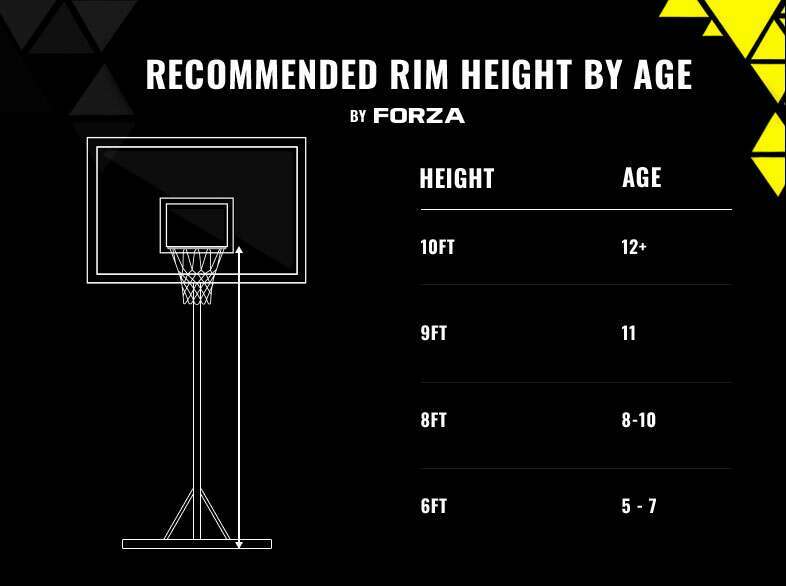
Image Source: nwscdn.com
The Standard: NBA Regulation Hoop Size Deciphered
The NBA regulation hoop size is not just an arbitrary number; it’s a meticulously determined measurement that impacts every aspect of the game. This 10-foot height, measured from the floor to the very top edge of the rim, is the cornerstone of professional basketball. When we talk about how high is an NBA hoop, we are referring to this universally recognized standard. This height dictates shooting arcs, dribbling techniques, defensive strategies, and the athleticism required to score.
The Rim and Net: Essential Components
Beyond the height, the NBA basket height also encompasses the rim and net. The rim itself is a steel ring, and the net hangs from it.
Rim Specifications
The NBA rim height is precisely 10 feet. However, the rim’s physical characteristics are also standardized:
- Diameter: The inner diameter of the rim is 18 inches.
- Thickness: The rim is typically made of solid steel and is about 5/8 inches thick.
- Material: Professional-grade rims are often made of steel, designed to withstand significant force.
Net Details
The net attached to the rim serves a critical purpose beyond aesthetics.
- Material: Nets are usually made of white nylon or cotton.
- Length: They are typically 15 to 18 inches long.
- Loops: The net has 12 loops that attach to the rim.
- Function: The net slows the ball’s descent, creating the satisfying swish sound and clearly indicating a successful shot.
Historical Roots of the 10-Foot Standard
The 10-foot height of the basketball hoop isn’t a modern invention. It has deep historical roots, dating back to the game’s inception. When James Naismith invented basketball in 1891, he used peach baskets nailed to the gymnasium balcony railing. These railings were approximately 10 feet high.
Naismith’s Original Design
Naismith’s initial intention was to create a game that was less physically demanding than football, focusing on skill and strategy. The height of the peach baskets was a practical consideration; it was the height of the balcony. This distance made it challenging to score directly into the basket, requiring players to use lob shots and teamwork to get the ball over the rim.
Evolution of Equipment
Over time, the peach baskets were replaced with more durable iron rims with nets. However, the crucial basketball hoop height of 10 feet remained. This consistency allowed the game to evolve while maintaining its foundational mechanics. The standard basketball hoop height has remained a constant, a testament to Naismith’s foresight.
Why 10 Feet? The Rationale Behind the Height
The 10-foot regulation basketball hoop height is not arbitrary. Several factors contribute to its effectiveness in creating an engaging and challenging sport.
Skill Development and Strategy
The 10-foot rim forces players to develop specific skills.
- Shooting: Players must learn proper shooting form, including arc and backspin, to get the ball into the basket. This leads to a focus on technique rather than brute force.
- Passing: The height necessitates precise passing, often with a lob, to set up teammates for shots.
- Rebounding: Players must jump high to grab rebounds, leading to athletic contests under the basket.
- Defense: Defenders can use their height and jumping ability to block shots and alter offensive plays.
Athleticism and Entertainment
The NBA basket height contributes significantly to the sport’s athleticism and entertainment value.
- Dunking: While dunking is a spectacular part of the game, the 10-foot rim makes it a feat of athleticism, requiring significant vertical leap and skill. It’s not an easy or common occurrence for most people.
- Jumping: Players need to jump high for layups, block shots, and secure rebounds, showcasing impressive vertical agility.
- Excitement: The challenge of scoring against a 10-foot high target, combined with the players’ incredible skills, creates exciting gameplay.
Fair Competition
The consistent official basketball hoop size ensures a level playing field for all players. Whether a player is tall or short, skilled or less experienced, the hoop’s height is the same. This allows for fair competition based on skill, strategy, and teamwork.
Variations in Basketball Hoop Heights
While 10 feet is the standard for professional and most organized adult play, it’s important to note that basketball hoop height can vary, especially for younger players or in recreational settings.
Youth Basketball
For younger age groups, the hoop height is often lowered to accommodate their developing physical capabilities. This allows them to develop proper shooting mechanics without the frustration of constantly missing due to the rim’s height.
- Ages 6-8: Typically use a 6-foot hoop.
- Ages 9-11: Often use an 8-foot hoop.
- Ages 12-14: May use a 9-foot hoop.
These adjusted heights help younger players build confidence and master fundamental skills before transitioning to the full 10-foot standard.
Recreational and Backyard Hoops
Many portable or adjustable basketball hoops available for home use allow for customization of the basketball hoop diameter and height. This makes them suitable for players of all ages and skill levels. However, when practicing for organized leagues or aiming to play at higher levels, it is crucial to practice with a hoop set at the standard basketball hoop height of 10 feet.
Measuring the Hoop: Precision Matters
The precision with which the NBA basket height is measured is critical for maintaining the integrity of the game.
How it’s Measured
The measurement is taken from the playing surface (the court floor) directly to the top edge of the rim. This ensures that no matter the thickness of the rim or the net, the fundamental 10-foot dimension is adhered to.
Backboard Influence
While the hoop’s height is measured to the rim, the backboard also plays a role. The backboard is positioned behind the rim, and its height relative to the rim is also standardized in professional play. The bottom of the backboard is typically 6 feet from the floor, and it extends upwards.
The Basketball Itself: Size and Regulations
The size of the basketball is also a regulated aspect of the game that complements the hoop dimensions.
NBA Basketball Size
- Circumference: An NBA basketball has a circumference of 29.5 inches.
- Weight: It weighs between 20 and 22 ounces.
These dimensions ensure that the ball interacts with the rim and net in a predictable way, contributing to the overall game dynamics. The basketball hoop diameter is specifically designed to accommodate this size of ball for optimal play.
Technical Aspects of NBA Hoops
Professional basketball requires robust and precisely engineered equipment.
Hoop and Backboard Construction
- Backboard: NBA backboards are typically made of tempered glass, providing a solid surface for bank shots. They are 6 feet wide and 3.5 feet high.
- Support Structure: The entire hoop assembly is supported by a heavy-duty structure that is anchored securely to the floor or ceiling, ensuring stability during intense play. This structure must be designed to withstand the force of players dunking and hanging on the rim.
Safety Standards
Safety is paramount in professional sports. The NBA rim height and all associated equipment are subject to rigorous safety standards to prevent injuries. This includes ensuring that there are no exposed sharp edges and that the equipment is stable and properly installed.
Practice and Improvement: Reaching the NBA Standard
For aspiring basketball players, practicing with equipment that matches NBA regulation hoop size is essential for development.
Simulating Game Conditions
Using adjustable hoops set to 10 feet allows players to:
- Develop shooting touch: Learning to arc shots correctly over the 10-foot barrier.
- Improve vertical leap: Practicing layups and jump shots at the regulation height.
- Build strength and endurance: The effort required to score at this height contributes to overall physical conditioning.
The Advantage of Practice
Consistent practice at the correct NBA basket height helps players build muscle memory and confidence. When they eventually play on regulation courts, they will be accustomed to the dimensions and challenges presented by the 10-foot rim. It’s about mastering the game within its defined parameters.
Frequently Asked Questions (FAQ)
Q1: What is the exact height of an NBA basketball hoop from the floor?
A1: The exact height of an NBA basketball hoop from the floor to the top of the rim is 10 feet.
Q2: Can I buy a basketball hoop that is 10 feet tall for my home?
A2: Yes, many adjustable basketball hoops are available for home use that can be set to a height of 10 feet, matching the NBA basket height.
Q3: Who decided on the 10-foot height for basketball hoops?
A3: The 10-foot height was established by James Naismith, the inventor of basketball, based on the height of the peach baskets used in the game’s early days.
Q4: Does the basketball hoop diameter change in the NBA?
A4: No, the basketball hoop diameter remains consistent in the NBA at 18 inches (inner diameter). This is part of the official basketball hoop size regulations.
Q5: Why is the standard basketball hoop height 10 feet and not lower or higher?
A5: The 10-foot height was chosen to balance skill, athleticism, and challenge. It requires players to develop shooting technique, jumping ability, and strategic play without making scoring too easy or impossibly difficult.
Q6: How is the NBA rim height measured?
A6: The NBA rim height is measured from the playing surface (the court floor) to the uppermost edge of the rim.
Q7: Are there different hoop heights for different leagues or age groups?
A7: Yes, while 10 feet is the NBA regulation hoop size and the standard for most adult and professional play, younger age groups typically use lower hoop heights to accommodate their physical development.
Q8: What is the circumference of an NBA basketball?
A8: An NBA basketball has a circumference of 29.5 inches. This, along with the basketball hoop diameter, influences the gameplay.
In conclusion, the how high is an NBA hoop question leads us to the foundational 10-foot measurement. This dimension, along with the rim’s diameter and the net’s design, creates the challenging and exciting environment of professional basketball. From its historical origins with James Naismith to the modern-day engineering of NBA arenas, the regulation basketball hoop height of 10 feet remains a constant, shaping the skills, strategies, and athleticism of the game. Whether you’re a casual player or an aspiring professional, respecting and practicing at this standard basketball hoop height is key to appreciating and excelling in the sport.