
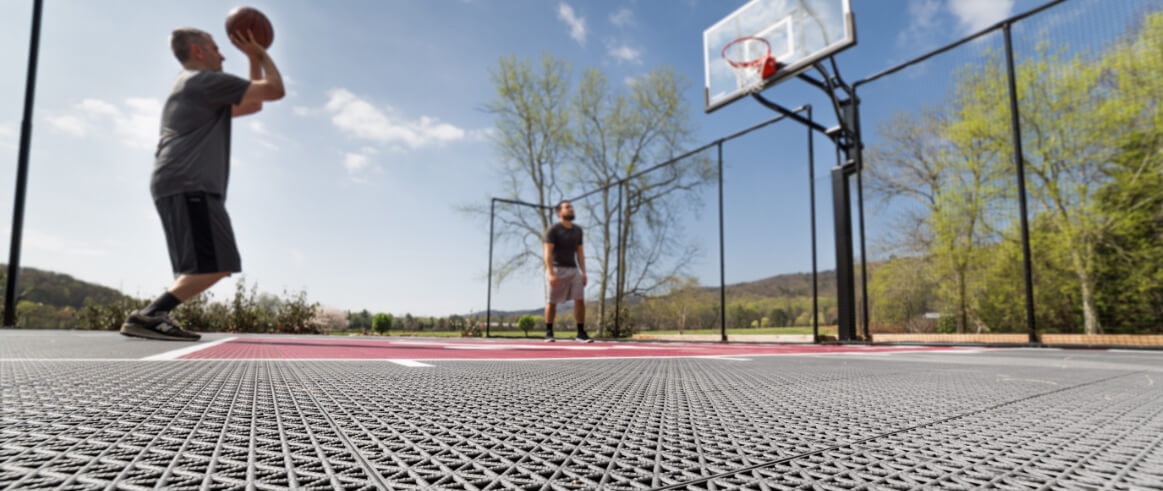
Image Source: cdn.versacourt.com
Basketball Court Cost: How Much Does It Really Take?
What is the cost to make a basketball court? The cost to build a basketball court can range from a few hundred dollars for a basic DIY setup to over $50,000 for a professional, high-end indoor facility.
Building a basketball court is a dream for many, whether for personal enjoyment, training, or community use. But how much does it really cost to bring that dream to life? The answer, like many construction projects, depends on a multitude of factors. From the size and type of court to the materials used and the level of professional involvement, the basketball court construction cost can vary significantly. Let’s dive into the details of what goes into the price tag.
Outdoor Basketball Court Installation Price: Unpacking the Expenses
When considering an outdoor basketball court installation price, we’re typically looking at a few key components that contribute to the overall cost. These include site preparation, the playing surface, the hoops and backboards, and any additional features like fencing or lighting.
Site Preparation: The Foundation of Your Court
Before any playing surface can be laid, the ground needs to be properly prepared. This is a critical step that impacts the longevity and safety of your court.
Excavation and Grading
- Excavation: This involves removing topsoil, grass, and any existing debris. The depth of excavation depends on the type of surface you plan to install. For concrete or asphalt courts, a deeper excavation is usually needed to accommodate a stable base.
- Grading: After excavation, the area must be graded to ensure proper drainage away from the court. This prevents water from pooling, which can damage the surface and create slippery conditions.
- Base Layer: A compacted layer of gravel or crushed stone is typically laid down. This base provides stability and helps with drainage. The thickness of this base layer also affects the cost.
Drainage Systems
- Proper drainage is essential. This might involve installing drain pipes or a French drain system around the perimeter of the court, especially in areas with high rainfall or poor natural drainage.
Permitting and Zoning
- Depending on your location, you may need to obtain permits from your local municipality. Zoning regulations can also dictate the size and placement of your court. These costs, while not directly material, are part of the overall project budget.
Playing Surfaces: The Heart of the Court
The playing surface is arguably the most significant cost factor. There are several popular options, each with its own price point and characteristics.
Asphalt Courts
- Cost: Asphalt is a common choice for outdoor courts due to its durability and relatively lower cost compared to other options. The basketball court materials cost for asphalt can range from $4 to $8 per square foot, including installation.
- Pros: Durable, cost-effective, good for general play.
- Cons: Can crack over time if not properly maintained, requires regular sealing.
Concrete Courts
- Cost: Concrete courts are more expensive than asphalt but offer greater longevity and a smoother playing surface. Expect to pay between $6 to $12 per square foot for concrete court installation.
- Pros: Very durable, smooth surface, can be colored or stamped.
- Cons: Higher initial cost, can crack if not installed correctly or if the base is inadequate, less forgiving on joints.
Acrylic Sports Surfaces
- Cost: These are often applied over asphalt or concrete bases. They provide a vibrant, cushioned, and textured surface that enhances player comfort and ball bounce. The cost for acrylic coatings can add $3 to $7 per square foot on top of the base material.
- Pros: Excellent ball bounce, good traction, available in various colors, low maintenance.
- Cons: Adds to the overall cost, requires professional application.
Modular Interlocking Tiles
- Cost: These are typically made from durable polypropylene and are installed over a firm, level surface. They offer a cushioned and safe playing experience. The DIY basketball court cost for these tiles can range from $3 to $8 per square foot.
- Pros: Easy to install (DIY friendly), good shock absorption, good traction, can be easily replaced if damaged, good drainage.
- Cons: Can be more expensive than basic asphalt or concrete, may fade over time in direct sunlight.
Basketball Hoops and Backboards: The Essential Equipment
No basketball court is complete without hoops. The cost here can vary dramatically based on the quality, material, and features.
Portable Basketball Hoops
- Cost: These are the most affordable option, ranging from $200 to $1,500. The portable basketball court price varies based on brand, backboard size, and adjustability.
- Pros: Mobile, easy to set up, no permanent installation needed.
- Cons: Less stable, often smaller backboards, can be moved by strong winds.
In-Ground Systems
- Cost: These offer more stability and a professional feel. Prices typically start around $500 for basic models and can go up to $3,000 or more for high-quality, adjustable systems with tempered glass backboards.
- Pros: Very stable, professional feel, adjustable height.
- Cons: Requires permanent installation (digging a hole for the pole), can be more expensive.
Wall-Mounted Systems
- Cost: These are mounted directly onto a wall or existing structure. Costs can range from $300 to $1,000+, depending on the backboard material (acrylic, polycarbonate, tempered glass) and hoop quality.
- Pros: Saves ground space, often good for smaller areas.
- Cons: Requires a sturdy wall, permanent installation.
Professional-Grade Systems
- Cost: For competition-level courts, these systems can cost $1,500 to $5,000+. They often feature breakaway rims, reinforced backboards (glass or acrylic), and durable pole systems.
Additional Features: Enhancing Your Court
Beyond the playing surface and hoops, other elements can add to the overall cost.
Fencing
- Cost: If you want to keep the ball within the court boundaries or secure the area, fencing is an option. Chain-link fencing can cost $10 to $20 per linear foot, installed.
- Pros: Contains the ball, adds security.
- Cons: Adds to the overall cost, can impact aesthetics.
Lighting
- Cost: To extend playing time into the evening, you might consider lighting. Basketball court lighting installation cost can vary significantly. Basic pole lights might cost $500-$1,000 per fixture plus installation. Floodlights or more sophisticated systems can add several thousand dollars.
- Pros: Allows for play after dark.
- Cons: Significant additional cost, requires electrical work.
Court Lines and Markings
- Cost: Professional line painting is typically included in the installation of asphalt or concrete courts, but if you’re resurfacing or DIYing, expect to pay $100-$300 for quality sports paint and stencils.
DIY Basketball Court Cost: Saving Money, Gaining Sweat Equity
For the budget-conscious or the hands-on individual, a DIY basketball court cost can be significantly lower. However, it requires considerable time, effort, and potentially specialized tools.
- Surface: Using gravel and sand, or even laying down your own concrete slabs (if skilled), can reduce material costs. Modular tiles are also a popular DIY option due to their ease of installation.
- Hoops: Purchasing a portable hoop or a less expensive in-ground system is key.
- Labor: The biggest saving in a DIY project is your own labor. However, you might need to hire help for tasks like concrete pouring or heavy excavation.
A basic DIY outdoor court, using materials like gravel and modular tiles, could potentially be built for $500 – $3,000, depending heavily on the size and chosen surface.
Cost to Build Indoor Basketball Court: A Premium Investment
Building an indoor basketball court is a much larger undertaking and, consequently, a significantly higher investment. The cost to build indoor basketball court can range from $50,000 to over $200,000 for a full-sized, professional-quality facility.
Key Cost Drivers for Indoor Courts:
Structural Building Costs
- Foundation: Similar to outdoor courts, but often more robust to support a larger structure.
- Framing and Walls: Construction of the building itself, including walls, roof, and insulation.
- Flooring System: This is a major expense. High-quality indoor courts use specialized sprung wood flooring systems designed for shock absorption and optimal ball bounce. These can cost $8 to $15 per square foot or more. Other options include synthetic rolled or tile systems.
- Ceiling Height: Ample ceiling height is crucial for playing. This adds to the structural complexity and cost.
Climate Control and Ventilation
- HVAC Systems: Maintaining a comfortable temperature and proper air circulation is essential for player comfort and court preservation. This adds a substantial cost.
- Dehumidification: In humid climates, dehumidification systems are often necessary to protect the wooden floor.
Lighting
- Specialized Lighting: Indoor courts require even, glare-free lighting designed for sports. This typically involves multiple high-quality fixtures and professional installation, adding $5,000 to $20,000+ depending on the size of the space.
Specialized Equipment
- Professional Hoops: Built-in, adjustable, and robust hoop systems are standard.
- Scoreboards and Spectator Seating: If you’re building a more comprehensive facility, these add to the cost.
Professional Basketball Court Builder Fees
Engaging professional basketball court builder fees can add 10-20% to the total project cost. These fees cover design, project management, skilled labor, and specialized equipment. However, their expertise ensures a high-quality, safe, and durable court.
Basketball Court Resurfacing Cost: Giving Your Court New Life
If you already have an existing court that has seen better days, basketball court resurfacing cost is a viable option to consider. This is generally much more affordable than building a new court from scratch.
- Cleaning and Repair: The process begins with thorough cleaning, crack filling, and repairing any damaged areas.
- Resurfacing: A new layer of acrylic coating or patching compound is applied to restore the playing surface and appearance.
- Line Painting: Fresh lines are painted according to standard basketball court dimensions and cost considerations.
Basketball court resurfacing cost can range from $1,000 to $5,000 or more, depending on the size of the court, the extent of the damage, and the type of new surface coating applied. For a full acrylic resurfacing of a standard outdoor court, expect to pay in the range of $3,000 to $7,000.
Fathoming Basketball Court Dimensions and Cost
The size of your court directly influences the basketball court dimensions and cost.
- Full-Sized NBA/FIBA Court: Approximately 94 feet long by 50 feet wide. This is the most expensive option due to the sheer amount of materials required.
- High School/College Court: Typically 84 feet long by 50 feet wide.
- Half Court: A popular choice for residential use, requiring less space and fewer materials.
- Custom Sizes: You can design a court to fit your available space.
Table 1: Estimated Costs Based on Court Size (Outdoor, Asphalt Base with Acrylic Coating)
| Court Size | Dimensions (Approx.) | Estimated Surface Cost (Materials & Install) | Hoop System (Mid-Range) | Total Estimated Cost (Excluding Extras) |
|---|---|---|---|---|
| Full Court | 94 ft x 50 ft (4700 sq ft) | $18,800 – $37,600 | $800 – $2,000 | $19,600 – $39,600 |
| High School Court | 84 ft x 50 ft (4200 sq ft) | $16,800 – $33,600 | $800 – $2,000 | $17,600 – $35,600 |
| Half Court | 47 ft x 50 ft (2350 sq ft) | $9,400 – $18,800 | $500 – $1,500 | $9,900 – $20,300 |
| Custom (e.g., 50×50 ft) | 50 ft x 50 ft (2500 sq ft) | $10,000 – $20,000 | $500 – $1,500 | $10,500 – $21,500 |
Note: These are estimates and can vary widely based on location, specific materials, and contractor pricing.
Comparing Options: Portable vs. Permanent
When thinking about portable basketball court price versus a permanently installed court, the differences are significant.
-
Portable Courts:
- Pros: Mobility, lower upfront cost, no permanent installation required, suitable for temporary use or if you move frequently.
- Cons: Can be less stable, backboards are often smaller, may not offer the same professional playing experience, can be susceptible to wind.
- Cost Range: $200 – $3,000 for the unit itself.
-
Permanent Outdoor Courts:
- Pros: Durability, stability, professional playing surface and experience, can significantly increase property value.
- Cons: Higher upfront cost, requires site preparation and professional installation, not portable.
- Cost Range: $5,000 – $50,000+ depending on size, materials, and features.
Frequently Asked Questions (FAQ)
- Can I build a basketball court on a budget?
Yes, you can build a basketball court on a budget by opting for smaller sizes, DIY installation with cost-effective materials like modular tiles or gravel, and choosing more affordable hoop systems. - What are the cheapest basketball court materials?
Gravel and sand, or basic asphalt, are generally the cheapest playing surface materials. Modular interlocking tiles can also be a budget-friendly DIY option. - How long does a typical basketball court last?
With proper maintenance, an asphalt court can last 10-20 years, while a concrete court can last 20-30 years or more. Acrylic coatings typically need recoating every 5-8 years. Indoor wooden courts can last for decades with appropriate care. - Do I need a permit to build a basketball court?
This depends on your local municipality. It’s always best to check with your local building department for any required permits or zoning regulations. - What is the best surface for a backyard basketball court?
For backyard courts, acrylic-coated asphalt or concrete offers a good balance of durability, performance, and cost. Modular tiles are also an excellent choice for their safety and ease of installation.
In conclusion, the cost to build a basketball court is a significant but often rewarding investment. By carefully considering your needs, budget, and desired features, you can determine the most suitable option and bring your basketball dreams onto your own court.