
A high school basketball coach’s salary can vary greatly, typically ranging from a few thousand dollars as a stipend to over $100,000 annually for head coaches in well-funded districts with extensive responsibilities. The average basketball coach pay is influenced by many factors. Let’s dive into the specifics of high school sports coach income and the factors that shape a basketball coaching salary ranges.
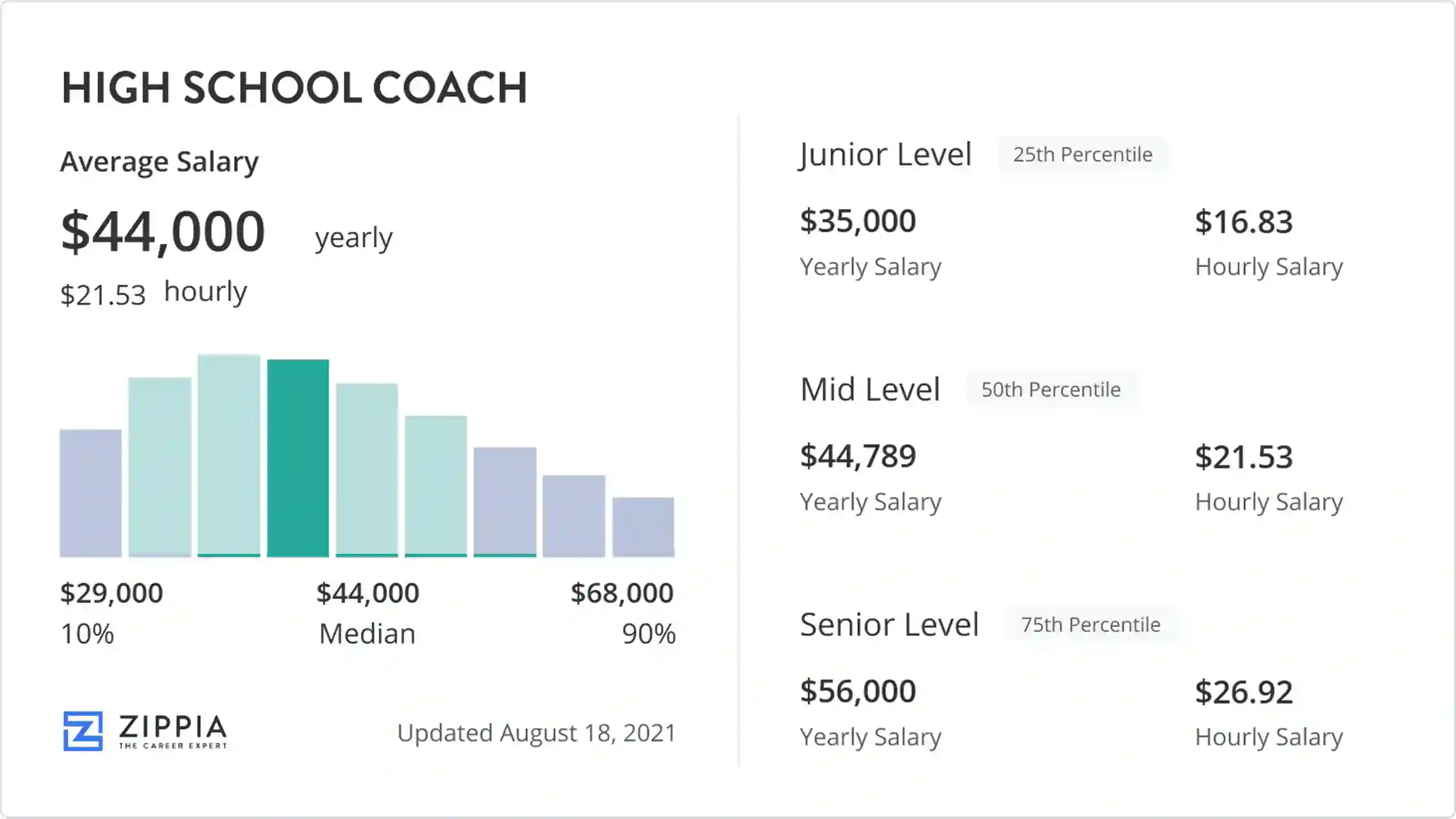
Image Source: static.zippia.com
Deciphering the Income of a High School Basketball Coach
Many aspiring coaches enter the profession with a passion for the sport and a desire to mentor young athletes. While the love of the game is a powerful motivator, it’s also practical to understand the financial realities. The question of “how much does a high school basketball coach make?” is complex, with no single answer. Several elements contribute to the overall compensation package.
The Role of Coaching Stipends High School
For most high school basketball coaches, their primary income doesn’t come directly from coaching. Instead, they often receive a coaching stipend. This is an additional payment on top of their regular salary for other duties, such as teaching.
- What is a stipend? A stipend is a fixed sum paid regularly, usually monthly or annually, to cover expenses or as supplementary income for specific roles. In the context of high school coaching, it’s a recognition of the extra time, effort, and responsibility involved.
- Stipend amounts: These amounts can vary dramatically. They might be as low as $1,000-$3,000 per season for an assistant coach or much higher for a head coach, potentially reaching $5,000-$15,000 or more. The exact figure often depends on the school district’s budget and its policies for athletic programs.
Factors Influencing Teacher-Coach Pay
When a coach is also a teacher, their overall income is a combination of their teaching salary and their coaching stipend. This means that factors affecting teacher salaries directly impact the total earnings of a teacher-coach.
- Experience and Education: Like any profession, teachers with more years of experience and advanced degrees (Master’s, PhD) generally earn higher salaries. This translates to a higher base pay for teacher-coaches.
- District Wealth and Funding: Schools in affluent districts with robust tax bases or strong community support often have better funding for both teacher salaries and athletic programs. This can lead to higher stipends and better resources for coaches.
- Unionization: In districts where teachers are unionized, collective bargaining agreements often establish salary schedules that dictate pay based on experience and education. This can lead to more standardized and potentially higher compensation for teacher-coaches.
- Subject Area: While less direct, the demand for certain teaching subjects can influence overall teacher salaries within a district.
Salary for Basketball Head Coach: Beyond the Basics
The salary for a basketball head coach is typically higher than that of an assistant coach due to the increased responsibilities and leadership demands.
- Program Management: Head coaches are responsible for all aspects of the basketball program, including recruiting (within school rules), player development, game strategy, managing assistant coaches, and representing the team and school.
- Time Commitment: The demands on a head coach extend far beyond the official season. They often involve year-round training, scouting, fundraising, and administrative tasks.
- Leadership and Vision: A successful head coach sets the tone for the team, instills discipline, fosters teamwork, and guides the program towards its goals. This leadership role often commands greater compensation.
Exploring Basketball Coaching Salary Ranges
The range of earnings for high school basketball coaches is wide, reflecting the diverse economic landscapes and priorities of school districts across the nation.
- Entry-Level/Assistant Coaches: An assistant coach might earn a stipend ranging from $2,000 to $8,000 per season. If they are also teachers, their total income will be their teaching salary plus this stipend.
- Head Coaches (Varsity): A head varsity basketball coach’s stipend can start from $5,000 and go up to $20,000 or even $25,000+ in highly competitive or well-funded districts.
- Full-Time Coaching Positions: In some rare cases, particularly at larger schools or in districts where athletics are heavily emphasized, a coach might hold a position that is closer to full-time, with a higher salary that reflects broader athletic department duties. This is more common in roles like “Athletic Director and Head Basketball Coach.”
Factors Affecting Coach Pay
Several key elements influence how much a high school basketball coach earns. Understanding these factors is crucial for anyone considering a coaching career or evaluating compensation.
-
Geographic Location:
- Cost of Living: Areas with a higher cost of living, such as major metropolitan areas or coastal regions, tend to have higher overall salaries, including teaching salaries and coaching stipends.
- State and District Funding: States and districts with robust economies and higher per-pupil spending often allocate more resources to athletics, leading to better compensation for coaches.
- Competition: In regions with a strong tradition of high school basketball and intense competition, schools may offer more competitive stipends to attract top coaching talent.
-
School Size and Classification:
- Enrollment: Larger high schools, often with more students and athletic programs, may have larger budgets and therefore can offer higher stipends.
- Division/League: Schools competing in higher athletic divisions or more competitive leagues might offer more to attract coaches capable of leading successful programs.
-
Level of Coaching (Head vs. Assistant):
- Head Coach: As discussed, the head coach carries more responsibility and typically earns a significantly higher stipend than assistant coaches.
- Assistant Coach: Assistant coaches provide crucial support, assisting the head coach with practices, player development, scouting, and game management. Their stipends reflect their supportive role.
-
Experience and Qualifications:
- Years of Experience: Coaches with a proven track record of success, a long history of coaching, and experience at various levels (e.g., college, professional) can often command higher compensation.
- Playing Experience: While not always a direct salary determinant, significant collegiate or professional playing experience can enhance a coach’s resume and appeal to athletic departments.
- Certifications and Training: Specific coaching certifications or ongoing professional development can also influence pay, showing a commitment to the craft.
-
Program Success and Reputation:
- Winning Records: Coaches who consistently lead their teams to winning seasons and playoff appearances may be rewarded with higher stipends, especially in districts that value athletic achievement.
- Program Building: Coaches who are brought in to rebuild a struggling program and demonstrate progress can see their compensation reflect their impact.
-
Additional Coaching Duties:
- Multiple Sports: Some coaches might coach more than one sport (e.g., basketball in the winter, track in the spring). The stipends for each sport would then be added to their total compensation.
- Summer Camps/Clinics: Coaching or organizing summer basketball camps can provide an additional income stream, often separate from the seasonal stipend.
High School Athletic Director Salary: A Different Ballgame
It’s important to differentiate the role and compensation of a head basketball coach from that of a high school athletic director (AD). An AD typically oversees all athletic programs within a school or district, not just one sport.
- Scope of Responsibility: An AD is responsible for budgeting for all sports, hiring and managing coaches, scheduling games, ensuring compliance with athletic regulations, facility management, fundraising for athletics, and managing athletic department staff.
- Salary Structure: Due to the broader scope of their duties and administrative responsibilities, an athletic director’s salary is generally higher than that of a head basketball coach. This can range from $50,000 to $100,000 or more, depending on the factors mentioned earlier (location, district size, experience).
- Teacher vs. Administrator: While some ADs may come from a teaching background, their role is primarily administrative. This distinction often leads to a different salary structure compared to a teacher-coach.
College Basketball Coach Salary Comparison: A Look Up the Ladder
Comparing high school basketball coach salary figures to those at the collegiate level reveals a significant difference in earning potential.
- College Assistant Coaches: Even assistant coaches at the collegiate level typically earn more than high school head coaches. Salaries can range from $30,000 to $100,000+ depending on the division (NCAA Division I, II, III) and the prestige of the program.
- College Head Coaches: Head coaches at the NCAA Division I level can earn salaries that rival those of professionals in many other fields. Salaries can range from several hundred thousand dollars to well over $1 million annually, often including lucrative endorsement deals and performance bonuses.
- Experience and Success: Similar to high school, experience and a track record of success are paramount for higher salaries in college coaching. The stakes are higher, with multimillion-dollar athletic departments and national championships on the line.
The Income of a High School Sports Coach: A Broader Perspective
While basketball is a popular focus, the income of a high school sports coach extends to all athletic disciplines. Football coaches, track and field coaches, volleyball coaches, and coaches for other sports also operate within similar compensation structures.
- Football Coach Stipends: Football coaches, especially head coaches, often receive some of the highest stipends among high school sports due to the sport’s popularity and the significant time commitment involved.
- Other Sport Stipends: Stipends for less prominent sports might be slightly lower but still represent a meaningful addition to a teacher’s salary.
- Program Investment: The amount of money a school district invests in its athletic programs across the board directly impacts the stipends offered to all coaches.
Key Takeaways on Coach Compensation
- Stipend-Based Earnings: The majority of high school coaches are compensated through stipends, which are supplemental payments.
- Teacher Salary as Base: For teacher-coaches, their regular teaching salary forms the bulk of their income.
- Variability is Key: There is no single “average” high school basketball coach salary. Compensation varies significantly based on location, school district, experience, and the specific role (head vs. assistant).
- Passion Over Pay: While financial compensation is a factor, the decision to coach high school basketball is often driven by a deep passion for the sport and a commitment to youth development.
Frequently Asked Questions About High School Basketball Coach Salaries
Q1: What is the average salary for a high school basketball coach in the United States?
A1: It’s difficult to pinpoint a single average because most coaches work as teachers and receive a stipend for coaching. However, the coaching stipend for a head basketball coach can range anywhere from $5,000 to $25,000 per season. Assistant coaches typically receive less, perhaps $2,000 to $8,000 per season.
Q2: Can I make a full-time living solely from coaching high school basketball?
A2: In most cases, no. High school basketball coaching positions are typically part-time roles that supplement a primary income, usually from teaching or another profession. Only in very rare circumstances, perhaps with extensive additional athletic department duties, might it approach a full-time salary.
Q3: What are the main factors that influence how much a high school basketball coach gets paid?
A3: Key factors include the school district’s budget and wealth, the cost of living in the geographic area, the coach’s experience and qualifications, the specific role (head coach vs. assistant), the size and classification of the school, and the success of the basketball program.
Q4: How does a high school basketball coach’s salary compare to an athletic director’s salary?
A4: An athletic director generally earns more than a high school basketball coach. This is because the AD’s role involves overseeing all athletic programs, managing budgets for multiple sports, and handling broader administrative responsibilities, while a basketball coach’s focus is on a single sport.
Q5: Is there a difference in pay between a boys’ basketball coach and a girls’ basketball coach at the high school level?
A5: Generally, there isn’t a systematic difference in pay solely based on the gender of the team coached, assuming comparable roles and responsibilities. However, disparities can arise if one program is more successful, receives more funding, or has a coach with more experience.
Q6: Do coaches get paid extra for winning championships?
A6: While not as common or as lucrative as in college or professional sports, some school districts may offer performance bonuses for reaching certain milestones, such as winning a league championship or a state title. This is not a universal practice, however.
Q7: What kind of experience is most valued when determining a coach’s pay?
A7: Significant experience in coaching basketball at various levels, a proven track record of success (winning seasons, developing players), and experience in leadership roles are highly valued. Coaching certifications and continuing education can also play a role.
Q8: Are coaching stipends negotiable?
A8: Stipends are often set by school district policies or collective bargaining agreements. While there might be some room for negotiation, especially for head coaching positions in competitive markets, it’s not always the case. Experienced and highly sought-after coaches may have more leverage.
Q9: What are the common duties of a high school head basketball coach that justify the stipend?
A9: Duties include leading practices, developing game strategies, scouting opponents, managing assistant coaches, player recruitment within the school, player development (skill and character), ensuring team discipline, and communicating with parents and school administration. This is in addition to duties during the off-season like organizing camps and conditioning programs.
Q10: How does the salary for a high school basketball coach compare to a college basketball coach salary?
A10: The difference is substantial. College basketball coaches, especially at the Division I level, earn significantly more, with head coaches often earning six or seven figures annually, plus performance bonuses and endorsements. High school coaching is typically a part-time role with a stipend.