
The weight of a basketball is a crucial factor determining its performance on the court. A standard men’s basketball weighs between 20 and 22 ounces, or 567 to 624 grams. This answer is often sought by players of all ages and skill levels. But why does this specific weight matter, and are there differences for different players and leagues? Let’s dive into the details.
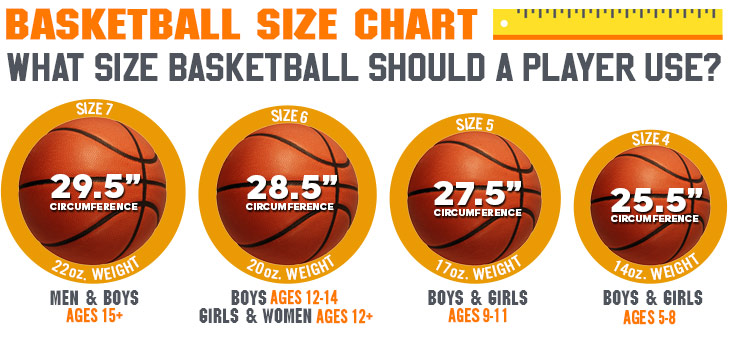
Image Source: www.anthem-sports.com
Deciphering Basketball Weight Standards
The weight of a basketball isn’t just an arbitrary number; it’s a carefully regulated aspect of the sport that impacts how the ball bounces, spins, and feels in a player’s hands. This regulation ensures a consistent playing experience across different games and competitions. Whether you’re shooting hoops in your driveway or watching an NBA game, the official basketball weight is designed to provide optimal control and responsiveness.
The Official Basketball Weight: A Global Benchmark
Across various governing bodies for basketball, there’s a general consensus on the weight of a basketball, though minor variations can exist. The official basketball weight is a key specification that players and manufacturers adhere to. This standardization is vital for fairness and predictability in the sport.
Key Specifications for Official Basketballs:
- Circumference: Generally between 29.5 and 30 inches (75-76 cm) for men’s and women’s games.
- Weight: This is what we’re focusing on, and it varies slightly by gender and age group.
NBA Basketball Weight: The Pinnacle of the Game
When you think of professional basketball, you often think of the National Basketball Association (NBA). The NBA basketball weight is set to specific parameters that have been honed over decades to suit the elite athletes who play the game. These balls are designed for power, precision, and a responsive feel during fast-paced gameplay.
The NBA basketball weight falls within a very precise range. Typically, an NBA basketball weighs between 22 and 23 ounces (approximately 624 to 652 grams). This weight is calibrated to work in conjunction with the league’s official ball size, which is also the largest commonly used in professional play. This heft provides players with the leverage needed for long-range shots and powerful drives to the basket.
WNBA Basketball Weight: Catering to Women’s Play
The Women’s National Basketball Association (WNBA) uses a basketball that is slightly different from its male counterpart, primarily in circumference, but the weight is also a key consideration. The WNBA basketball weight is designed to complement the slightly smaller ball size used in their league.
While the exact specifications can be found in the official rulebooks, the women’s basketball weight generally aligns with international standards for women’s play. This means it’s often similar in weight to a men’s ball, but the accompanying circumference adjustment is notable. The aim is to provide a ball that is manageable for players with generally smaller hand sizes while still offering the necessary heft for competitive play.
Men’s Basketball Weight: The Standard for Professional and Collegiate Play
The men’s basketball weight is often considered the benchmark for many adult leagues and competitions. As mentioned with the NBA, this weight is crucial for handling and performance at higher levels of the sport. The 22-23 ounce range (624-652 grams) is the standard for most men’s professional and collegiate play.
This specific men’s basketball weight allows for:
- Better Grip: Players can get a more secure grip for dribbling and passing.
- Controlled Shooting: The weight contributes to a stable trajectory during shots.
- Powerful Dribbling: Players can dribble with more force and control.
Women’s Basketball Weight: Consistency Across the Board
The women’s basketball weight, particularly in professional leagues like the WNBA, is designed to be competitive and suitable for the athletes. While the ball’s circumference might be smaller than the men’s ball, the women’s basketball weight is often comparable. This ensures that the physics of shooting, passing, and dribbling remain consistent in terms of the force required.
The goal is to provide a ball that offers similar handling characteristics in terms of momentum and feel, despite the size difference. This allows for skillful play and a challenging yet manageable experience for female athletes.
Youth Basketball Weight: Growing with the Player
For younger players, the youth basketball weight is significantly lighter. This is a crucial aspect of youth sports development. Using balls that are too heavy can hinder a child’s ability to develop proper shooting form and technique, and can even lead to injuries.
The weight of youth basketballs varies greatly depending on the age group. Here’s a general breakdown:
| Age Group | Typical Weight (ounces) | Typical Weight (grams) | Common Ball Size |
|---|---|---|---|
| 5-6 years old | 14-16 | 397-454 | Size 3 |
| 7-8 years old | 16-18 | 454-510 | Size 4 |
| 9-11 years old | 18-20 | 510-567 | Size 5 |
| 12-14 years old | 20-21 | 567-595 | Size 6 |
It’s important to select a youth basketball weight appropriate for the player’s age and strength. This promotes proper development and enjoyment of the game.
FIBA Basketball Weight: The International Standard
The Fédération Internationale de Basketball (FIBA) is the global governing body for basketball. Their regulations set the standard for most international competitions, including the Olympics and the FIBA World Cup. The FIBA basketball weight is a crucial part of these regulations.
FIBA specifications for men’s basketballs typically require a weight of between 567 and 650 grams (20 to 22.9 ounces). This range is very close to the NBA standards, emphasizing the global alignment on what constitutes a regulation basketball for adult men. For women’s competitions, FIBA also has specifications that are generally consistent with other major leagues.
Regulation Basketball Weight: Adhering to the Rules
The term regulation basketball weight encompasses the official weight requirements set by various sports organizations. Whether it’s for the NBA, WNBA, FIBA, NCAA, or youth leagues, adhering to the regulation basketball weight is essential for official games.
These regulations ensure that every game played under their jurisdiction uses equipment that meets a defined standard. This prevents any unfair advantage or disadvantage due to variations in ball weight.
Basketball Size and Weight: The Interconnected Relationship
Basketball size and weight are intrinsically linked. A larger ball generally needs to be heavier to maintain similar playing characteristics and to ensure it’s not too “floaty” or difficult to control. Conversely, a smaller ball might be slightly lighter, though as seen with women’s basketball, the weight is often maintained to provide a similar feel in terms of momentum.
Let’s look at the official sizes and their associated weights for clarity. These are general guidelines, and specific leagues might have minor variations.
Official Basketball Sizes and Weights: A Comparative Look
| Ball Size | Circumference (inches) | Circumference (cm) | Weight (ounces) | Weight (grams) | Typical Use |
|---|---|---|---|---|---|
| Size 7 | 29.5 – 30 | 75 – 76 | 20 – 22 | 567 – 624 | Men’s professional, collegiate, and high school |
| Size 6 | 28.5 – 29 | 72.4 – 73.7 | 18 – 20 | 510 – 567 | Women’s professional, collegiate, and high school; Boys aged 12-14 |
| Size 5 | 27 – 27.5 | 68.6 – 69.9 | 17 – 18 | 482 – 510 | Youth ages 9-11 |
| Size 4 | 25.5 – 26 | 64.8 – 66 | 16 – 17 | 454 – 482 | Youth ages 7-8 |
| Size 3 | 22 | 55.9 | 10 – 12 | 283 – 340 | Youth ages 5-6 |
Note: The official NBA ball is a Size 7, typically weighing 22 oz. The official WNBA ball is a Size 6, with a weight specified to be compatible with its size.
Fathoming the Impact of Basketball Weight on Gameplay
The weight of a basketball is not merely a number; it has tangible effects on how the game is played. From shooting mechanics to dribbling control, the mass of the ball influences every interaction a player has with it.
Shooting: The Role of Mass in Trajectory
When shooting, the weight of the basketball affects its trajectory and how it responds to the force applied. A heavier ball, within the regulation limits, tends to have a more stable flight path, making it less susceptible to minor air currents or slight variations in release. This stability can aid in achieving a consistent shooting arc.
Conversely, a ball that is too light might be more prone to wobbling or being influenced by external factors, making it harder to predict its path. The NBA basketball weight, for instance, allows players to put significant power behind their shots, especially from long distances, without the ball feeling too “floaty.”
Dribbling: Control and Power
The weight of a basketball is paramount for dribbling. A ball with the correct weight will “kick back” predictably when dribbled, allowing players to maintain control.
- Proper Weight: Enables players to feel the ball and react to its bounce. It allows for both quick, controlled dribbles close to the body and powerful dribbles down the court.
- Too Light: A ball that is too light might feel “mushy” and unresponsive, making it difficult to control during fast breaks or when dribbling through traffic.
- Too Heavy: While less common with regulation balls, a ball that is excessively heavy could make dribbling tiring and less efficient, especially for younger players.
The men’s basketball weight and women’s basketball weight, while potentially differing in size, are optimized for their respective players to allow for effective dribbling.
Passing: The Feel and Momentum
Passing also relies heavily on the ball’s weight. A well-weighted basketball carries momentum effectively, allowing for crisp, accurate passes over various distances.
- Chest Passes: Require a certain amount of force, which is influenced by the ball’s mass.
- Bounce Passes: The weight affects how the ball rebounds off the floor, dictating the pace and angle of the pass.
- Outlet Passes: Long, powerful passes down the court benefit from the ball’s inertia, which is directly related to its weight.
The official basketball weight ensures that players can execute a variety of passes with confidence and precision.
Selecting the Right Basketball: Beyond Just Weight
While weight is a critical factor, it’s not the only one to consider when choosing a basketball. Material, construction, and intended use also play significant roles.
Materials and Construction: Impact on Feel and Durability
Basketballs are typically made from either leather (for indoor, professional play) or synthetic materials like rubber or composite leather (for outdoor or recreational play).
- Leather Basketballs: Tend to offer a superior grip and feel. They are softer and break in over time, becoming even more comfortable to handle. These are generally used for official games where the regulation basketball weight is strictly enforced.
- Synthetic Basketballs: Are more durable and can withstand the abrasions of outdoor courts. They are often less expensive and provide a good option for casual play.
The basketball size and weight are standardized across these material types within their respective categories.
Indoor vs. Outdoor Basketballs: Different Needs, Different Specs
The environment in which a basketball will be used significantly influences its construction and, consequently, its feel, though the official basketball weight for each type remains consistent within its category.
- Indoor Basketballs: Usually made of genuine or composite leather. They are designed for smooth indoor courts and offer the best grip and feel. They are more sensitive to dirt and moisture.
- Outdoor Basketballs: Typically made of rubber or durable synthetic materials. They are built to withstand rough surfaces like concrete or asphalt and are more resistant to the elements. While the youth basketball weight for an outdoor ball might be similar to an indoor one of the same size, the surface grip will differ.
Frequently Asked Questions About Basketball Weight
Q1: What is the standard weight of a basketball for all leagues?
A1: While there are variations for different age groups and genders, the most common standard for adult men’s professional and collegiate basketball is between 20 and 22 ounces (567 to 624 grams). Women’s professional basketballs may have a similar weight but often come in a slightly smaller circumference.
Q2: Can I use a basketball that is heavier or lighter than the official weight?
A2: For official games and competitive play, you must use a basketball that meets the regulation basketball weight standards of the league or governing body. For casual or recreational play, you can use a ball that feels best for you, but be aware that it might affect your technique if you plan to transition to more organized play. For example, a lighter ball might be preferred for very young children to develop their shooting form.
Q3: Why is the WNBA basketball slightly smaller but often similar in weight to the men’s ball?
A3: The women’s basketball weight is designed to be comparable to the men’s ball to ensure similar momentum and playing characteristics. This allows for a consistent feel in terms of how the ball travels through the air and rebounds. The smaller circumference is adjusted to better suit the average hand size of female players, enhancing grip and control.
Q4: How does the weight of a basketball affect my shot?
A4: The basketball weight influences the trajectory, stability, and feel of your shot. A ball within the regulation weight range generally provides a stable flight path. Players develop a feel for how much force to apply based on the ball’s mass. Too light, and it might float; too heavy, and it might be difficult to get the desired arc or distance.
Q5: Is there a difference in basketball weight between FIBA and NBA?
A5: The FIBA basketball weight specifications for men’s basketballs (567-650 grams) are very similar to the NBA basketball weight (typically 22-23 ounces, which is about 624-652 grams). Both organizations aim for a standard weight that promotes optimal gameplay for professional athletes.
Q6: What is the weight of a youth basketball?
A6: Youth basketball weight varies significantly by age. Younger children use lighter balls (Size 3 or 4), typically weighing between 10-17 ounces (283-482 grams), while older youth players (12-14) use balls closer to the adult weight (Size 6), weighing around 18-20 ounces (510-567 grams).
In conclusion, the weight of a basketball is a finely tuned specification that contributes significantly to the sport’s integrity and the player’s experience. From the powerful drives of an NBA player to the developing skills of a young athlete, the right basketball weight ensures a consistent and enjoyable game. Knowing these standards helps players, coaches, and enthusiasts appreciate the science and tradition behind this beloved sport.