
In basketball, the number of timeouts a team receives varies depending on the league, the game situation, and whether it’s a coach or a player initiating the stoppage. Generally, teams are allotted a specific number of timeouts per half or per quarter, with additional timeouts potentially available in overtime.
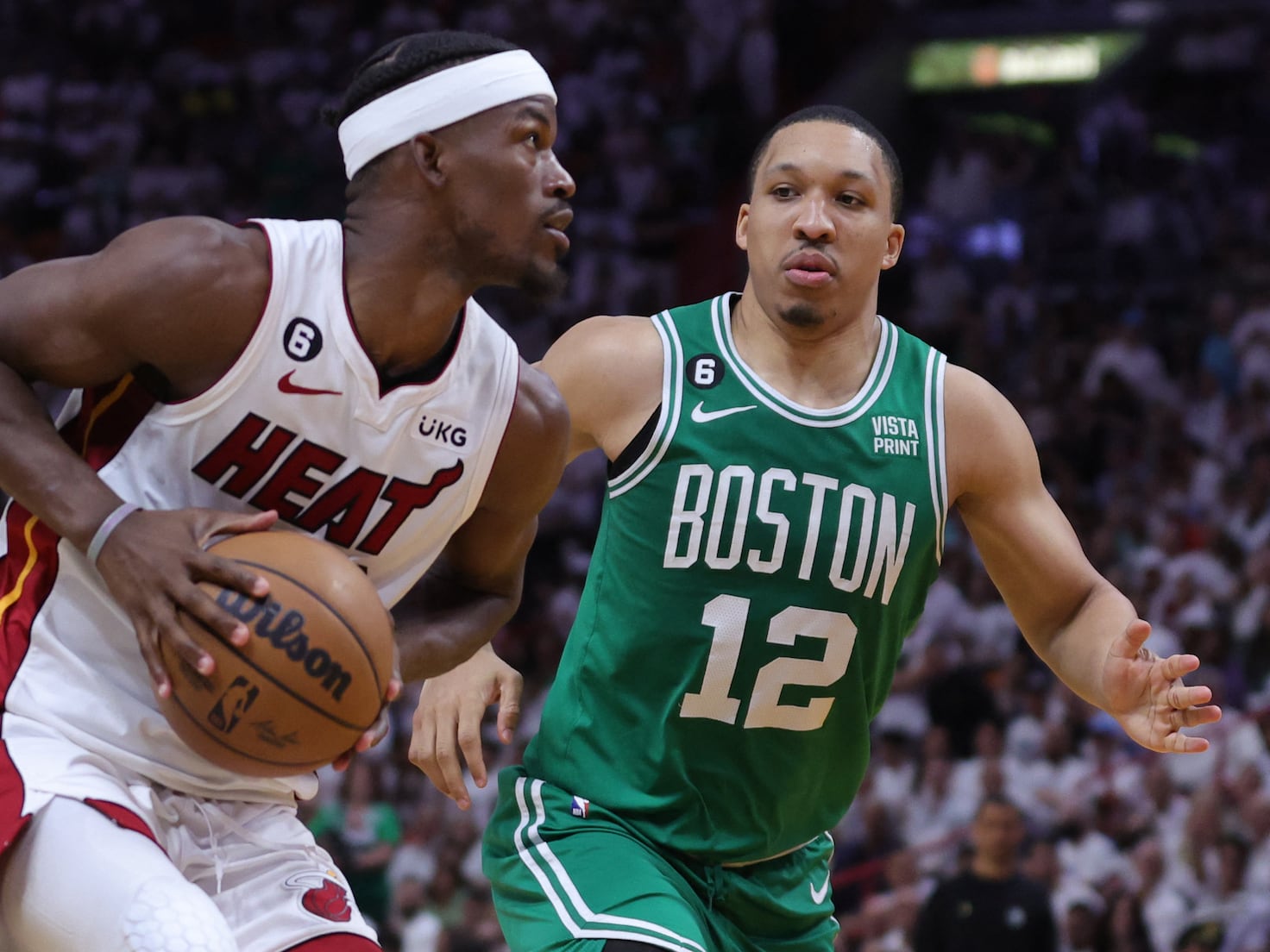
Image Source: img.asmedia.epimg.net
Deciphering Basketball Timeout Rules Across Leagues
Basketball is a fast-paced sport, and timeouts are critical tools for coaches and players to regroup, strategize, and make adjustments. The specific basketball timeout rules dictate how many teams can call, when they can be called, and their duration. These rules differ significantly between major basketball organizations like the NBA, NCAA (college basketball), and FIBA (international basketball). Understanding these variations is crucial for appreciating the strategic nuances of the game.
NBA Timeout Limits: A Detailed Look
The National Basketball Association (NBA) has a well-defined system for NBA timeout limits, designed to balance game flow with the need for strategic intervention.
Standard Game Timeouts
During regulation play, each NBA team is allocated seven timeouts per half. However, these are not simply divided equally. The timeouts are divided into two types:
- Full Timeouts: These last 6 minutes and 30 seconds.
- 20-Second Timeouts: These are shorter, as the name suggests, and are designed for quicker discussions.
The distribution of these timeouts per half is as follows:
- First Half: Teams receive three 20-second timeouts and one 6-minute 30-second timeout.
- Second Half: Teams receive four 20-second timeouts and one 6-minute 30-second timeout.
Key Considerations for NBA Timeouts
- Fourth Quarter Restrictions: The NBA implemented a significant rule change to prevent excessive stoppages late in games. In the fourth quarter, a team can only call a maximum of two 6-minute 30-second timeouts. If a team has used both its full timeouts in the first half, they can still use their allowed 20-second timeouts in the fourth quarter.
- No Carry-Over: Timeouts do not carry over from the first half to the second half, or from one quarter to the next, except for the specific fourth-quarter rules.
- Overtime: In overtime periods, each team is granted three 20-second timeouts per overtime period. There are no full timeouts available in overtime.
Who Can Call a Timeout in the NBA?
In the NBA, timeouts can be called by either a coach timeout or a player timeout.
- Coach Timeouts: Coaches can call timeouts whenever their team has possession of the ball, or during a dead ball situation, such as after a made basket, a foul, or an out-of-bounds play.
- Player Timeouts: A player can call a timeout when their team has possession of the ball. This is often done by a player on the court signaling to the referee.
Timeout Duration Basketball: NBA Specifics
The timeout duration basketball in the NBA is structured to allow for tactical discussions and commercial breaks.
- Full Timeouts: 6 minutes and 30 seconds. These are often strategically used to stop momentum, draw up plays, or rest players.
- 20-Second Timeouts: 20 seconds. These are typically used for quick adjustments, to set up a specific play at the end of a quarter or game, or to prevent a turnover from a trapped player.
College Basketball Timeouts: NCAA Regulations
College basketball, governed by the NCAA, has its own set of basketball timeout rules that differ from the NBA.
NCAA Men’s and Women’s Basketball
Both men’s and women’s NCAA basketball teams are allotted a specific number of timeouts per half.
- Total Timeouts: Each team is granted five timeouts per game.
- Distribution: These five timeouts are divided into:
- Two 75-second timeouts.
- Three 30-second timeouts.
NCAA Timeout Rules by League & Specifics
- No Carry-Over: Timeouts do not carry over between halves.
- Overtime: In NCAA overtime periods, each team is granted one additional 75-second timeout per overtime period. However, a team cannot have more than three timeouts total in any overtime period.
- Player vs. Coach Timeouts: Similar to the NBA, both coach timeouts and player timeouts are permitted in college basketball. A player can call a timeout when their team is in possession of the ball. A coach can call a timeout during a dead ball or when their team has possession.
Timeout Duration Basketball: NCAA Style
The timeout duration basketball in college basketball is generally shorter than in the NBA, with the exception of the 75-second timeouts.
- 75-Second Timeouts: These allow for more in-depth coaching and strategic planning, similar to a full timeout in other leagues.
- 30-Second Timeouts: These are more akin to the 20-second timeouts in the NBA, used for quick adjustments and plays.
FIBA Timeout Rules: International Play
FIBA governs international basketball, and its rules are designed to keep the game moving efficiently while still allowing for strategic stoppages. FIBA timeout rules have some distinct features.
FIBA Timeout Allocation
- Total Timeouts: Each team is allowed two timeouts per half.
- Game Stoppage: Timeouts can only be requested by the coach when the ball becomes dead, the game clock is stopped, and the offending team is not in the act of shooting or dribbling. The ball must be dead, and the clock must be stopped. A player cannot call a timeout during live play.
- No Carry-Over: Timeouts do not carry over from the first half to the second half.
- Overtime: In FIBA overtime, each team is granted one additional timeout per overtime period.
Timeout Duration Basketball: FIBA Interpretation
The timeout duration basketball in FIBA games is generally shorter.
- Standard Timeout Duration: FIBA timeouts last 60 seconds. This is significantly shorter than the full timeouts in the NBA or the 75-second timeouts in NCAA basketball, emphasizing quick adjustments and keeping the game flowing.
Summarizing Timeout Rules by League
To clarify the differences, let’s look at a comparative table:
| Feature | NBA | NCAA (Men’s & Women’s) | FIBA |
|---|---|---|---|
| Total Timeouts | 7 per half (4 in 2nd half, 3 in 1st) | 5 per game | 2 per half |
| Types of Timeouts | Full (6:30), 20-second | 75-second, 30-second | 60-second |
| Overtime Timeouts | 3 x 20-second per OT period | 1 x 75-second per OT (max 3 total) | 1 per OT period |
| Who Can Call | Coach or Player | Coach or Player | Coach Only |
| When Can Call | Possession or Dead Ball | Possession or Dead Ball | Dead Ball (coach request) |
| Timeout Duration | 6:30 or 20 seconds | 75 or 30 seconds | 60 seconds |
Comprehending When You Can Call a Timeout
The timing of a timeout strategy basketball is just as important as the number of timeouts available. Understanding when can you call a timeout is a crucial aspect of game management.
Possession and Dead Balls
Generally, timeouts can be called during two primary scenarios:
- When Your Team Has Possession of the Ball: This is the most common scenario. A player or coach can signal for a timeout when their team is in control of the ball, either dribbling or holding it. This allows a team to stop play and discuss strategy, break defensive pressure, or prevent a turnover.
- During a Dead Ball: A dead ball occurs when play is already stopped. This includes situations like:
- After a made basket.
- After a foul is called.
- When the ball goes out of bounds.
- Between free throws.
- When referees blow their whistle for any infraction or stoppage.
Restrictions on Calling Timeouts
There are specific situations when a timeout cannot be called:
- During a Shot: A timeout cannot be called once a player has begun the act of shooting and the ball is in their hands.
- During a Live Dribble (with specific league exceptions): While many leagues allow a player to call a timeout during a dribble, FIBA generally requires the ball to be dead.
- When the Opposing Team Has Possession: You cannot call a timeout when the other team is in possession of the ball.
The “Team Control” Nuance
In some leagues, the definition of “possession” can be nuanced. For instance, if a loose ball is contested, and neither team has clear control, a timeout typically cannot be called until one team establishes possession.
The Art of Timeout Strategy Basketball
A well-timed timeout can significantly impact the outcome of a basketball game. Timeout strategy basketball involves knowing when to use these valuable resources effectively.
Key Situational Uses for Timeouts
1. Stopping Opponent’s Momentum
When the opposing team goes on a scoring run, and your team is struggling to get defensive stops, calling a timeout can be an excellent way to halt their momentum. It gives your players a chance to breathe, reset, and for the coach to make defensive adjustments.
2. Setting Up a Crucial Play
Late in a close game, with the score tied or your team trailing by a small margin, a timeout can be used to draw up a specific play to get a good shot. This is particularly effective for the last possession of a quarter or game.
3. Preventing Turnovers and Bad Shots
If your team is trapped in a dangerous situation, such as being cornered by full-court pressure or facing imminent shot clock violations, a timeout can prevent a costly turnover or a forced, low-percentage shot.
4. Realigning Defense
After a series of successful plays by the opponent, a timeout can be used to make defensive adjustments, communicate new assignments, or simply remind players of their responsibilities.
5. Resting Players
In crucial moments, if key players are showing signs of fatigue, a coach might call a timeout to allow them a brief rest and to get fresh legs on the court.
6. After a Made Basket (Strategic Disruption)
While not always a primary strategy, sometimes a coach will call a timeout immediately after the opponent scores. This can disrupt the opponent’s celebratory mood, prevent them from immediately getting back on defense, or allow the coach to scheme for the ensuing inbound play.
7. Challenging a Call (NBA)
In the NBA, coaches have a limited number of challenges they can use to review certain calls. If a coach uses a challenge and it’s unsuccessful, they lose a timeout. This adds another layer to timeout strategy basketball.
Common Timeout Mistakes
1. Wasting Timeouts Early
Using timeouts for minor issues or too early in the game can leave a team without essential strategic tools when they are needed most in the final minutes.
2. Not Using Timeouts When Needed
Conversely, some coaches might be hesitant to use timeouts, even when their team is clearly struggling or on the verge of a significant disadvantage.
3. Calling a Timeout Without a Clear Plan
A timeout is most effective when the coach has a specific objective in mind, whether it’s a defensive adjustment, a new offensive play, or a specific player instruction.
The Role of Coach Timeouts vs. Player Timeouts
While both coach timeouts and player timeouts serve the same purpose of stopping play, their tactical implications can differ:
- Coach Timeouts: Coaches have a broader perspective of the game. They can assess the overall flow, identify systemic issues, and implement more complex strategic changes. They are typically more deliberate in their usage.
- Player Timeouts: Player timeouts are often called in more immediate, on-court situations. A player might call a timeout if they are trapped, if they see a tactical advantage in regrouping quickly, or if they feel overwhelmed. This empowers players and allows for immediate on-court decision-making.
Exploring Timeout Rules by League Specifics
The variations in timeout rules by league reflect different philosophies on game management and pacing.
The NBA’s Complex System
The NBA’s system with multiple types of timeouts (full and 20-second) and the specific limitations in the fourth quarter highlights a desire to manage the end-of-game experience. The longer full timeouts are often associated with commercial breaks, which are a significant revenue stream for the league. The 20-second timeouts are crucial for quick strategic adjustments in tight games.
NCAA’s Balanced Approach
The NCAA’s allocation of five timeouts, split between longer and shorter durations, provides a balance for coaches. The 75-second timeouts allow for significant coaching intervention, while the 30-second timeouts offer more agile adjustments. The limited number per game emphasizes the importance of each stoppage.
FIBA’s Emphasis on Flow
FIBA’s shorter timeouts and the coach-only restriction for calling them prioritize a faster, less interrupted game. This aligns with a global audience that may appreciate a more continuous flow of action.
Frequently Asked Questions (FAQ)
Q1: Can a player call a timeout in the NBA?
A1: Yes, in the NBA, a player on the court can call a timeout when their team has possession of the ball.
Q2: How many timeouts does a team get in college basketball?
A2: In college basketball (NCAA), a team is allotted five timeouts per game.
Q3: Can a coach call a timeout in FIBA?
A3: Yes, in FIBA basketball, only the coach can request a timeout.
Q4: What is the duration of a timeout in the NBA?
A4: NBA timeouts are either 6 minutes and 30 seconds (full timeouts) or 20 seconds.
Q5: Do timeouts carry over between halves in any league?
A5: Generally, no. Timeouts do not carry over between halves in the NBA, NCAA, or FIBA, with specific rules for overtime periods.
Q6: When can a coach call a timeout in the NBA?
A6: A coach can call a timeout in the NBA when their team has possession of the ball or during a dead ball situation.
Q7: Are player timeouts allowed in all basketball leagues?
A7: No, player timeouts are typically allowed in the NBA and NCAA, but not in FIBA, where only coaches can call timeouts.
Q8: What is the purpose of a 20-second timeout in the NBA?
A8: A 20-second timeout in the NBA is used for quick strategic adjustments, to set up a specific play, or to prevent a turnover.
Q9: How many timeouts does a team get in overtime in college basketball?
A9: In college basketball, each team gets one additional 75-second timeout per overtime period, with a maximum of three timeouts total in any overtime period.
Q10: Does the number of timeouts change in the final minutes of an NBA game?
A10: Yes, in the NBA’s fourth quarter, a team is limited to a maximum of two 6-minute 30-second timeouts.
By thoroughly grasping the basketball timeout rules, the strategic implications become clearer, showcasing how these stoppages are vital components of competitive basketball at every level.