
In basketball, the exact number of timeouts a team can call depends on the league and the specific game situation. Generally, teams are allotted a set number of team timeouts per half or per game, with additional timeouts sometimes awarded in overtime. These called timeouts are crucial strategic tools.
Basketball timeouts are a fundamental part of the game, allowing coaches to strategize, rest players, and break the opponent’s momentum. But how many of these vital pauses can a team actually take? This guide will break down the intricacies of basketball game timeouts, from league-specific rules to how they impact the flow of play.
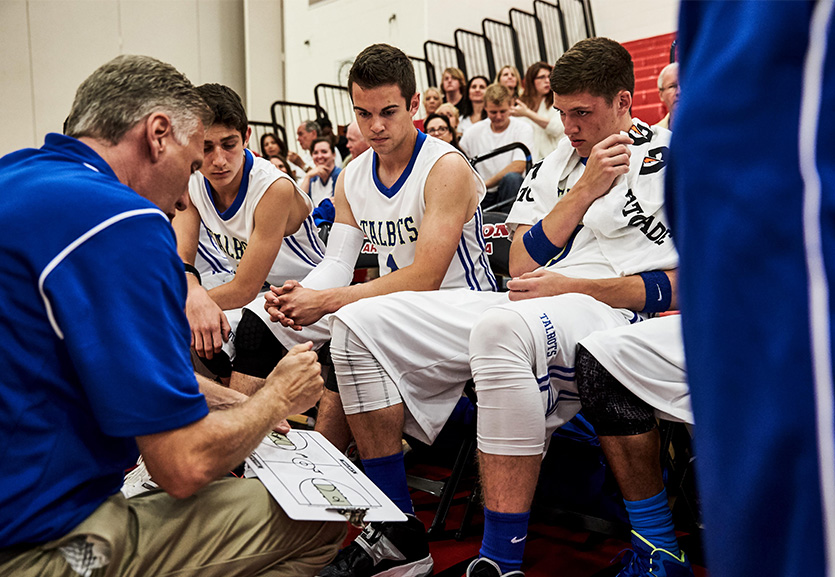
Image Source: www.dickssportinggoods.com
The Basics of Basketball Timeouts
A timeout in basketball is a temporary suspension of play initiated by a coach or player. These breaks are crucial for managing the game’s pace, making tactical adjustments, and preventing fatigue. Understanding the number of remaining timeouts is a key part of a coach’s decision-making process.
Types of Timeouts
Not all timeouts are created equal. Basketball organizations have established different durations and purposes for their time out periods. The most common types include:
- Full Timeouts: These are typically longer, usually 60 seconds. They provide ample time for detailed discussions, substitutions, and strategic planning.
- 30-Second Timeouts: These shorter breaks, as the name suggests, last for 30 seconds. They are often used for quick huddles, tactical adjustments, or to stop the opponent’s momentum.
Who Can Call a Timeout?
Generally, only a head coach or a player on the court can signal for a timeout. However, the rules for when and how they can be called vary. A player can typically only call a timeout when their team has possession of the ball, or after a made basket by the opposing team. This is often referred to as a possession timeout.
NBA Timeout Rules: A Deep Dive
The National Basketball Association (NBA) has a detailed set of rules governing timeouts, designed to balance strategy with game flow. The number of team timeouts a team can use changes depending on the quarter and specific game events.
Standard Game Timeouts
In a standard NBA game, each team is allotted a specific number of timeouts. These are typically divided between the first half and the second half, with the second half having a slightly different allocation.
- First Half: Each team receives three 75-second timeouts in the first half.
- Second Half: Each team receives four 75-second timeouts in the second half.
It’s important to note that these are the most common durations, but the NBA has experimented with different timeout lengths and rules over the years.
The “Short” Timeout
The NBA also allows for a limited number of 30-second timeouts.
- Each team is allowed two 30-second timeouts per half. These are in addition to the 75-second timeouts.
These shorter breaks are often used by coaches to stop an opponent’s scoring run or to quickly set up a play.
Crucial Considerations for NBA Timeouts
Several factors influence when coaches might use their called timeouts:
- Stopping Opponent Momentum: If the opposing team is on a scoring spree, a coaching timeout can halt their rhythm and allow for a defensive adjustment.
- Strategic Adjustments: Coaches use timeouts to change offensive or defensive schemes, counter an opponent’s strategy, or prepare for a critical possession.
- Player Rest: If key players are fatigued, a timeout can provide much-needed rest.
- End-of-Game Situations: The final minutes of an NBA game often see a flurry of timeouts as teams try to preserve clock, draw up plays, or prevent turnovers.
How Many Remaining Timeouts?
Coaches must carefully manage their remaining timeouts. Wasting a timeout early in a quarter can leave a team vulnerable later in the game. Keeping track of how many game timeouts both teams have is a significant part of game management.
Overtime Rules
In NBA overtime periods, each team is typically awarded one 30-second timeout per overtime period. This helps coaches manage the critical, often low-scoring, overtime segments.
NCAA Basketball Timeout Rules: Differences from the NBA
While the core purpose of timeouts remains the same, the rules in NCAA (college) basketball differ significantly from the NBA. These differences impact how coaches manage their team timeouts.
Timeouts in NCAA Basketball
NCAA basketball employs a more streamlined system for its time out periods.
- Each team is generally allowed five timeouts per game.
- These timeouts can be either full timeouts (55 seconds) or 30-second timeouts.
- A team can use a maximum of three 30-second timeouts per game. Once a 30-second timeout is used, it cannot be converted back into a full timeout.
- The final five minutes of each half have a special rule: if a team calls a timeout during this period, they must use one of their full timeouts. This prevents excessive use of 30-second timeouts in crucial moments.
When Can NCAA Timeouts Be Called?
Similar to the NBA, a player can call a timeout only when their team is in possession of the ball. Coaches can call timeouts at any point when the ball is dead or when their team has possession.
Overtime in NCAA Basketball
In NCAA overtime, each team is usually granted one additional timeout per overtime period.
FIBA and International Basketball Timeout Rules
Basketball played under Fédération Internationale de Basketball (FIBA) rules, common in international competitions like the Olympics and World Cup, also has its own specific timeout rules. These often differ from both NBA and NCAA regulations.
FIBA Timeout Structure
FIBA rules aim for a more fluid game with fewer stoppages, but timeouts are still vital strategic tools.
- Each team is typically allotted two 60-second timeouts in the first half of the game.
- In the second half, each team gets three 60-second timeouts.
- The final two minutes of the game are often subject to stricter timeout rules to prevent excessive stoppages.
Key FIBA Timeout Distinctions
- Possession Requirements: In FIBA, a timeout can only be granted to the team that has possession of the ball, or when the ball is dead. This is a more stringent rule than some other leagues.
- No 30-Second Timeouts: FIBA generally does not have the concept of 30-second timeouts; most are 60 seconds long. This means each coaching timeout provides a substantial break.
Strategic Implications of Timeout Usage
The number of remaining timeouts is a critical factor for coaches. The decision to call a timeout can significantly influence the outcome of a game.
Momentum Swings
One of the most common reasons to call a timeout is to stop an opponent’s momentum. If a team goes on a scoring run, a called timeout can disrupt their rhythm, allow the defensive team to regroup, and prevent a significant deficit from growing.
Tactical Adjustments
Timeouts are essential for making tactical adjustments.
- Offensive Adjustments: A coach might call a timeout to draw up a specific play, exploit a weakness in the opponent’s defense, or adjust to a change in personnel on the court.
- Defensive Adjustments: Conversely, a timeout can be used to counter an opponent’s successful offensive strategy, such as a strong inside presence or effective three-point shooting.
Personnel Management
Coaches also use timeouts to manage their players.
- Resting Players: If key players are showing signs of fatigue, a timeout can provide them with a brief rest and a chance to hydrate.
- Injury Management: While not always a strategic choice, timeouts are sometimes called to allow trainers to assess a player who may have sustained an injury.
Clock Management
Especially in the closing minutes of a close game, timeouts are crucial for clock management.
- Stopping the Clock: When trailing, teams will use timeouts to stop the clock and conserve precious seconds when they need to score.
- Advancing the Ball: In many leagues, a team can use a timeout to advance the ball to the frontcourt for a subsequent inbound play, which can be a significant advantage.
Common Misconceptions and Clarifications
There are a few common areas where confusion arises regarding basketball timeouts.
Who Gets the Timeout?
A timeout is granted to the team that requests it. However, the rules dictate when a team can request it. For instance, a player can’t just call a timeout mid-dribble without their team having possession.
Can You Call a Timeout Without the Ball?
Generally, yes, if the ball is dead. This means after a foul, out-of-bounds, or a made basket. However, if the ball is live and in play, the rules are more restrictive. A player can only call a timeout if their team has possession. A coach can call a timeout when the ball is dead.
How Many 30-Second Timeouts Do Teams Have?
As detailed earlier, the number of 30-second timeouts varies by league. The NBA allows two per half, while NCAA permits three per game.
Timeout Situations in Action: Examples
Let’s consider some typical scenarios where timeouts are crucial:
Scenario 1: Halftime Adjustments
A team is down by 10 points at halftime. The coaching timeout at the end of the second quarter, and the longer halftime itself, provides an opportunity for the coach to re-evaluate their strategy, identify what’s not working, and communicate new game plans to the players. This is a crucial coaching timeout opportunity.
Scenario 2: Stopping a Run
The opposing team has made five consecutive shots and is on a 12-0 run. The coach, seeing their team’s defense crumble and momentum shift, calls a 30-second timeout to stop the bleeding. They will use one of their limited 30-second timeouts to regroup and try to regain control of the game.
Scenario 3: Final Possession Play
With 10 seconds left in the game, the trailing team needs a basket. They have one remaining timeout. The coach calls it to advance the ball and draw up a specific play to get their best scorer the ball for a potential game-winning shot. This is a critical use of a called timeout.
Frequently Asked Questions (FAQ)
Here are some common questions about basketball timeouts:
Q1: How many timeouts does an NBA team get per game?
A1: In the NBA, teams receive three 75-second timeouts in the first half and four 75-second timeouts in the second half. They also get two 30-second timeouts per half.
Q2: Can a player call a timeout if their team doesn’t have the ball?
A2: Generally, no. A player can typically only call a timeout when their team has possession of the ball or immediately after a made basket by the opponent. Coaches can call timeouts when the ball is dead.
Q3: What happens if a team runs out of timeouts?
A3: If a team has no remaining timeouts, they cannot call one. This can be a significant disadvantage, especially in close games where strategic stoppages are crucial.
Q4: Are all timeouts the same length?
A4: No. Leagues have different durations, most commonly full timeouts (like 60 or 75 seconds) and 30-second timeouts.
Q5: Does calling a timeout in the NBA advance the ball?
A5: Yes, in the NBA, if a team calls a timeout in the last two minutes of the fourth quarter or the last two minutes of any overtime period, they have the option to advance the ball to the frontcourt for the ensuing inbound pass. This is a critical strategic element.
Q6: How many timeouts are there in college basketball?
A6: NCAA teams typically get five timeouts per game, with a limit on how many 30-second timeouts can be used.
Q7: Can a coach call a timeout during a dead ball situation?
A7: Yes, coaches can typically call a timeout whenever the ball is dead, regardless of possession. This is a key difference from when a player can call a timeout.
Q8: What is a possession timeout?
A8: A possession timeout refers to a timeout that a team can call only when they have possession of the ball. This rule is common across many basketball leagues.
By thoroughly grasping these rules and strategies, fans and players alike can better appreciate the dynamic nature of game timeouts and their impact on the thrilling sport of basketball. Whether it’s a pivotal coaching timeout in the final seconds or a quick 30-second timeout to regroup, these stoppages are as much a part of the game as the buzzer-beaters and slam dunks.