
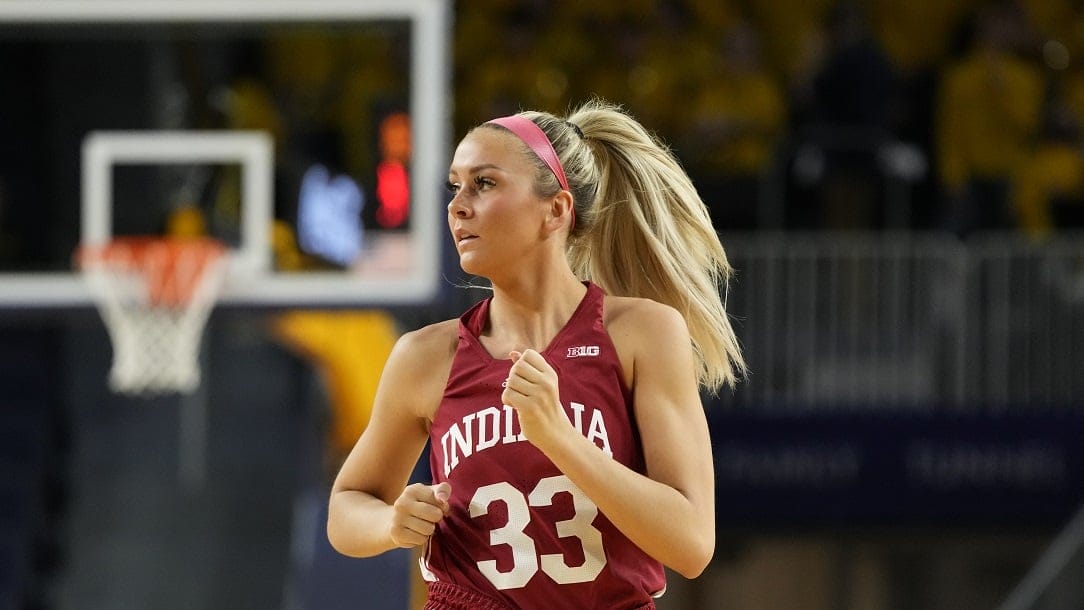
Image Source: ekcfbmsotzc.exactdn.com
How Many Quarters Is Women’s College Basketball?
A standard NCAA women’s college basketball game is divided into four quarters, each lasting 10 minutes of game clock time. This structure replaced the previous two-halves format in the 2015-2016 season.
The evolution of the NCAA women’s basketball game structure has brought about several changes, with the most significant being the adoption of quarters. This shift aims to increase the pace of play, provide more strategic opportunities, and align with international basketball standards. For fans and players alike, understanding the college basketball game periods is crucial to appreciating the flow and strategy of a women’s college basketball game time.
The Shift from Halves to Quarters: A New Era
For decades, college basketball, both men’s and women’s, operated under a two-halves system. This meant two 20-minute halves, providing a total of 40 minutes of game clock time. However, the landscape of basketball is constantly evolving, and with the goal of enhancing the spectator experience and player engagement, the NCAA made a significant decision to move towards a quarter-based system for women’s basketball. This change was implemented to foster a more dynamic and exciting game.
Why the Change? Reasons Behind the Quarter System
The decision to implement quarters was not made lightly. Several factors contributed to this significant alteration in the women’s college basketball regulations:
- Increased Pace of Play: Quarters naturally break up the game into smaller, more manageable segments. This often leads to more aggressive play and fewer extended stretches of stagnation. Coaches can use timeouts more strategically to regroup and adjust their tactics between quarters.
- Alignment with International Standards: Many international basketball federations, including FIBA (International Basketball Federation), have long utilized a quarter system. Adopting this format brings NCAA women’s basketball more in line with the global game, which can be beneficial for players aspiring to play professionally overseas or internationally.
- More Opportunities for Strategic Timeouts: The four-quarter structure allows for more frequent breaks in the game action. This provides coaches with additional opportunities to communicate with their players, make substitutions, and implement specific strategies, potentially leading to more closely contested and tactically interesting matchups.
- Enhanced Fan Engagement: Shorter, more frequent breaks can help maintain audience attention. The ability to recap action and preview upcoming segments at quarter breaks can contribute to a more engaging viewing experience for fans.
Decoding the NCAA Women’s Basketball Quarters
So, how many quarters is women’s college basketball? As stated, it’s four. Each of these quarters plays a vital role in the overall duration of women’s college basketball game.
- Quarter Length: Each quarter is 10 minutes long in terms of game clock time. This means that when the clock stops, the actual time elapsed will be longer.
- Game Clock Stoppages: Similar to men’s basketball and professional leagues, the clock stops for various reasons:
- Fouls
- Out-of-bounds plays
- Timeouts
- Jump balls
- After made baskets in the final minutes of each quarter (specifically, the last two minutes of the second and fourth quarters, and the last minute of the first and third quarters).
- Overtime Periods: If a game is tied at the end of regulation (after four quarters), overtime periods are played. Each overtime period is typically 5 minutes long, with the clock stopping for fouls, timeouts, and out-of-bounds situations.
Comparing Quarters to the Old Halves System
It’s important to remember the women’s college basketball halves format that preceded the current quarter system.
- Previous Format: Two 20-minute halves.
- Total Game Clock Time: 40 minutes in both formats (4 quarters x 10 minutes = 40 minutes; 2 halves x 20 minutes = 40 minutes).
While the total game clock time remains the same, the strategic implications and game flow are distinctly different. The quarter system introduces distinct breaks and resets that can influence momentum and coaching decisions.
The Impact of Quarters on Game Flow and Strategy
The implementation of the quarter system has had a tangible impact on how women’s college basketball games are played and coached.
Strategic Timeouts and Coaching Adjustments
The NCAA women’s basketball quarters offer more natural breaks for coaches to implement strategies.
- Quarter Breaks: Teams get a short break between quarters to huddle, receive instructions, and make adjustments. This is a crucial period for coaches to address tactical issues, defensive schemes, or offensive sets.
- Timeout Allocation: Coaches are allocated a specific number of timeouts per half and per game. The ability to call timeouts strategically within these quarter structures allows for more precise management of game situations, such as stopping runs by the opponent or preserving energy.
- End-of-Quarter Plays: With the clock stopping on made baskets in the final minutes of quarters, teams often have opportunities to run specific plays designed to score just before the buzzer, adding an exciting element to the end of each period.
Player Fatigue and Substitution Patterns
The segmented nature of quarter play can also affect player fatigue and substitution patterns.
- Rest and Recovery: The short breaks between quarters provide players with a brief opportunity to catch their breath and rehydrate. This can be particularly beneficial for key players who are on the court for extended periods.
- Substitution Strategies: Coaches can use the breaks between quarters to make substitutions, allowing for fresh legs on the court and managing player workloads throughout the game. This can lead to deeper rotations and more consistent performance from the entire roster.
Understanding the Clock Stoppages
A critical element in grasping the length of college basketball game and particularly the women’s college basketball time is understanding when the clock stops. The rules governing clock stoppages are designed to ensure fairness and prevent excessive game delays.
- Fouls: When a foul is called, the game clock stops. This is a common reason for clock stoppage throughout the game.
- Out of Bounds: If the ball goes out of bounds, the clock is stopped until the ball is inbounded.
- Timeouts: As mentioned, timeouts cause the clock to stop.
- Made Baskets (Specific Instances):
- In the final two minutes of the second and fourth quarters, the clock stops after a made basket.
- In the final minute of the first and third quarters, the clock stops after a made basket.
This rule is crucial for late-game strategy and allows teams to manage the clock more effectively when trailing or trying to hold a lead.
The Overall Duration of a Women’s College Basketball Game
While the game clock reads 40 minutes (four 10-minute quarters), the actual, or “real,” time of a women’s college basketball game is considerably longer due to these clock stoppages.
- Typical Game Length: A typical women’s college basketball game can last anywhere from 1 hour and 30 minutes to 2 hours or even longer, depending on the number of fouls, timeouts, and the pace of play.
- Factors Affecting Duration:
- Number of Fouls: More fouls mean more clock stoppages.
- Number of Timeouts: Teams have a limited number of timeouts, but how they are used can impact game length.
- Pace of Play: A fast-paced game with quick transitions and few stoppages will naturally be shorter than a slower game with more deliberate possessions.
- Instant Replay Reviews: While less common than in some other sports, instant replay reviews can also add to the overall duration of a game.
- Halftime: A standard halftime break is also a factor in the total time a fan spends watching a game.
What is the “Actual” Time of a Game?
The duration of women’s college basketball game isn’t just about the 40 minutes of game clock. It’s about the total time from tip-off to the final buzzer, including all the breaks and stoppages. This is why you’ll often hear games referred to as being “two hours long” even though the game clock only runs for 40 minutes.
The Women’s Basketball Game Format: A Holistic View
The women’s basketball game format is a carefully constructed system designed to provide a fair and exciting contest. The transition to quarters has undeniably reshaped this format.
Key Components of the Format:
- The Court: Standard basketball court dimensions.
- The Ball: Regulation-sized basketball.
- The Players: Five players per team on the court at a time.
- The Score: Points are awarded for baskets (2 or 3 points) and free throws (1 point).
- The Clock: Four 10-minute quarters with stoppages as described.
- Fouls and Violations: Rules governing player conduct and game play.
- Timeouts: Strategic breaks for teams.
- Overtime: Tie-breaking periods.
How Long is a Women’s College Basketball Game?
To reiterate, the length of college basketball game in women’s NCAA play is dictated by the four 10-minute quarters, but the real-time duration is variable. Planning for a game often means allocating at least two hours to account for all the natural breaks and stoppages that occur.
Frequently Asked Questions (FAQ)
Q1: How many quarters are in a women’s college basketball game?
A1: There are four quarters in a women’s college basketball game.
Q2: How long is each quarter in women’s college basketball?
A2: Each quarter is 10 minutes of game clock time.
Q3: Did women’s college basketball always use quarters?
A3: No, previously women’s college basketball was played in two 20-minute halves. The change to quarters was implemented starting with the 2015-2016 season.
Q4: Does the clock stop during a women’s college basketball game?
A4: Yes, the clock stops for fouls, timeouts, out-of-bounds plays, and in the final minutes of certain quarters after made baskets.
Q5: What is the total game clock time for a women’s college basketball game?
A5: The total game clock time is 40 minutes, comprising four 10-minute quarters.
Q6: How long does a women’s college basketball game typically last in real time?
A6: A typical women’s college basketball game lasts between 1 hour and 30 minutes to 2 hours or more due to clock stoppages and breaks.
Q7: Are the rules for women’s college basketball the same as men’s college basketball regarding quarters?
A7: Yes, both men’s and women’s NCAA Division I basketball now use the four-quarter format.
Q8: Can a game end in a tie in women’s college basketball?
A8: No, if a game is tied at the end of regulation, overtime periods are played until a winner is determined.
This comprehensive look at the structure of women’s college basketball, particularly the NCAA women’s basketball quarters, should provide a clear picture of how the game is played and why the changes were implemented. The shift from halves to quarters has had a lasting impact on the women’s college basketball game format, making it more dynamic and exciting for both players and fans.