
A basketball game is typically divided into four quarters. This is true across most major levels of play, including professional, college, and international basketball.
Basketball’s appeal lies in its fast-paced action and strategic nuances, much of which is dictated by its fundamental basketball game structure. A key element of this structure is how the game is divided into periods of play. So, how many quarters is basketball? As established, the answer is generally four. However, delving deeper reveals that the duration of these quarters and the specific rules governing them can vary depending on the league or governing body. This exploration will unravel the intricacies of game time basketball, covering the basketball period duration and the total quarters in basketball for various popular leagues.
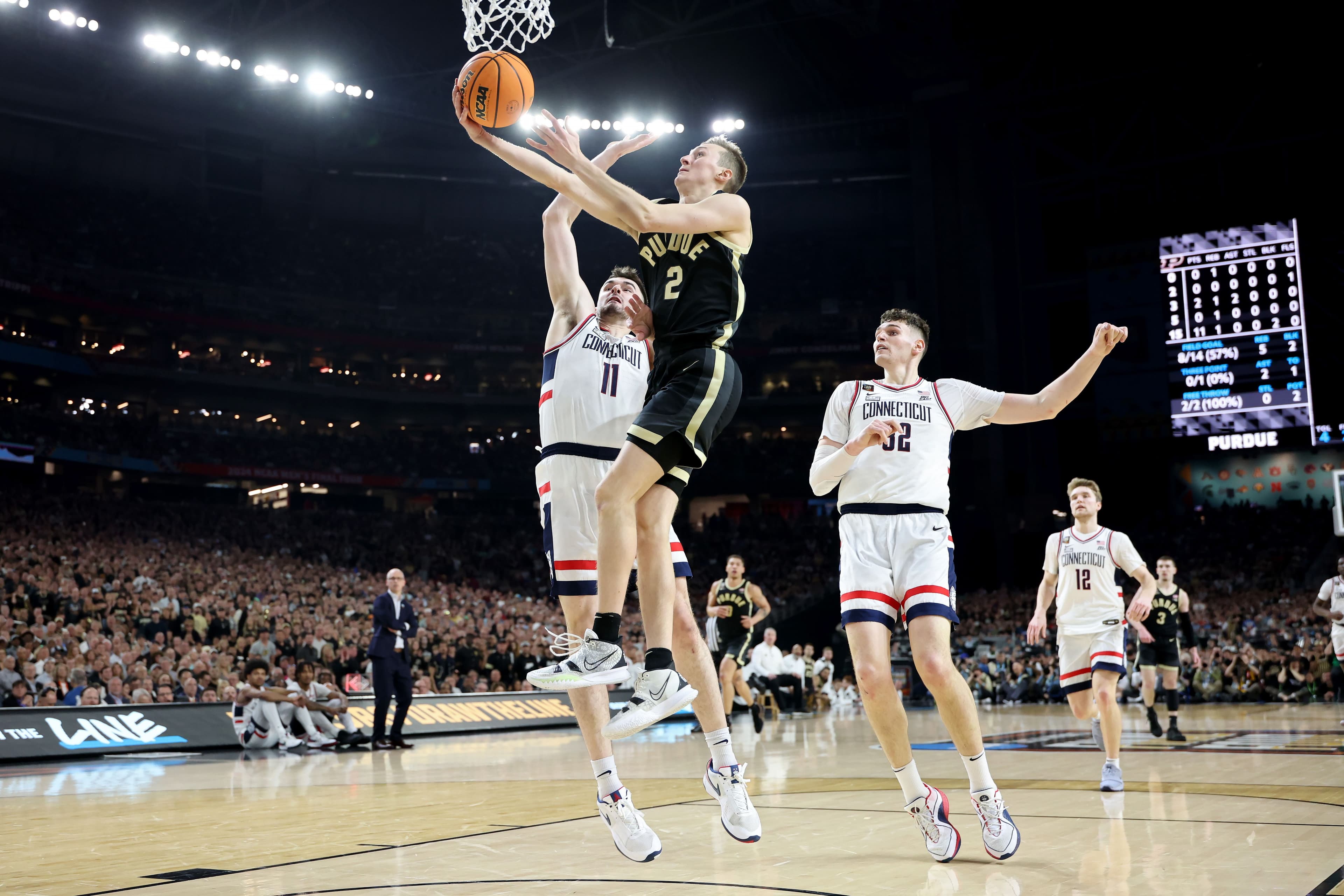
Image Source: www.sportsboom.com
Deciphering the Basketball Game Clock
The concept of a “quarter” in basketball is fundamental to understanding how a professional basketball game unfolds. Each quarter represents a distinct segment of play, contributing to the overall regulation basketball game. The clock stops and starts frequently, making the actual time on the clock different from the real-world time it takes to complete a quarter. This intermittent clock is a core feature of the sport.
NBA Quarters: The Pinnacle of Professional Play
In the National Basketball Association (NBA), the excitement of a professional basketball game is broken down into four quarters.
- Duration: Each NBA quarter lasts for 12 minutes of playing time.
- Total Game Time: This means that a regulation NBA game has a total of 48 minutes of playing time, spread across these four quarters.
- Clock Stoppages: It’s crucial to remember that the clock stops for many reasons, including fouls, out-of-bounds plays, timeouts, and between quarters. Therefore, a 12-minute quarter can often take 15-20 minutes or more to complete in real-time.
- Overtime: If the score is tied at the end of regulation, the game proceeds to overtime periods, which are typically 5 minutes each, until a winner is determined.
Factors Affecting NBA Game Time
Several factors contribute to the actual duration of an NBA game beyond the 48 minutes of playing time:
- Timeouts: Each team has a limited number of timeouts per half and per quarter, which can be strategically used to halt play.
- Fouls and Free Throws: Fouls lead to clock stoppages and potential free-throw attempts, adding to the overall time.
- Reviews and Replays: Officials may review certain plays, which can also extend the game’s length.
- Commercial Breaks: While not part of the playing clock, scheduled commercial breaks between quarters and during media timeouts add to the spectator experience and overall game duration.
College Basketball Quarters: A Different Rhythm
College basketball, particularly in the United States under the NCAA, has a slightly different basketball game structure when it comes to quarters.
- Duration: NCAA men’s and women’s basketball games are divided into two halves, each lasting 20 minutes. However, the NCAA recently transitioned to a four-quarter system for men’s and women’s basketball starting with the 2018-2019 season for women and the 2023-2024 season for men.
- Current Structure (Post-Transition):
- Four 10-minute quarters.
- Total Playing Time: This results in a total of 40 minutes of playing time.
- Previous Structure (for historical context): Before the transition, college games were played in two 20-minute halves. This change brought college basketball closer to the international standard and the NBA’s structure in terms of segmenting the game.
- Clock Stoppages: Similar to the NBA, the clock stops for fouls, out-of-bounds, timeouts, and between quarters.
- Overtime: Overtime periods in college basketball are typically 5 minutes long.
Why the Change in College Basketball?
The shift to a four-quarter system in college basketball was driven by several factors:
- Fan Engagement: Shorter quarters with more breaks for media timeouts can potentially increase engagement and allow for more advertising opportunities.
- Pacing: The change aimed to mimic the more continuous flow of international and professional basketball, potentially speeding up the game and reducing dead ball situations.
- Player Welfare: Some proponents argued that a quarter system might offer more strategic opportunities for rest and adjustments during the game.
FIBA Quarters: The International Standard
The Fédération Internationale de Basketball (FIBA) governs international basketball, and its rules are followed in major tournaments like the Olympics and the FIBA Basketball World Cup. FIBA also adheres to the four-quarter format, with specific details for game time basketball.
- Duration: Each FIBA quarter lasts for 10 minutes of playing time.
- Total Game Time: This equates to a regulation basketball game of 40 minutes of playing time.
- Clock Stoppages: The clock stops for fouls, out-of-bounds, timeouts, and between quarters.
- Overtime: FIBA overtime periods are 5 minutes long.
Key Differences in FIBA Play
While the quarter structure is similar to NCAA college basketball, there are subtle differences in FIBA rules that can impact the flow of play:
- Fewer Timeouts: FIBA teams typically have fewer timeouts available compared to NBA teams, which can lead to quicker decision-making and less strategic pausing of the game.
- Foul Rules: FIBA has different rules regarding personal fouls and team fouls, which can influence player aggression and defensive strategies.
- Game Pace: Generally, FIBA games are known for their fast pace and emphasis on team play and ball movement.
Youth Basketball Quarters: Developing the Game
Youth basketball, catering to younger players, often adopts a modified basketball game structure to suit skill levels and attention spans. The number of quarters remains consistent, but the basketball period duration is usually shorter.
- Duration: Youth basketball quarters can vary significantly depending on the age group and the specific league or organization. Common quarter lengths include:
- 6 minutes
- 8 minutes
- 10 minutes
- Total Game Time: This results in total playing times that can range from 24 minutes to 40 minutes.
- Clock Stoppages: Rules regarding clock stoppages can also be more lenient in youth basketball, with some leagues allowing the clock to continue running on certain fouls or out-of-bounds plays to keep the game moving.
- Focus on Development: The primary goal in youth basketball is player development and enjoyment, so rules are often adapted to facilitate learning and participation.
Adaptations in Youth Basketball
The adaptations in youth basketball are designed to:
- Manage Player Fatigue: Shorter quarters help prevent young players from becoming overly fatigued.
- Increase Participation: More frequent breaks allow for more player substitutions, ensuring more playing time for everyone.
- Simplify Rules: Some rules may be simplified to make the game easier for young athletes to grasp.
Comparing Quarter Durations Across Leagues
To provide a clearer picture, let’s summarize the basketball period duration and total quarters in basketball for the major leagues discussed:
| League/Level | Quarters | Duration per Quarter (Minutes) | Total Playing Time (Minutes) |
|---|---|---|---|
| NBA | 4 | 12 | 48 |
| NCAA College Men’s | 4 | 10 | 40 |
| NCAA College Women’s | 4 | 10 | 40 |
| FIBA (International) | 4 | 10 | 40 |
| Youth Basketball | 4 | 6-10 (Varies) | 24-40 (Varies) |
Note: This table represents standard regulation game times. Overtime periods are not included.
Fathoming the Impact of Quarter Structure on Strategy
The division of a game into quarters significantly influences coaching strategies and player performance. The concept of “quarters” provides natural breaks for teams to regroup, make adjustments, and strategize for the upcoming segment of play.
Strategic Halftime Adjustments
The break between the second and third quarters, often referred to as halftime, is a critical period. Coaches use this extended break to:
- Analyze Performance: Review statistics and video footage from the first half.
- Identify Weaknesses: Pinpoint areas where the opposing team is excelling or where their own team is struggling.
- Implement New Tactics: Develop new offensive plays or defensive schemes to counter the opponent’s strategies.
- Motivate Players: Provide crucial feedback and motivational speeches to the team.
Quarter-by-Quarter Strategy
Beyond halftime, coaches also develop strategies for each individual quarter:
- Opening Quarter: Establishing dominance early, setting a defensive tone, or testing the opponent’s early game plan.
- Second Quarter: Maintaining momentum, capitalizing on any opponent weaknesses discovered, or working to close a gap.
- Third Quarter: Often a crucial period where teams either extend a lead or make a comeback. Fatigue can start to set in, making execution even more important.
- Fourth Quarter: This is typically the “money time.” Strategies focus on executing plays under pressure, managing the clock (especially in close games), and securing the win. Fouling strategies (intentional fouls to stop the clock) become paramount for teams that are trailing.
Is There Any Basketball Played with Different Quarter Structures?
While the four-quarter format is overwhelmingly dominant in organized basketball, it’s worth noting that some informal or developmental leagues, particularly at very young ages, might experiment with different structures. For instance, some introductory programs might use halves or even shorter, timed segments to focus on basic skills and participation rather than strict game structure. However, for any official regulation basketball game at the amateur, collegiate, professional, or international level, the four-quarter system is the standard.
Frequently Asked Questions (FAQ)
Q1: How long is a quarter in basketball?
A1: In the NBA, a quarter is 12 minutes. In college basketball (NCAA) and international basketball (FIBA), a quarter is 10 minutes. Youth basketball quarters can vary from 6 to 10 minutes.
Q2: How many quarters are in an NBA game?
A2: An NBA game has four quarters.
Q3: How many total minutes of playing time are in a college basketball game?
A3: A college basketball game (NCAA) has 40 minutes of playing time, divided into four 10-minute quarters.
Q4: Does the clock stop in basketball?
A4: Yes, the clock stops frequently in basketball for fouls, out-of-bounds plays, timeouts, and between quarters. This means the actual time a quarter takes to play is longer than its official duration.
Q5: What happens if a basketball game is tied after four quarters?
A5: If a game is tied at the end of regulation (after the fourth quarter), it goes into overtime. Overtime periods are typically 5 minutes long in most leagues until a winner is decided.
Q6: Are youth basketball quarters the same length as professional basketball quarters?
A6: No, youth basketball quarters are generally shorter than professional basketball quarters to accommodate younger players. They can range from 6 to 10 minutes.