
A standard women’s basketball game is divided into four quarters. The duration of these quarters varies slightly depending on the league, but they are typically 10 or 12 minutes long.
The structure of a women’s basketball game, like its male counterpart, is designed to create a dynamic and strategic contest. This format, featuring four distinct periods of play, allows for shifts in momentum, strategic adjustments by coaches, and individual player development over the course of the game. Let’s dive into the specifics of how many quarters in a women’s basketball game, exploring the nuances across different levels of play.
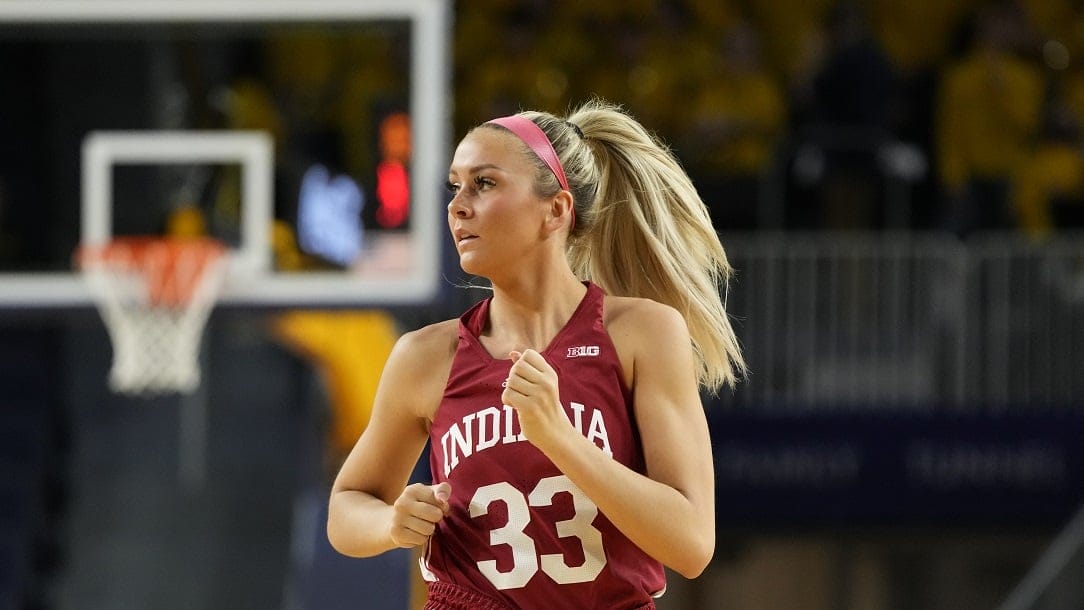
Image Source: ekcfbmsotzc.exactdn.com
The Framework of Women’s Basketball Play
The introduction of quarters fundamentally changed the pacing and flow of basketball. Before this shift, games were played in halves. The adoption of quarters has allowed for more frequent breaks, providing opportunities for teams to regroup, strategize, and manage player fatigue. This is particularly relevant in women’s basketball, where physical demands are significant.
Examining the Women’s Basketball Game Structure
The progression from halves to quarters in basketball was a significant evolution. This change brought the women’s game in line with many professional and international standards, creating a more familiar and consistent viewing experience for fans. The four-quarter format enables a more granular breakdown of game performance, allowing for easier analysis of team and individual statistics within specific segments of play.
Duration of Women’s College Basketball
In NCAA women’s college basketball, the duration of women’s college basketball games adheres to a specific structure designed to balance athletic competition with academic schedules. Each quarter in NCAA women’s basketball is 10 minutes long. This means that the regulation playing time for an NCAA women’s basketball game is 40 minutes, divided into four equal periods.
NCAA Women’s Basketball Period Length
The NCAA’s decision to implement 10-minute quarters has been instrumental in shaping the strategic approaches seen at the collegiate level. This length allows for a good balance of continuous play and necessary breaks. Coaches can strategize for each quarter independently, making in-game adjustments that can significantly impact the outcome.
- Start of Play: Each quarter begins with a jump ball or an inbound pass, depending on the situation.
- Clock Stoppages: The clock stops on whistles for fouls, out-of-bounds plays, timeouts, and certain other situations, similar to professional basketball.
- Halftime: A halftime break occurs between the second and third quarters, usually lasting about 15 minutes. This break is a crucial time for teams to rest and for coaches to deliver halftime adjustments.
- Overtime: If the score is tied at the end of regulation, overtime periods of 5 minutes each are played until a winner is determined.
Basketball Game Timings for Women in College
The overall basketball game timings for women in college, while based on 40 minutes of regulation play, can extend significantly due to clock stoppages. A typical NCAA women’s basketball game often lasts between 1 hour and 45 minutes to 2 hours and 15 minutes, depending on the number of fouls, timeouts, and the pace of play.
Length of WNBA Quarters
The professional arena of the WNBA also follows the four-quarter format, but with a different time allocation. The length of WNBA quarters is 12 minutes each. This means that a regulation WNBA game consists of 48 minutes of playing time.
Quarters in Professional Women’s Basketball
The 12-minute quarter length in the WNBA aligns it with the National Basketball Association (NBA), fostering consistency across professional men’s and women’s basketball. This extended playing time per quarter allows for a greater accumulation of statistics and can lead to more dramatic shifts in momentum within a single period.
- Game Flow: The longer quarters can lead to deeper player rotations and more strategic use of personnel throughout the game.
- Fan Experience: This structure provides more continuous action within each quarter, enhancing the viewing experience.
- International Standards: The WNBA’s 12-minute quarters also match international basketball standards, facilitating smoother transitions for players moving between leagues.
Basketball Quarter Duration Women’s Leagues
Across various professional basketball quarter duration women’s leagues, while 12 minutes is common (like the WNBA), some international leagues or specific tournaments might have variations. However, the overarching trend in modern women’s basketball, from collegiate to professional, is the adoption and standardization of the four-quarter system.
Standard Basketball Quarter Length Women
When we talk about the standard basketball quarter length women play, it’s important to differentiate between the collegiate and professional levels.
- NCAA (College): 10 minutes per quarter
- WNBA (Professional): 12 minutes per quarter
This difference, while seemingly small, impacts game strategy, player endurance, and the overall statistical output.
How Long Is a Women’s Basketball Half?
Although the game is divided into quarters, it’s still useful to consider the concept of halves. In NCAA women’s basketball, a half consists of two 10-minute quarters, totaling 20 minutes of regulation play. In the WNBA, a half consists of two 12-minute quarters, totaling 24 minutes of regulation play. The halftime break separates these two halves.
Women’s Basketball Game Rules Periods
The women’s basketball game rules periods are consistent with the fundamental principles of basketball, but the specific timing of these periods is what distinguishes the levels of play. The division into four quarters is a key element of these rules.
Key Period-Related Rules and Considerations
- Shot Clock: The shot clock, typically 24 seconds in most leagues, is a critical rule that forces offensive action and quick decision-making within each period.
- Fouls: Players are allowed a certain number of personal fouls before they are disqualified from the game. The impact of fouls can be felt differently depending on the length of the quarters and the overall game time.
- Timeouts: Coaches strategically use timeouts to stop the clock, disrupt opponent momentum, or plan their next plays. The number of timeouts available can vary slightly by league and competition.
- Substitutions: Players can be substituted in and out of the game during stoppages in play, allowing coaches to manage player energy and match up with opponents.
Comparing Quarter Lengths and Their Impact
The difference between 10-minute and 12-minute quarters can have a tangible impact on the game.
NCAA vs. WNBA: A Statistical Overview
| Feature | NCAA Women’s Basketball | WNBA |
|---|---|---|
| Quarters per game | 4 | 4 |
| Quarter Length | 10 minutes | 12 minutes |
| Regulation Game Time | 40 minutes | 48 minutes |
| Halftime Break | Between 2nd & 3rd | Between 2nd & 3rd |
| Overtime | 5-minute periods | 5-minute periods |
The additional 8 minutes of regulation play in the WNBA can lead to:
- More Scoring Opportunities: With more playing time, there are generally more chances for points to be scored.
- Increased Player Fatigue: Longer quarters can test players’ endurance, potentially leading to more mistakes or strategic decisions based on energy levels.
- Greater Statistical Accumulation: Players are likely to accumulate higher individual statistics (points, rebounds, assists, etc.) in WNBA games compared to NCAA games, simply due to the extended playing time.
- Deeper Rotations: Coaches in the WNBA might utilize their bench more extensively to manage player fatigue throughout the 48 minutes of play.
The Evolution of Game Structure
The shift to a four-quarter system in women’s basketball was not just a cosmetic change. It was a strategic move to modernize the sport and align it with global basketball standards. This standardization helps in the development of the sport and makes it more accessible and understandable for a wider audience.
Fathoming the Benefits of the Four-Quarter Format
The four-quarter structure offers several advantages:
- Improved Game Management: It allows for more frequent breaks, which can be beneficial for player recovery and strategic planning by coaches.
- Enhanced Spectator Engagement: The more frequent breaks can provide natural points for advertising and fan engagement, contributing to the commercial viability of the sport.
- Greater Tactical Flexibility: Coaches can break down the game into smaller, manageable segments, allowing for more targeted adjustments and strategies for each quarter.
- Closer Competition: By offering more opportunities for momentum swings, the four-quarter format can sometimes lead to more tightly contested games.
Frequently Asked Questions (FAQ)
Q1: How many quarters are in a typical women’s basketball game?
A1: A typical women’s basketball game is divided into four quarters.
Q2: What is the length of a quarter in NCAA women’s college basketball?
A2: In NCAA women’s college basketball, each quarter is 10 minutes long.
Q3: How long are the quarters in the WNBA?
A3: Quarters in the WNBA are 12 minutes long.
Q4: Does the number of quarters change for men’s and women’s basketball?
A4: No, both men’s and women’s basketball games at the professional and collegiate levels are typically played in four quarters. The primary difference lies in the duration of those quarters.
Q5: What happens if a women’s basketball game is tied at the end of regulation?
A5: If a game is tied at the end of regulation, overtime periods are played. These overtime periods are usually 5 minutes long, and they continue until one team has a lead at the end of an overtime period.
Q6: Is the halftime break the same in all women’s basketball leagues?
A6: The halftime break typically occurs between the second and third quarters and is usually around 15 minutes. While the exact duration can vary slightly by league or tournament, it serves the same purpose of allowing teams to rest and strategize.
Q7: Are there any major women’s basketball leagues that do not use quarters?
A7: In modern, organized women’s basketball at the collegiate and professional levels, the four-quarter format is the standard. Historically, games were played in halves, but the quarter system has become the established norm.
Q8: How does the quarter system affect game strategy?
A8: The quarter system allows coaches to approach the game in more segmented ways. They can focus on winning individual quarters, making specific adjustments at quarter breaks, and managing player minutes more precisely within each 10- or 12-minute block. This contrasts with a half-time only strategy.
In conclusion, the number of quarters in a women’s basketball game is consistently four. The specific duration of these quarters, however, distinguishes between different levels of play, with NCAA games featuring 10-minute quarters and WNBA games utilizing 12-minute quarters. This structure is a fundamental aspect of the women’s basketball game structure, influencing everything from player endurance to game-time strategy and the overall fan experience.