
A standard basketball game is divided into four quarters. This structure applies across most major basketball leagues, including professional, collegiate, and international play, ensuring a consistent flow and pacing for the duration of the basketball game length.
Basketball, a sport celebrated for its fast pace and strategic depth, is structured into distinct periods to manage its flow and intensity. The fundamental unit of this structure is the quarter. But how many quarters constitute a full basketball game? The answer is universally four quarters in a standard game. However, the duration of these quarters and the rules surrounding them can vary significantly depending on the league or level of play. This article delves into the specifics of basketball quarters across different major organizations, from the professional NBA to international FIBA rules and even youth leagues, providing a comprehensive look at how the game is divided. We’ll explore the NBA quarters, college basketball quarters, WNBA quarters, and international variations to give you a complete picture of basketball periods.
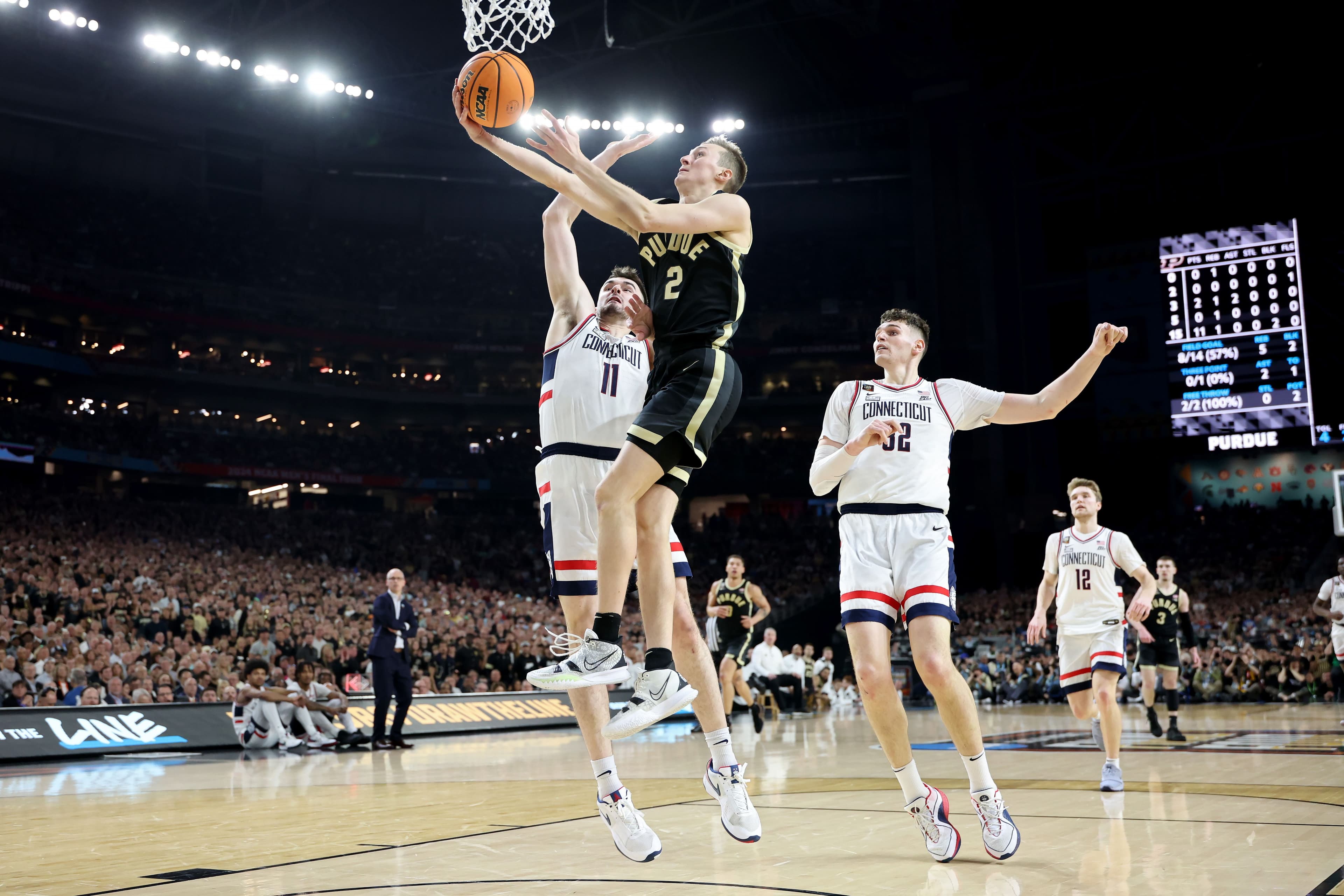
Image Source: www.sportsboom.com
The Structure of a Standard Basketball Game
A standard basketball game is designed to be a test of endurance, skill, and strategy over a set period. The division into quarters is a key element that allows for strategic adjustments, team substitutions, and planned breaks, contributing to the overall basketball game length.
Here’s a basic breakdown of the common structure:
- Four Quarters: The game is divided into four distinct periods of play.
- Breaks: There are breaks between quarters and a longer halftime break between the second and third quarters.
- Overtime: If the score is tied at the end of regulation play, overtime quarters are played to determine a winner.
This foundational structure provides a consistent framework, but the devil is in the details when we examine specific leagues.
NBA Quarters: The Pinnacle of Professional Basketball
The National Basketball Association (NBA) is the premier professional basketball league in the world. The structure of an NBA game is well-defined, with each of the NBA quarters playing a crucial role in the 48-minute basketball game length.
Duration of NBA Quarters
- Regulation Quarters: Each of the four regulation quarters in the NBA lasts for 12 minutes.
- Total Regulation Time: This means a standard NBA game has a regulation playing time of 48 minutes (4 quarters x 12 minutes/quarter).
Breaks in NBA Games
- Between Quarters 1 & 2: There is a 130-second break between the first and second quarters.
- Halftime: A longer halftime break of 15 minutes occurs between the second and third quarters. This break allows teams to rest, strategize, and for entertainment during the broadcast.
- Between Quarters 3 & 4: Another 130-second break is observed between the third and fourth quarters.
Overtime in the NBA
If a game is tied at the end of the fourth quarter, it goes into overtime.
- Overtime Period: Each overtime quarter in the NBA lasts for 5 minutes.
- Multiple Overtimes: If the score remains tied after the first overtime period, subsequent 5-minute overtime quarters are played until a winner is determined.
Key Factors in NBA Quarter Play
The 12-minute duration of NBA quarters allows for significant strategic development. Coaches often use timeouts strategically within quarters to disrupt opponent momentum, draw up plays, or rest key players. Player fatigue also becomes a factor as quarters progress, influencing coaching decisions and substitution patterns. The intensity and pace of NBA quarters are generally higher than in other leagues due to the elite athleticism of the players.
NCAA Basketball Quarters: College Play Differences
College basketball, governed by the National Collegiate Athletic Association (NCAA), presents a slight variation in its quarter structure compared to the NBA. While still featuring four quarters, the duration differs, impacting the overall basketball game length.
Duration of NCAA Quarters
- Regulation Quarters: In NCAA men’s and women’s basketball, each of the four regulation quarters lasts for 10 minutes.
- Total Regulation Time: This results in a total regulation playing time of 40 minutes (4 quarters x 10 minutes/quarter).
Breaks in NCAA Games
- Between Quarters: There are 60-second breaks between the first and second quarters, and between the third and fourth quarters.
- Halftime: A 15-minute halftime break is observed between the second and third quarters.
Overtime in NCAA Basketball
Similar to the NBA, NCAA games can go into overtime if tied at the end of regulation.
- Overtime Period: Each overtime quarter in NCAA basketball lasts for 5 minutes.
- Multiple Overtimes: As with the NBA, if the score is still tied after the first overtime period, additional 5-minute overtime quarters are played until a winner emerges.
Key Differences in NCAA vs. NBA Quarters
The shorter 10-minute college basketball quarters mean that strategies and momentum shifts can happen more rapidly. Teams have less time within each period to establish dominance or recover from a scoring drought. This can sometimes lead to more unpredictable game outcomes, especially in close contests. The slightly shorter basketball game length also means that player stamina management might differ, though the intensity of college play is certainly not diminished.
WNBA Quarters: Women’s Professional Basketball
The Women’s National Basketball Association (WNBA) aligns its game structure with the NBA, featuring longer quarters than collegiate play. This ensures a consistent professional standard and comparable basketball game length.
Duration of WNBA Quarters
- Regulation Quarters: Each of the four regulation quarters in the WNBA lasts for 12 minutes.
- Total Regulation Time: This gives the WNBA a total regulation playing time of 48 minutes (4 quarters x 12 minutes/quarter), mirroring the NBA.
Breaks in WNBA Games
The break structure in the WNBA is also identical to the NBA:
- Between Quarters 1 & 2: 130-second break.
- Halftime: 15-minute halftime break between the second and third quarters.
- Between Quarters 3 & 4: 130-second break.
Overtime in the WNBA
The WNBA also employs the same overtime rules as the NBA:
- Overtime Period: Each overtime quarter is 5 minutes long.
- Multiple Overtimes: Additional 5-minute overtime quarters are played if necessary to break a tie.
Significance of WNBA Quarter Structure
The alignment with NBA quarter lengths emphasizes the professional standard and competitive parity the WNBA aims to achieve. The 12-minute WNBA quarters allow for the same strategic depth and player performance considerations as seen in the NBA, contributing to a compelling basketball game length for fans.
FIBA Quarters: International Basketball Rules
International basketball, governed by the Fédération Internationale de Basketball (FIBA), follows a slightly different structure for its basketball periods and overall basketball game length, which is important for understanding global variations in the sport.
Duration of FIBA Quarters
- Regulation Quarters: Under FIBA rules, each of the four regulation quarters lasts for 10 minutes (of playing time).
- Total Regulation Time: This means a standard FIBA-sanctioned game has a regulation playing time of 40 minutes (4 quarters x 10 minutes/quarter).
Breaks in FIBA Games
- Between Quarters: There are 2-minute breaks between the first and second quarters, and between the third and fourth quarters.
- Halftime: A 15-minute halftime break occurs between the second and third quarters.
Overtime in FIBA
FIBA also utilizes overtime to resolve ties.
- Overtime Period: Each overtime quarter in FIBA is 5 minutes long.
- Multiple Overtimes: If the score is still tied after the first overtime period, additional 5-minute overtime quarters are played.
Key FIBA Rules Impacting Quarters
FIBA’s 10-minute quarters mean the international game often has a faster pace and can feel more condensed compared to the NBA. The rules regarding timeouts and fouls can also differ, influencing how teams manage their basketball periods. For instance, FIBA has specific rules about when timeouts can be called, which can affect game flow. Understanding these differences is crucial for appreciating the nuances of international competitions like the Olympics or the FIBA Basketball World Cup.
Youth Basketball Quarters: Developing the Game
Youth basketball leagues, aimed at developing young athletes, often use shorter quarters to manage player fatigue and increase playing time for all participants. The exact structure can vary significantly between different organizations and age groups.
Common Youth Basketball Quarter Structures
While there’s no single universal rule, common practices include:
- Shorter Quarters: Quarters can range from 6 minutes to 8 minutes in length.
- Number of Quarters: Most youth leagues still adhere to the four-quarter format.
- Running Clock: Some younger age groups may utilize a running clock for most of the game, stopping only for timeouts or severe infractions, to maximize playing time.
- Foul Limits: Players often have higher foul limits or different foul-out rules to ensure they can stay in the game.
Goals of Youth Basketball Quarter Rules
The primary goal in youth basketball is player development and enjoyment. Shorter youth basketball quarters and modified rules help ensure:
- Reduced Fatigue: Young players have less stamina, and shorter periods prevent excessive exhaustion.
- Increased Participation: More playing time for all athletes encourages engagement and skill development.
- Focus on Fundamentals: The game’s pace is managed to allow for more teaching opportunities.
The variation in youth basketball quarters means it’s essential for parents and coaches to check the specific rules of their league.
Comparing Quarter Structures: A Table Overview
To clearly illustrate the differences, here’s a comparative table of the regulation quarter lengths and total game times for major basketball organizations:
| League/Organization | Quarter Length (Minutes) | Total Regulation Time (Minutes) | Overtime Quarter Length (Minutes) |
|---|---|---|---|
| NBA | 12 | 48 | 5 |
| WNBA | 12 | 48 | 5 |
| NCAA (Men’s & Women’s) | 10 | 40 | 5 |
| FIBA | 10 | 40 | 5 |
| Youth Basketball | 6-8 (Varies) | 24-32 (Varies) | Varies (often shorter) |
This table highlights how the duration of NBA quarters and WNBA quarters provides a longer professional game, while NCAA and FIBA games are shorter in regulation time.
The Impact of Quarter Length on Game Strategy and Flow
The number of quarters in a basketball game is always four, but the length of those quarters significantly influences strategy, momentum, and the overall feel of the game.
Strategic Adjustments
- NBA/WNBA (12-minute quarters): The longer quarters allow coaches more time to make in-game adjustments. They can use timeouts to halt opponent runs, refine defensive schemes, or establish offensive sets without feeling as rushed. Player substitutions can be more deliberate.
- NCAA/FIBA (10-minute quarters): With shorter quarters, strategic adjustments need to be quicker. A timeout might be more critical for preventing a sudden shift in momentum. Teams must be more efficient with their possessions and defensive execution.
Momentum and Fatigue
- Longer Quarters: In 12-minute quarters, fatigue can become a more pronounced factor. Teams with deeper benches and better conditioning can gain an advantage in the later stages of a quarter. Momentum swings can be sustained for longer periods within a single quarter.
- Shorter Quarters: The shorter duration can sometimes lead to more dramatic shifts in momentum, as a quick burst of scoring can significantly alter the score within a single period. Fatigue is still a factor, but its impact might be slightly less pronounced across the entire game compared to the NBA.
Pacing and Rhythm
The length of quarters directly affects the pace of the game. The NBA and WNBA, with their 12-minute quarters, often showcase a more controlled, strategic build-up within each period. NCAA and FIBA games, with their 10-minute quarters, can sometimes feel more frenetic and fast-paced, with less time for deliberate play.
Frequently Asked Questions (FAQ)
Q1: How many quarters are in a standard basketball game?
A: A standard basketball game always consists of four quarters.
Q2: How long is an NBA quarter?
A: Each NBA quarter is 12 minutes long.
Q3: How long is a college basketball quarter?
A: College basketball quarters (NCAA) are 10 minutes long.
Q4: Do WNBA quarters have the same length as NBA quarters?
A: Yes, WNBA quarters are also 12 minutes long.
Q5: What happens if a basketball game is tied after four quarters?
A: If a game is tied after the regulation four quarters, overtime quarters are played. The length of these overtime periods varies by league but is commonly 5 minutes.
Q6: Are there differences in basketball periods across international rules like FIBA?
A: Yes, FIBA quarters are 10 minutes long, similar to NCAA games, differing from the 12-minute quarters in the NBA and WNBA.
Q7: Does youth basketball use the same quarter lengths?
A: Youth basketball quarters are typically shorter, often ranging from 6 to 8 minutes, to accommodate player development and manage fatigue.
Q8: What is the total regulation playing time in an NBA game?
A: The total regulation playing time in an NBA game is 48 minutes (4 quarters x 12 minutes).
Q9: What is the total regulation playing time in an NCAA or FIBA game?
A: The total regulation playing time in NCAA and FIBA games is 40 minutes (4 quarters x 10 minutes).
Q10: Can a basketball game have more than four quarters?
A: A regulation game has four quarters. However, if the score is tied, overtime quarters are added until a winner is decided, meaning a game can extend beyond the initial four quarters.