
In basketball, a single free throw is worth one point. This fundamental aspect of the basketball scoring system allows players a chance to score without the immediate pressure of defenders. Understanding the value of each free throw point is crucial for appreciating the ebb and flow of a game and how teams strategize to maximize their offensive output.
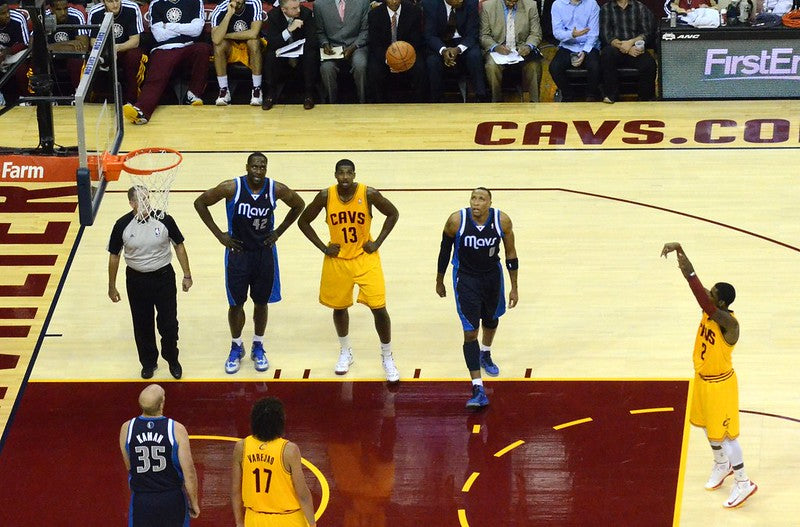
Image Source: shopecoball.com
The Foundation of Basketball Scoring
Basketball scoring is built upon a simple, yet dynamic, point system. The most common scores in a game are:
- Three-Point Field Goals: Shots made from beyond the three-point line, worth three points.
- Two-Point Field Goals: Shots made from inside the three-point line, worth two points.
- One-Point Free Throws: Shots awarded after certain fouls, worth one point.
This hierarchy of points dictates offensive strategy, defensive focus, and ultimately, the final score. While three-pointers can swing momentum quickly, the consistent addition of one point from free throw points can steadily build a lead or chip away at an opponent’s advantage.
How Free Throws Score: The Mechanics
How free throws score is tied directly to fouls committed by the opposing team. When a player is fouled while shooting, or when certain technical fouls occur, they are awarded free throw attempts. These are uncontested shots taken from the free-throw line. The player must shoot without any defensive interference. If the shot goes in, it contributes one point to the team’s total score.
The number of free throws awarded typically depends on the situation:
- Fouled in the Act of Shooting:
- If the shot is missed, the player gets two free throws (for a two-point attempt) or three free throws (for a three-point attempt).
- If the shot is made, the player gets one additional free throw. This is known as an “and-one” opportunity, where the team potentially scores three points on a single play.
- Team Fouls Exceeding the Limit: Once a team accumulates a certain number of fouls in a half (the “bonus” or “penalty” situation), any subsequent non-shooting fouls committed by that team result in the fouled player being awarded two free throws, regardless of whether they were shooting.
Deciphering Free Throw Value
The free throw value might seem straightforward at one point per shot, but its strategic importance goes far beyond that singular point. Consider these aspects:
- Consistency: Elite free throw shooters can reliably convert these opportunities, turning potential points into actual points. A player shooting 80% from the line is expected to score 0.8 points per attempt, a very efficient scoring method when compared to the lower field goal percentages often seen in a game.
- Momentum Swings: A player stepping up to the line with the game on the line can either build confidence or falter under pressure. Making crucial free throws can energize a team and demoralize opponents.
- Fatigue Management: Free throws are a less physically taxing way to score compared to driving to the basket or battling for a rebound. They allow players to contribute points even when tired.
- Strategic Fouling: Teams may intentionally foul opponents, especially at the end of games, to stop the clock and regain possession. This strategy hinges on the opponent’s free throw shooting ability. If they are poor free throw shooters, this tactic can be highly effective.
A Free Throw Points Breakdown
Let’s delve into a free throw points breakdown to illustrate its impact:
- A single made free throw: 1 point
- Two made free throws: 2 points
- Three made free throws: 3 points (usually awarded after being fouled on a missed three-point shot)
- An “and-one” situation: A made basket (2 or 3 points) plus one made free throw, totaling 3 or 4 points for a single possession.
This breakdown highlights how a single foul can lead to a significant scoring opportunity, directly impacting the overall basketball scoring total.
The Role of Free Throws in Scoring in Basketball
Scoring in basketball is a multifaceted endeavor, and basketball free throws play a vital, often underestimated, role. While highlight-reel dunks and long-range threes capture the imagination, the quiet accumulation of points from the free-throw line is the backbone of many successful teams.
Statistical Significance of Free Throws
The importance of free throws is evident in various statistical analyses. Consider points per free throw:
- A player shooting 100% from the line is generating 1 point for every attempt.
- A player shooting 50% from the line is generating 0.5 points for every attempt.
This metric helps evaluate a player’s efficiency. For example, a player who draws many fouls and shoots a high percentage from the line can be an incredibly effective offensive weapon, even if their field goal percentage isn’t exceptionally high.
Analyzing Free Throw Attempts
Free throw attempts are a direct indicator of how aggressively a player attacks the basket and how often they are drawing contact from defenders. Players who are adept at drawing fouls are often strong drivers who can finish through contact or have excellent footwork to create shooting opportunities.
- High Volume Free Throw Shooters: Players like Shaquille O’Neal, despite his struggles at the line, were legendary for drawing an immense number of fouls due to their physical presence and dominance in the paint. Even with a low percentage, the sheer volume of attempts meant a significant number of points were still scored.
- Efficiency Matters: Conversely, players like Stephen Curry, known for his three-point shooting, also draw a respectable number of fouls, and their high free-throw percentage (often above 90%) makes every trip to the line incredibly valuable.
The Impact of Free Throw Percentage
The free throw value is amplified or diminished by a player’s shooting percentage.
- Above 80%: Considered excellent. These players are reliable scorers from the line and can be trusted in clutch situations.
- 70-80%: Good. A solid percentage that contributes positively to scoring.
- 60-70%: Average. Capable of scoring but can be inconsistent.
- Below 60%: Poor. These players can be a liability at the free-throw line, as opponents may intentionally foul them to force them to shoot.
The basketball point system rewards efficiency, and no area highlights this more than free throws.
Strategic Implications of Free Throws
The presence of free throws introduces a layer of strategic complexity to basketball. Coaches and players alike must consider the implications of fouls, both offensively and defensively.
Offensive Strategies Centered on Free Throws
- Driving to the Basket: Players are often encouraged to drive aggressively into the lane, not just to score two points, but to draw fouls and earn free throw attempts. This strategy can wear down opposing big men and put them in foul trouble.
- “And-One” Opportunities: Exploiting opportunities to score and draw a foul is a high-efficiency play. Mastering this allows teams to convert potential two-point possessions into three-point swings.
- Free Throw Pacing: In close games, teams might slow down the pace to ensure they get fouled and get to the line, controlling the clock and opportunities to score.
Defensive Strategies and Free Throws
- Avoiding Unnecessary Fouls: Defenders are coached to play disciplined defense, especially when the opposing team is in the bonus. Reaching, holding, or unnecessary contact can lead to easy points for the opponent.
- Strategic Fouling: As mentioned, intentionally fouling at the end of games is a common tactic to stop the clock. The success of this strategy depends heavily on the opponent’s free-throw shooting. If a team has a poor free-throw shooter on the floor, fouling them can be a sound defensive move.
- Targeting Weak Free Throw Shooters: Conversely, a team might employ a defensive strategy that forces the ball into the hands of a poor free-throw shooter, hoping they will miss their attempts when fouled.
Free Throw Attempts in Clutch Moments
The pressure of the final minutes of a close game can amplify the significance of free throw attempts. A player who can consistently make free throws under duress is invaluable. These moments often dictate the outcome of games, and the ability to earn and convert free throws can be the difference between victory and defeat.
Free Throws: More Than Just One Point
While a single free throw is unequivocally worth one point in the basketball point system, its true free throw value extends far beyond that single digit. It is a fundamental component of offensive efficiency, a strategic tool for both offense and defense, and a test of a player’s mental fortitude.
The free throw points breakdown shows a simple additive process: 1 point per shot. However, the context in which these shots are taken—the fouls that lead to them, the percentage with which they are made, and the game situation—all contribute to their overall impact on scoring in basketball.
When you watch a game, pay attention not just to the spectacular dunks or three-pointers, but also to the quiet efficiency of basketball free throws. They are a consistent source of points and a crucial element in determining the winner of any basketball contest. From the grassroots level of pick-up games to the professional arenas of the NBA, mastering the art of the free throw is a key to success in the sport. The accumulation of these single points, shot after shot, can be the deciding factor in achieving victory.
Frequently Asked Questions (FAQ)
What determines how many free throws a player gets?
A player typically receives two or three free throws if they are fouled in the act of shooting and miss the shot. If they are fouled in the act of shooting and make the shot, they get one additional free throw (an “and-one”). If a team is over the foul limit (in the bonus), players might get two free throws for non-shooting fouls. Technical fouls can also result in free throws.
Can a free throw be worth more than one point?
No, in standard basketball rules, a made free throw is always worth exactly one point. The “and-one” situation allows a team to score three or four points on a single play (basket plus free throw), but each component is still valued individually: the basket is worth two or three points, and the free throw is worth one point.
What is the “bonus” in basketball regarding free throws?
The “bonus” refers to the situation where a team has committed a certain number of fouls in a period (usually the second half or a quarter, depending on the league rules). Once a team reaches this foul limit, any subsequent fouls committed by that team result in the opposing team being awarded two free throws, even if the foul was not on a shooting play.
How does drawing fouls help a team score?
Drawing fouls stops the clock, allows players to score efficiently from the free-throw line, and can put opposing players in foul trouble, potentially limiting their playing time or forcing them to play less aggressively. It’s a key offensive strategy to exploit the basketball point system.
What is the difference between a free throw and a technical foul shot?
Both are shot from the free-throw line and are worth one point. The primary difference is how they are awarded. Free throws are usually awarded for fouls committed against a player during active play (shooting fouls, team fouls in the bonus). Technical foul shots are awarded for unsportsmanlike conduct, arguing with officials, or other rule violations that don’t involve direct physical contact with an opponent during a play.
How important are free throws in winning close games?
Extremely important. In close games, where the margin of victory is often just a few points, consistent free-throw shooting can be the deciding factor. Players who can make crucial free throws under pressure are highly valued for their ability to secure wins.