
A typical basketball team has five players on the court at any given time. However, the total number of players on a basketball squad can vary depending on the league and level of play, with professional leagues like the NBA having larger rosters.
The question of “how many players on a basketball team?” is more nuanced than simply stating the number on the court. While five players represent the active force during a game, the entire basketball squad limits extend far beyond this on-court presence. These limits dictate the total number of individuals available to a team, encompassing starters, bench players, and even those who might be injured or not actively participating in a specific game. Let’s dive into the specifics of basketball team size across different levels of play.
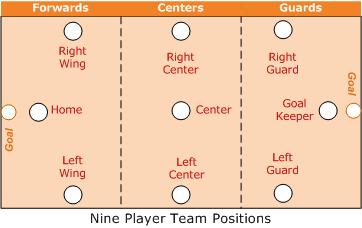
Image Source: hooptactics.net
The Core of the Game: Five on the Floor
At its most fundamental level, basketball is played with two teams, each fielding five players simultaneously on the court. This is a universal rule across most organized basketball, from youth leagues to professional competitions. These five players are strategically positioned: typically one point guard, two guards, two forwards, and one center, though modern basketball often sees more fluid and positionless play. These five individuals are responsible for offense, defense, rebounding, and executing the team’s strategy during live play. The number of players on court is the most visible aspect of a team’s structure.
The Starting Lineup Basketball
Every game begins with a starting lineup basketball. This consists of five players who take the court at the opening tip-off. Coaches select their starting lineup based on a variety of factors, including the opponent’s strengths and weaknesses, player performance in recent games, and strategic matchups. The starting five often comprises the team’s primary scorers, playmakers, and defensive anchors. They are tasked with setting the tone for the game and establishing an early advantage.
Substitutions Basketball: Keeping Fresh Legs
The dynamic nature of basketball necessitates substitutions basketball. Coaches can replace players on the court with those on the bench to maintain energy levels, exploit matchups, or respond to tactical changes. The rules regarding substitutions vary slightly, but generally, a player can enter the game when play is stopped and the referee signals them on. The ability to make effective substitutions is a crucial part of a coach’s strategy, allowing them to manage fatigue and optimize their team’s performance throughout the game.
Professional Leagues: Expanding the Roster
When we talk about how many players per basketball team in a professional setting, the numbers grow significantly. The larger rosters provide depth, allowing teams to weather injuries, manage player workloads, and have specialized players for different situations.
NBA Roster Size: The Pinnacle of Player Count
The National Basketball Association (NBA) has the most expansive rosters in professional basketball. An NBA team can have a maximum of 15 players under standard contract during the regular season. This means a team can dress and have available for a game up to 15 players. These players are a mix of starters, key rotation players, role players, and developmental players.
Beyond the Active Roster: Two-Way Contracts and More
The NBA also utilizes “two-way contracts.” These contracts allow players to spend time with both an NBA team and its affiliated NBA G League team. While two-way players are part of the team’s broader organizational structure, they typically don’t count against the 15-player active roster limit, though there are specific rules about how many games they can play in the NBA. This system provides flexibility for teams to develop young talent and have readily available players in case of injuries.
Other Professional Leagues: Similar Structures
While the NBA is the most well-known, other professional basketball leagues around the world also have defined basketball squad limits. These limits are generally designed to ensure competitive balance and provide a realistic number of players for teams to manage. The exact number can fluctuate slightly based on league rules and specific season regulations.
International Competition: FIBA Game Rules
Governing bodies like the International Basketball Federation (FIBA) set the rules for international competitions, including the Olympics and the FIBA World Cup. FIBA game rules regarding team size differ slightly from the NBA.
FIBA Roster Limits: A Slightly Smaller Pool
Under FIBA rules, the standard roster size for international tournaments is typically 12 players. This means that a team can select up to 12 players to represent them in a competition. These 12 players must be ready to play and are subject to the game’s regulations. The smaller roster size often means that players need to be more versatile and prepared to play significant minutes, as there is less depth compared to NBA teams.
Player Count Per Team in International Play
The player count per team in FIBA-sanctioned events emphasizes quality and preparedness over sheer quantity. With only 12 players, each individual is crucial to the team’s success. Coaches must carefully select players who can fill multiple roles and contribute across different aspects of the game. This smaller pool can lead to more intense competition for playing time and a greater reliance on the core group of players.
Youth and Amateur Basketball: Varying Needs
The number of players on a basketball team at the youth and amateur levels can vary the most. Factors like player development, participation opportunities, and league rules all come into play.
Youth Leagues: Encouraging Participation
In youth basketball, leagues often have larger squad sizes to ensure that as many children as possible get the chance to play and develop their skills. It’s common to see teams with 10 to 15 players, and sometimes even more. The focus at this level is on skill development, teamwork, and fostering a love for the game. Larger rosters allow coaches to rotate players more freely, giving everyone playing time.
High School and College Basketball: Balancing Depth and Opportunity
High school and college basketball programs typically fall somewhere between youth leagues and professional levels in terms of basketball team size.
- High School: High school teams might have rosters ranging from 12 to 18 players, depending on the school’s program size and the number of students trying out.
- College (NCAA): NCAA Division I men’s basketball teams can have up to 13 scholarship players. However, many teams carry a few additional walk-on players, bringing the total number of players on the roster closer to 15-17. Women’s basketball teams have similar roster structures. The team composition basketball at this level is crucial for both immediate success and recruiting future talent.
Team Composition Basketball: More Than Just Numbers
Beyond the raw numbers, the team composition basketball involves carefully selecting players with complementary skills. A well-rounded team needs a mix of:
- Scorers: Players who can consistently put the ball in the basket.
- Playmakers: Guards who can dribble, pass, and create scoring opportunities for teammates.
- Rebounders: Players who excel at securing the ball after missed shots, both offensively and defensively.
- Defensive Specialists: Players who are strong individual defenders or excel at team defense.
- Versatile Players: Individuals who can contribute in multiple areas and adapt to different roles.
The player count per team directly influences how a coach can assemble this ideal composition. A larger roster allows for more specialization, while a smaller roster demands more versatility from each player.
Strategic Implications of Roster Size
The basketball team size has significant strategic implications for coaches and players.
Depth and Injury Management
Larger rosters, like those in the NBA, provide crucial depth. If a key player gets injured or fouls out, a capable backup can step in without a significant drop in performance. This depth also allows coaches to manage player minutes, resting starters and giving bench players meaningful playing time.
Specialization and Matchups
With more players available, coaches can employ more specialized roles. For example, a team might have a player who is an exceptional three-point shooter off the bench, or a defensive stopper who is brought in specifically to guard the opponent’s best player. These tactical substitutions can dramatically impact the outcome of a game.
Team Chemistry and Player Development
While depth is important, managing a large roster also presents challenges in fostering team chemistry. Coaches need to ensure that all players feel valued and have opportunities to contribute. For developing players, being part of a larger, more experienced team can be an excellent learning environment, even if they don’t play significant minutes initially.
Frequently Asked Questions (FAQ)
Q1: How many players are on a basketball court at one time?
A1: There are always five players from each team on the court during a game.
Q2: What is the maximum number of players on an NBA roster?
A2: An NBA team can have a maximum of 15 players on its roster during the regular season.
Q3: Do FIBA rules allow for more players on a team than the NBA?
A3: No, FIBA rules typically limit teams to 12 players for international competitions, which is fewer than the NBA’s 15-player roster limit.
Q4: Can a basketball team have more than 15 players?
A4: While the active roster limit in the NBA is 15, teams may have additional players under other contract types, such as two-way contracts, or developmental players in their organization, but these typically don’t count towards the active game-day roster.
Q5: How does the number of players on a team affect strategy?
A5: A larger roster provides more depth for substitutions, injury management, and player specialization. A smaller roster requires players to be more versatile and can lead to a tighter rotation.
Q6: What is a “starting lineup basketball”?
A6: A starting lineup is the group of five players who begin a basketball game for their team.
Q7: How many players can a team substitute in a basketball game?
A7: The number of substitutions is generally unlimited, but players must enter and exit the game during stoppages in play with the referee’s permission.
Q8: What are the typical basketball squad limits in high school?
A8: High school basketball teams can vary, but rosters often range from 12 to 18 players.
In conclusion, while the answer to “how many players on a basketball team?” is often simplified to the five players on the court, the reality of basketball team size is much broader. From the rigorous NBA roster size of 15 to the strategic FIBA game rules of 12, and the developmental needs of youth leagues, the player count per team is a critical element that shapes a team’s strategy, depth, and overall success. The starting lineup basketball may be the first five, but the entire basketball squad limits contribute to the team’s journey, showcasing the intricate team composition basketball and the vital role of substitutions basketball in the dynamic world of the sport.