
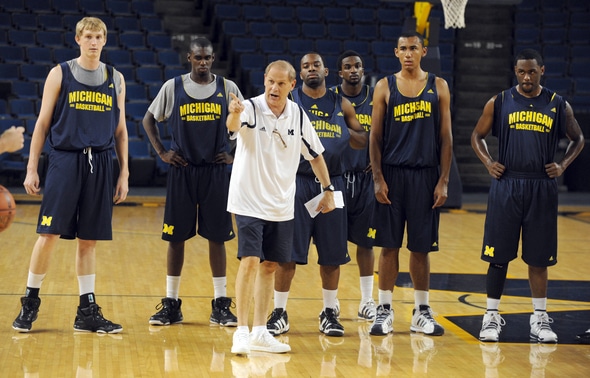
Image Source: basketballhq.com
How Long Is Basketball Practice? Youth & Pro
The basketball practice duration can vary significantly depending on the age and competitive level of the players. For youth, a typical practice might last 60-90 minutes, while high school teams often practice for 2-3 hours. College players can train for 3-4 hours daily, and professional teams can have practice sessions ranging from 3-5 hours, sometimes even longer, spread across the day.
Basketball is a demanding sport that requires dedication, skill, and conditioning. A crucial component of athletic development is effective basketball practice. But how much time should players, from young beginners to seasoned professionals, dedicate to honing their craft? The answer isn’t a simple one-size-fits-all figure. The average basketball practice length is influenced by a multitude of factors, including the age of the participants, the skill level, the specific goals of the session, and the rules governing organized sports. This exploration will delve into the typical basketball practice duration across different age groups and levels, examining the elements that shape these schedules and the pursuit of effective basketball practice duration.
Delving into Youth Basketball Practice Time
For young athletes just starting their basketball journey, the focus is on fundamental skills, enjoyment, and building a love for the game. Youth basketball practice time is generally shorter and less intense than that of older age groups. A common range for youth practice sessions is between 60 to 90 minutes.
- Focus on Fundamentals: These shorter sessions are designed to introduce basic dribbling, shooting, passing, and defensive stances. Coaches prioritize repetition and positive reinforcement.
- Short Attention Spans: Young children have shorter attention spans, so practices are structured to include various drills, water breaks, and opportunities for fun, game-like scenarios.
- Skill Introduction: Drills are often broken down into simple steps to ensure that players can grasp the concepts without becoming overwhelmed.
- Teamwork and Sportsmanship: Beyond individual skills, youth practices also emphasize the importance of playing together, communicating on the court, and developing good sportsmanship.
- Limited Intensity: While players are encouraged to exert effort, the overall intensity is managed to prevent burnout and excessive fatigue.
Factors Affecting Youth Practice Length:
- Age of Players: Younger children (6-8 years old) will have shorter practices than older youth (12-14 years old).
- League Rules: Some youth leagues may have regulations on practice duration or frequency.
- Coach’s Philosophy: A coach’s approach to player development and engagement plays a significant role.
- Number of Practices per Week: If a team practices more frequently, each session might be shorter.
Table 1: Typical Youth Basketball Practice Time
| Age Group | Typical Practice Length | Primary Focus |
|---|---|---|
| 6-8 Years Old | 60 minutes | Basic skills, fun, introduction to the game |
| 9-11 Years Old | 75-90 minutes | Skill refinement, basic plays, teamwork |
| 12-14 Years Old | 90-120 minutes | Advanced skills, offensive/defensive sets |
Navigating High School Basketball Practice Schedules
As players progress to the high school level, the intensity and demands of basketball increase. The high school basketball practice schedule typically extends beyond that of youth leagues, reflecting a greater emphasis on competitive play and strategic development. Sessions commonly range from 2 to 3 hours.
- Skill Specialization: While fundamentals remain important, practices begin to incorporate more specialized skills, such as post moves, perimeter shooting techniques, and advanced ball-handling.
- Offensive and Defensive Sets: Coaches spend considerable time teaching and refining offensive plays, defensive schemes, and transition strategies.
- Conditioning and Strength: A significant portion of practice is dedicated to improving players’ physical conditioning, including agility drills, plyometrics, and endurance training.
- Scrimmaging and Situational Play: Practices often include full-court scrimmages and game-situation drills to prepare players for the pressure of actual competition.
- Player Development: Individual player development is also a key component, with coaches working on specific weaknesses and strengths of each athlete.
Factors Influencing High School Practice Length:
- In-Season vs. Off-Season: In-season practices are often shorter and more focused on game preparation, while off-season practices might involve more extensive conditioning and skill development.
- Team Goals: Teams aiming for championships may dedicate more time to rigorous training.
- League or State Regulations: High school athletic associations often have rules regarding the number of practice hours per week.
- Academic Schedules: Practices must be scheduled around academic commitments, which can sometimes limit flexibility.
- Coaching Staff Size: A larger coaching staff can allow for more individualized attention and more complex drills within a given practice time.
Table 2: High School Basketball Practice Elements
| Practice Component | Time Allocation (Approximate) | Key Objectives |
|---|---|---|
| Warm-up | 15-20 minutes | Prepare muscles, prevent injury, active stretching |
| Ball Handling | 15-20 minutes | Improve control, dribbling variations |
| Shooting Drills | 20-30 minutes | Form, consistency, game-situation shooting |
| Offensive Sets | 20-30 minutes | Play execution, spacing, decision-making |
| Defensive Drills | 20-30 minutes | Stance, footwork, team defense, communication |
| Conditioning | 15-25 minutes | Agility, speed, endurance, strength |
| Scrimmage/Situations | 20-30 minutes | Game simulation, applying learned skills |
| Cool-down/Review | 5-10 minutes | Stretching, feedback, mental preparation |
Examining College Basketball Practice Hours
At the collegiate level, basketball transforms into a near full-time commitment for players. College basketball practice hours are substantial, often adhering to NCAA regulations that limit the total amount of athletic activity per week. Typically, players can expect to spend 3 to 4 hours per day on basketball-related activities, though this can include film study and weight training in addition to on-court practice.
- Intensive Skill Development: College practices are characterized by a high tempo and a focus on advanced skill refinement, often breaking down game situations to the smallest detail.
- Strategic Complexity: Extensive time is dedicated to scouting opponents, developing complex offensive and defensive strategies, and practicing specific counters to opposing team tendencies.
- Physical Conditioning and Strength Training: Players undergo rigorous strength and conditioning programs designed to maximize their athleticism, power, and injury resistance. This is often scheduled separately from on-court practice.
- Film Study: A significant portion of a college player’s week involves watching game film, analyzing their own performance, and studying opponents. This contributes to the overall time commitment.
- Player Academics: Balancing academic responsibilities with the demanding practice schedule is a constant challenge for college athletes, requiring excellent time management.
NCAA Regulations on Practice Time:
The NCAA (National Collegiate Athletic Association) sets rules to protect student-athletes from overwork. Generally, college basketball practice hours are limited to 20 hours per week during the season. This includes all countable athletic activities, such as:
- On-court practice sessions
- Strength and conditioning workouts
- Film review
- Team meetings
Table 3: Components of a College Basketball Player’s Week (Estimated)
| Activity | Estimated Hours/Week | Focus |
|---|---|---|
| On-Court Practice | 12-15 hours | Skills, strategy, team execution |
| Strength & Conditioning | 3-5 hours | Building power, speed, agility, injury prevention |
| Film Study & Meetings | 3-5 hours | Tactical analysis, opponent scouting, feedback |
| Travel & Games | Varies | Competition, recovery, travel time |
| Total Athletic Time | 20-25+ hours | Comprehensive development and competition |
The Professional Basketball Practice Routine
At the professional level, the professional basketball practice routine is a finely tuned operation aimed at peak performance, strategic preparation, and long-term athlete health. Practices can extend from 3 to 5 hours, often split into multiple sessions throughout the day, and are supplemented by extensive recovery and analysis.
- Strategic Game Planning: A significant amount of time is dedicated to scouting opponents, dissecting their strengths and weaknesses, and formulating game plans. This often involves detailed film analysis and whiteboard sessions.
- Advanced Skill Refinement: Professional players are already highly skilled, so practice focuses on marginal gains, honing specific offensive and defensive nuances, and adapting to new techniques.
- Tactical Execution: Practicing specific plays, defensive rotations, and situational adjustments takes precedence. The goal is seamless execution under pressure.
- Conditioning and Maintenance: While strength and conditioning are crucial, professional practices also emphasize maintaining peak physical condition and injury prevention through targeted exercises and recovery protocols.
- Player-Specific Work: Coaches may work with individual players on specialized skills or areas needing improvement, often in smaller groups or one-on-one.
- Recovery and Rehabilitation: Integrated into the daily schedule are recovery sessions, such as ice baths, stretching, and physical therapy, to ensure players are ready for subsequent practices and games.
Factors Shaping Professional Practice Length:
- Game Schedule: The proximity of upcoming games dictates the intensity and focus of practices. Back-to-back games might lead to lighter, more recovery-focused sessions.
- Team Needs: A team struggling with turnovers might dedicate more time to ball-handling and decision-making drills.
- Coaching Staff Expertise: A larger and more specialized coaching staff can implement more detailed and varied practice plans.
- Player Health and Load Management: Managing player fatigue and preventing injuries is paramount. Practices are adjusted based on player availability and workload.
- League Rules and CBA: The Collective Bargaining Agreement (CBA) between players and owners often includes provisions regarding practice hours and days off.
Table 4: Professional Basketball Practice Components (Illustrative)
| Session Type | Duration | Primary Focus |
|---|---|---|
| Morning Shootout | 60-90 mins | Individual skill work, shooting repetitions |
| Team Practice 1 | 2-3 hours | Strategy, team drills, conditioning, scrimmages |
| Afternoon Session | 60-90 mins | Optional skill work, film study, recovery |
| Total Daily | 3-5+ hours | Comprehensive preparation, performance, recovery |
How Often is Basketball Practice?
The frequency of basketball practice is as vital as its duration. The number of times a team or individual practices per week is critical for skill development, team cohesion, and maintaining peak physical condition.
- Youth: For young players, practicing 2-3 times per week is common. This allows for skill acquisition without overwhelming them and provides ample time for rest and other activities.
- High School: High school teams, especially those competing at a higher level, might practice 4-5 times per week, sometimes daily during intense periods of the season. This frequency is often dictated by school athletic department policies and the competitive calendar.
- College: College teams often practice 5-6 days a week, with the NCAA limiting countable hours to 20 per week. This structured schedule ensures consistent development.
- Professional: Professional teams practice daily during the season, with adjustments made based on game schedules, travel, and recovery needs. They might have a dedicated practice day between games or a lighter session on game days.
Factors Affecting Practice Length and Quality
Several elements converge to determine how long a basketball practice should be and how effectively that time is utilized. Achieving effective basketball practice duration means maximizing the impact of every minute spent on the court.
- Age and Development Stage: As discussed, younger players require shorter, more engaging sessions, while older and more experienced players can handle longer, more intensive practices.
- Season Phase: Practices differ significantly between the off-season, pre-season, and in-season. Off-season might focus on building a base, pre-season on implementing systems, and in-season on game preparation and tactical adjustments.
- Team Goals and Objectives: A team focused on fundamental improvement will have different practice plans than one preparing for a championship series.
- Player Skill Level: The collective skill level of the team influences the complexity and pace of drills.
- Coach’s Philosophy and Expertise: A coach’s ability to plan, motivate, and manage time effectively is paramount for basketball practice efficiency.
- Available Facilities and Resources: Access to courts, training equipment, and coaching staff can influence how much can be accomplished in a given timeframe.
- Player Health and Fatigue: Listening to players’ bodies and incorporating recovery is essential for preventing injuries and ensuring sustained performance. Pushing players too hard for too long can be counterproductive.
- Academic or Professional Commitments: Balancing basketball with other life responsibilities is crucial and can dictate practice schedules.
Achieving Basketball Practice Efficiency
Basketball practice efficiency isn’t just about how long you practice, but how well you use that time. A well-structured practice maximizes learning, skill development, and team chemistry.
- Clear Objectives: Each practice should have specific goals. Knowing what you want to achieve before you start is critical.
- Structured Planning: A detailed practice plan ensures that time is used wisely, moving seamlessly from one drill to the next.
- Purposeful Drills: Every drill should serve a clear purpose, whether it’s improving shooting accuracy, defensive footwork, or game strategy.
- Active Participation: Players should be engaged and focused throughout the entire practice. Minimizing downtime and maximizing repetitions are key.
- Effective Coaching Feedback: Coaches need to provide timely, constructive, and specific feedback to help players correct mistakes and reinforce good habits.
- Conditioning Integration: Incorporating conditioning into drills rather than having it as a separate, time-consuming segment can improve overall basketball practice efficiency.
- Adaptability: Coaches must be able to adjust the plan on the fly based on the team’s performance and energy levels during practice.
Table 5: Elements of Efficient Basketball Practice
| Efficiency Factor | Description | Impact on Practice |
|---|---|---|
| Goal Setting | Defining specific, measurable, achievable, relevant, time-bound (SMART) goals for each session. | Ensures focus and direction, preventing wasted time. |
| Structured Planning | Creating a detailed schedule with timed drills and transitions. | Maximizes on-court time, minimizes downtime. |
| Purposeful Drills | Every drill targets a specific skill or tactical objective. | Optimizes learning and skill acquisition. |
| Active Engagement | Keeping all players involved and focused throughout the practice. | Increases repetitions and skill reinforcement. |
| Constructive Feedback | Timely and specific coaching to correct errors and reinforce positives. | Accelerates player improvement and understanding. |
| Integrated Conditioning | Blending physical conditioning with skill-based drills. | Saves time and makes conditioning more game-like. |
| Flexibility | Ability to adjust the plan based on team needs and performance. | Ensures practice remains relevant and effective. |
Frequently Asked Questions (FAQ)
Q1: How long is a typical youth basketball practice?
A1: Youth basketball practices typically range from 60 to 90 minutes, focusing on fundamental skills and fun.
Q2: What is the maximum number of hours a college basketball team can practice per week?
A2: NCAA regulations generally limit college basketball teams to 20 countable athletic hours per week, which includes practice, conditioning, film study, and meetings.
Q3: Does practice length change between the regular season and off-season?
A3: Yes, practices are often longer and more focused on conditioning and skill building during the off-season, while in-season practices prioritize game preparation and tactical adjustments.
Q4: Who decides how long basketball practice should be?
A4: The head coach, in consultation with assistant coaches and often adhering to league or organizational rules, determines the basketball practice duration.
Q5: Can too much practice be detrimental?
A5: Yes, excessive practice without adequate rest and recovery can lead to burnout, overuse injuries, and decreased basketball practice efficiency. Finding the right balance is crucial for long-term development.
Q6: How important is conditioning within the practice time?
A6: Conditioning is a vital component of effective basketball practice duration. It ensures players have the stamina and strength to perform at a high level throughout games and the entire season.
Q7: How does the frequency of basketball practice affect player development?
A7: Regular practice frequency, whether 2 times a week for youth or daily for professionals, is essential for reinforcing skills, building team chemistry, and maintaining physical readiness. It allows for consistent progress.