
In women’s college basketball, each quarter lasts for 10 minutes.
For fans eager to dive into the fast-paced world of NCAA women’s basketball, knowing the structure of the game is key. At the heart of this structure are the quarters, the distinct segments that divide the game into manageable periods of play. So, how long are the quarters in women’s college basketball? The answer is straightforward: each of the four quarters in an NCAA women’s basketball game lasts for a standard 10 minutes of game clock time. This means a regulation NCAA women’s basketball game, without overtime, consists of 40 minutes of play. This 10-minute quarter format is a crucial element that shapes the NCAA women’s basketball game structure and influences the overall women’s college basketball game duration.
The transition to a quarter system in college basketball, mirroring trends seen in professional leagues like the WNBA, marked a significant shift from the previous two-halves format. This change aimed to increase action, provide more strategic timeouts, and align with international basketball standards. Fathoming the length of quarters in NCAA women’s basketball is the first step in appreciating the flow and strategy of the game. This detailed exploration will delve into the intricacies of game timing, compare it to other levels of play, and discuss how the basketball game timing women’s college affects the overall experience for players and spectators alike.
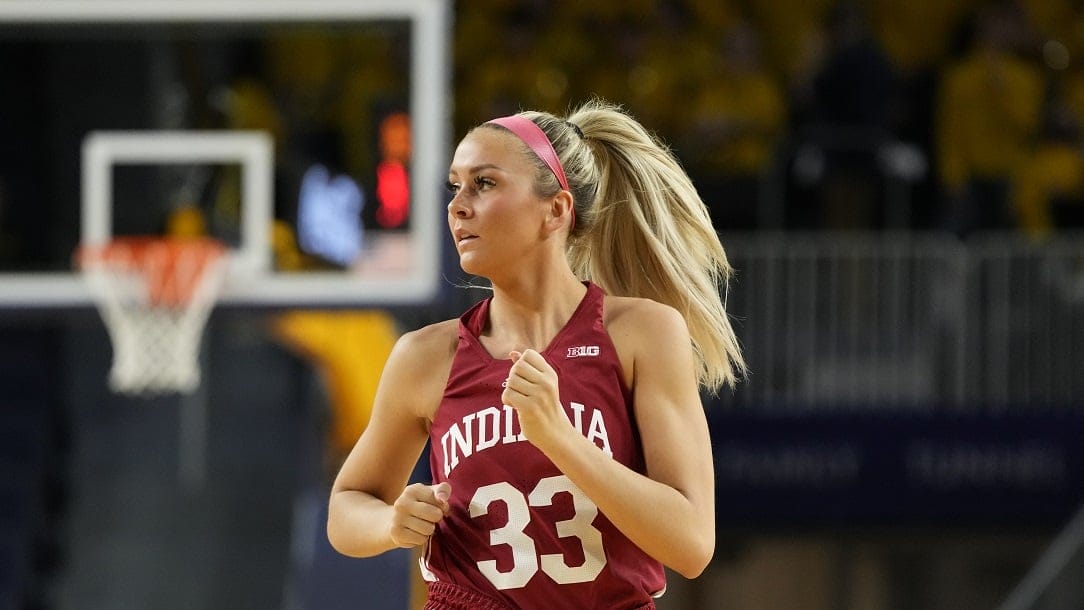
Image Source: ekcfbmsotzc.exactdn.com
The Standard Quarter Length
The standard quarter length women’s college basketball games adhere to is 10 minutes. This is a consistent rule across all NCAA Division I, II, and III women’s basketball games. Four quarters of 10 minutes each result in a total of 40 minutes of regulation game time. This provides a clear framework for the women’s college basketball game duration, allowing for predictable scheduling and strategic planning by coaches and teams.
Breaking Down the 40 Minutes
A typical NCAA women’s basketball game length is built upon these four 10-minute quarters. While the clock stops for various reasons such as fouls, out-of-bounds plays, and timeouts, the actual time elapsed on a game clock will always be longer than the 40 minutes of playing time. This distinction is important when discussing the college basketball game time women’s, as it encompasses both playing time and stoppages.
The Shift to Quarters: A Modernization
The adoption of the quarter system in women’s college basketball was a significant change, moving away from the traditional 20-minute halves. This modernization brought women’s college basketball more in line with the professional game, specifically the WNBA quarter length, which also features 12-minute quarters. However, it’s important to note that while the WNBA plays 12-minute quarters, NCAA women’s basketball sticks to the 10-minute format. This difference, though seemingly minor, can impact game flow and overall strategy.
Reasons for the Change
The move to quarters was driven by several factors:
- Increased Action: Shorter periods can lead to more frequent resets and opportunities for teams to build momentum.
- Strategic Opportunities: More quarter breaks allow for more frequent coach-player communication and adjustments.
- Fan Engagement: The faster pace and more distinct breaks can be more engaging for spectators.
- Alignment with Professional and International Standards: Bringing college rules closer to professional and international play simplifies transitions for athletes.
How Quarter Stoppages Affect Total Game Time
While each quarter is officially 10 minutes, the actual women’s college basketball game duration can vary significantly due to clock stoppages. This is a fundamental aspect of how long is a women’s college basketball game.
Here are the primary reasons the clock stops:
- Fouls: When a foul is called, the clock stops until the ball is inbounded or free throws are administered.
- Out-of-Bounds: If the ball goes out of bounds, the clock stops until the ball is legally put back into play.
- Timeouts: Coaches and players can call timeouts, which stop the clock. Each team has a limited number of timeouts per half and per overtime period.
- Made Baskets in the Final Minutes: In the last two minutes of the fourth quarter (and the last two minutes of any overtime period), the clock stops after a made basket. This rule is designed to add excitement and strategic complexity to the end of games.
- Substitutions: While not always a clock stoppage, significant substitutions can sometimes lead to a brief pause.
- Injuries: If a player is injured, play stops until the situation is assessed.
- Officials’ Discretion: Referees may stop play for various reasons, such as equipment malfunctions or disputes.
These stoppages mean that a 40-minute game in terms of playing time can easily extend to 60-90 minutes or even longer, depending on the number of fouls, timeouts, and the competitiveness of the game. This variability is a key consideration in college basketball game time women’s.
Comparing NCAA Women’s Basketball to Other Levels
To fully grasp the length of quarters in NCAA women’s basketball, it’s helpful to compare it to other levels of play.
WNBA Quarter Length
The WNBA, as mentioned, plays with 12-minute quarters. This difference of two minutes per quarter means a WNBA game has a regulation playing time of 48 minutes, compared to the NCAA’s 40 minutes. This additional playing time in the WNBA can contribute to a different game rhythm and potentially more statistical output from players.
NBA Quarter Length
The National Basketball Association (NBA) also utilizes quarters, but theirs are longer than both the WNBA and NCAA. NBA quarters are 12 minutes long, resulting in a 48-minute regulation game. The NBA’s rules regarding clock stoppages, particularly in the final minutes of quarters, also contribute to a longer overall game duration compared to the playing time.
High School Basketball
In high school basketball, the quarter length can vary by state and governing body. However, many high school associations have adopted the 10-minute quarter format, aligning with NCAA rules. Some may still play with 8-minute quarters or the traditional two 20-minute halves. This variability at the high school level is a key differentiator when discussing basketball game timing women’s college.
How Quarters Impact Strategy and Play
The 10-minute quarter format significantly influences how teams approach the game.
Pacing and Conditioning
With shorter bursts of play, teams must maintain a high tempo. This demands excellent conditioning and the ability to execute plays effectively within these defined periods. Coaches often focus on strategies that allow for quick scoring opportunities and efficient use of possessions within each quarter. The NCAA women’s basketball game structure encourages a more dynamic, up-and-down style of play.
Timeout Management
The structure with four distinct breaks per game (in addition to half-time) provides coaches with more opportunities to regroup, make adjustments, and strategize. Effective timeout management women’s college basketball can be a game-changer, allowing teams to stop an opponent’s run, draw up a crucial play, or rest key players.
Fouling Strategy
In college basketball, players foul out after committing five personal fouls. The 10-minute quarters mean that players can accumulate fouls more quickly than in a half-court system if they are being aggressive defensively. This often leads to strategic decisions about when to foul and when to play conservatively, especially as players approach their foul limit.
Game Flow and Viewer Experience
The 10-minute quarters contribute to a generally faster and more engaging women’s college basketball game duration for viewers. The anticipation of the end-of-quarter buzzer adds a layer of excitement.
- Momentum Swings: Quarters can act as mini-games, allowing teams to build or regain momentum. A strong finish to a quarter can carry over into the next.
- Strategic Clocks: The rule of stopping the clock after a made basket in the final two minutes of each quarter creates intense, often nail-biting finishes to each period. This rule was implemented to enhance the drama and strategic element of the game.
Frequently Asked Questions (FAQ)
Q1: What is the standard quarter length in women’s college basketball?
A1: The standard quarter length in women’s college basketball is 10 minutes.
Q2: How many minutes are in a regulation NCAA women’s basketball game?
A2: A regulation NCAA women’s basketball game has 40 minutes of playing time, consisting of four 10-minute quarters.
Q3: Does the clock stop during quarters in women’s college basketball?
A3: Yes, the clock stops for various reasons, including fouls, out-of-bounds plays, timeouts, and made baskets in the final two minutes of each quarter.
Q4: How does the quarter length compare to the WNBA?
A4: WNBA quarters are 12 minutes long, making a regulation WNBA game 48 minutes of playing time, while NCAA women’s basketball has 10-minute quarters for a 40-minute regulation game.
Q5: Are there different quarter lengths for men’s college basketball?
A5: Men’s college basketball also uses 10-minute quarters, meaning both men’s and women’s NCAA basketball games have the same quarter length.
Q6: How many timeouts does a team typically get per quarter?
A6: Timeout allocations can vary slightly based on specific rules and game situations, but generally, teams have a set number of timeouts available throughout the game, which can be strategically used within each quarter. Coaches often have one or two per quarter they can utilize effectively.
Q7: What happens if a game is tied at the end of regulation?
A7: If a game is tied at the end of the fourth quarter, overtime periods are played. These overtime periods are typically 5 minutes long, and the clock stops for similar reasons as during regulation.
Q8: How does the end-of-quarter clock stoppage rule work?
A8: In the last two minutes of the fourth quarter and any overtime period, the game clock stops after a made field goal. This rule is not in effect for the first two minutes of each quarter, nor in the first three quarters.
By understanding the consistent 10-minute women’s college basketball period length, fans can better appreciate the flow, strategy, and exciting moments that define NCAA women’s basketball game length and the overall college basketball game time women’s. Whether you’re tracking fouls, timeouts, or just enjoying the fast-paced action, knowing the quarter structure is fundamental to the women’s college basketball game duration.