
The NBA hoop height, also known as the basketball rim height, is consistently 10 feet from the playing surface. This standard measurement ensures fairness and consistency across all professional games.
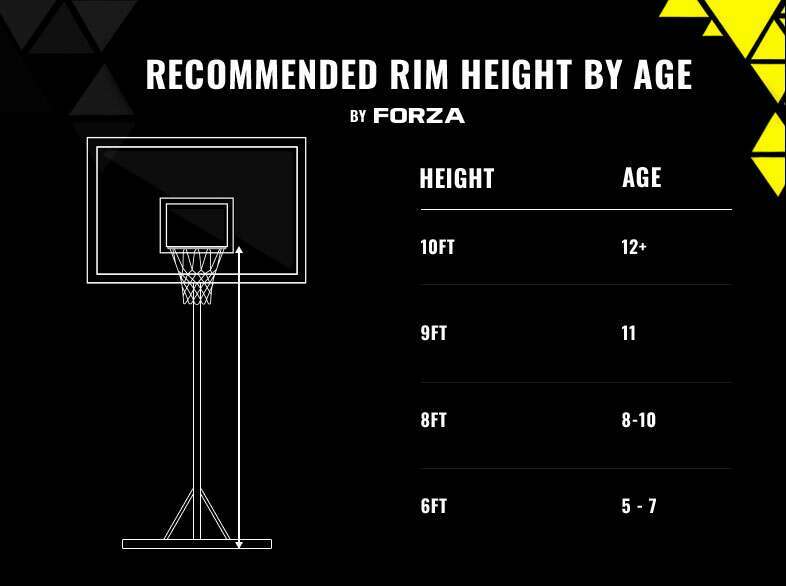
Image Source: nwscdn.com
The Standard Height of a Basketball Hoop
When you think about basketball, the image of players leaping to slam dunk, or gracefully sinking a jump shot, often comes to mind. Central to all these athletic feats is the basketball hoop itself. But how high is this iconic piece of equipment? The definitive answer for the NBA hoop height is 10 feet. This isn’t a number that fluctuates; it’s a fundamental aspect of the game, established as the official basketball hoop size. This 10 feet basketball hoop measurement has been the standard for decades, shaping the way the sport is played at the highest level.
Deciphering the Basketball Rim Height
The basketball rim height is not just a random number; it’s a crucial element that dictates the strategy, skill, and athleticism required to excel in professional basketball. This specific height, the height of the NBA basket, has a profound impact on everything from shooting mechanics to the development of dunking prowess. Understanding this measurement is key to appreciating the game.
The Regulation Basketball Hoop
Every professional basketball league, and indeed most organized basketball, adheres to specific guidelines. The regulation basketball hoop is a precisely defined piece of equipment. The distance from the floor to the top edge of the rim is precisely 10 feet (3.05 meters). This exactitude is what makes the game universally recognizable and playable, whether you’re watching an NBA game or shooting hoops in your local park (though park hoops may vary).
Fathoming the Official Basketball Hoop Size
The official basketball hoop size encompasses more than just the height. The rim itself has specific dimensions: it’s 18 inches in diameter. The backboard, while varying in material and size depending on the level of play, is also positioned at a standard height relative to the rim. The entire setup, from the floor to the rim, is meticulously defined to ensure fair competition. The basketball net height is also standardized, ensuring the ball passes through the hoop as intended.
The Importance of the 10 Feet Basketball Hoop
Why 10 feet? The historical context and practical implications of this measurement are significant. Early forms of basketball, played with peach baskets, were not designed for the dynamic athleticism we see today. As the sport evolved, so did its equipment. The transition to a metal rim and the establishment of the 10-foot height were crucial steps in making basketball a more challenging and spectacular sport. This NBA hoop height allows for a balance between offensive and defensive play. It’s high enough to require significant jumping ability for dunks and layups, yet low enough for players to develop shooting accuracy.
Interpreting Basketball Hoop Dimensions
Beyond the sheer height, other basketball hoop dimensions play a role in the game. These include the diameter of the rim, the thickness of the rim material, and the length of the net. Each of these contributes to how the ball interacts with the hoop.
The Rim: A Critical Component
The basketball rim is the part of the hoop that the ball must pass through. As mentioned, its diameter is 18 inches (45.7 cm). This diameter is just large enough to allow a regulation basketball to pass through, but small enough to require considerable accuracy. The rim itself is typically made of solid steel, designed to withstand the immense force of players hanging on it after a dunk.
The Net: Visualizing the Score
The basketball net serves a vital purpose: it slows down the ball after it goes through the rim, making the scoring of a basket more visible and satisfying. The net is made of chain or nylon and is typically 15-18 inches long. It’s attached to the rim in such a way that it hangs freely. The basketball net height refers to the position of the net as it hangs from the rim, which is directly tied to the rim’s height.
The Backboard: Strategy and Angles
While not directly involved in the scoring itself, the backboard is an integral part of the hoop assembly. Backboards can be made of glass, acrylic, or polycarbonate, and their size and material can affect the bounce of the ball. The backboard is positioned behind the rim, and its angle is also standardized. Players often use the backboard to bank shots in, adding another layer of strategy to the game. The height of NBA basket includes the positioning of the backboard in relation to the rim.
Consistency Across the Game
The adherence to a standard basketball hoop measurement is what allows for a level playing field. Imagine if each NBA arena had different hoop heights; it would create an unfair advantage and make comparisons between players and teams incredibly difficult.
Global Standardization
The NBA hoop height of 10 feet is not exclusive to the National Basketball Association. This measurement is recognized internationally and is the standard used by FIBA (International Basketball Federation) and most other professional and amateur basketball organizations worldwide. This global consistency ensures that players can transition between different leagues and levels of play with a familiar environment.
Youth Basketball Variations
While the 10-foot standard is universal for professional play, it’s important to note that youth basketball leagues often use lower hoop heights. This adjustment is made to accommodate the developing physical abilities of younger players. Typically, younger age groups will use hoops set at 6, 7, 8, or 9 feet. As players grow and develop their skills, they gradually transition to the regulation 10-foot height. This gradual progression is essential for skill development and prevents discouragement.
The Physics and Psychology of the 10-Foot Hoop
The 10 feet basketball hoop is not just an arbitrary measurement; it has tangible effects on the physics of the game and the psychology of the players.
The Aerodynamics of the Shot
The height of the hoop directly influences the trajectory of the basketball. Players must generate enough force and loft to get the ball to the hoop. This requires a precise combination of arm strength, wrist flick, and body control. The angle at which the ball approaches the rim is critical. A shot taken from too flat an angle might hit the front rim, while a shot with too much arc might miss the back of the rim entirely. The basketball rim height dictates the optimal arc for a successful shot.
The Challenge of Dunking
Dunking is one of the most exciting aspects of basketball. The ability to jump high enough to reach above the rim and force the ball downwards is a testament to incredible athleticism. For a player to dunk, they need to be able to get their hands significantly above the 10-foot mark. This means a player with a vertical leap of, say, 30 inches (2.5 feet) would need to be able to reach roughly 7.5 feet off the ground to get their hands to the rim. This requires exceptional jumping ability. The NBA hoop height is a direct challenge to the physical limits of the players.
The Strategic Implications
The 10-foot hoop also influences team strategy. For instance, the effectiveness of certain defensive schemes might change depending on how easily players can get to the rim. The spacing of players on offense is also affected, as the threat of a jump shot or a drive to the basket is always present. The height of NBA basket forces players to be versatile, able to shoot from various distances and execute plays that involve driving to the hoop.
Measuring the NBA Hoop Height
Ensuring the accuracy of the basketball hoop measurement is paramount for fair play. Officials and arena personnel are responsible for verifying that all hoops meet the specified dimensions.
Tools of Measurement
Professional measurements typically involve specialized equipment to ensure precision. Laser measuring devices can be used to confirm the exact height from the floor to the rim. Calipers are used to verify the rim diameter, and even the net length is checked against standards. The official basketball hoop size is a strict requirement that must be met in all regulated games.
Arena Standards
Every NBA arena must conform to these regulations. This means that the court dimensions, the backboard specifications, and the NBA hoop height are all identical across the league. This uniformity is crucial for maintaining the integrity of the competition. The regulation basketball hoop must be set up correctly in every venue.
The Evolution of Hoop Height
While the 10-foot height is now firmly established, it wasn’t always this way. The evolution of the basketball hoop height is a fascinating aspect of the sport’s history.
Early Days: Peach Baskets
When James Naismith invented basketball in 1891, he used peach baskets as goals. These were nailed to the gymnasium balcony, typically about 10 feet high. So, in a sense, the NBA hoop height has roots in the very beginning of the sport. However, these early baskets had bottoms, and after each basket, the ball had to be retrieved manually.
Transition to Open-Ended Rims
As the game became more popular, the impracticality of peach baskets became evident. Metal rims with nets were introduced, and importantly, the bottoms were removed, allowing the ball to pass through freely. This transition marked a significant step towards the modern game.
Solidifying the 10-Foot Standard
Over time, the 10-foot height became the accepted standard. While there might have been minor variations in the early development of the sport, by the time professional leagues like the NBA emerged, the basketball rim height was firmly set at 10 feet. This standard was adopted to ensure consistency and challenge for players.
Common Misconceptions and FAQs
Despite the clear definition, there are sometimes questions and misconceptions about the height of the NBA basket. Here are some frequently asked questions:
Frequently Asked Questions (FAQ)
-
Q1: Is the NBA hoop height always 10 feet?
- A1: Yes, the NBA hoop height is consistently 10 feet from the playing surface. This is the official basketball hoop size.
-
Q2: Can I set up a 10 feet basketball hoop at home?
- A2: Yes, you can purchase and install a 10 feet basketball hoop for home use. Many backyard hoops are adjustable to this height. It’s important to follow installation instructions carefully for safety.
-
Q3: What is the basketball rim height in college basketball?
- A3: College basketball uses the same regulation basketball hoop size as the NBA, with the rim set at 10 feet.
-
Q4: Who decided on the NBA hoop height?
- A4: The 10-foot hoop height was established as the sport evolved from its early days, with James Naismith’s original peach baskets also being around 10 feet high. This measurement became the standard for professional play over time.
-
Q5: Does the basketball net height change the game?
- A5: The basketball net height is directly tied to the rim height. While the net’s primary function is visual, its length and how it hangs can slightly affect the ball’s passage, but the 10-foot rim height is the dominant factor.
-
Q6: What are the exact basketball hoop dimensions for the rim and backboard in the NBA?
- A6: The NBA regulation hoop rim has an inner diameter of 18 inches. The backboard dimensions and materials can vary slightly between arenas, but its positioning relative to the rim is standardized.
-
Q7: Is the basketball hoop measurement the same for women’s professional basketball leagues?
- A7: Yes, professional women’s basketball leagues also adhere to the standard 10-foot basketball hoop height.
-
Q8: What is the basketball hoop measurement for FIBA games?
- A8: FIBA games also use the regulation basketball hoop size of 10 feet.
Conclusion: The Enduring 10-Foot Standard
The NBA hoop height of 10 feet is more than just a number; it’s a foundational element that defines the challenge, skill, and spectacle of professional basketball. From the physics of the shot to the athleticism required for a powerful dunk, every aspect of the game is influenced by this precise basketball rim height. The consistency of the standard basketball hoop across all levels of play ensures fairness and allows fans worldwide to appreciate the same game. Whether you’re a player, a coach, or a spectator, the 10 feet basketball hoop remains the iconic standard that makes basketball the beloved sport it is today. The careful consideration of all basketball hoop dimensions, including the basketball net height and the precise basketball hoop measurement, contributes to the integrity and excitement of every game played.