
A standard basketball goal, or hoop, stands 10 feet (3.05 meters) high from the playing surface to the rim. This height is consistent across professional leagues, college, and most organized play.
Basketball is a game loved by millions. It’s fast, exciting, and requires skill and teamwork. One of the most fundamental aspects of the game, and perhaps the most iconic visual, is the basketball goal itself. You see players leaping, reaching, and dunking, all aimed at that elevated ring. But have you ever wondered about the exact measurement? How high is a standard basketball goal? This guide will delve into the specifics, from the professional arenas to your local park, and even touch on how this measurement impacts different levels of play.
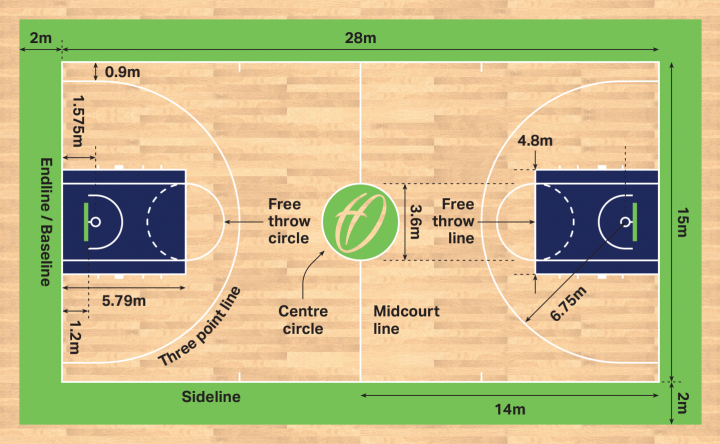
Image Source: www.harrodsport.com
The Universal Standard: 10 Feet of Greatness
The 10-foot (3.05-meter) mark for the basketball hoop is not an arbitrary number. It’s a carefully chosen height that dictates the game’s dynamics, requiring athleticism, strategy, and precision. This regulation basketball rim height has been the standard for a long time, shaping how the game is played.
The Genesis of the 10-Foot Rule
When James Naismith invented basketball in 1891, the game was quite different. The first “goals” were actually peach baskets, and they were nailed to the gymnasium balcony railing, which happened to be 10 feet off the ground. So, the very height of the basketball goal is rooted in the game’s origin story. This initial setup meant players couldn’t simply climb up and grab the ball once it went in; someone had to fetch it, adding a unique pause to early gameplay.
Over time, as the sport evolved, the peach baskets were replaced with nets and backboards, but the 10-foot height remained. This consistency has allowed the game to develop a recognizable rhythm and set of skills across different eras and locations.
Professional Leagues: NBA and FIBA
The professional world of basketball adheres strictly to the 10-foot standard, but there can be slight differences in other dimensions that affect the overall game experience.
NBA Hoop Height
In the National Basketball Association (NBA), the NBA hoop height is precisely 10 feet. This applies to all official NBA games. The backboard, made of tempered glass for visibility and durability, is also a specific size and distance from the baseline, contributing to the professional playing environment.
The NBA court itself has specific dimensions, and the hoop’s placement is integral to these standard basketball court dimensions. The distance from the baseline to the backboard is 4 feet (1.22 meters), and the backboard is 6 feet (1.83 meters) wide and 3.5 feet (1.07 meters) high. These precise measurements ensure fairness and a consistent challenge for the world’s best players.
FIBA Basketball Hoop Height
The Fédération Internationale de Basketball (FIBA), the international governing body for basketball, also mandates a FIBA basketball hoop height of 10 feet (3.05 meters). This ensures that international competitions, like the Olympics and the FIBA World Cup, are played under the same fundamental conditions as NBA games.
While the hoop height is the same, there are some minor differences in court dimensions between NBA and FIBA. A FIBA court is typically 28 meters long and 15 meters wide, whereas an NBA court is 94 feet long and 50 feet wide. These differences, while subtle, can impact offensive and defensive strategies. However, the 10-foot goal remains the constant, providing a universal target for players worldwide.
College and High School Basketball
The commitment to the 10-foot standard extends beyond professional leagues.
NCAA and High School Regulations
In the United States, both the National Collegiate Athletic Association (NCAA) for college basketball and the National Federation of State High School Associations (NFHS) for high school basketball also set the regulation basketball rim height at 10 feet. This continuity is crucial for player development, as athletes transitioning from high school to college, and potentially to professional leagues, are accustomed to the same fundamental goal height.
The backboard and rim specifications for these levels are generally similar to professional standards, though there might be slight variations in material or size depending on the facility. The key takeaway is that the 10-foot mark is firmly in place, providing a consistent challenge for developing players.
Youth Basketball Hoop Height
The height of the basketball goal is not always 10 feet for younger players. This is a crucial adjustment to make the game accessible and enjoyable for children.
Adapting for Young Athletes
The youth basketball hoop height varies based on age and skill level. This adaptation allows children to develop proper shooting form without being overly challenged by a height designed for adult athletes.
- Ages 5-8: Typically, hoops are set at 6 feet (1.83 meters).
- Ages 9-12: Hoops are often adjusted to 8 feet (2.44 meters).
- Ages 13 and up: Players generally transition to the standard 10-foot height.
These adjustable heights are often found on portable basketball systems, allowing parents and coaches to modify the hoop as children grow and improve. Using the correct youth basketball hoop height helps build confidence and prevents frustration, fostering a love for the game.
Adjustable Basketball Hoop Height: Flexibility and Growth
The advent of adjustable basketball hoop height systems has revolutionized how and where basketball can be played. These systems offer significant flexibility, catering to different skill levels and age groups.
Benefits of Adjustable Hoops
Adjustable hoops are incredibly practical for several reasons:
- Accommodating Growth: As mentioned, they are perfect for children who are still growing and developing their skills. A parent can easily lower the hoop as a child gets taller.
- Varying Skill Levels: Even within a family or a group of friends, skill levels can vary. An adjustable hoop allows for fair and fun games for everyone.
- Training and Practice: Coaches can adjust the height during practice sessions to work on specific shooting techniques or defensive strategies that require a different rim height.
- Portability: Many adjustable hoops are portable, meaning you can set them up in your driveway, backyard, or even take them to a park.
These systems typically use a telescoping pole or a crank mechanism to raise or lower the backboard and rim. The ease of adjustment makes them a popular choice for home use.
Indoor vs. Outdoor Basketball Hoops
While the height of the goal remains the same, there are differences in the types of hoops used for indoor and outdoor play.
Indoor Basketball Hoop Height
Indoor basketball hoop height in gymnasiums is always the standard 10 feet. These are typically permanently installed, often with breakaway rims to prevent injury and damage. The backboards are usually large and made of glass or acrylic for optimal visibility and rebound. The lighting and court conditions in indoor settings are controlled, contributing to a consistent playing environment.
Outdoor Basketball Hoop Height
Outdoor basketball hoop height also follows the 10-foot standard for most organized play or permanent installations. However, many portable outdoor basketball hoops are adjustable, allowing for the youth variations discussed earlier. These outdoor hoops need to be more durable to withstand various weather conditions. Materials like steel poles and weather-resistant backboards are common. The basketball net height is also a critical component, ensuring the ball passes through the rim as intended.
The Basketball Net: A Crucial Component
While the hoop height is paramount, the net also plays a role in the game.
Basketball Net Height and Function
The basketball net height is the length of the net itself, which hangs from the rim. A standard basketball net is designed to slow the ball down as it passes through the rim. This provides a satisfying swish sound and makes it easier to tell if a shot was successful. The net typically hangs about 15-18 inches (38-46 cm) down from the rim. While not directly related to the goal’s height, the net’s presence is integral to the visual and auditory experience of making a basket.
Why 10 Feet? The Impact on Gameplay
The 10-foot height isn’t just a number; it significantly influences how the game is played.
Strategic Implications of Rim Height
The height of the rim dictates several aspects of basketball:
- Shooting Mechanics: Players need to develop a proper shooting arc to get the ball over defenders and into the basket. The 10-foot height requires a certain amount of power and loft.
- Jumping Ability: Reaching the rim to dunk or block shots requires significant vertical leap. The 10-foot height is a key factor in the athleticism displayed in the sport.
- Rebounding: The height of the hoop influences how the ball bounces off the rim and backboard, affecting rebounding strategies.
- Game Pace: The need to jump and shoot from a height influences the speed and flow of the game.
Challenges and Adaptations
The 10-foot goal presents a challenge that athletes train rigorously to overcome. Dunking, a spectacular display of athleticism, is only possible for players with sufficient height and jumping ability. Even for players who don’t dunk, the ability to shoot accurately from various distances, often with defenders trying to block their shots, requires skill honed over countless hours of practice.
Beyond the Hoop: Other Important Dimensions
While the hoop height is central, other standard basketball court dimensions are also vital for a proper game.
Court Size and Hoop Placement
- Court Length and Width: As mentioned, professional courts have specific dimensions (NBA: 94 feet x 50 feet; FIBA: 28 meters x 15 meters). These dimensions affect transition play and spacing.
- Three-Point Line: The distance of the three-point line varies between leagues, influencing shooting strategies.
- Free Throw Line: The distance from the backboard to the free throw line is also standardized, impacting free-throw shooting.
The precise placement of the hoop relative to these lines is crucial. The backboard is positioned so that the center of the rim is 4 feet in from the baseline. This ensures that players shooting from the corners have a different angle than those shooting from directly in front of the basket.
Frequently Asked Questions (FAQ)
Q1: Is the basketball hoop height the same everywhere?
A1: In most organized basketball, yes. Professional leagues like the NBA and FIBA, college (NCAA), and high school basketball all use a 10-foot (3.05-meter) regulation basketball rim height. However, youth basketball hoop height is often adjusted to be lower for younger players.
Q2: Can I buy a basketball hoop that is adjustable?
A2: Yes, adjustable basketball hoop height systems are widely available for home use. These allow you to change the height of the hoop to accommodate different ages, skill levels, or practice needs. They are common for both indoor basketball hoop height setups in garages or recreational rooms and for outdoor basketball hoop height in driveways and yards.
Q3: What is the standard backboard size?
A3: For professional and college play, the backboard is typically 6 feet wide and 3.5 feet high. Smaller backboards are often used for residential or youth play.
Q4: Does the basketball net height matter?
A4: The basketball net height (the length of the net itself) is important for slowing the ball and signaling a successful shot with a “swish.” While it doesn’t affect the difficulty of getting the ball into the rim, it’s a standard part of the equipment.
Q5: Why is the basketball hoop 10 feet high?
A5: The NBA hoop height and the standard height of 10 feet originated from the game’s inventor, James Naismith. The first basketball goals were peach baskets nailed to the gymnasium balcony railing, which happened to be 10 feet off the ground. This historical measurement has remained the standard throughout the sport’s evolution.
Q6: Are FIBA and NBA hoop heights different?
A6: No, both FIBA basketball hoop height and NBA hoop height are the same: 10 feet (3.05 meters). The differences between the leagues lie more in court dimensions and certain rule interpretations.
Q7: How does hoop height affect the game?
A7: The 10-foot hoop height dictates the athleticism required for dunking, the arc of shots, rebounding strategies, and the overall physical demands of the sport. It creates a balance between skill, agility, and strength.
Q8: What if I’m buying a hoop for a child?
A8: It’s highly recommended to get an adjustable basketball hoop height system if you are buying for a child. You can start with a lower height (like 6 or 8 feet) and gradually raise it as they grow and improve, ensuring they can develop proper shooting form and enjoy the game.
By delving into the specifics of how high a standard basketball goal is, we appreciate the history, the rules, and the athleticism that make basketball the incredible sport it is. Whether you’re playing on a professional court or in your driveway, that 10-foot target is the universal symbol of the game.