
The official basketball rim in the NBA stands at 10 feet from the playing surface. This height has been the standard for decades, defining the challenge and skill required in professional basketball. So, to answer directly: How high is an NBA basketball rim? It’s 10 feet.
This seemingly simple measurement, 120 basketball rim inches, is a foundational element of the game. It dictates everything from the athleticism required for dunks to the strategic positioning of players. But what exactly goes into this measurement, and how has it evolved? Let’s dive deep into the specifics of the standard NBA hoop and its critical role in the sport.
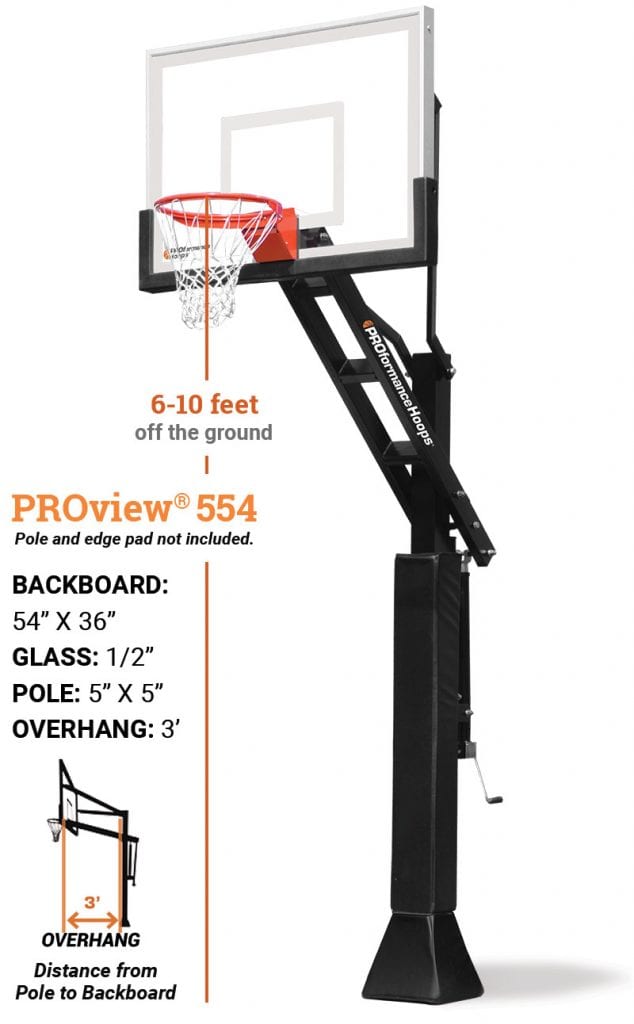
Image Source: superiorplay.com
The Foundation: Deciphering the NBA Hoop Height
The NBA hoop height is not an arbitrary number. It’s a meticulously determined dimension that has shaped the game of basketball as we know it. This 10-foot standard is more than just a number; it’s a crucial component of the basketball hoop size that influences player performance, game strategy, and the overall spectacle of professional basketball.
Historical Context: Establishing the Standard
When James Naismith invented basketball in 1891, the game looked very different. The first baskets were actually peach baskets, and they were nailed to the gymnasium balcony, which was about 10 feet high. This accidental origin is why the regulation basketball rim height has remained consistent. As the sport evolved from its rudimentary beginnings, the peach baskets were replaced with iron rims and nets, but the height stayed the same. This enduring basketball rim inches measurement has remained a constant in a sport that has seen countless rule changes and strategic innovations.
Why 10 Feet? The Rationale Behind the Height
The 10-foot NBA rim diameter (though the diameter itself is a different measurement, the height is intrinsically linked to the overall structure) was chosen by Naismith for several reasons. He wanted a game that involved skill and strategy, not just brute force. The 10-foot height made it difficult for players to simply throw the ball in, requiring them to develop shooting techniques, passing accuracy, and team play. It also made the game more engaging for spectators, as the athletic feats required to reach and score on the 10-foot rim were impressive to watch. This height provided a perfect balance between accessibility for scoring and a challenge that demanded athleticism and skill.
Anatomy of the NBA Basket: More Than Just the Rim
While the height is paramount, the official basketball rim is part of a larger structure, each component contributing to the game’s integrity. Understanding the full basketball hoop specifications provides a complete picture of this essential piece of sports equipment.
The Rim Itself: Diameter and Construction
The NBA rim diameter is a crucial detail. An official NBA rim has an inner diameter of 18 inches. This size is designed to accommodate the standard basketball, which has a circumference of approximately 29.5 inches. The rim is typically made of solid steel, providing the durability needed to withstand the rigors of professional play, including powerful dunks. The strength and resilience of the rim are vital for the sport’s physicality.
The Backboard: Material and Placement
The backboard, usually made of tempered glass, measures 72 inches wide by 42 inches high. Its primary purpose is to provide a surface for bank shots, adding another layer of strategy to the game. The backboard is positioned so that its closest point is 4 feet in front of the backboard’s plane. This placement ensures that players have space to maneuver without interference from the backboard itself during shots. The precise placement of the backboard relative to the rim is also part of the basketball hoop size considerations, impacting how shots are taken.
The Post: Stability and Safety
The basketball post height is not directly measured from the rim, but it supports the entire structure. The post itself needs to be incredibly stable and robust to prevent any movement or wobble, especially during high-impact events like dunks. Safety standards dictate the construction and anchoring of the basketball post to ensure player well-being. The post’s design must also allow for adjustments in height, even though the NBA uses a fixed 10-foot setting.
The Net: Material and Length
The basketball net height refers to the length of the net hanging from the rim. The net is typically made of nylon or polyester and is about 15 to 18 inches long. Its purpose is to slow the ball down as it passes through the hoop, making it easier to see if a shot is successful. A properly functioning net also provides a satisfying auditory cue to the crowd when a basket is made. The net’s interaction with the ball is a subtle but important element of the game.
The Impact of NBA Rim Height on Play
The 10-foot standard NBA hoop has a profound influence on every aspect of the game. It dictates offensive strategies, defensive tactics, and the very nature of player development.
Athleticism and Dunking
The 10-foot height is a significant barrier for dunking. Players need exceptional leaping ability, strength, and coordination to elevate themselves and forcefully slam the ball through the hoop. This makes dunking one of the most exciting and crowd-pleasing plays in basketball. The NBA rim diameter and the height combine to create this challenge. The effort and skill involved in reaching the rim are a testament to the athletes’ physical prowess.
Shooting Mechanics and Strategy
The height of the rim directly affects shooting form and strategy. Players develop specific techniques to arc their shots over defenders and into the basket. The 10-foot basketball rim inches measurement requires players to generate enough power and precision to get the ball to the hoop. Different shooting styles, from jump shots to layups, are all adapted to this standard height. Coaches often work on shot arc and release point to optimize scoring from various distances.
Rebounding and Post Play
Rebounding is heavily influenced by the rim height. Players must time their jumps perfectly to grab missed shots. The positioning of players around the basket, the strength of their box-outs, and their vertical leap are all critical in securing rebounds. Similarly, post play, where players operate close to the basket, is a constant battle for position and leverage, all within the context of the 10-foot goal. The basketball post height indirectly supports these close-quarters battles.
Defensive Schemes
Defensive strategies are also shaped by the NBA hoop height. Shot-blocking, a crucial defensive skill, requires players to anticipate shots and time their jumps to swat the ball away. The 10-foot rim creates opportunities for spectacular blocks. Zone defenses and man-to-man coverage are implemented with the understanding of how players need to defend the basket at this specific height.
Variations and Comparisons: Beyond the NBA
While the NBA adheres to a strict 10-foot regulation basketball rim height, other leagues and age groups may have different standards.
FIBA vs. NBA
The International Basketball Federation (FIBA), which governs international basketball, uses the same NBA hoop height of 10 feet. This standardization ensures consistency across major international competitions. However, differences in ball size and court dimensions exist between FIBA and NBA rules.
Youth Basketball
For younger players, the basketball hoop size is often adjusted to be lower. This allows children to develop proper shooting mechanics and experience success more easily. Typically, youth leagues start with hoops at 6 feet and gradually increase the height as players age and mature. This progressive increase in basketball rim inches helps in skill development.
Other Levels of Play
Some recreational leagues or backyard setups might also feature adjustable hoops, allowing users to set the height according to their preference or skill level. However, for any official competition, adhering to the specified regulation basketball rim height is essential. The standard NBA hoop remains the benchmark for professional play.
Maintaining the Standard: Equipment and Regulations
Ensuring that every official basketball rim meets the 10-foot standard is crucial for fair play. This involves careful manufacturing, installation, and regular inspection of all basketball hoop specifications.
Quality Control in Manufacturing
Manufacturers of basketball equipment adhere to strict guidelines to produce hoops that meet the precise NBA rim diameter and height requirements. This includes using durable materials and ensuring consistent measurements for every component, from the rim itself to the net and backboard. The integrity of the basketball post height support is also paramount.
Installation and Calibration
Proper installation is key to maintaining the correct NBA hoop height. This involves ensuring the post is securely anchored and the rim is mounted at the exact 10-foot mark from the playing surface. Officials and arena staff are responsible for verifying these measurements before games.
Durability and Replacement
Given the physical demands of professional basketball, NBA rims and backboards are built to last but will eventually need replacement due to wear and tear or damage from exceptionally forceful plays. This ensures that the standard NBA hoop remains safe and functional throughout the season.
The Future of NBA Rim Height
While the 10-foot regulation basketball rim height has been a constant for over a century, discussions about adjusting it, particularly in relation to player athleticism, sometimes arise. However, there is currently no indication that the NBA plans to change this fundamental aspect of the game. The historical significance and the established strategies built around this height make any change a monumental decision. The basketball net height and other dimensions are all part of this established framework.
The 10-foot NBA rim height is more than just a number; it’s a defining characteristic of basketball. It’s a testament to how a simple measurement can shape an entire sport, demanding incredible skill, athleticism, and strategic depth. From the peach baskets of the past to the state-of-the-art arenas of today, the 10-foot rim remains the iconic standard that all players strive to conquer. The precise basketball hoop specifications ensure this tradition continues.
Frequently Asked Questions (FAQ)
Q1: Is the NBA rim height different in any other professional leagues?
A1: No, FIBA (International Basketball Federation) also uses the same NBA hoop height of 10 feet for its international competitions.
Q2: What is the inner diameter of an NBA basketball rim?
A2: The inner diameter of an official basketball rim in the NBA is 18 inches.
Q3: Why is the NBA rim height 10 feet?
A3: The 10-foot standard NBA hoop height was established by James Naismith, the inventor of basketball, based on the height of the peach baskets he originally used. This height was found to create a balance between scoring and challenging play.
Q4: Can I play basketball on a hoop that isn’t 10 feet high?
A4: Yes, many basketball hoop size variations exist for recreational play, especially for children or for casual practice. Youth leagues, in particular, use lower heights to aid in skill development.
Q5: How is the basketball rim height measured?
A5: The regulation basketball rim height is measured from the playing surface to the top edge of the rim.
Q6: What are the complete basketball hoop specifications for the NBA?
A6: Key basketball hoop specifications include the 10-foot rim height, an 18-inch inner rim diameter, a 72-inch wide by 42-inch high backboard, and the backboard positioned 4 feet in front of the wall or end line. The basketball post height is crucial for stability but not a direct measurement of the rim’s playing height.
Q7: Does the basketball net height vary in the NBA?
A7: While the net is made of material and has a certain length, the basketball net height is determined by its attachment to the rim and its own material length, typically 15-18 inches. The critical height measurement remains the rim’s distance from the floor.
Q8: What is the basketball post height in the NBA?
A8: The basketball post height refers to the height of the structure supporting the rim and backboard, which varies based on installation but must securely hold the rim at the official 10-foot height. The important measurement for play is the rim’s height from the court.
Q9: How many basketball rim inches are there from the floor to the rim?
A9: There are exactly 120 basketball rim inches from the playing floor to the top of the standard NBA hoop.