
The height of a basketball hoop in the NBA is 10 feet. This fact is crucial for anyone looking to understand the game, from aspiring players to casual fans. But how did this standard come to be, and what are the precise NBA hoop specifications? This guide will delve into the details of the basketball rim height NBA, exploring everything from the regulation basketball hoop height to the standard basketball hoop size. We’ll also touch on how this impacts players and the NBA court dimensions hoop.
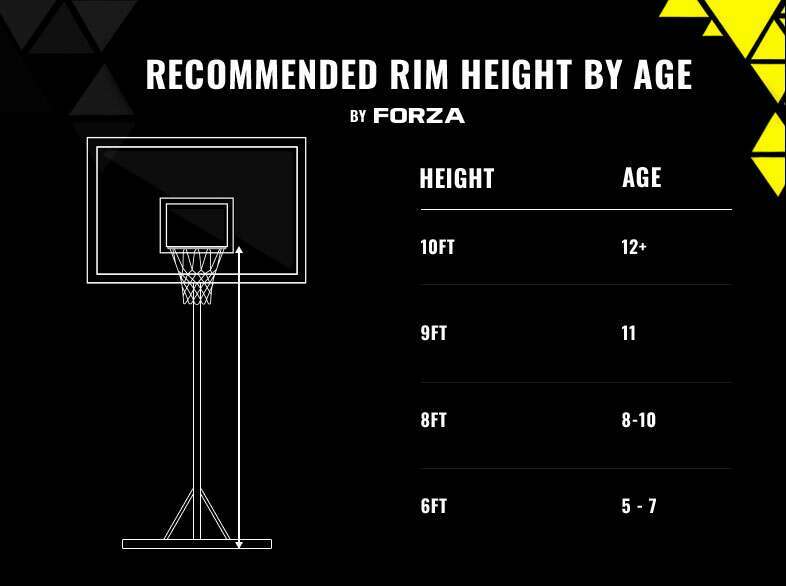
Image Source: nwscdn.com
The Decisive Height: A Standard Set in Stone
The iconic 10-foot mark for the basketball goal height NBA is not an arbitrary figure. It’s a fundamental aspect of the game that has remained consistent for decades, shaping the athleticism and skill required to play at the highest level. This specific NBA hoop height dictates everything from jump shot mechanics to the strategy behind offensive and defensive plays. When you ask “how tall is an NBA hoop?”, the answer is always the same: 10 feet. This professional basketball rim height is a cornerstone of the sport.
Historical Roots of the NBA Basket Height
The origin of the 10-foot hoop can be traced back to the very beginnings of basketball. When James Naismith invented the game in 1891, he originally used peach baskets. These were nailed to the gymnasium balcony railing, which happened to be 10 feet above the floor. The idea was to elevate the target, making the game more challenging and requiring players to use skill rather than brute force to score. This initial setup established the precedent for the basketball rim height NBA that we recognize today.
Over time, as the game evolved, the peach baskets were replaced with more modern hoops and nets. However, the 10-foot measurement remained. This consistency has allowed for a continuous evolution of playing styles and techniques, all built upon the same fundamental challenge of getting the ball into the basket from a specific height. The regulation basketball hoop height has been a constant, providing a stable framework for the sport’s development.
NBA Hoop Specifications: Precision Matters
The NBA hoop specifications are quite precise. The rim itself is made of solid steel and has an inner diameter of 18 inches. It’s attached to a backboard, typically made of tempered glass or clear acrylic, which is 6 feet wide and 3.5 feet tall. The backboard is positioned so that the front of the rim is 6 inches in from the face of the backboard.
The crucial measurement, however, is the distance from the floor to the top of the rim. This regulation basketball hoop height is set at exactly 10 feet (3.05 meters). This measurement is taken at the center of the hoop. This unwavering NBA basket height is a critical factor in game play.
Factors Influencing the NBA Hoop Height
While 10 feet is the unshakeable standard, it’s worth considering why this specific height was chosen and how it impacts the game. The NBA court dimensions hoop placement is integral to the game’s flow and the skills players develop.
The Balance of Skill and Athleticism
The 10-foot NBA hoop height creates a delicate balance between skill and athleticism. It’s high enough to require significant skill to shoot accurately, but low enough for athletic players to dunk and perform spectacular aerial feats. This duality is what makes the game so exciting to watch.
- Shooting Arc: The height of the hoop influences the necessary arc of a basketball shot. Players must learn to loft the ball with enough trajectory to clear defenders and fall through the net. A lower hoop might encourage more line-drive shots, while a higher one would necessitate a steeper arc, potentially making it harder to shoot consistently.
- Dunking and Rebounding: The 10-foot height allows for powerful dunks, a highlight of the sport. It also makes rebounding a crucial aspect of the game, as players jump and reach for the ball after missed shots. If the hoop were significantly higher, dunking would be nearly impossible for most players, and rebounding dynamics would change drastically.
Impact on Player Development
The consistent NBA hoop height plays a significant role in player development from a young age.
- Youth Leagues: While professional players aim for a 10-foot hoop, youth leagues typically use lower hoops to accommodate younger players. This gradual increase in height as players progress through different age groups helps them develop proper shooting form and coordination without becoming discouraged by an impossibly high target.
- Skill Refinement: The professional basketball rim height demands that players master a variety of skills, including shooting accuracy, dribbling under pressure, passing, and defensive positioning. The consistent challenge of reaching the hoop fosters a deep understanding of the game’s nuances.
NBA Court Dimensions Hoop Placement
The placement of the hoop is directly tied to the overall NBA court dimensions. The standard NBA court is 94 feet long and 50 feet wide. The baskets are centered on each end of the court, 4 feet in from the baseline. This positioning ensures that the game is played within a defined space and that the hoop is equally accessible from various angles on the court. The NBA court dimensions hoop integration is essential for fair play.
The Backboard’s Role
The backboard, while often overlooked in discussions about hoop height, plays a significant role in the game. It’s not just a surface to mount the rim on; it’s an active part of offensive and defensive strategy.
- Bank Shots: The backboard allows for “bank shots,” where players intentionally bounce the ball off the backboard into the hoop. This adds another layer of strategy and skill to shooting. The angle and force with which the ball hits the backboard are critical to its success.
- Defensive Rebounds: Defenders often use the backboard to position themselves for rebounds, anticipating where a missed shot might carom.
The standard basketball hoop size, including the backboard dimensions and rim diameter, contributes to the overall strategic possibilities within the game.
Comparing NBA Hoop Height to Other Leagues and Levels
While the 10-foot mark is the standard for professional men’s basketball, it’s important to note that hoop heights can vary in other contexts. This helps us appreciate the specific challenges and design of the professional game.
FIBA and Other International Standards
FIBA (International Basketball Federation) rules also stipulate a 10-foot hoop height. This ensures consistency for international competitions and professional leagues worldwide that adhere to FIBA standards. Therefore, the basketball rim height NBA is globally recognized.
Women’s Basketball
In women’s professional basketball, such as the WNBA, the hoop height is also 10 feet. This maintains a consistent standard for the professional level of the sport, regardless of gender.
Youth and Amateur Basketball
As mentioned earlier, youth leagues often use lower hoops to make the game more accessible and enjoyable for younger players. These heights can vary by age group:
- Under 8: 6 feet
- Ages 8-10: 8 feet
- Ages 11-13: 9 feet
- Ages 14 and up: 10 feet (regulation height)
These adjustments are crucial for skill development and confidence-building in younger athletes.
The Physics of a 10-Foot Hoop
The 10-foot basketball goal height NBA is not just an aesthetic choice; it has profound implications for the physics of shooting. Players must develop a precise understanding of force, angle, and spin to consistently make shots.
- Trajectory and Force: A player needs to apply enough force to get the ball to the hoop, but not so much that it flies over. The arc of the shot is determined by the initial velocity and angle of release.
- Spin and Swish: The spin on the ball can affect its flight and how it interacts with the rim and net. A well-executed shot often results in a “swish,” where the ball passes through the net without touching the rim, indicating optimal trajectory and force.
The precise NBA hoop specifications are designed to reward these physical skills.
The Psychology of Playing at 10 Feet
The psychological impact of the 10-foot hoop cannot be overstated. It represents a constant challenge that players must overcome with practice and determination.
- Confidence Building: Successfully making shots from this height is a significant confidence builder for players.
- Dealing with Pressure: The pressure to perform at this elevated target can be immense, especially in close games. Players learn to manage this pressure and execute under duress.
- Height Advantage and Disadvantage: While taller players may have an advantage in reaching the rim, skillful shorter players can overcome this with agility, speed, and accurate shooting. The NBA hoop height creates scenarios where different player types can succeed.
Common Misconceptions About NBA Hoop Height
Despite the well-established standard, some minor misconceptions can arise.
- Is the hoop height ever adjusted? No, the regulation basketball hoop height of 10 feet is strictly maintained throughout the NBA season and for all official games. There are no variations based on arena or team.
- Does the rim sag? While the rim can flex slightly when a player dunks, the overall height remains consistent. The mounting and support structures are designed to ensure the 10-foot measurement is never compromised.
The Significance of Standardizing NBA Hoop Height
The consistent NBA basket height is a critical factor in the sport’s global appeal and fairness.
- Fair Competition: It ensures that all teams compete on a level playing field, with the same objective target.
- Global Consistency: International players who come to the NBA are already familiar with the 10-foot standard, facilitating smoother transitions and a unified global basketball culture.
- Fan Experience: The predictable nature of the NBA hoop height allows fans to appreciate the incredible skill and athleticism required to score against this constant challenge.
Frequently Asked Questions (FAQ)
Here are some common questions about the NBA hoop height:
Q1: What is the exact height of an NBA basketball hoop?
A1: The basketball hoop height in the NBA is precisely 10 feet from the floor to the top of the rim.
Q2: Are there different hoop heights for different NBA teams or arenas?
A2: No, the regulation basketball hoop height of 10 feet is standardized across all NBA teams and arenas.
Q3: What is the diameter of an NBA basketball hoop?
A3: The inner diameter of an NBA basketball rim is 18 inches.
Q4: Why is the basketball hoop set at 10 feet?
A4: The 10-foot height was established by the game’s inventor, James Naismith, and has remained a consistent standard to balance skill and athleticism in the sport.
Q5: Do other professional basketball leagues use the same hoop height?
A5: Yes, FIBA and most other professional basketball leagues worldwide also adhere to the 10-foot hoop height standard.
Q6: What about women’s professional basketball, like the WNBA?
A6: The WNBA also uses a 10-foot hoop height, maintaining consistency at the professional level.
Q7: How does the NBA hoop height affect the game?
A7: The 10-foot height influences shooting arcs, the feasibility of dunking, the importance of rebounding, and the overall development of player skills. It creates a dynamic balance between finesse and athleticism.
Q8: What are the NBA court dimensions hoop placement?
A8: The hoops are centered on each end of the court, 4 feet in from the baseline, within the overall NBA court dimensions of 94 feet by 50 feet.
In conclusion, the 10-foot basketball hoop height is a fundamental and enduring aspect of the NBA. It’s a testament to the game’s design, balancing the need for skill and athleticism, and has remained a constant throughout its evolution. Whether you’re playing pickup games or watching the pros, the NBA hoop height is a key element in the captivating spectacle of basketball.