
Starting an AAU basketball team can be a rewarding experience, offering young athletes a platform for skill development, competition, and teamwork. If you’re asking, “How do I start an AAU basketball team?”, the answer involves several key steps, from understanding the rules and structure to building a roster and managing finances. This guide provides a comprehensive roadmap for aspiring team organizers.
Image Source: lh6.googleusercontent.com
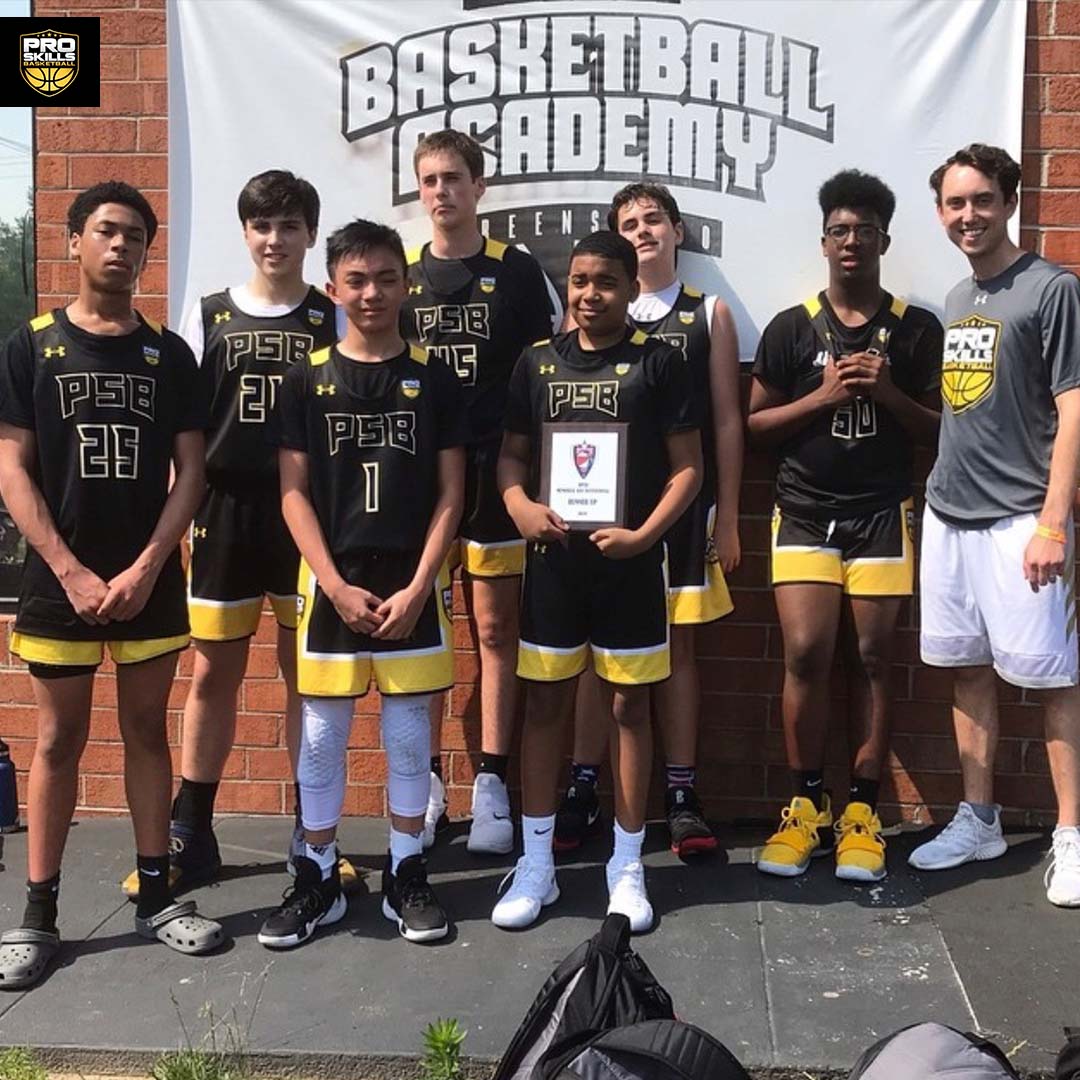
Laying the Foundation: The Initial Steps
Before you can hit the court, a solid foundation must be established. This involves grasping the core principles of AAU basketball and the logistical requirements of running a team.
Deciphering the AAU Landscape
AAU, or the Amateur Athletic Union, is a national organization that promotes amateur sports and athletic programs. AAU basketball is a popular branch, offering competitive leagues and tournaments for youth players. Understanding the AAU’s mission and structure is crucial for navigating the process.
What is AAU Basketball?
AAU basketball is a form of organized youth basketball played under the rules and regulations of the Amateur Athletic Union. It emphasizes grassroots development, providing opportunities for young players to compete at various levels, from local tournaments to national championships.
Gaining Clarity on AAU Basketball Team Rules
Each AAU team must adhere to specific AAU basketball team rules, which govern everything from player eligibility and conduct to tournament participation. These rules are established by the AAU itself and often supplemented by local district guidelines. Familiarizing yourself with these rules from the outset will prevent future complications. Key areas often covered include:
- Player Eligibility: Age, grade, and residency requirements.
- Roster Limits: Maximum number of players allowed on a team.
- Coaching Credentials: Requirements for coaches, including background checks.
- Uniforms and Equipment: Standards for team attire and necessary gear.
- Conduct Policies: Expectations for players, coaches, and spectators.
Associating with an AAU Club
You cannot simply form an AAU team out of thin air. You need to be affiliated with an existing AAU-sancyionted club. This means finding an AAU basketball team to join or, if you have enough interested individuals, starting your own club. The process of starting a club involves an application and approval by the AAU at the state or regional level.
Steps to Affiliate with a Club:
- Research Local Clubs: Identify AAU basketball clubs operating in your area.
- Contact Club Directors: Reach out to club directors to express your interest in starting a team under their umbrella.
- Understand Club Fees: Be aware of any fees associated with joining or operating under a club.
- Complete Necessary Paperwork: Fill out affiliation forms as required by the club and the AAU.
Building Your Team: From Players to Coaches
Once you have a framework, the next critical step is to assemble the talent and leadership for your team. This involves actively seeking players and qualified coaches.
The Art of AAU Basketball Tryouts
AAU basketball tryouts are the primary method for selecting players. These tryouts are crucial for identifying talent, assessing skill levels, and forming a competitive roster.
Planning Successful Tryouts:
- Set Dates and Times: Choose convenient dates and times, considering school schedules and other commitments.
- Secure a Venue: Book a gym or basketball court well in advance.
- Advertise Widely: Use social media, school announcements, local sports forums, and flyers to reach potential players.
- Develop Skill Drills: Prepare a series of drills that evaluate fundamental skills like dribbling, shooting, passing, defense, and agility.
- Use a Consistent Scoring System: Implement a clear and objective scoring system to evaluate players fairly.
- Communicate Results Promptly: Inform players about their selection status in a timely manner.
Recruiting Your AAU Basketball Coach
A good coach is paramount to a team’s success. AAU basketball coach recruitment requires finding individuals with the right mix of basketball knowledge, coaching experience, and commitment to youth development.
Qualities of a Great AAU Coach:
- Basketball IQ: Deep understanding of the game, strategies, and player development.
- Communication Skills: Ability to effectively communicate with players, parents, and staff.
- Patience and Mentorship: Dedication to teaching fundamental skills and fostering a positive environment.
- Certifications and Background Checks: Ensure coaches have necessary AAU certifications and have passed background checks.
- Positive Role Model: Demonstrates good sportsmanship and ethical conduct.
Forming a Youth Basketball Team: Beyond the Roster
Forming a youth basketball team involves more than just picking players. It’s about creating a cohesive unit with shared goals.
Key Considerations for Team Formation:
- Player Roles: Identify players who can fill specific roles (e.g., point guard, rebounder, shooter).
- Team Chemistry: While talent is important, players who work well together are often more successful.
- Parent Involvement: Establish clear communication channels and expectations with parents.
- Team Goals: Define what the team aims to achieve, whether it’s winning championships or focusing on player growth.
Navigating the Logistics: Registration and Equipment
Once your team is assembled, there are administrative and practical matters to attend to.
Youth Basketball League Registration
To compete, your team needs to participate in organized leagues. This involves youth basketball league registration. AAU clubs often have their own internal leagues or affiliations with larger AAU circuits.
Steps for League Registration:
- Identify Leagues: Research AAU-sanctioned leagues and tournaments that align with your team’s age group and skill level.
- Review Eligibility: Ensure your team meets the league’s eligibility criteria.
- Complete Registration Forms: Submit all required paperwork and fees by the specified deadlines.
- Obtain AAU Memberships: All players and coaches will need to register with the AAU and obtain membership cards.
Basketball Team Equipment Costs
You’ll need to account for basketball team equipment costs. These expenses can add up, so it’s wise to budget for them early on.
Essential Equipment and Estimated Costs:
| Item | Estimated Cost Per Item | Notes |
|---|---|---|
| Basketballs | $30 – $60 | Official size and weight, durable for practice and games. |
| Practice Jerseys | $20 – $40 | Comfortable, breathable material. |
| Game Uniforms | $50 – $150+ | Includes shorts and jerseys, often customized. |
| Team Bags/Duffel Bags | $25 – $50 | For carrying gear to practices and games. |
| First Aid Kit | $20 – $50 | Essential for minor injuries. |
| Cones | $15 – $30 | For drills and court marking. |
| Ball Pump | $10 – $20 | To maintain proper inflation of basketballs. |
| Water Bottles | $5 – $15 | Reusable bottles for hydration. |
| Coaching Clipboard | $10 – $25 | For plays and strategies. |
| Scorebook | $5 – $10 | To track game statistics. |
| Total Estimated Range | $210 – $410+ | This is a base estimate; costs can vary widely. |
Note: Game uniforms can be a significant expense. Consider bulk purchasing or fundraising to offset these costs.
Funding Your Team: Financial Strategies
Running a team requires financial resources. Developing basketball team funding strategies is essential for sustainability.
Common Funding Sources:
- Player Fees: Collecting contributions from each player.
- Fundraising Events: Car washes, bake sales, car washes, trivia nights, shooting competitions.
- Sponsorships: Approaching local businesses for financial or in-kind support.
- Grants: Exploring grants available for youth sports organizations.
- Donations: Soliciting donations from individuals or community organizations.
Creating a Team Budget:
A well-structured budget will help track expenses and income.
Sample AAU Basketball Team Budget (Annual)
| Category | Estimated Cost | Notes |
|---|---|---|
| Expenses | ||
| AAU Membership Fees | $1,000 | For players, coaches, and team registration. |
| League/Tournament Fees | $1,500 – $3,000 | Varies based on the number and type of events entered. |
| Gym Rental | $1,000 – $2,000 | For practices, depending on frequency and hourly rates. |
| Equipment Purchase | $500 – $1,000 | Initial setup and replacement of worn-out gear. |
| Uniforms | $1,000 – $2,500 | Cost depends on number of players and uniform quality. |
| Travel Expenses | $500 – $2,000 | For out-of-town tournaments (transportation, accommodation). |
| Coaching Stipends | $0 – $1,000 | Some coaches may volunteer, others expect compensation. |
| Miscellaneous | $200 – $500 | Website, insurance, etc. |
| Total Estimated Expenses | $6,700 – $12,000 | |
| Income | ||
| Player Fees | $3,000 – $6,000 | Assuming 10-12 players at $250-$500 each. |
| Fundraising | $1,000 – $3,000 | Dependent on the success of events and participation. |
| Sponsorships | $500 – $2,000 | Varies greatly based on the business and negotiation. |
| Donations | $200 – $1,000 | Community support. |
| Total Estimated Income | $4,700 – $12,000 | Aim to have income meet or exceed expenses. |
The Competitive Season: Scheduling and Player Development
With the team established and funded, the focus shifts to competition and growth.
Crafting Your AAU Basketball Tournament Schedule
A well-planned AAU basketball tournament schedule is vital for giving your team competitive experience without over-scheduling.
Factors to Consider When Scheduling:
- Player Availability: Align tournament dates with school schedules and other commitments.
- Team Skill Level: Choose tournaments that offer appropriate competition.
- Travel Distance: Balance local tournaments with some that require travel.
- Tournament Quality: Research tournaments for their organization and reputation.
- Rest and Recovery: Ensure adequate breaks between tournaments to prevent burnout.
Fostering Youth Basketball Player Development
Beyond winning games, a primary objective of an AAU team should be youth basketball player development. This involves a holistic approach to improvement.
Strategies for Player Growth:
- Skill-Specific Drills: Focus on improving dribbling, shooting, passing, and defensive techniques.
- Game Situational Practice: Simulate game scenarios to build decision-making skills.
- Strength and Conditioning: Incorporate age-appropriate exercises to improve athleticism.
- Basketball IQ Building: Teach players about spacing, strategy, and game awareness.
- Positive Reinforcement: Encourage effort and progress, not just outcomes.
- Video Analysis: Use game footage to review performance and identify areas for improvement.
Frequently Asked Questions (FAQ)
How much does it cost to start an AAU basketball team?
The cost varies significantly. Initial expenses can include AAU membership fees, insurance, equipment, and uniforms, potentially ranging from $500 to $2,000 or more for a full season’s operation. Ongoing costs involve league and tournament fees, gym rentals, and travel.
Do I need to be a coach to start an AAU team?
While it’s beneficial to have a coaching background, you don’t strictly need to be the head coach. You need to find a qualified coach to lead the team. Your role as the organizer is to manage the administrative and logistical aspects.
Can an AAU team be associated with a school team?
Generally, AAU teams and school teams operate independently. However, players on school teams can also participate in AAU basketball during the off-season. Be mindful of school athletic association rules regarding outside competition.
What are the age groups for AAU basketball?
AAU basketball offers programs for various age groups, typically categorized by grade levels or specific age cutoffs (e.g., 10U, 12U, 14U, High School Divisions).
How do I find players for my AAU team?
Hold open AAU basketball tryouts, advertise through schools and local community centers, utilize social media, and network with youth basketball programs.
Starting an AAU basketball team is a multifaceted endeavor that requires dedication, organization, and a passion for the sport. By following this comprehensive guide, you’ll be well-equipped to build a successful and impactful program for young athletes.