
Yes, you can play basketball overseas! Many athletes achieve their dreams of playing professionally in other countries, experiencing new cultures and developing their skills on an international stage. This guide will walk you through the essential steps and considerations for pursuing professional basketball opportunities abroad.
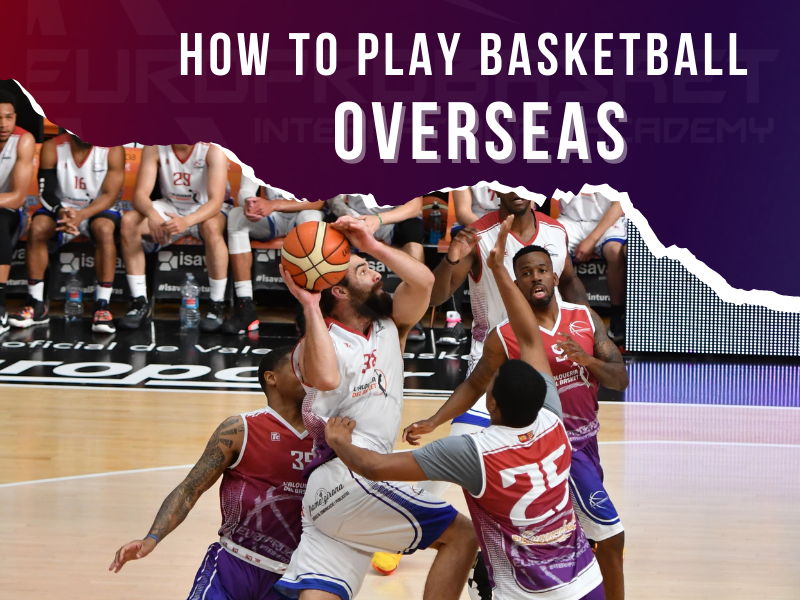
Image Source: europrobasket.com
Exploring International Basketball Leagues
The world of basketball extends far beyond national borders. International basketball leagues offer diverse opportunities for players seeking to advance their careers. From well-established leagues in Europe to emerging markets in Asia and South America, there’s a wide array of destinations to consider. Each league has its own unique style of play, salary structures, and quality of competition.
Playing Basketball in Europe: A Popular Choice
Playing basketball in Europe is a common aspiration for many players. European leagues are renowned for their high level of competition, passionate fan bases, and strong development programs. Countries like Spain, Italy, France, Germany, Lithuania, and Turkey boast some of the most prestigious leagues in the world. These leagues often feature a mix of local talent and international imports, providing excellent exposure and a chance to compete against seasoned professionals.
Notable European Leagues:
- EuroLeague: The premier club competition in Europe, featuring the continent’s elite teams.
- EuroCup: The second-tier European club competition, also offering high-level play.
- National Leagues: Major European countries have their own top-tier national leagues (e.g., Liga ACB in Spain, Lega Basket Serie A in Italy, LNB Pro A in France). These leagues are often the primary pathway for players to reach the EuroLeague.
Other Global Basketball Hotspots
While Europe is a major draw, don’t overlook other regions:
- Asia: Leagues in China (CBA), the Philippines (PBA), and Japan (B.League) offer significant opportunities, often with attractive financial packages. The style of play can vary, but the competition is growing rapidly.
- Australia: The National Basketball League (NBL) in Australia is a highly competitive league that has been attracting more international talent, including former NBA players.
- South America: Leagues in Argentina, Brazil, and Venezuela provide a competitive environment, though financial compensation may be lower than in Europe or Asia.
- Middle East: Countries like Qatar, Saudi Arabia, and Lebanon have developing leagues that are beginning to offer professional opportunities.
Becoming a Pro Basketball Player Internationally: Key Steps
The journey to becoming a pro basketball player internationally requires dedication, strategic planning, and a realistic approach. It’s not just about talent; it’s also about marketing yourself effectively and navigating the complexities of the global basketball market.
1. Building a Strong Foundation: Skill Development and Experience
Before you can play professionally overseas, you need to have a solid basketball foundation.
- College or University Basketball: Playing at a competitive college level in your home country provides invaluable experience, exposure, and a platform to showcase your abilities.
- Amateur Leagues and Competitions: Participating in high-level amateur leagues or tournaments can help you hone your skills and gain recognition.
- Skill Development: Continuously work on your game. Focus on all aspects: shooting, dribbling, passing, defense, rebounding, and basketball IQ. Conditioning and physical fitness are paramount.
2. The Role of Scouting for International Basketball
Scouting for international basketball is how teams identify potential talent. Scouts attend games, watch film, and gather information on players.
- Maximize Your Exposure: Play your best in every game. Make sure your statistics and game footage are readily available.
- Highlight Reels: Create professional-quality highlight reels that showcase your strengths and key plays.
- Statistics and Analytics: Keep track of your stats and be aware of advanced analytics that might highlight your contributions beyond traditional numbers.
3. Navigating Basketball Tryouts Overseas
Participating in basketball tryouts overseas is a primary way to get noticed by international teams.
- Identify Tryout Opportunities: Keep an eye on team websites, league announcements, and basketball agencies for tryout information.
- Prepare Thoroughly: Understand the expectations for the tryout. Be in peak physical condition, know your strengths, and be ready to adapt to different coaching styles.
- Showcase Your All-Around Game: While scoring is important, scouts also look for good defense, court vision, and team play.
- Professionalism: Be punctual, respectful, and have a positive attitude. How you conduct yourself off the court matters.
Common Types of Tryouts:
- Open Tryouts: Often advertised to the public, these can be highly competitive with many players.
- Invitational Tryouts: You might be invited by a team or an agent based on your resume or previous performance.
- Pre-Season Camps: Some teams hold training camps before the season starts, which can include tryout elements for unsigned players.
4. Working with Basketball Agents Overseas
A reputable basketball agent overseas can be instrumental in finding opportunities and negotiating contracts.
- What Agents Do: Agents act as your representatives, connecting you with teams, negotiating salaries and contract terms, and handling logistics.
- Finding a Reputable Agent:
- Referrals: Ask coaches, former players, or other professionals in the basketball community for recommendations.
- Agent Directories: Some sports organizations maintain lists of certified agents.
- FIBA Certification: Ensure any agent you consider is certified by FIBA (the International Basketball Federation).
- Agent Fees: Agents typically earn a commission, usually a percentage of your contract. This should be clearly defined in your representation agreement.
- Due Diligence: Research potential agents thoroughly. Look for their track record, ethical standards, and communication style.
5. Understanding Contracts and Negotiations
Once you have interest from a team, you’ll likely receive a contract offer.
- Key Contract Terms:
- Salary: The amount you will be paid.
- Bonuses: Performance-based incentives.
- Housing and Travel: Provisions for accommodation and flights.
- Insurance: Health and injury coverage.
- Duration: The length of the contract.
- Buyout Clauses: Terms under which either party can terminate the contract early.
- Legal Review: It’s highly recommended to have a lawyer specializing in sports contracts review any offer before you sign.
Pathways to Playing Abroad: From College to Pro
There are several common pathways that lead to playing basketball overseas.
College Basketball Graduates
Many players transition directly from college to professional careers abroad.
- Draft Opportunities: While the NBA draft is the ultimate goal for many, not everyone gets drafted. Players who go undrafted often find lucrative opportunities in FIBA professional leagues around the world.
- Post-College Agents: If you don’t get drafted, connecting with agents who specialize in placing players overseas is a crucial next step.
Non-College Players
Athletes who didn’t play college basketball, or who played at a lower level, can still find opportunities.
- G-League Exposure: Playing in the NBA G-League can provide a direct path to being scouted by international teams.
- Showcase Events: Attending specialized showcase events designed to put players in front of international scouts and agents is a good strategy.
- Independent Leagues: Some independent leagues or semi-professional circuits can serve as stepping stones.
Basketball Scholarships Abroad
In some cases, players may be able to secure basketball scholarships abroad.
- European Academies and Universities: Some European universities and basketball academies offer scholarships to talented athletes, often covering tuition and sometimes living expenses.
- Recruitment Process: Similar to college recruitment in the US, you’ll need to reach out to programs, send highlight tapes, and potentially attend recruitment camps.
Essential Considerations for Your Overseas Basketball Career
Beyond the on-court aspects, several practical and personal factors are vital for a successful overseas experience.
1. Visas and Work Permits
- Requirements Vary: Each country has its own immigration laws regarding visas and work permits for foreign athletes.
- Team Assistance: Your new club will typically assist you in navigating the visa and work permit process, but you’ll need to provide the necessary documentation promptly.
- Documentation: Be prepared to gather documents like passports, birth certificates, police records, and medical certificates.
2. Language and Cultural Adaptation
- Learning the Language: While English is often spoken in professional sports settings, learning at least some of the local language will greatly enhance your experience and integration.
- Cultural Differences: Be open-minded and respectful of local customs, traditions, and social norms. Research the culture of your destination country before you go.
- Support System: Stay connected with family and friends back home, but also actively build a support network in your new environment.
3. Financial Management
- Salary Expectations: Research typical salary ranges for your skill level and the league you are targeting. Salaries can vary significantly.
- Cost of Living: Factor in the cost of living in your destination country, including rent (if not provided), food, transportation, and personal expenses.
- Taxes: Understand the tax implications of your contract in both your home country and your host country.
4. Player Welfare and Development
- Health and Nutrition: Maintain a healthy lifestyle and listen to your body. Work with team trainers and nutritionists.
- Mental Health: Adjusting to a new country, culture, and intense competition can be challenging. Prioritize your mental well-being and seek support if needed.
- Career Opportunities Basketball Abroad: Think beyond your playing career. Consider how playing overseas can open up future career opportunities basketball abroad in coaching, scouting, or sports management.
Maximizing Your Chances: Tips for Aspiring Players
Here are some actionable tips to increase your chances of playing basketball internationally:
1. Create a Professional Online Presence
- Player Profile: Maintain an updated online profile with your stats, bio, and contact information.
- Social Media: Use social media platforms like Instagram and Twitter professionally to share your progress and connect with the basketball community.
2. Network Relentlessly
- Connect with Professionals: Reach out to coaches, scouts, agents, and players who have experience playing overseas.
- Attend Events: Go to basketball camps, clinics, and showcase events where you can meet key people in the industry.
3. Be Realistic and Persistent
- Start Somewhere: You might not land a contract with a top EuroLeague team right away. Be willing to start in a lower-tier league to gain experience and build your resume.
- Rejection is Part of the Process: Not every tryout or contract offer will pan out. Learn from each experience and keep pushing forward.
4. Film Your Games
- High-Quality Footage: Ensure you have high-quality video footage of your games. This is essential for creating highlight reels and for scouts who can’t see you play in person.
- Showcase Strengths: Cut your film to highlight your best plays and skills relevant to the type of player teams are looking for.
Frequently Asked Questions (FAQ)
Q1: Can I play basketball overseas without playing college basketball?
A1: Yes, absolutely. While college basketball provides a strong platform, players can also pursue overseas careers through G-League play, independent leagues, showcase events, and by directly connecting with agents and teams.
Q2: How much money can you make playing basketball overseas?
A2: Salaries vary dramatically depending on the league, country, player’s skill level, and experience. Top leagues in Europe and Asia can offer six-figure salaries, while lower-tier leagues might offer more modest compensation, often covering living expenses and travel.
Q3: How do I find basketball tryouts overseas?
A3: Keep an eye on team websites, league announcements, and professional basketball agent websites. Social media and networking within the basketball community are also excellent ways to discover tryout opportunities.
Q4: What is the best country to play basketball in overseas?
A4: “Best” is subjective and depends on your goals. Europe, particularly Spain, Italy, and France, is known for its high level of competition and development. Asia offers lucrative contracts and a growing market. Australia has a competitive league with increasing international appeal.
Q5: Do I need an agent to play basketball overseas?
A5: While not strictly mandatory, having a reputable FIBA-certified agent significantly increases your chances of finding good opportunities and negotiating fair contracts. Agents have established networks and understand the intricacies of the international basketball market.
Q6: What are the typical contract lengths for overseas basketball players?
A6: Contracts typically range from one season (8-10 months) to two years. Some players may sign shorter contracts if they are looking for specific opportunities or want flexibility.
Q7: How important is scouting for international basketball?
A7: Scouting is extremely important. Scouts are the eyes and ears of teams, identifying talent that fits their needs. Playing well and ensuring your performance is visible to scouts is crucial for career advancement.
By following this guide, aspiring basketball players can take informed steps towards achieving their dream of playing professionally on the global stage. The path requires hard work, strategic planning, and a deep passion for the game.