
So, you’re asking, “How can I play basketball overseas?” The answer is yes, you absolutely can, and it’s a journey filled with dedication, strategic planning, and unwavering passion for the game. Playing basketball internationally opens doors to incredible basketball jobs abroad, allowing you to explore new cultures, develop your skills in diverse international basketball leagues, and forge a fulfilling professional basketball career overseas. This guide is your roadmap to navigating the exciting world of pro basketball overseas and turning your dream into a reality.
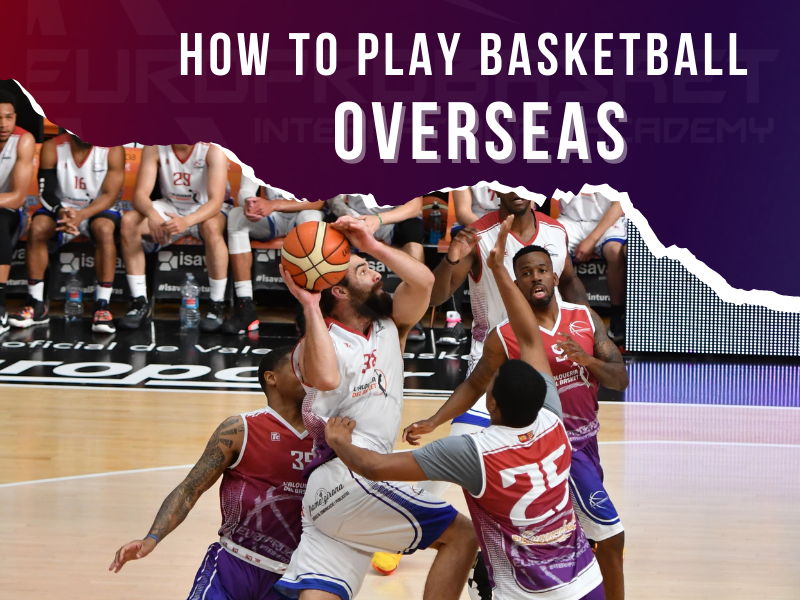
Image Source: europrobasket.com
Embarking on Your Global Basketball Journey
The allure of playing basketball professionally outside your home country is strong. It’s more than just a job; it’s an adventure. Many athletes dream of showcasing their talents on different courts, facing new challenges, and experiencing life in new environments. The prospect of securing overseas basketball contracts and becoming a part of European basketball leagues or Asian basketball leagues is a powerful motivator for many aspiring players.
The Appeal of Playing Basketball Internationally
Why choose to play basketball internationally? The reasons are as varied as the countries you could play in.
- Skill Development: Different leagues emphasize different aspects of the game. You might find yourself in a league that values physicality, speed, or intricate offensive plays, pushing you to adapt and grow in new ways.
- Cultural Immersion: Living and playing in another country offers an unparalleled opportunity to experience different cultures firsthand. You’ll learn new languages, try new foods, and meet people from all walks of life.
- Career Advancement: Success overseas can significantly boost your resume, potentially leading to opportunities in even higher-level leagues or back in your home country. It’s a proven path for many who wish to get scouted for basketball abroad.
- Financial Opportunities: While not all overseas positions are highly lucrative, many offer competitive salaries, housing, and other benefits that can provide financial stability and the chance to save.
- Personal Growth: Stepping outside your comfort zone, navigating unfamiliar situations, and overcoming obstacles builds resilience, independence, and confidence.
Setting the Foundation: What You Need to Succeed
Before you even think about booking a flight, you need to build a solid foundation. This involves excelling on the court and preparing yourself off it.
Honing Your On-Court Skills
Your primary currency is your basketball talent. This means consistent hard work and a commitment to improvement.
- Master the Fundamentals: Dribbling, shooting, passing, defense – these are non-negotiable. Elite overseas leagues demand polished fundamentals.
- Develop a Specialty: What makes you stand out? Are you a lights-out shooter, a lockdown defender, a creative playmaker, or a dominant rebounder? Identify and refine your strengths.
- Improve Your Physical Condition: Professional basketball is physically demanding. Focus on strength training, cardiovascular endurance, agility, and injury prevention. A strong body is crucial for a long career.
- Basketball IQ: This is your ability to read the game, make smart decisions, and understand strategy. Watch film, study plays, and learn from experienced coaches and players.
Building Your Basketball Resume
Think of your resume as your calling card. It needs to be professional, comprehensive, and compelling.
- Statistics: Keep detailed records of your performance in games, including points, assists, rebounds, steals, blocks, and shooting percentages.
- Game Film: High-quality video footage of your best performances is essential. Showcase your skills in various game situations. Ensure the film is well-edited and highlights your strengths.
- Player Bio: A concise, well-written summary of your playing history, strengths, and career aspirations.
- References: Letters of recommendation from coaches, trainers, or former teammates can add credibility.
Navigating the Landscape of Overseas Basketball
The world of playing basketball internationally is vast and varied. Different regions offer unique opportunities and challenges. Understanding these differences is key to finding the right fit for your career.
Major Overseas Basketball Hubs
While opportunities exist globally, certain regions are more established for professional basketball.
European Basketball Leagues
Europe is arguably the most popular destination for professional basketball players outside the NBA. The continent boasts a rich basketball history and a network of highly competitive leagues.
- Germany (BBL): Known for its strong organization, good salaries, and competitive play.
- Spain (Liga ACB): Considered one of the strongest leagues outside the NBA, featuring high-level talent and passionate fan bases.
- Italy (LBA): A historic league with a long tradition of excellent basketball.
- France (LNB Pro A): Growing in popularity and talent, offering good competition.
- Greece (GBL): Home to legendary clubs with passionate fan bases and a history of European success.
- Turkey (BSL): A powerful league with significant investment and a history of attracting top talent.
- Lithuania, Serbia, Croatia: These Eastern European nations have a deep-rooted basketball culture and produce exceptional players.
Asian Basketball Leagues
Asia presents a growing market with increasing investment in basketball. These leagues can offer excellent opportunities for skilled players.
- China (CBA): One of the highest-paying leagues in the world, attracting significant international talent.
- Philippines (PBA): A highly popular and fast-paced league with a unique style of play.
- Japan (B.League): A well-organized and rapidly developing league with a focus on professionalism.
- South Korea (KBL): A competitive league known for its physicality and speed.
- Middle Eastern Leagues (e.g., Saudi Arabia, Qatar): These leagues are also expanding and can offer attractive opportunities.
Other Notable Regions
Don’t overlook other parts of the world where basketball is gaining traction.
- Australia (NBL): A professional league that is steadily improving and attracting international talent.
- South America (e.g., Argentina, Brazil): These countries have strong basketball traditions and competitive leagues.
Levels of Competition
It’s important to recognize that international basketball leagues vary in their level of competition.
| League Tier | Description | Examples |
|---|---|---|
| Tier 1 | Top-tier leagues with the highest salaries, most exposure, and often featuring former NBA players. | Liga ACB (Spain), EuroLeague, BBL (Germany), BSL (Turkey), CBA (China) |
| Tier 2 | Strong leagues that offer competitive salaries and good exposure, a great stepping stone. | LNB Pro A (France), LBA (Italy), NBL (Australia), KBL (South Korea), PBA (Philippines) |
| Tier 3 | Developing leagues or those with lower budgets, still offering valuable experience and income. | Various leagues in Eastern Europe, South America, and smaller Asian markets |
| Lower | Amateur or semi-professional leagues, usually for players seeking experience or to stay active. | Many smaller leagues globally |
The Process: How to Get Signed
Securing an overseas basketball contract involves a strategic approach to getting noticed and making the right connections.
Getting Scouted for Basketball Abroad
Scouting is a critical component of the international basketball talent acquisition process. Agents and teams actively seek out players who can make an impact.
The Role of an Agent
A reputable basketball agent can be invaluable. They have established networks and experience in negotiating contracts.
- Finding an Agent: Look for agents who are certified by recognized organizations (e.g., FIBA for international play). Ask for references and research their track record.
- What an Agent Does:
- Markets your skills to teams.
- Negotiates contract terms.
- Handles logistics like visas and travel.
- Provides career guidance.
Attending Basketball Tryouts Overseas
Basketball tryouts overseas are a common way for teams to find new talent.
- Identifying Tryouts: Keep an eye on team websites, league announcements, and agent platforms.
- Preparation: Ensure your game film and stats are up-to-date and easily accessible. Be in peak physical condition.
- Performance: During tryouts, showcase your skills, hustle, coachability, and positive attitude. Be prepared to play in different scenarios and demonstrate your basketball IQ.
Leveraging Your Network
Your existing connections can open doors.
- Coaches and Mentors: Talk to coaches you’ve played for. They might have contacts or know of opportunities.
- Former Teammates: Players who have played overseas can offer insights and introductions.
- Online Platforms: Utilize social media (LinkedIn, Twitter) and dedicated basketball platforms to connect with coaches, scouts, and agents.
Crafting Your Pitch
When opportunities arise, you need to present yourself professionally.
Your Player Highlight Reel
This is your visual resume.
- Quality Over Quantity: Focus on your best plays that highlight your strengths.
- Editing: Ensure smooth transitions and clear footage. Include basic information like your name, position, and relevant stats.
- Length: Aim for 3-5 minutes. Coaches are busy; make every second count.
The Digital Footprint
In today’s world, your online presence matters.
- Professional Social Media: Maintain professional accounts on platforms like Instagram and Twitter. Share your progress, game clips, and positive interactions.
- Player Websites: Consider creating a simple website with your bio, stats, film, and contact information.
Understanding Overseas Basketball Contracts
Securing an overseas basketball contract is a significant achievement. These contracts outline the terms of your employment.
Key Contractual Elements
- Salary: This is the base pay you’ll receive.
- Duration: The length of your contract (e.g., one season, multiple seasons).
- Benefits: This can include housing, meals, health insurance, travel expenses, and workout facilities.
- Bonuses: Performance-based bonuses (e.g., for winning a championship, meeting statistical goals).
- Release Clauses: Terms under which either party can terminate the contract.
- Buyout Clauses: If you wish to leave before the contract ends, there might be a buyout fee.
- No-Cut Clauses: Guarantees your salary even if you are released due to injury.
Negotiation Tips
- Know Your Value: Research the typical salaries for players with your experience and skill level in the league you’re targeting.
- Be Realistic: Understand the financial realities of the league and the team.
- Seek Advice: If you have an agent, rely on their expertise. If not, consult with a lawyer specializing in sports contracts.
- Prioritize: Decide what’s most important to you – salary, playing time, team success, or location.
Preparing for Life Abroad
Moving to a new country to play basketball is an exciting prospect, but it requires thorough preparation.
Practical Preparations
- Passport and Visas: Ensure your passport is valid for at least six months beyond your intended stay. Research visa requirements for your destination country well in advance.
- Flights and Travel: Arrange your flights and understand any travel arrangements the team might provide.
- Packing: Pack essentials, including your basketball gear, comfortable clothing for various climates, and personal items. Consider shipping larger items if necessary.
- Finances: Set up a system for managing your money. Inform your bank of your travel plans to avoid issues with international transactions.
Cultural and Language Considerations
- Research the Culture: Learn about the customs, traditions, and social etiquette of your destination.
- Basic Language Skills: Learning a few key phrases in the local language can go a long way in integrating and building relationships.
- Adaptability: Be open-minded and willing to adapt to new ways of living.
Maintaining Your Performance and Well-being
- Nutrition and Training: Continue your rigorous training regimen and maintain a healthy diet. Find local gyms or training facilities if needed.
- Mental Health: Being away from home can be challenging. Stay connected with family and friends, find support systems, and practice mindfulness or other stress-management techniques.
- Building Relationships: Engage with teammates, coaches, and local people. Building a strong support network will be crucial for your success and happiness.
Common Pitfalls and How to Avoid Them
Even with the best preparation, challenges can arise. Being aware of potential pitfalls can help you navigate them successfully.
Overlooking Key Contract Details
- Avoid: Signing a contract without fully reading and understanding every clause.
- Solution: If you’re unsure about anything, ask for clarification or consult with a legal professional.
Poor Communication
- Avoid: Not communicating proactively with your team or agent about your needs or concerns.
- Solution: Maintain open and honest communication. Address issues as they arise.
Underestimating Cultural Differences
- Avoid: Assuming that practices and social norms are the same as in your home country.
- Solution: Be observant, ask questions, and show respect for local customs.
Neglecting Your Health
- Avoid: Pushing yourself too hard without adequate rest and recovery, or neglecting mental health.
- Solution: Prioritize sleep, nutrition, and mental well-being. Don’t hesitate to seek support if needed.
Lack of Professionalism
- Avoid: Arriving late, displaying a negative attitude, or not being a team player.
- Solution: Always conduct yourself professionally, on and off the court. Be reliable and respectful.
Your Path to Pro Basketball Overseas
Playing basketball overseas is a challenging but immensely rewarding path. It requires talent, perseverance, strategic planning, and a willingness to embrace the unknown. By honing your skills, building a strong resume, understanding the global landscape of international basketball leagues, and preparing thoroughly, you can significantly increase your chances of securing overseas basketball contracts and achieving your dream of playing basketball internationally. The world is waiting for your talent – go out there and shine.
Frequently Asked Questions (FAQ)
Q1: How do I get discovered or scouted for basketball abroad?
A1: To get scouted for basketball abroad, you need to make your skills visible. This includes creating high-quality game film, maintaining excellent statistics, attending basketball tryouts overseas when possible, and working with a reputable agent who can market you to teams. Networking with coaches and former players can also open doors.
Q2: What are the typical salary ranges for playing pro basketball overseas?
A2: Salary ranges for pro basketball overseas vary dramatically based on the league’s strength, the player’s experience, and their role on the team. Top leagues in Europe or Asia can offer significant salaries, while developing leagues might offer more modest compensation plus benefits like housing and meals. It’s crucial to research specific league and country averages.
Q3: Do I need an agent to play basketball overseas?
A3: While it’s not strictly mandatory, having a reputable agent significantly increases your chances of securing an overseas basketball contract. Agents have established networks with teams and leagues, understand contract negotiations, and can help navigate the complexities of playing abroad.
Q4: What kind of player are international teams looking for?
A4: International teams look for players who can fill specific roles and contribute to team success. This includes players with strong fundamental skills, good basketball IQ, coachability, adaptability, and a strong work ethic. Specialized skills like elite shooting, defense, or playmaking are also highly valued.
Q5: How long does it take to get an overseas basketball contract?
A5: The timeline can vary greatly. Some players secure contracts relatively quickly after graduation or finishing their college careers, while others might spend a few years building their resume in lower-level leagues or attending multiple tryouts before landing a deal. Persistence and strategic effort are key.
Q6: What are the visa requirements for playing basketball overseas?
A6: Visa requirements depend on the destination country and your nationality. Typically, you will need a work visa or a specific sports visa. Your team or agent will usually assist you with the application process, but it’s essential to have a valid passport and be aware of the general requirements well in advance.
Q7: Is it possible to play basketball overseas without prior professional experience?
A7: Yes, it is possible. Many players make the transition from college or high-level amateur play directly to overseas leagues, especially in developing markets or lower-tier leagues. Strong performance in collegiate or high-level amateur leagues, coupled with good marketing (film, stats), can attract attention.
Q8: How important is it to learn the local language?
A8: While not always a mandatory requirement, learning at least some basic phrases in the local language can greatly enhance your experience. It shows respect for the culture, helps with daily interactions, and can foster better relationships with teammates and coaches, ultimately aiding your integration and performance.
Q9: What are the differences between European and Asian basketball leagues?
A9: European basketball leagues are generally known for their physicality, strategic play, and strong emphasis on team defense and execution. Asian basketball leagues, while diverse, often feature faster-paced games, a focus on individual skill, and can be more physically demanding in different ways. The CBA in China, for instance, is known for its high salaries and intense competition.
Q10: How can I improve my chances of getting a good overseas basketball contract?
A10: To improve your chances of securing a good overseas basketball contract, focus on consistent skill development, maintaining peak physical condition, creating professional marketing materials (film, stats), working with a reputable agent, and demonstrating a positive attitude and professionalism throughout the process. Networking and attending basketball tryouts overseas are also crucial steps.