
Imagine you’re a guitarist, dreaming of that perfect, roaring sound. You know that iconic guitar tone comes from a great amp, but what if you can’t afford a vintage tube amp, or don’t have space for a loud amplifier? This is where guitar amp simulators come in, offering a world of sounds right at your fingertips.
Choosing the right amp simulator can feel like navigating a maze. There are so many brands and models, each promising a unique tone. It’s easy to get lost, wondering which one will truly capture the sound you hear in your head. You might worry about spending money on something that doesn’t sound right, or that’s too complicated to use.
But don’t worry! This post will break down the confusion. We’ll explore what makes a great amp simulator, what to look for, and how to find one that fits your budget and your musical style. By the end, you’ll feel confident in picking the perfect virtual amp to unlock your best guitar sounds.
Our Top 5 Guitar Amp Simulator Recommendations at a Glance
Top 5 Guitar Amp Simulator Detailed Reviews
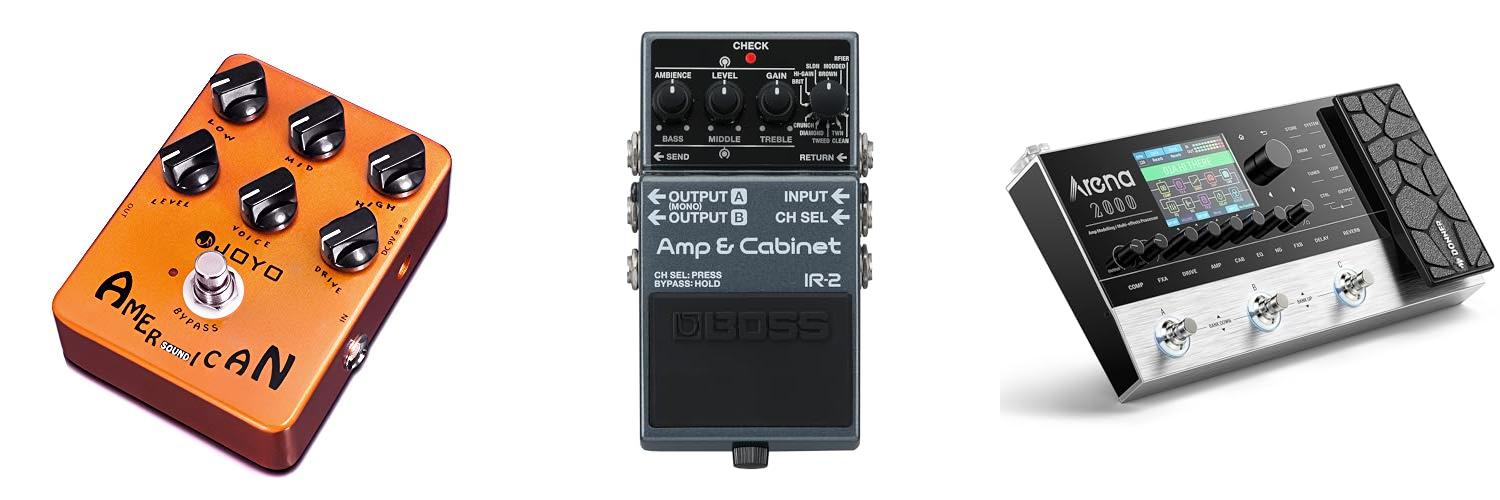
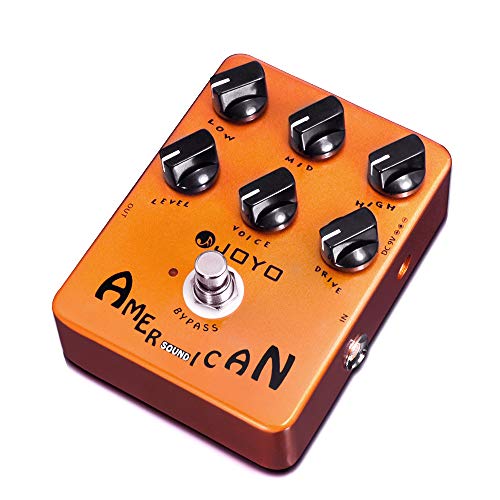
1. JOYO American Sound Amp Simulator Pedal of Fd 57 Deluxe Amplifier from Clean to Overdrive Sound for Electric Guitar Effect – Bypass (JF-14)
Rating: 8.5/10
Channel the iconic tones of classic Fender amps right into your pedalboard with the JOYO American Sound Amp Simulator Pedal. This little powerhouse is designed to bring you the sought-after sound of the Fd 57 Deluxe amplifier, letting you explore everything from sparkling clean tones to gritty overdrive and everything in between. It’s like having a whole collection of amps in one compact unit.
What We Like:
- It perfectly recreates the classic Fender clean sound found in 60s surf music, 50s country, and rockabilly hits.
- The Level and Drive controls give you a huge range of sound shaping possibilities.
- With a full 3-band EQ and a Voice knob, you can easily dial in almost any tone you can imagine.
- The pedal features a tough aluminum-alloy housing with a classic finish, making it very strong and stable.
- JOYO is a trusted brand with over 10 years of experience, known for making great budget-friendly gear that inspires guitarists worldwide.
What Could Be Improved:
- To get the best performance and avoid unwanted noise, it’s recommended to buy a separate JOYO original power adapter and audio cable.
The JOYO American Sound pedal is a fantastic way to get legendary amp tones without breaking the bank. It offers incredible versatility for guitarists looking to capture that classic American amp vibe.
2. BOSS IR-2 Amp & Cabinet

Rating: 8.7/10
The BOSS IR-2 Amp & Cabinet pedal packs a huge sound into a small package. It’s a premium amp emulator and cabinet IR loader that gives you 11 different amp sounds and amazing cabinet impulse responses (IRs) from Celestion Digital. You can get great tone easily with its simple controls. Plus, it has a cool ambience effect to add some space to your sound. It’s also super handy for recording or playing along to music with its USB-C connection.
What We Like:
- It sounds fantastic, thanks to its high-quality digital processing.
- You get 11 different amp sounds to play with.
- The Celestion Digital cabinet IRs sound really real.
- The controls are easy to understand and use.
- The USB-C port makes recording and practicing a breeze.
- The built-in ambience effect is a nice touch.
What Could Be Improved:
- More amp models would make it even better.
- An expression pedal input could add more control.
The BOSS IR-2 is a powerful and user-friendly tool for any guitarist. It delivers impressive amp tones and cabinet realism, making it a valuable addition to your pedalboard.
3. Donner Arena 2000 Guitar Multi-Effects Pedal with 278 Effects

Rating: 9.4/10
The Donner Arena 2000 Guitar Multi-Effects Pedal is a powerful tool for any guitarist. It packs a huge amount of sound-shaping capabilities into a single unit, making it ideal for practice, recording, and live performance.
What We Like:
- The sound quality is rich and detailed, thanks to FAVCM technology and high-quality audio processing. It really cuts down on that digital “plastic taste.”
- You get an incredible 278 effect types, including 100 classic effects, 80 amp simulations, and 50 cabinet simulations. This means you can achieve almost any guitar tone you can imagine, from pop to thrash metal.
- The long IR resolution (up to 23.2 ms) precisely recreates the sound of different rooms and gear, giving your tone more depth and realism.
- It’s like having a whole band in a box! The built-in drum machine with 40 rhythms and a 60-second looper let you easily record ideas or perform solo.
- The Arena 2000 is super versatile for both bedroom practice and stage use. You can control it with a computer or phone, and it has XLR outputs for live sound.
- The headphone output is great for practicing late at night without disturbing anyone.
- OTG support lets you quickly capture inspiration with your phone.
What Could Be Improved:
- The product does not include a battery compartment, so you’ll need to rely on its power adapter.
- Headphones with very high impedance might result in low volume. It’s recommended to use headphones in the 32-64 ohm range.
The Donner Arena 2000 is an impressive multi-effects pedal that offers incredible value and sonic flexibility for guitarists of all levels. It’s a fantastic choice for anyone looking to expand their sound palette.
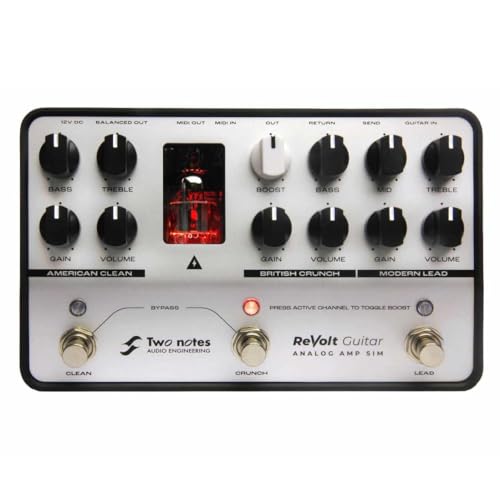
4. Two Notes ReVolt All-analog Guitar Amp Simulator Pedal
Rating: 8.5/10
The Two Notes ReVolt All-analog Guitar Amp Simulator Pedal brings the sound of a real tube amp right to your pedalboard. It’s a 3-channel preamp that uses a real 12AX7 tube for warm, authentic tones. You get three distinct amp voicings, each with its own personality. Plus, it has an analog cabinet simulator that makes your guitar sound like it’s coming through a real speaker cabinet. This pedal is built for serious guitarists who want great tone without lugging around a heavy amp.
What We Like:
- The 12AX7 tube delivers rich, natural tube overdrive and warmth.
- Three independent channels offer a wide range of amp sounds, from clean to high-gain.
- The built-in analog cabinet simulator sounds surprisingly realistic.
- MIDI I/O allows for easy integration with other gear and preset switching.
- The FX loop is super handy for adding your favorite pedals.
- It’s a compact and rugged pedal, perfect for gigging or recording.
What Could Be Improved:
- The analog cab sim, while good, might not satisfy everyone compared to impulse responses.
- The price point could be a bit high for some beginners.
- More detailed EQ controls on each channel would offer even greater flexibility.
The Two Notes ReVolt is a fantastic option for guitarists seeking authentic tube amp tones in a convenient pedal format. It truly captures the spirit of classic tube amplification.
5. Strymon Iridium Amp and IR Cab Simulator Guitar Pedal for Electric and Acoustic Guitar

Rating: 8.6/10
The Strymon Iridium Amp and IR Cab Simulator is a game-changer for musicians. It lets you ditch your bulky amp and get amazing tube amp sounds right on your pedalboard. This pedal works for electric guitars, acoustic guitars, synths, and keyboards, making it super versatile.
What We Like:
- You can leave your heavy amp at home. It sounds like a real tube amp and speaker in a great room.
- It has three different classic tube amps modeled perfectly. They feel and sound just like the real thing.
- Nine stereo speaker cabinet sounds give you tons of realistic options.
- You can add room sound with reverb, making your amp sound like it’s breathing.
- It’s easy to set up anywhere, from the stage to your living room.
What Could Be Improved:
- The price might be a bit high for beginners.
- Some users might want even more amp or cabinet options built-in.
The Strymon Iridium delivers incredible amp tones without the fuss. It’s a fantastic tool for anyone who wants pro-level sound anywhere they play.
Your Guide to Awesome Guitar Amp Simulators
So, you want to get that killer guitar tone without lugging around a giant amp? A guitar amp simulator is your answer! These cool gadgets make your guitar sound like it’s plugged into famous, expensive amps. This guide will help you pick the best one for you.
What to Look for in an Amp Simulator
1. Sound Quality is King
This is the most important thing. A good amp simulator sounds like a real amp. It should have different amp models. Think classic Fender tweed, crunchy Marshall stacks, or a smooth Vox AC30. Listen to demos online to hear how they sound. Some simulators have built-in effects too, like reverb or delay. These add extra flavor to your sound.
2. Amp Models and Effects
Look for a simulator with a good variety of amp models. More models mean more sounds to play with. Check out the effects included. Do you need reverb? Distortion? Chorus? If the simulator has them, you might not need separate pedals.
3. Connectivity and Controls
How do you connect it? Most plug into your guitar and then to an audio interface or headphones. Some have USB connections for recording directly to your computer. Easy-to-use knobs and buttons make tweaking your sound simple. You want to be able to adjust volume, gain, and EQ easily.
4. Build Quality and Materials
Amp simulators can be pedals, rack units, or even software. Pedals are usually made of metal and are built tough for gigging. Rack units are good for studios. Software runs on your computer. The materials used can affect durability. Metal enclosures are generally better than plastic ones.
What Makes an Amp Simulator Great (or Not So Great)?
Factors that Boost Quality:
- Accurate Amp Emulation: When the simulator really sounds like the real amp it’s copying.
- Wide Range of Sounds: Having many different amp models and effects.
- Low Latency: This means there’s almost no delay between when you play a note and when you hear it.
- Intuitive Controls: Easy to understand and adjust settings.
- Good Build: Sturdy construction that lasts.
Factors that Reduce Quality:
- Unrealistic Sound: When it sounds “digital” or thin.
- Limited Options: Not enough amp models or effects.
- High Latency: A noticeable delay that makes playing difficult.
- Confusing Controls: Hard to figure out how to get the sound you want.
- Cheap Materials: Flimsy plastic that breaks easily.
User Experience and Use Cases
For Beginners:
An amp simulator is perfect for beginners. You can practice quietly with headphones. You can learn about different amp tones without buying expensive gear. Many offer simple interfaces that are easy to learn.
For Home Recording:
Musicians who record at home love amp simulators. They let you get great guitar tones without needing a loud amp in your house. You can easily record directly into your computer. This saves space and money.
For Live Performance:
Some gigging musicians use amp simulators. They can be lighter than carrying amps. You can get consistent tones night after night. These are usually more robust pedal units.
For Experimenting:
If you love trying new sounds, an amp simulator is a playground. You can blend different amp models, add crazy effects, and create unique tones. This is where software simulators really shine.
Frequently Asked Questions (FAQ)
Q: What is a guitar amp simulator?
A: A guitar amp simulator is a device or software that makes your electric guitar sound like it’s plugged into different types of amplifiers.
Q: Do I need an amplifier if I have an amp simulator?
A: Not always. You can plug an amp simulator directly into headphones, a PA system, or your computer’s audio interface to hear your sound.
Q: Are amp simulators good for beginners?
A: Yes, they are great for beginners. They let you practice quietly and explore many sounds without buying expensive amps.
Q: Can I use an amp simulator for recording music?
A: Absolutely! They are very popular for home recording because they provide great tones easily and quietly.
Q: What are the different types of amp simulators?
A: They come as stompbox pedals, rackmount units, and software programs that run on computers.
Q: How do I connect an amp simulator?
A: You plug your guitar into the simulator, and then the simulator into headphones, an audio interface, or a sound system.
Q: Can amp simulators replace real amps?
A: For many players and situations, yes. They offer convenience and versatility. However, some players still prefer the unique feel and sound of a real tube amp.
Q: What is “latency” in amp simulators?
A: Latency is the small delay between when you play a note and when you hear it. Low latency is crucial for a good playing experience.
Q: Do amp simulators come with built-in effects?
A: Many do. They often include effects like reverb, delay, distortion, and modulation, saving you from buying separate pedals.
Q: How do I choose the right amp simulator for me?
A: Consider the amp models you like, the effects you need, how you’ll use it (practice, recording, live), and your budget.
In conclusion, every product has unique features and benefits. We hope this review helps you decide if it meets your needs. An informed choice ensures the best experience.
If you have any questions or feedback, please share them in the comments. Your input helps everyone. Thank you for reading.