
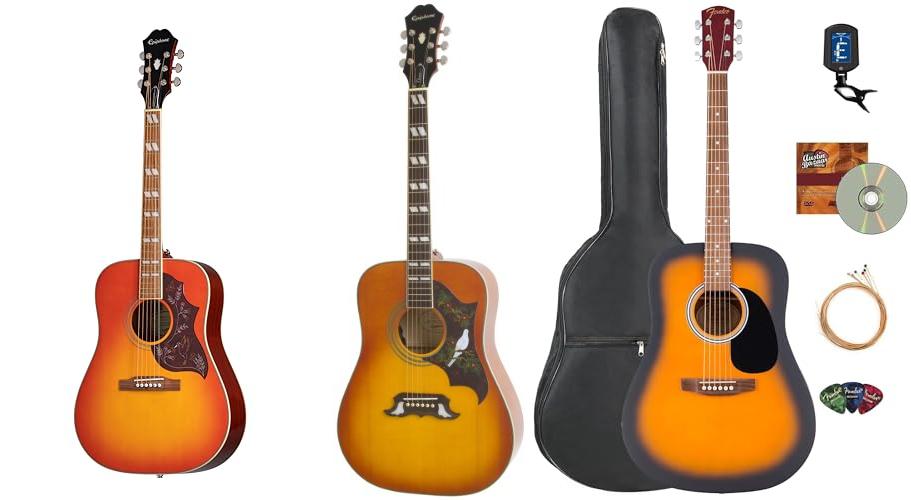
Imagine the warm, rich sound of a guitar filling a room. That’s the magic of a Gibson acoustic. For many, owning a Gibson is a dream. But picking the perfect one can feel overwhelming. There are so many amazing models, each with its own special voice. It’s easy to feel lost, wondering which guitar will truly sing for you.
This is where we come in. We know the struggle of wanting that iconic Gibson sound but not knowing where to start. You want a guitar that feels good in your hands and sounds incredible. You don’t want to waste time or money on the wrong instrument. This guide will help you cut through the noise.
By reading on, you’ll learn what makes a Gibson acoustic so special. We’ll explore different types of Gibson guitars and what makes them unique. You’ll get clear tips to help you find the acoustic guitar that’s just right for your playing style and your ears. Let’s dive into the world of Gibson acoustics and find your perfect match.
Our Top 5 Gibson Acoustic Guitar Recommendations at a Glance
Top 5 Gibson Acoustic Guitar Detailed Reviews
1. Epiphone Hummingbird Studio Acoustic/Electric Guitar

Rating: 9.2/10
The Epiphone Hummingbird Studio Acoustic/Electric Guitar is a fantastic choice for musicians of all levels. It offers a beautiful look and great sound. You can play it unplugged or plug it into an amp. This guitar is built to last and sounds amazing.
What We Like:
- It has a solid spruce top. This means it sounds bright and clear.
- The mahogany neck and body give it a warm, rich tone.
- Grover Rotomatic tuners keep the guitar in tune really well.
- The classic Hummingbird pickguard looks super cool.
- Fishman Sonitone electronics make it easy to amplify your sound.
- It’s a great guitar for the price.
What Could Be Improved:
- Some players might want even more advanced electronics.
- While it’s a great value, a professional player might want higher-end features.
The Epiphone Hummingbird Studio is a versatile and stylish guitar. It’s a solid option for anyone looking for a great acoustic-electric experience.
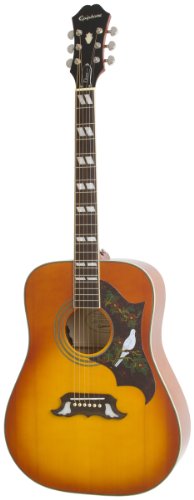
2. Epiphone Dove Studio Solid Top Acoustic Electric Guitar Violinburst
Rating: 8.8/10
The Epiphone Dove Studio Solid Top Acoustic Electric Guitar in Violinburst is a fantastic instrument for anyone looking for great sound and style. It used to be called the Dove Pro, but it’s still the same amazing guitar! Its solid top gives it a rich, clear sound, and the electric pickup lets you plug it in and play anywhere. The beautiful Violinburst finish makes it look as good as it sounds.
What We Like:
- It has a solid top for a beautiful sound.
- The Fishman Presys VT pickup lets you easily plug it in.
- The square shoulder dreadnought shape is comfortable and classic.
- The maple body, back, and sides give it a bright tone.
- The Violinburst finish is really eye-catching.
What Could Be Improved:
- Some players might want a bit more bass response from the dreadnought shape.
- While good, the onboard preamp might not satisfy professional gigging musicians seeking the absolute highest fidelity.
This guitar offers excellent value for its quality and features. It’s a solid choice for both beginners and experienced players wanting a versatile acoustic-electric.
3. Fender Dreadnought Acoustic Guitar – Sunburst Bundle with Gig Bag

Rating: 9.0/10
Get ready to make music with the Fender Dreadnought Acoustic Guitar – Sunburst Bundle! This guitar is perfect for beginners and experienced players alike. It comes with everything you need to start playing right away.
What We Like:
- The dreadnought body shape gives you a big, loud sound that’s great for strumming songs.
- It’s built tough with all-laminate wood, so it can handle being taken places and won’t easily get damaged.
- The neck is shaped like a “C,” which feels really comfy in your hand and makes playing easier.
- The tuning pegs are sealed, so your guitar stays in tune for a long time.
- This bundle includes a gig bag, tuner, extra strings, picks, and a cool instructional DVD to help you learn.
What Could Be Improved:
- While the laminate body is durable, some players might prefer the richer tone of a solid wood top for more advanced playing.
- The included instructional DVD is a great starting point, but advanced players might want more in-depth learning resources.
This Fender Dreadnought Acoustic Guitar bundle is a fantastic way to start your musical journey. It offers great value and all the essentials for any budding guitarist.
4. Yamaha FG800J Solid Spruce Top

Rating: 9.5/10
The Yamaha FG800J is a fantastic acoustic guitar for anyone starting their musical journey or looking for a reliable instrument. It boasts a solid spruce top, which gives it a warm and rich sound. The traditional western gloss finish looks great, and the black color adds a touch of classic style. This is a 6-string, right-handed guitar, perfect for most players. The rosewood fingerboard and bridge feel smooth under your fingers, making it comfortable to play for long periods. Its dreadnought body shape produces a powerful and resonant tone, ideal for strumming chords or fingerpicking melodies.
What We Like:
- The solid spruce top creates a beautiful, full sound.
- It’s very comfortable to hold and play, even for beginners.
- The gloss finish looks stylish and protects the wood.
- It’s a great value for the quality you get.
- The dreadnought body gives it a loud, clear voice.
What Could Be Improved:
- Some players might prefer a slightly smaller body size.
- The included accessories could be more extensive.
This Yamaha FG800J is a solid choice for any aspiring guitarist. It delivers excellent sound and playability at a price that won’t break the bank.
5. Yamaha 6 String Beginner Solid Spruce Top Traditional Western Dreadnought Acoustic Guitar With Rosewood FIngerboard

Rating: 9.3/10
The Yamaha FG800J NT is a fantastic choice for anyone starting their guitar journey. This 6-string acoustic guitar boasts a solid spruce top, giving it a bright and clear sound. Its dreadnought body style means it projects sound well, making it perfect for strumming songs or practicing your first chords.
What We Like:
- IDEAL FOR BEGINNERS: It’s built to help you learn and grow as a musician.
- QUALITY CRAFTSMANSHIP: Yamaha pays close attention to detail, ensuring this guitar is made to last.
- GREAT SOUND: The solid spruce top and rosewood fingerboard produce a rich, balanced tone with good bass.
- DURABLE MATERIALS: Nato and mahogany back and sides offer a warm sound and are built to be resilient.
- RELIABLE HARDWARE: Quality components mean you can count on this guitar to perform well every time you pick it up.
What Could Be Improved:
- For a true beginner, the natural finish might show smudges more easily than a darker option.
- While excellent for its price point, more advanced players might eventually seek instruments with more complex tonal variations.
This Yamaha FG800J NT is an excellent starter acoustic that provides a wonderful playing experience for new musicians. It’s a reliable and enjoyable instrument that will serve you well as you develop your skills.
Finding Your Dream Gibson Acoustic Guitar: A Buyer’s Guide
So, you’re thinking about getting a Gibson acoustic guitar. That’s awesome! Gibson makes some of the most famous and best-sounding acoustic guitars in the world. They’re like the rockstars of the guitar world. This guide will help you pick the perfect one for you.
1. Key Features to Look For
When you’re looking at Gibson acoustics, a few things really stand out.
- Body Shape: This is super important. Gibson offers different body shapes. The “Dreadnought” is big and loud, great for strumming. The “Jumbo” is even bigger and has a booming sound. Smaller shapes like the “Auditorium” or “Concert” are easier to hold and play for some people.
- Neck Profile: This is how the back of the neck feels in your hand. Some are thicker, some are thinner. Try holding a few to see what feels comfortable.
- Electronics: Do you want to plug your guitar into an amp? Many Gibsons come with pickups and preamps already installed. This is called having “electronics” or being “acoustic-electric.”
- Finish: This is the color and shine on the guitar. Gibson has classic finishes like sunburst or natural wood.
2. Important Materials
The wood a guitar is made from makes a big difference in its sound. Gibson uses some amazing woods.
- Top Wood: The top of the guitar is usually made of spruce. Sitka spruce is common and gives a bright, clear sound. Adirondack spruce is sometimes used on higher-end models and sounds even richer.
- Back and Sides Wood: Mahogany is a popular choice for the back and sides. It gives a warm, woody tone. Rosewood is another great option. It adds more bass and sparkle to the sound.
- Neck Wood: The neck is usually made of mahogany.
- Fretboard Wood: The fretboard, where you press down the strings, is often made of rosewood or ebony. Ebony is harder and can make the notes sound a little sharper.
3. Factors That Improve or Reduce Quality
Gibson guitars are known for their quality, but a few things can make a guitar sound even better or, sadly, not as good.
Factors That Improve Quality:
- Solid Wood Construction: Guitars made from solid pieces of wood (not pressed layers) usually sound much better. Gibson mainly uses solid wood.
- Hand Craftsmanship: Many Gibsons are built with a lot of care by skilled luthiers (people who make guitars). This attention to detail makes a difference.
- Bracing: The internal wooden supports inside the guitar’s body are called bracing. The way the bracing is designed helps the top vibrate and create sound. Gibson uses excellent bracing patterns.
Factors That Can Reduce Quality:
- Poor Setup: Even a great guitar can sound bad if the strings are too high or the neck isn’t right. A good setup by a guitar tech makes a huge difference.
- Damage: Dents, scratches, or cracks can affect how the guitar sounds and plays.
- Cheap Components: While rare on Gibsons, sometimes cheaper tuning machines or bridges can affect playability and tuning stability.
4. User Experience and Use Cases
Playing a Gibson acoustic is an experience! They feel good in your hands and sound amazing.
- For Beginners: While Gibsons can be an investment, some models are more beginner-friendly. Smaller body shapes might be easier to handle. If you’re serious about learning, a good guitar like a Gibson will inspire you.
- For Strummers: If you love to strum chords and sing along, a Dreadnought or Jumbo body shape is perfect. They have a big, full sound that fills a room.
- For Fingerstyle Players: Some players prefer smaller guitars for fingerpicking. The touch is more precise on these.
- For Recording: Gibson acoustics sound fantastic when recorded. Their rich tone can make your songs sound professional.
- For Performing: If you play live, an acoustic-electric Gibson is a great choice. You can plug in and be heard clearly.
Gibson acoustics are built to last and to bring joy to musicians. They are an investment that can provide amazing music for years to come.
Gibson Acoustic Guitar: Your Burning Questions Answered
Q: Are Gibson acoustic guitars expensive?
A: Yes, Gibson acoustic guitars are generally considered premium instruments, which means they are an investment. However, they hold their value well and offer exceptional quality and sound.
Q: What is the most popular Gibson acoustic guitar model?
A: The Gibson J-45 is incredibly popular. It’s often called the “Workhorse” because it’s so versatile and sounds great for many styles of music.
Q: What’s the difference between a Gibson Dreadnought and a Jumbo?
A: A Dreadnought is a large guitar with a deep sound, great for strumming. A Jumbo is even bigger and has a booming, powerful sound.
Q: Should I get an acoustic or an acoustic-electric Gibson?
A: If you plan to play live or record often, an acoustic-electric is a good choice. If you only play at home, a pure acoustic might be all you need.
Q: How do I take care of my Gibson acoustic guitar?
A: Keep it in its case when not playing, avoid extreme temperatures and humidity, and wipe it down with a soft cloth after playing.
Q: Can a beginner play a Gibson acoustic guitar?
A: Yes, but it’s important to choose a model that’s comfortable for you. Some smaller-bodied Gibsons can be easier for beginners to handle.
Q: What makes a Gibson sound so good?
A: It’s a combination of high-quality tonewoods, expert craftsmanship, and Gibson’s legendary design.
Q: Are there different types of spruce used for guitar tops?
A: Yes, Sitka spruce is common and gives a bright sound. Adirondack spruce is often found on higher-end models and offers a richer tone.
Q: Can I change the strings on my Gibson acoustic myself?
A: Yes, with a little practice, you can learn to change your strings. There are many helpful videos online.
Q: Is a Gibson acoustic guitar a good investment?
A: Absolutely. Gibson acoustic guitars are known for their durability, timeless sound, and they tend to hold their value very well over time.
In conclusion, every product has unique features and benefits. We hope this review helps you decide if it meets your needs. An informed choice ensures the best experience.
If you have any questions or feedback, please share them in the comments. Your input helps everyone. Thank you for reading.