
Imagine yourself strolling through a charming Parisian market, the aroma of fresh croissants filling the air. Wouldn’t it be amazing to understand the conversations around you, or even read the signs on the shop windows? Learning French opens up a world of art, history, and delicious food!
But where do you even start when picking out your first French book? It can feel overwhelming. So many books look similar, and it’s tough to know which ones will actually help you learn and keep you excited. You might worry about picking something too hard and getting discouraged, or something too easy and not learning enough.
This post is here to help! We’ll guide you through the best French books for beginners. You’ll discover titles that are fun, easy to understand, and will help you build your French skills step-by-step. By the end, you’ll have a clear list of books to start your French reading adventure with confidence.
Our Top 5 French Books For Beginners Recommendations at a Glance
Top 5 French Books For Beginners Detailed Reviews
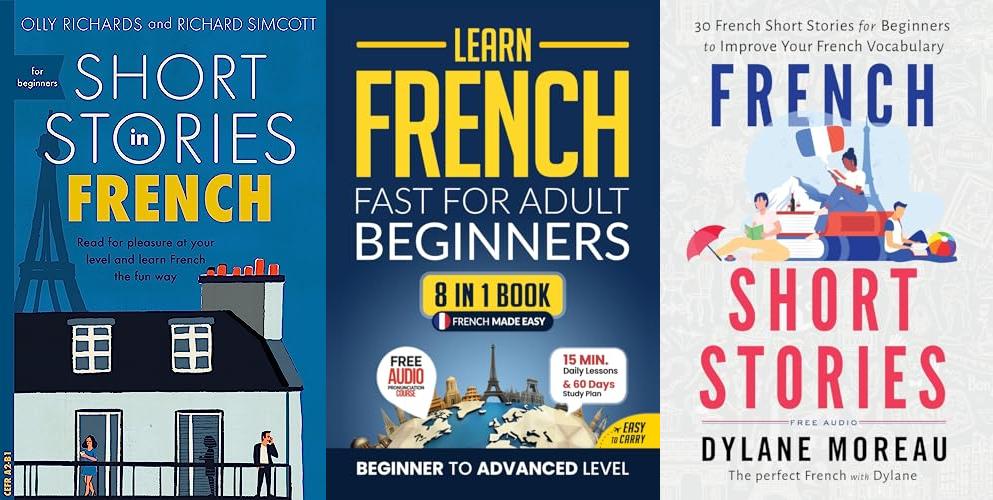
1. Short Stories in French for Beginners

Rating: 9.5/10
Embark on your French learning journey with “Short Stories in French for Beginners.” This book offers a delightful way to build your vocabulary and understanding of the language. Each story is crafted to be accessible and engaging for those just starting out. You’ll find yourself reading and comprehending simple sentences with ease. It’s a fantastic tool to make learning French fun and less intimidating.
What We Like:
- The stories are short and easy to follow.
- New vocabulary is introduced gradually.
- The language used is very basic, perfect for absolute beginners.
- It helps build confidence in reading French.
- The stories are interesting and keep you wanting to read more.
What Could Be Improved:
- Some stories could benefit from more illustrations.
- A glossary at the end of each story would be helpful.
- More variety in story themes could be offered.
This book is a wonderful starting point for anyone wanting to learn French. It makes the process enjoyable and achievable.
2. Learn French Fast for Adult Beginners: 8-in-1 Workbook: From Beginner to Advanced: 15-Minute Daily Lessons and Exercises

Rating: 9.3/10
Dreaming of ordering croissants in Paris or chatting with locals in Montreal? The “Learn French Fast for Adult Beginners: 8-in-1 Workbook” makes that dream a reality. This comprehensive guide is designed for adults just starting their French journey, taking them all the way to an advanced level. It breaks down learning into manageable 15-minute daily lessons and exercises, making it easy to fit into a busy schedule. Plus, you’ll find engaging short stories and a treasure trove of vocabulary to boost your fluency.
What We Like:
- The 8-in-1 format packs a lot of learning into one book.
- Daily 15-minute lessons are super convenient for busy adults.
- Short stories make practicing reading fun and engaging.
- The extensive vocabulary collection is a huge plus for building your word bank.
- It guides you from beginner all the way to advanced, offering long-term value.
What Could Be Improved:
- Some learners might prefer more audio components for pronunciation practice.
- The “advanced” level might require supplementary resources for true mastery.
This workbook offers a fantastic, structured approach to learning French. It’s a smart investment for anyone ready to dive into the beautiful French language.
3. French Short Stories: Thirty French Short Stories for Beginners to Improve your French Vocabulary (French Stories for Beginners and Intermediates)

Rating: 9.5/10
Are you learning French and want to make your vocabulary grow? This book, “French Short Stories: Thirty French Short Stories for Beginners to Improve your French Vocabulary (French Stories for Beginners and Intermediates),” is a great tool for you. It offers thirty short stories designed to help beginners and those at an intermediate level. Reading these stories will expose you to new French words and phrases in a fun and engaging way.
What We Like:
- The stories are short and easy to read, which is perfect for beginners.
- You will learn many new French words and how to use them.
- The book helps you practice your French reading skills.
- It’s a fun way to learn French without feeling like you’re studying.
What Could Be Improved:
- Some stories might be a bit too simple for advanced learners.
- An audio component could help with pronunciation practice.
This book is an excellent resource for anyone wanting to improve their French vocabulary and reading comprehension. It makes learning enjoyable and effective.
4. French Made Easy Level 1: An Easy Step-By-Step Approach To Learn French for Beginners (Textbook + Workbook Included)

Rating: 8.8/10
Embarking on the journey to learn French can seem daunting, but “French Made Easy Level 1” aims to simplify that process. This resource offers a clear, step-by-step guide designed specifically for absolute beginners. It includes both a textbook and a workbook, providing a comprehensive package to get you started with the basics of the French language. You’ll cover essential vocabulary, grammar, and pronunciation, all presented in an accessible way.
What We Like:
- The integrated textbook and workbook format makes learning convenient.
- The step-by-step approach builds confidence as you progress.
- It focuses on fundamental French for beginners, ensuring a solid foundation.
- The content is designed to be easy to understand for young learners.
What Could Be Improved:
- More interactive exercises or online components could enhance engagement.
- Additional audio resources for pronunciation practice would be beneficial.
- The “N/A” feature is unhelpful; specific details about what is included would be better.
Overall, “French Made Easy Level 1” provides a structured and accessible introduction to learning French. It’s a solid starting point for anyone eager to begin their linguistic adventure.
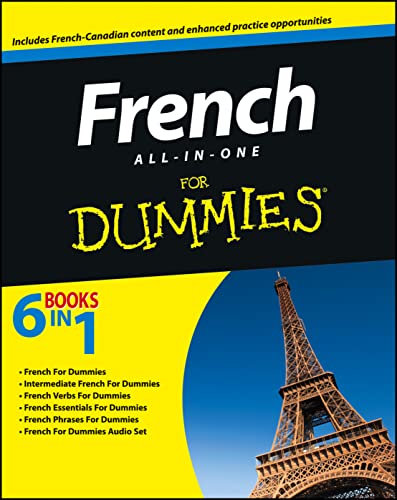
5. French All-in-One For Dummies
Rating: 9.0/10
Learning French can feel like a big challenge, but the “French All-in-One For Dummies, with CD” aims to make it much easier. This book packs a lot of information into one handy volume, covering everything from basic greetings to more complex grammar. The included CD offers audio examples, which helps you practice your pronunciation and hear how native speakers sound. It’s designed for absolute beginners, so you don’t need any prior knowledge of the language.
What We Like:
- The book is well-organized and breaks down grammar rules into easy-to-understand chunks.
- The accompanying CD provides helpful audio for listening and speaking practice.
- It covers a wide range of topics, from vocabulary to sentence structure.
- The “For Dummies” style makes learning feel less intimidating.
What Could Be Improved:
- Some of the exercises could be more varied.
- The layout might feel a little crowded at times.
- More real-life conversation examples would be beneficial.
For anyone just starting their French learning journey, this all-in-one guide offers a solid foundation. The combination of text and audio makes it a valuable tool for building your confidence in speaking and understanding French.
Your First French Book: A Beginner’s Guide
Learning a new language opens up a world of possibilities. French, with its beautiful sounds and rich culture, is a popular choice for many. Starting your French learning journey with the right book makes a big difference. This guide helps you choose the best French books for beginners.
Key Features to Look For
When you pick your first French book, keep these important features in mind.
- Clear and Simple Language: The book should use easy words and short sentences. This helps you understand without getting confused.
- Gradual Progression: Good books start with the basics, like greetings and simple phrases. They slowly introduce more complex grammar and vocabulary.
- Visual Aids: Pictures, illustrations, and diagrams make learning fun. They help you remember new words and concepts.
- Audio Support: Many beginner books come with audio CDs or online links. Hearing native speakers pronounce words is very helpful.
- Practice Exercises: Exercises like fill-in-the-blanks, matching, and simple dialogues give you a chance to practice what you learn.
- Cultural Notes: Learning about French culture along with the language makes it more interesting. You’ll discover traditions and customs.
Important Materials
The materials used in your French book affect how easy it is to use.
- Paper Quality: Sturdy paper means the book lasts longer. It also feels better to turn the pages.
- Font Size and Style: A clear, easy-to-read font is essential. The size of the letters should not be too small.
- Layout and Design: A well-organized layout makes the book easy to navigate. Plenty of white space prevents it from looking crowded.
- Binding: A strong binding keeps the book together, even with frequent use.
Factors That Improve or Reduce Quality
Some things make a French book great, while others can make it frustrating.
Quality Enhancers:
- Native Speaker Audio: Listening to authentic French pronunciation is a huge plus.
- Answer Keys: Having answers to exercises lets you check your work and learn from mistakes.
- Glossary: A list of new words with their meanings helps you quickly find definitions.
- Reputable Publisher: Books from well-known language learning publishers often have higher quality content and design.
Quality Reducers:
- Too Much Grammar Too Soon: Overwhelming beginners with complex grammar rules can be discouraging.
- Lack of Practice: A book with no exercises offers little chance to apply what you’ve learned.
- Poor Audio Quality: Static or unclear audio makes it hard to understand pronunciation.
- Outdated Content: Language changes. Books should reflect modern usage.
User Experience and Use Cases
How you use your French book matters. Think about your learning style and goals.
- Self-Study: If you learn on your own, choose books with clear explanations and lots of practice. Audio is very important for self-learners.
- Classroom Use: Teachers often select books that fit their curriculum. Look for books that complement what you learn in class.
- Travel Preparation: If you’re going to France, focus on books with practical phrases for travelers, like ordering food or asking for directions.
- Casual Learning: For fun, pick books with engaging stories or cultural insights.
Choosing the right French book for beginners sets you up for success. Look for clear explanations, helpful features, and a design that makes learning enjoyable. Happy learning!
French Books for Beginners: Your Top 10 FAQs
Starting your French adventure? We answer your most common questions about beginner French books.
Q1: What are the main Key Features to look for in a beginner French book?
A: Look for clear, simple language, gradual progression of topics, visual aids like pictures, audio support for pronunciation, and practice exercises.
Q2: Are French books with pictures better for beginners?
A: Yes, pictures help you connect words with their meanings. They make learning more visual and memorable.
Q3: How important is audio support when choosing a French book?
A: Audio support is very important. It helps you hear how words are pronounced correctly by native speakers.
Q4: Should I choose a book that focuses on grammar or vocabulary first?
A: A good beginner book balances both. It introduces basic grammar rules and essential vocabulary together.
Q5: What kind of exercises are most helpful for beginners?
A: Fill-in-the-blanks, matching words to pictures, and simple dialogue practice are very helpful. They let you test your understanding.
Q6: How can I tell if a French book is good quality?
A: Look for clear fonts, good paper, a strong binding, and a well-organized layout. Reputable publishers also tend to make higher-quality books.
Q7: What if a book has too much grammar for me?
A: If a book feels too difficult, it might not be the right fit. Look for one that introduces grammar more slowly and in smaller steps.
Q8: Can I use a French book for learning on my own?
A: Absolutely! Books designed for self-study usually have detailed explanations and plenty of practice activities to guide you.
Q9: What if I want to learn French for a trip to France?
A: Focus on books that include travel-specific vocabulary and phrases, like greetings, ordering food, and asking for directions.
Q10: How long should a beginner French book be?
A: The length can vary. What matters most is that it covers the basics well and progresses at a comfortable pace for you. Don’t be afraid to try out a few pages before buying.
In conclusion, every product has unique features and benefits. We hope this review helps you decide if it meets your needs. An informed choice ensures the best experience.
If you have any questions or feedback, please share them in the comments. Your input helps everyone. Thank you for reading.