
Ever heard that distinct quack echoing across the marsh at dawn? That sound means duck season is here, and for many hunters, the right duck call is the secret weapon. But walk into any outdoor store or browse online, and you’ll see a bewildering array of calls. So many shapes, sizes, and materials! It can feel like trying to find a needle in a haystack, and honestly, choosing the wrong one can lead to silent skies and a lot of frustration.
Picking the perfect duck call isn’t just about making noise; it’s about speaking the language of ducks. You want a call that’s easy to master, sounds realistic, and fits your budget. But with so many brands and types, it’s tough to know where to start. You might wonder if a more expensive call really makes a difference or which material will give you the best sound. These are common questions, and we’re here to help you answer them.
In this post, we’ll break down the world of duck calls. We’ll explore different types, discuss what makes a good call, and offer tips to help you find one that works for you. By the end, you’ll feel more confident about your choice and ready to bring those mallards in closer. Let’s dive in and discover the best duck calls on the market!
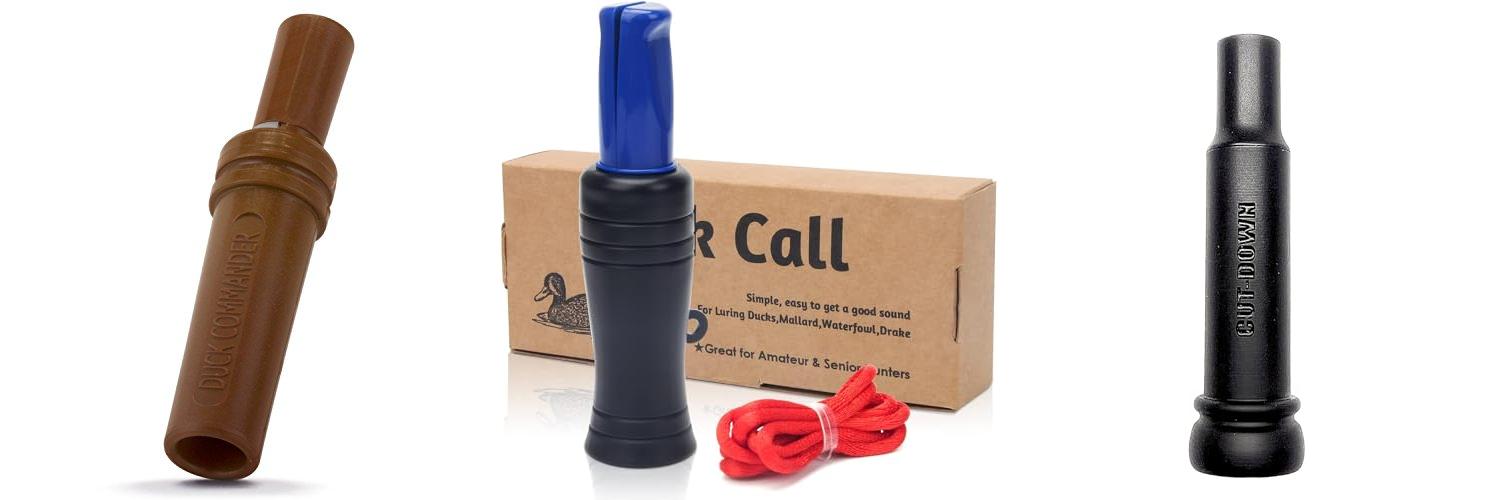
Our Top 5 Duck Calls On Market Recommendations at a Glance
Top 5 Duck Calls On Market Detailed Reviews
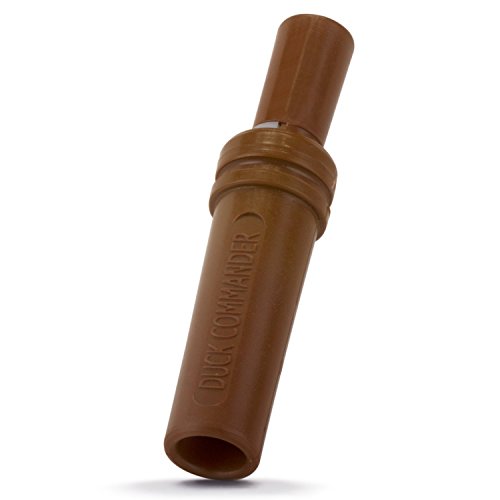
1. Duck Commander Specialty Duck Calls – Teal Hen Call- High Pitch & Exact Volume of Hen
Rating: 9.0/10
Ready to bring home more teal this season? The Duck Commander Specialty Teal Hen Call is here to help. This call is made to sound just like a real teal hen. It has a quick sound and a high pitch, giving you the perfect volume for calling in teal. You can trust it to work when you need it most.
What We Like:
- Mimics teal hen sounds precisely with a faster cadence and higher pitch.
- Easy to blow thanks to Phil Robertson’s patented double-reed system.
- Built tough with high-impact plastic to handle any hunting trip.
- Sounds incredibly lifelike, giving you an edge in the field.
- Works as a confidence call for wary late-season ducks.
- Attaches easily to your lanyard as a hunting accessory.
What Could Be Improved:
- The high pitch might not be ideal for hunters who prefer a lower tone.
- While durable, the plastic might show cosmetic wear over time with heavy use.
This call is a game-changer for teal hunters. Its realistic sound and ease of use make it a must-have for your next waterfowl adventure.
2. Qnsouioe Duck Call Lanyard with Camo Military Grade Duck Hunting Accessories with Drops Secures 6 Call

Rating: 9.4/10
The Qnsouioe Duck Call Lanyard is a tough and handy accessory for any duck hunter. It’s made from strong paracord and designed to keep your calls secure and easy to reach. This lanyard is built to handle the outdoors, making your hunting trips smoother.
What We Like:
- It’s made from real, strong 550lb nylon paracord, which is military-grade and built to last.
- The special weaving makes it tough and weather-resistant for any outdoor adventure.
- You can easily adjust the 12 removable clasps to fit different duck calls.
- It holds up to 6 calls securely, so you won’t lose them.
- The wide neoprene neck strap is super comfortable and won’t hurt your neck.
- The neck strap can be taken off if you prefer.
- It’s a great gift idea for hunters of all levels.
What Could Be Improved:
- The product description mentions “Camo Military Grade Duck Hunting Accessories” but the item reviewed is “Duck Call Blue, Blue,” suggesting potential confusion in product variations or listings.
- The product does not include any duck calls, which is clearly stated but worth noting for buyers.
This duck call lanyard offers excellent durability and comfort for hunters. It’s a practical tool that makes accessing your calls a breeze, enhancing your hunting experience.
3. Kirk McCullough Cut-Down Duck Calls KMC Flat Black Threaded Keyhole cutdown Mallard Duck Call

Rating: 9.3/10
The Kirk McCullough Cut-Down Duck Calls KMC Flat Black Threaded Keyhole cutdown Mallard Duck Call is a top-notch tool for any duck hunter. It’s designed to help you call in more ducks, whether you’re hunting in flooded woods or wide-open fields. This call is built for clear sound and long reach, making it a great choice for busy hunting spots.
What We Like:
- Its precision-tuned, cut-down design makes authentic mallard sounds that attract ducks.
- The threaded keyhole feature gives you great control over your calls.
- It’s easy for beginners to use but also performs well for experienced hunters.
- The durable hard acrylic construction means it will last for many hunting seasons.
- It comes with extra reeds and a cork strip for custom sound adjustments.
- The call is lightweight and comfortable to hold, even during long hunts.
- It’s proudly made in the USA, ensuring quality craftsmanship.
What Could Be Improved:
- While it’s designed for ease of use, mastering any duck call takes practice.
- The “flat black” finish, while stylish, might show scuffs over time with heavy use.
This KMC duck call is a reliable choice that helps you connect with waterfowl. It’s a well-made call that performs in various hunting situations.
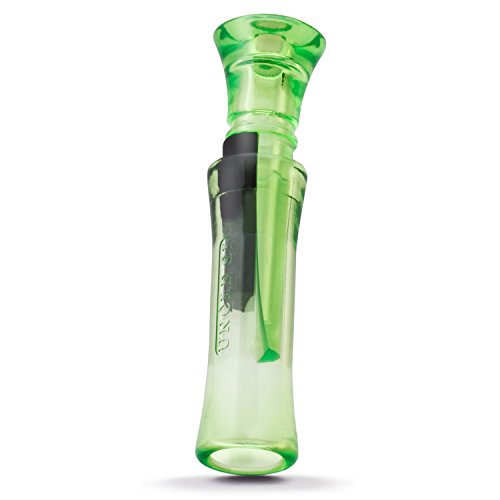
4. Duck Commander Classic Duck Calls – Variety of Styles
Rating: 8.9/10
The Duck Commander Classic Duck Calls offer a range of styles built with tough polycarbonate. These calls aim to produce realistic duck sounds, making them suitable for hunters of all experience levels.
What We Like:
- Durable Polycarbonate Build: The tough polycarbonate material holds up well in outdoor conditions. It’s weather-resistant, so you can count on it in any duck hunting situation.
- Designed for Beginners: The single-reed construction makes it simple to blow. New hunters will find it easy to get a good sound right away.
- Produces Raspy Duck Calls: This call makes a reliable, raspy sound that effectively attracts ducks. It’s a great tool for your hunting gear.
- Simple to Use for All Skill Levels: Duck Commander engineered these calls to be user-friendly. Beginners and experienced hunters can both create high-quality sounds.
- Trusted by Duck Commander Fans: Made by Duck Commander, a well-known name in duck calls, you can expect top quality. It’s a reliable choice for hunters who care about performance.
What Could Be Improved:
- While designed for ease of use, some advanced callers might desire more complex reed setups for a wider range of tonal variations.
- The “variety of styles” mentioned in the title could be more clearly detailed to help consumers choose the specific model that best suits their needs.
These Duck Commander calls provide a solid option for any duck hunter. They offer durability and ease of use, making them a good choice for your next hunt.
5. BGC 6-in-1 Duck Call Whistle

Rating: 8.6/10
The BGC 6-in-1 Duck Call Whistle is a handy tool for hunters. It helps you attract ducks by making realistic sounds. This call is designed to be user-friendly, so even beginners can use it effectively.
What We Like:
- It is very easy to use.
- Step-by-step instructions are included, which makes learning simple.
- This call is very flexible and can be used in many different hunting situations.
- It has a versatile range of calls that attract both drakes and ducks.
What Could Be Improved:
- The sound quality could be even more realistic for expert callers.
- A carrying lanyard would be a helpful addition.
This duck call is a fantastic option for anyone looking to improve their hunting success. Its ease of use and versatility make it a valuable addition to any hunter’s gear.
Finding Your Perfect Quack: A Duck Call Buying Guide
So, you want to bring some ducks closer? A good duck call is your secret weapon! It mimics the sounds ducks make, luring them in for a better look. But with so many calls out there, how do you pick the right one? This guide will help you become a duck call expert.
1. Key Features to Look For
Sound Quality is King
This is the most important thing. Does the call sound like a real duck? Listen to recordings of ducks to compare. A good call makes clear, crisp sounds. It should be able to make different kinds of quacks, like feeding calls and greeting calls.
Ease of Use
Some calls are easier to blow than others. If you’re new to duck calling, look for a call that’s forgiving. This means it’s easier to make good sounds even if you’re not a pro yet. A call that’s too hard to blow might frustrate you.
Durability
You’ll be using this call outdoors, maybe in wet or cold weather. It needs to be tough. A well-made call will last for many hunting seasons.
Adjustability
Some calls let you change the sound. This is great because different duck species make different noises. Being able to adjust your call helps you sound more realistic.
2. Important Materials
Wood Calls
Wood calls often have a warm, rich sound. Different types of wood, like cedar or walnut, can change the tone. Wood calls can be beautiful, but they might need more care to protect them from moisture.
Acrylic Calls
Acrylic calls are very popular. They are durable and make a loud, clear sound. They are also easy to clean and don’t get affected by weather as much as wood. Acrylic calls are a great choice for beginners.
Polycarbonate Calls
These calls are also strong and weather-resistant. They often produce a good sound, similar to acrylic, but can be more affordable. They are a good balance of performance and price.
3. Factors That Improve or Reduce Quality
Hand-Tuning vs. Machine-Made
Many expert callers hand-tune their calls. This means someone carefully adjusts the reed and other parts to get the perfect sound. Hand-tuned calls often sound better, but they usually cost more. Machine-made calls are consistent and affordable, making them good for many hunters.
Reed Design
The reed is the part that vibrates to make the sound. The size, shape, and material of the reed greatly affect the sound quality. A well-designed reed helps you make a wider range of sounds.
Airflow
How easily air flows through the call matters. A call that’s easy to blow allows you to make smooth, natural-sounding calls. If it’s hard to blow, your sounds might be strained.
4. User Experience and Use Cases
For Beginners
If you’re just starting, choose an easy-to-blow acrylic or polycarbonate call. Look for calls that are known for being forgiving. Practice in your backyard before hitting the field.
For Experienced Hunters
Experienced hunters might want calls with more adjustability or a specific sound profile. They might explore wood calls or higher-end acrylic models to fine-tune their calling.
Hunting Scenarios
Different hunting situations call for different sounds. For open water, you might need a louder, more far-reaching call. In timber, a softer, more intimate call might work better. Some calls are designed for specific situations.
Duck Calls: Your Top 10 Questions Answered
Q: What is the main purpose of a duck call?
A: A duck call mimics the sounds ducks make to attract them to your location.
Q: What is the best material for a duck call?
A: Acrylic and polycarbonate are popular for their durability and clear sound. Wood calls offer a warm tone but require more care.
Q: How do I know if a duck call sounds realistic?
A: Listen to recordings of real ducks and compare the sounds. A good call should have clear, crisp tones.
Q: Is it hard to learn how to use a duck call?
A: It takes practice, but some calls are easier to blow than others. Look for beginner-friendly models.
Q: Can one duck call make all the sounds?
A: Some calls are versatile and can make many sounds. Others are designed for specific calls, like feeding or greeting sounds.
Q: How much should I expect to spend on a good duck call?
A: Prices vary widely. You can find good beginner calls for under $50, while high-end, hand-tuned calls can cost several hundred dollars.
Q: What is a “reed” in a duck call?
A: The reed is a thin piece of material that vibrates when you blow into the call, creating the sound.
Q: Does the weather affect duck calls?
A: Wood calls can be affected by moisture. Acrylic and polycarbonate calls are generally more weather-resistant.
Q: What is “hand-tuning”?
A: Hand-tuning is when a person carefully adjusts the parts of the call to create a specific, high-quality sound.
Q: How do I clean my duck call?
A: Most calls can be rinsed with water. Avoid harsh chemicals. Check the manufacturer’s instructions for specific care.
In conclusion, every product has unique features and benefits. We hope this review helps you decide if it meets your needs. An informed choice ensures the best experience.
If you have any questions or feedback, please share them in the comments. Your input helps everyone. Thank you for reading.