
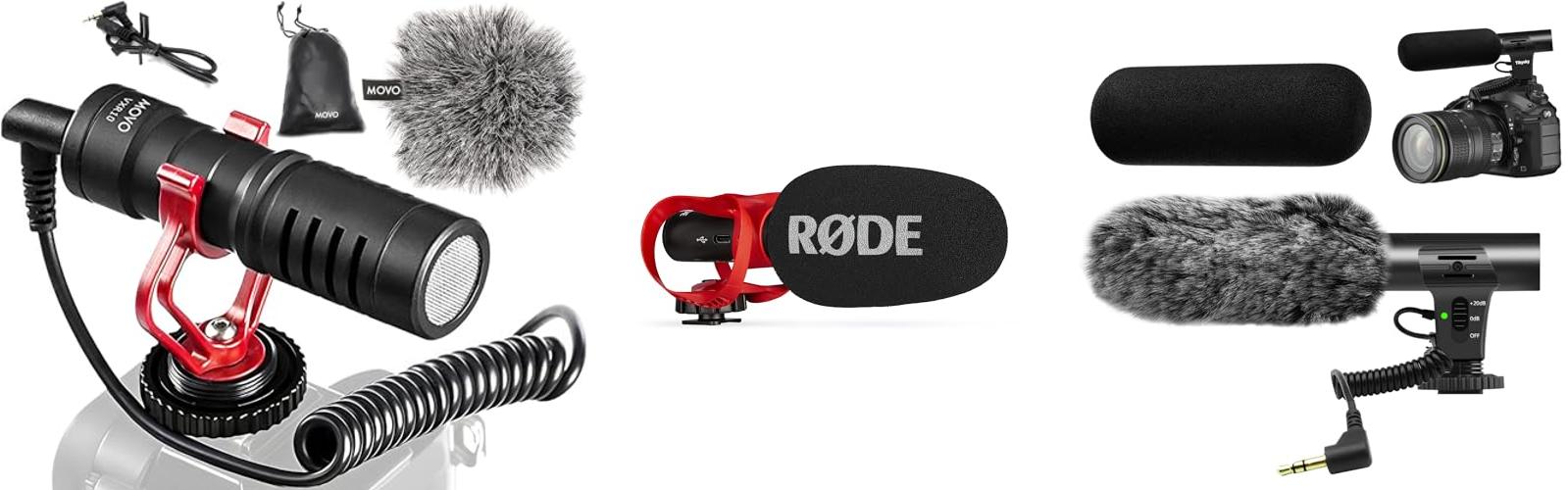
Ever watched a video and thought, “Wow, the sound is amazing!”? Or maybe you’ve made your own videos and realized the audio just doesn’t sound as good as you hoped. That’s where a good DSLR microphone comes in. It’s like giving your camera super hearing!
Choosing the right microphone for your DSLR can feel like a puzzle. There are so many different types, brands, and features. It’s easy to get confused and wonder which one will actually make your videos sound professional. You want clear, crisp audio for your vlogs, interviews, or any project, but the sheer number of choices can be overwhelming and frustrating.
This post is here to help! We’ll break down what you need to know about DSLR microphones. You’ll learn about the different kinds available and what makes them special. By the end, you’ll feel confident in picking out the perfect microphone that fits your needs and budget, turning your good videos into great ones.
Our Top 5 Dslr Microphone Recommendations at a Glance
Top 5 Dslr Microphone Detailed Reviews
1. Movo VXR10 Universal Shotgun Mic for Camera – Camera Microphone for DSLR

Rating: 9.0/10
Elevate your audio game with the Movo VXR10 Universal Shotgun Mic. This compact microphone is your secret weapon for crystal-clear sound, whether you’re a budding YouTuber, a TikTok star, or just want to capture precious family memories with amazing quality. It works with almost everything, from your iPhone and Android to your DSLR camera, making it super versatile.
What We Like:
- It works with so many devices like iPhones, Androids, cameras, and laptops.
- The aluminum body is tough and it doesn’t need batteries.
- It comes with a shock mount to stop shaky sound.
- The “deadcat” windscreen is great for windy days.
- It includes all the cables you need for different devices.
- It’s a great way to make your videos sound professional without spending a lot.
What Could Be Improved:
- You might need an adapter for newer iPhones or some Android phones.
- Some cameras, like certain Canon Rebels, don’t have a mic input.
- It relies on your device for power, and some camcorders might not work.
- The best sound is when you’re close, about 1 to 5 feet away.
The Movo VXR10 is a fantastic, budget-friendly microphone for anyone looking to improve their audio. It’s a simple tool that makes a big difference in your content.
2. RØDE VideoMic GO II Helix

Rating: 8.8/10
The RØDE VideoMic GO II Helix is a super small and light microphone. It helps you get clear sound for your videos, podcasts, or even video calls. It’s really simple to use and doesn’t need batteries. You can plug it into your camera with a regular cable, or use a USB cable to connect it to your phone, tablet, or computer. This makes it a very handy tool for anyone making content.
What We Like:
- It’s very compact and light, making it easy to carry around.
- You can use it with almost anything thanks to the 3.5mm and USB connections.
- It works without batteries, which is super convenient.
- Setup is a breeze; there are no complicated buttons or switches.
- The included windshield and HELIX mount protect your sound from unwanted noises like wind and bumps.
- It works with RØDE’s special software for more control.
What Could Be Improved:
- While great for basic use, some advanced users might want more manual control options directly on the mic.
Overall, the RØDE VideoMic GO II Helix is an excellent choice for anyone wanting to easily improve their audio quality. It offers great versatility and ease of use for a wide range of creative projects.
3. tikysky Camera Microphone

Rating: 9.3/10
The tikysky Camera Microphone is a great tool for anyone looking to improve their video audio. It’s designed for DSLR cameras and works well for interviews and close-up shots. This mic helps you capture clear sound without all the background noise.
What We Like:
- It has a standard 3.5mm plug that fits most cameras like Canon, Nikon, and Sony.
- The microphone is great for interviews and capturing clear sound from 0-5 meters away, especially within 3 meters.
- It has a super-cardioid pickup pattern, which means it focuses on sound in front of it and reduces noise from the sides and back.
- The mic uses energy-saving AAA batteries, giving you a long working time, and it even tells you when the battery is low.
- It comes with a windscreen to help block out wind noise.
What Could Be Improved:
- It’s not compatible with all camera models, like some Canon Rebel and Nikon D series cameras.
- This microphone will not work with smartphones, tablets, or computers.
- It’s not designed for noisy places or capturing sound from far away, like concerts.
- It does not have an XLR or USB plug, so it won’t fit cameras with those types of ports.
If you have a compatible camera and need better audio for interviews or vlogs, this microphone is a solid choice. Just be sure to check if your camera is on the compatible list before you buy.
4. RØDE VideoMicro II Ultra-Compact On-Camera Shotgun Microphone for Recording Audio with a Camera or Mobile Device

Rating: 8.8/10
The RØDE VideoMicro II is a tiny microphone that makes your videos sound way better. It’s designed to sit right on your camera or phone. This little mic helps you capture clear sound, so people can hear your voice or whatever you’re recording without annoying background noise.
What We Like:
- It’s super small and light, so it won’t weigh down your camera.
- It picks up sound directly from what you’re pointing at, blocking out other noises.
- The special mount stops shaky camera movements from making noise in your recording.
- It has a built-in holder for the cable, keeping things neat.
- It works with both cameras and phones, which is really handy.
What Could Be Improved:
- Since it’s so small, it might not be the best for really loud environments.
- It doesn’t have a headphone jack to listen to your sound as you record.
The RØDE VideoMicro II is a fantastic tool for anyone wanting to boost their video audio. It’s easy to use and makes a big difference in sound quality.
5. COMICA CVM-V30 LITE Video Microphone

Rating: 9.2/10
The COMICA CVM-V30 LITE Video Microphone is a super-cardioid condenser shotgun microphone that upgrades your audio for videos. It works with many devices like iPhones, Android phones, and DSLR cameras. You can use it for YouTube vlogs, interviews, or even family trips. This mic helps you capture clear sound without extra batteries.
What We Like:
- It works with almost any device that has a headphone jack. Just flip a switch for “Camera” or “Phone.”
- You don’t need batteries! It uses power from your camera or phone, so you can record for a long time.
- The special shock mount stops shaky sounds and bumps from ruining your recording.
- It’s a super-cardioid microphone. This means it focuses on the sound right in front of it and blocks out noise from the sides.
- Comica offers help if you have any problems. They want you to be happy with your purchase.
What Could Be Improved:
- The “Phone” setting might not work with all phones without an adapter.
- The cable length could be a little longer for more flexibility.
This microphone is a fantastic way to get better sound for your videos without a big hassle. It’s a smart choice for anyone wanting to improve their audio quality.
Level Up Your Sound: The DSLR Microphone Buying Guide
Want your videos to sound as good as they look? A great DSLR microphone can make a world of difference. Forget tinny, echoey audio. With the right mic, your viewers will be hooked by clear, crisp sound. This guide will help you find the perfect microphone for your DSLR camera.
Key Features to Look For
When you’re shopping for a DSLR microphone, keep these important features in mind:
-
Polar Pattern: This tells you how the microphone picks up sound.
- Cardioid: Picks up sound from the front. This is great for focusing on one person or subject. It also helps block out noise from the sides and back.
- Shotgun: Very directional. It focuses on sound directly in front of it. This is ideal for isolating dialogue or specific sounds from a distance.
- Omnidirectional: Picks up sound from all directions. This is good for capturing ambient sound or when you need to record a group of people.
-
Connectivity: How does the microphone connect to your camera?
- 3.5mm Jack: This is the most common connection. It’s a standard headphone jack.
- XLR Connector: This is a professional connector. It often provides a more stable and higher-quality connection. You might need an adapter for your camera.
-
Power Source: How does the microphone get power?
- Battery Powered: Many mics use AA or AAA batteries. These are easy to replace.
- Camera Powered: Some mics draw power directly from your camera. This is convenient because you don’t need extra batteries.
- Phantom Power: This is usually for XLR mics. It’s a special power supply that comes from the camera or a mixer.
-
Shock Mount: This is a bracket that holds the microphone. It helps prevent bumps and vibrations from being picked up by the mic. It keeps your audio clean.
-
Windscreen/Pop Filter: This is a furry or foam cover for the microphone. It blocks out wind noise when you’re shooting outdoors. A pop filter reduces harsh “p” and “b” sounds when someone speaks close to the mic.
Important Materials
The materials used in a microphone affect its durability and sound quality.
- Metal Casing: Microphones with metal bodies are generally more robust. They can withstand more wear and tear. Metal also helps shield the internal electronics from interference.
- High-Quality Capsule: The capsule is the heart of the microphone. It’s where the sound waves are converted into electrical signals. Better capsules capture a wider range of frequencies and produce a more natural sound.
- Durable Cables: A good microphone needs a good cable. Look for cables that are well-shielded to prevent unwanted noise. They should also be flexible and resistant to damage.
Factors That Improve or Reduce Quality
Several things can make your microphone sound amazing or terrible.
- Microphone Design: The shape and internal structure of the microphone play a big role. Shotgun mics are designed for directionality. Condenser mics are known for their sensitivity and detail.
- Signal-to-Noise Ratio (SNR): This measures how much of the desired signal (your voice) is present compared to unwanted noise. A higher SNR means cleaner audio.
- Frequency Response: This shows the range of sounds the microphone can pick up. A flatter frequency response means the mic captures sounds more accurately across different pitches.
- Placement: Where you position the microphone is crucial. Getting the mic close to the sound source greatly improves audio quality. Avoid placing it too far away.
- Environment: Shooting in a quiet environment is key. Background noise like traffic, air conditioning, or other people talking can ruin your recording.
- Camera Preamp Quality: Your camera’s built-in audio preamps can also affect the sound. Some are better than others.
User Experience and Use Cases
A DSLR microphone is not just for filmmakers. It’s for anyone who wants better audio.
- Vloggers: For clear voiceovers and interviews. A cardioid or shotgun mic works well.
- Documentary Filmmakers: To capture dialogue and ambient sounds in various locations.
- Event Videographers: To record speeches, music, and audience reactions clearly.
- YouTubers: To make their videos more engaging with professional-sounding audio.
- Podcasters (using a DSLR setup): To get high-quality audio for their shows.
Using a DSLR microphone often involves attaching it to your camera’s hot shoe. Some mics can also be mounted on a boom pole or stand. Learning to adjust gain levels on your camera or microphone is important. Proper mic placement makes a huge difference.
Frequently Asked Questions (FAQ)
Q: What is the most important feature of a DSLR microphone?
A: The polar pattern is very important. It determines how the microphone picks up sound, helping you focus on your subject or capture ambient noise.
Q: Do I need a special cable for my DSLR microphone?
A: Most DSLR microphones use a standard 3.5mm jack. Some professional mics use XLR, which might require an adapter for your camera.
Q: How do I power a DSLR microphone?
A: Many microphones use batteries, while others are powered by your camera. Some XLR mics need phantom power.
Q: What is a shock mount, and why is it important?
A: A shock mount is a bracket that holds the microphone. It prevents unwanted noises from bumps or camera handling from being recorded.
Q: Will a windscreen help my outdoor recordings?
A: Yes, a windscreen (often a furry cover) blocks out wind noise, making your outdoor audio much clearer.
Q: How does the material of the microphone affect its quality?
A: Metal casings make microphones more durable. The quality of the internal capsule greatly impacts how natural and detailed the sound is.
Q: What is a good signal-to-noise ratio (SNR)?
A: A higher SNR means less background noise. Aim for a microphone with a good SNR for cleaner audio.
Q: Can I use a DSLR microphone for vlogging?
A: Absolutely! A good DSLR microphone will significantly improve your vlogging audio quality, making your videos more professional.
Q: Where should I place my DSLR microphone?
A: Placing the microphone as close as possible to the sound source, like the person speaking, will give you the best results.
Q: Do I need to buy a separate battery for the microphone?
A: It depends on the microphone. Some come with batteries, others use rechargeable ones, and some are powered by your camera.
In conclusion, every product has unique features and benefits. We hope this review helps you decide if it meets your needs. An informed choice ensures the best experience.
If you have any questions or feedback, please share them in the comments. Your input helps everyone. Thank you for reading.