
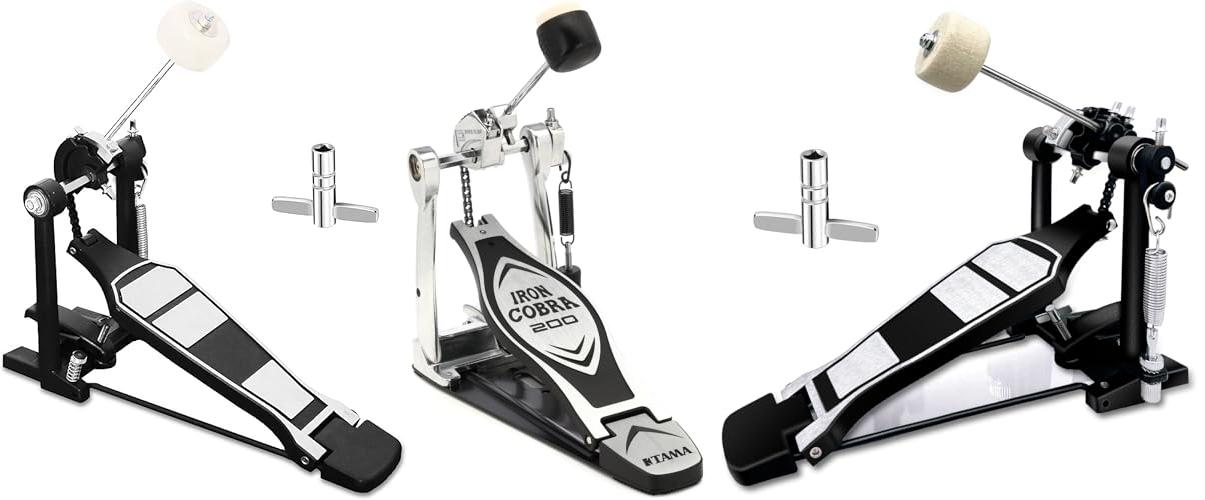
Imagine a drummer’s foot tapping out a rhythm, a steady beat that drives the song forward. That powerful pulse often comes from a humble, yet crucial, piece of gear: the drum pedal. But for many drummers, especially those just starting out, picking the *right* pedal can feel like navigating a minefield. There are so many types, brands, and features, it’s easy to feel overwhelmed and unsure of what will actually make your drumming sound and feel its best.
Choosing a drum pedal is more than just picking a shiny object. It directly impacts your speed, control, and even how comfortable you are behind the kit. The wrong pedal can lead to frustration, hinder your progress, and even cause discomfort. This is where we come in. We’re here to cut through the confusion and help you understand what truly matters when it comes to drum pedals.
By the time you finish reading, you’ll have a clearer picture of the different types of pedals available and how they can shape your drumming. We’ll break down the key features to look for, so you can confidently select a pedal that fits your style and budget. Get ready to discover how the right pedal can unlock a whole new level of groove and power in your playing.
Our Top 5 Drum Pedal Recommendations at a Glance
| Image | Product | Rating | Links |
|---|---|---|---|
 |
Single Bass Drum Pedal | 9.0/10 | Check Price |
 |
Tama HP200P Iron Cobra 200 Single Pedal | 9.2/10 | Check Price |
 |
Bass Drum Pedal | 9.3/10 | Check Price |
 |
DW 3000 Series Single Bass Drum Pedal (DWCP3000A) | 9.4/10 | Check Price |
 |
Facmogu Single Kick Bass Drum Pedal | 8.7/10 | Check Price |
Top 5 Drum Pedal Detailed Reviews
1. Single Bass Drum Pedal
Rating: 9.0/10
Unleash your rhythm with the Single Bass Drum Pedal, a versatile kick drum pedal designed for every drummer. Whether you’re just starting out or you’re a seasoned pro, this single-chain pedal offers a smooth and responsive experience. It’s built to handle everything from quiet practice sessions to energetic stage performances.
What We Like:
- Works for beginners and pros: The single chain design balances stability and quick reactions. Beginners find it easy to learn, and experienced drummers appreciate its precision for fast playing.
- Smooth, fast action: The high-quality single chain moves quickly with almost no delay. This helps you keep perfect rhythm, especially when playing fast beats.
- Customize your feel: You can adjust the spring tension and drumstick angle. This lets you set the pedal exactly how you like it, whether you want a light touch or a powerful kick.
- Stays put and grips well: The bottom of the pedal grips the floor to prevent slipping. The top surface has a non-slip texture, keeping your foot steady and comfortable, even during long playing sessions.
- Built to last: Made from strong metal, this pedal is durable. The wear-resistant chain and bearings mean it will last a long time. It’s also lightweight and easy to carry to rehearsals or gigs.
What Could Be Improved:
- Single chain limitation: While great for many styles, some advanced drummers might prefer the feel or power transfer of a double-chain system for certain techniques.
- Basic adjustments: The adjustment options are good, but might not satisfy drummers who need highly specialized tuning for extreme playing styles.
This single bass drum pedal is a solid choice for drummers of all levels. It provides reliable performance and a comfortable playing experience.
2. Tama HP200P Iron Cobra 200 Single Pedal
Rating: 8.6/10
The Tama HP200P Iron Cobra 200 Single Pedal is a solid choice for drummers looking for a reliable and responsive kick drum pedal. Its design focuses on delivering a powerful and consistent feel, making it a great companion for practice sessions and live performances alike. The single-chain drive system paired with the Power Glide cam offers a smooth and natural rebound, allowing drummers to play with speed and control.
What We Like:
- The Power Glide cam provides a smooth and powerful feel.
- It’s built with durable materials for long-lasting use.
- The spring tension is easily adjustable for personalized comfort.
- It offers excellent value for its price point.
- The single-chain drive feels responsive and direct.
What Could Be Improved:
- Some drummers might prefer a double-chain for even more power.
- The footboard could offer a bit more grip for some players.
- It doesn’t come with a case, which would be a nice addition.
This pedal is a fantastic option for drummers wanting dependable performance without breaking the bank. It’s a pedal that will serve you well as you continue to grow as a musician.
3. Bass Drum Pedal
Rating: 8.5/10
Unleash your drumming potential with this premium single bass drum pedal! Built for serious musicians, it offers a rock-solid foundation for your kick drum, ensuring a powerful and consistent beat. Its durable metal frame stands up to even the most energetic performances, keeping your playing smooth and your focus on the music.
What We Like:
- It’s made with strong metal. This makes it last a long time, even when you play hard.
- The pedal is slip-resistant and won’t shake around. This keeps it steady while you play.
- You can adjust the pedal to how you like it. You can change the tension and where the beater hits. This helps you get the perfect feel.
- It feels very responsive. You don’t have to work as hard to get a good sound.
- It works for many music styles, like rock, metal, and jazz. It’s great for practicing, too.
- It comes with a 1-year guarantee and good customer service.
What Could Be Improved:
- While it’s designed for single pedal use, the product title mentions “Double Bass Drum Pedal” which could be confusing.
- More color options might appeal to a wider range of drummers.
This bass drum pedal is a fantastic choice for drummers looking for a reliable and customizable kick drum experience. Elevate your sound and enjoy every beat!
4. DW 3000 Series Single Bass Drum Pedal (DWCP3000A)
Rating: 8.7/10
The DW 3000 Series Single Bass Drum Pedal (DWCP3000A) is a solid choice for drummers looking for reliable performance and smooth action. This pedal offers a great balance of features that make it a joy to play, whether you’re practicing at home or performing on stage. It’s built to last and provides a responsive feel that helps drummers of all levels improve their technique.
What We Like:
- The dual-chain accelerator drive system makes playing feel fast and smooth.
- You can easily adjust the pedal’s stroke with the Delta stroke adjustment, which has a ball bearing and a detachable spring for custom comfort.
- The swivel toe clamp holds your bass drum securely, so it won’t move around while you play.
- It comes with a two-way DW101 beater that has a memory lock, so you can always get the same beater height.
- The steel base plate has a rubber mat to stop it from slipping, keeping the pedal steady.
- A drum key is included, making setup and adjustments simple.
What Could Be Improved:
- While it’s a great pedal, more advanced drummers might want even more fine-tuning options.
- The beater is good, but some might prefer a wider variety of beater head options right out of the box.
Overall, the DW 3000 Series Single Bass Drum Pedal is a fantastic value. It delivers a premium feel and dependable performance that drummers will appreciate.
5. Facmogu Single Kick Bass Drum Pedal
Rating: 9.5/10
The Facmogu Single Kick Bass Drum Pedal is a heavy-duty option designed for drummers of all levels, from beginners to pros. It comes with a classic felt beater and a tuning key, making it a complete package for your foot percussion needs. This pedal aims to create a perfect connection between your foot and the drum, offering a responsive and powerful sound.
What We Like:
- The spring tension adjustment system is quick and easy to use.
- The wingnut bass drum hoop clamp makes it simple to attach to your bass drum.
- The single chain CAM system provides a light feel and transmits power efficiently for a big sound.
- The non-slip alloy pedal keeps your foot grounded and offers a smooth, natural feel.
- The wide pedal gives your foot plenty of room.
- The classic felt beater is well-built and durable, with a dense felt that resists wear.
- It’s a great entry-level pedal, perfect for beginners practicing or as a backup.
What Could Be Improved:
- While suitable for pros, advanced players might seek more complex features found in higher-end pedals.
- The “heavy-duty” claim is relative; while durable for its price point, it might not withstand extreme professional abuse as well as top-tier pedals.
This Facmogu pedal is a solid choice, offering excellent value and performance for its price. It’s a reliable companion whether you’re just starting out or need a dependable practice tool.
Finding Your Perfect Beat: A Drum Pedal Buying Guide
A drum pedal is your foot’s best friend for playing the bass drum. It’s how you make that awesome “boom” sound that drives the music. Choosing the right one can make a big difference in how you play and how good your drumming sounds. Let’s dive into what you need to know.
What to Look For in a Drum Pedal
When you’re shopping for a drum pedal, a few things really stand out.
Key Features to Consider
- Action Type: This is how the pedal moves.
- Single Chain: This is a common and reliable choice. It uses a single chain connecting the footboard to the cam (the part that turns the beater). It offers a good balance of speed and power.
- Double Chain: This type uses two chains. It gives you a smoother feel and more direct power transfer from your foot to the beater. Many drummers prefer this for its responsiveness.
- Direct Drive: Here, the footboard is directly attached to the beater shaft. This means very little is lost between your foot and the drum. It’s super fast and gives you a lot of control.
- Belt Drive: A belt connects the footboard to the cam. This offers a softer, more fluid feel than chains. It’s often quieter and can feel lighter under your foot.
- Adjustments: Can you change how the pedal feels?
- Beater Angle: Adjusting how the beater hits the drumhead changes the attack. You can make it hit harder or softer.
- Spring Tension: You can make the spring tighter or looser. A tighter spring makes the pedal spring back faster. A looser spring feels softer.
- Footboard Height: Some pedals let you change how high the footboard sits. This affects your foot’s position and how you play.
- Footboard Design:
- Longboard vs. Standard: Longboards give you more room for your foot, allowing for different playing techniques like heel-toe. Standard footboards are more traditional.
- Grip: Look for a footboard that has good grip so your shoe doesn’t slip. Some have raised patterns or textured surfaces.
- Beater Type: The beater is the part that hits the drum.
- Felt Beat ers: These are the most common and give a warm, classic bass drum sound.
- Hard Plastic Beat ers: These produce a sharper, more cutting sound.
- Adjustable Beat ers: Some beaters let you change their weight or shape to alter the sound.
What Are Drum Pedals Made Of?
The materials used in a drum pedal affect its durability and feel.
Important Materials
- Metal: Most pedals are made of strong metals like steel or aluminum. This makes them sturdy and able to handle lots of drumming.
- Plastic: Some parts, like footboard surfaces or cam covers, might use durable plastic.
- Rubber: Rubber is often used for the base of the pedal to keep it from sliding on the floor.
What Makes a Drum Pedal Good or Not So Good?
Quality can vary a lot. Here’s what makes a pedal great and what can make it less ideal.
Factors Affecting Quality
- Smoothness: A high-quality pedal moves smoothly without any sticking or squeaking. This lets you play faster and with more control.
- Durability: Good pedals are built to last. They won’t break or wear out quickly, even with heavy use.
- Responsiveness: A responsive pedal reacts quickly to your foot’s movements. This is super important for fast drumming.
- Build Quality: Look for solid construction, well-made joints, and secure connections. Cheaply made pedals can feel flimsy.
- Noise: A good pedal should be quiet. Rattling or squeaking parts can be distracting.
How Do You Use a Drum Pedal and Who Are They For?
Drum pedals are for anyone who plays drums!
User Experience and Use Cases
- Beginner Drummers: Simpler, more affordable pedals are great for learning the basics. They should be easy to set up and use.
- Intermediate Drummers: These players might want pedals with more adjustments to fine-tune their sound and feel. Double chain or good quality single chain pedals are popular.
- Advanced Drummers: Professionals often look for pedals with high responsiveness, speed, and lots of customization options. Direct drive or high-end double chain pedals are common.
- Gigging Drummers: Durability and reliability are key for those who play live shows. Pedals that are easy to transport and set up are a plus.
- Studio Drummers: Sound quality and consistency are important for recording. Pedals that offer a wide range of tonal options can be beneficial.
No matter your skill level, the right drum pedal will help you play better and enjoy drumming more. Take your time, try them out if you can, and find the one that feels right for your feet!
Frequently Asked Questions about Drum Pedals
Q: What is the most important part of a drum pedal?
A: The most important part is how it feels and responds to your foot. This includes its smoothness, speed, and how well it lets you control your playing.
Q: Is a double chain pedal better than a single chain pedal?
A: Many drummers find double chain pedals to offer a smoother feel and more direct power. However, a good single chain pedal can also be excellent.
Q: What does “direct drive” mean for a drum pedal?
A: Direct drive means the footboard is directly connected to the beater. This makes the pedal very fast and gives you precise control.
Q: Can I change the sound of my bass drum with the pedal?
A: Yes, you can. The beater type, beater angle, and how hard you hit all change the sound. Some pedals have adjustable beaters for more options.
Q: How do I set up a drum pedal?
A: You usually attach the pedal to the rim of your bass drum. Then, you connect the beater to the drumhead. Adjust the spring tension and beater angle to your liking.
Q: Should I get a longboard or a standard footboard?
A: Longboards give you more space and can help with certain playing styles. Standard footboards are more traditional. It really depends on what feels comfortable for you.
Q: How much does a good drum pedal cost?
A: Good drum pedals can range from around $100 to $300 or more. Cheaper ones might work for beginners, but they may not last as long or feel as good.
Q: Do I need to oil my drum pedal?
A: Most modern drum pedals don’t require oiling. Check the manufacturer’s instructions, but usually, they are designed to be maintenance-free.
Q: What is spring tension, and why is it important?
A: Spring tension is how tight the spring is that pulls the footboard back. Tighter tension makes the pedal spring back faster, which is good for speed. Looser tension feels softer.
Q: Can one drum pedal work for all types of music?
A: Yes, most pedals can be adjusted to work for many music styles. However, some drummers might prefer specific pedal types for certain genres, like fast double bass pedals for metal.
In conclusion, every product has unique features and benefits. We hope this review helps you decide if it meets your needs. An informed choice ensures the best experience.
If you have any questions or feedback, please share them in the comments. Your input helps everyone. Thank you for reading.