
Imagine facing a challenge that changes your world. Sometimes, stories can help us understand big, scary things. That’s where books come in. They can be like friends, offering comfort and knowledge when we need it most.
But finding the right book about cancer can feel overwhelming. There are so many choices! Some books are for grown-ups, some are for kids, and some are about fighting cancer, while others are about living with it. It’s tough to know where to start. You might feel lost trying to find a book that truly speaks to you or someone you care about.
In this post, we’re going to explore some amazing cancer books. We’ll help you discover stories that offer hope, explain complicated ideas simply, and show you different ways people cope. By reading on, you’ll find recommendations that can guide you, whether you’re looking for yourself or to support a loved one. Let’s dive into the world of cancer books together.
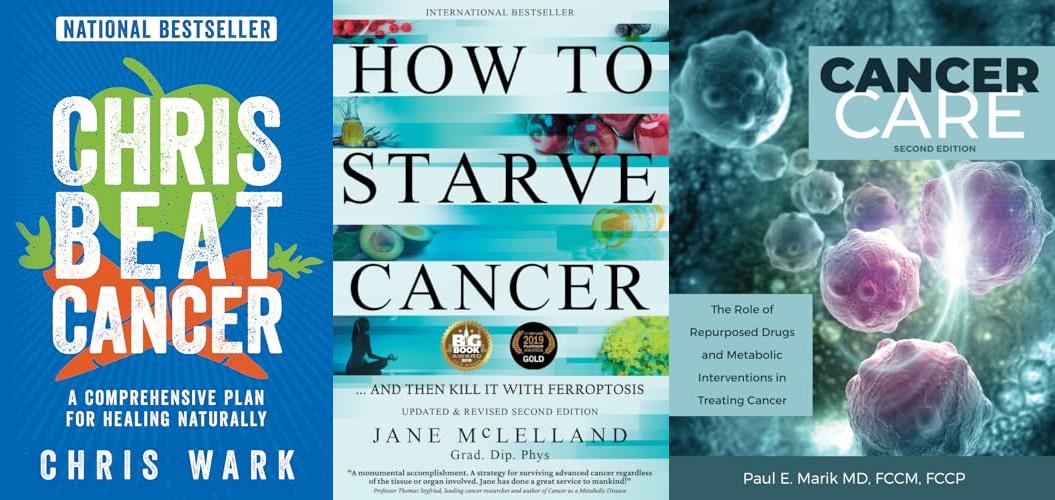
Our Top 5 Cancer Books Recommendations at a Glance
Top 5 Cancer Books Detailed Reviews
1. Chris Beat Cancer: A Comprehensive Plan for Healing Naturally

Rating: 8.6/10
Chris Beat Cancer: A Comprehensive Plan for Healing Naturally offers a unique approach to health. This plan focuses on natural methods to support the body’s healing process. It aims to empower individuals with knowledge and strategies for a healthier life.
What We Like:
- Provides a holistic perspective on well-being.
- Encourages natural and lifestyle-based changes.
- Offers a roadmap for those seeking alternative health paths.
- Focuses on proactive health management.
What Could Be Improved:
- The plan is quite extensive and requires significant commitment.
- Some readers might find the information overwhelming initially.
- It’s important to consult with healthcare professionals for personalized advice.
This plan is a valuable resource for anyone interested in natural health. It provides a detailed guide to explore alongside professional medical care.
2. How to Starve Cancer: …and Then Kill It With Ferroptosis

Rating: 9.0/10
This book, “How to Starve Cancer: …and Then Kill It With Ferroptosis,” dives into a fascinating and hopeful area of cancer research. It explains complex scientific ideas in a way that’s easier to understand. The book explores how we can potentially stop cancer cells from getting the fuel they need to grow and then how to destroy them using a process called ferroptosis. This is a new approach to fighting cancer that scientists are very excited about.
What We Like:
- Explains a cutting-edge cancer treatment strategy in simple terms.
- Offers a hopeful outlook on fighting cancer.
- Introduces the concept of ferroptosis, a novel way to attack cancer cells.
- The ideas presented are thought-provoking and educational.
What Could Be Improved:
- As this is a scientific topic, some readers might find certain sections still a bit challenging.
- There are no specific “features” to evaluate in the traditional sense, as it’s a book.
This book opens the door to understanding a new frontier in cancer therapy. It’s a valuable read for anyone curious about the future of cancer treatment.
3. Cancer Care: The Role of Repurposed Drugs and Metabolic Interventions in Treating Cancer

Rating: 8.9/10
This book, “Cancer Care: The Role of Repurposed Drugs and Metabolic Interventions in Treating Cancer,” explores new ways to fight cancer. It talks about using old medicines for new purposes and changing how cancer cells get energy. This book is for people who want to understand these advanced ideas.
What We Like:
- It offers fresh perspectives on cancer treatment.
- The book explains complex topics clearly.
- It highlights promising areas of research.
- It encourages thinking about cancer in different ways.
What Could Be Improved:
- The “N/A” feature means there aren’t specific practical features to point out, making it less of a hands-on product review.
- The topic can be very technical, so some readers might find it challenging.
- It might not offer immediate, actionable advice for patients without consulting doctors.
This book provides valuable insights into innovative cancer therapies. It’s a great resource for those seeking deeper knowledge in this evolving field.
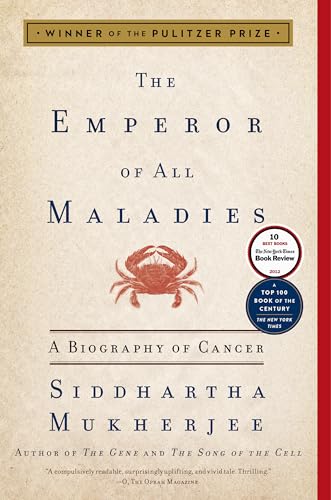
4. The Emperor of All Maladies: A Biography of Cancer
Rating: 9.0/10
The Emperor of All Maladies: A Biography of Cancer is a groundbreaking book that tells the story of cancer. It explores how scientists and doctors have fought this disease for centuries. The book explains the different types of cancer and how they affect the body. It also shares stories of people who have battled cancer. This book is a powerful look at one of humanity’s greatest challenges.
What We Like:
- It makes a complex topic easy to understand.
- The author shares many fascinating real-life stories.
- It gives readers a deep appreciation for medical progress.
- The book is very well-researched and informative.
- It offers hope for the future of cancer treatment.
What Could Be Improved:
- Some of the medical details can be a bit challenging for younger readers.
- The book is quite long, which might take time to finish.
This book is an essential read for anyone wanting to understand cancer. It provides a comprehensive and moving account of this complex disease.
5. One-Minute Prayers for Women with Cancer

Rating: 8.6/10
Facing cancer is a journey that brings many challenges. Sometimes, finding peace and strength in the midst of it all can feel overwhelming. “One-Minute Prayers for Women with Cancer” offers a simple yet powerful way to connect with faith and find comfort in those difficult moments. This book provides short, meaningful prayers designed specifically for women navigating a cancer diagnosis and treatment.
What We Like:
- The prayers are concise and easy to understand.
- They offer immediate comfort and a sense of connection.
- The book is portable and can be kept close by for quick moments of reflection.
- It provides a spiritual anchor during uncertain times.
- The prayers are uplifting and hopeful.
What Could Be Improved:
- Some readers might wish for a wider variety of prayer styles.
- A digital version or audiobook option could increase accessibility.
- More personalization prompts could be beneficial for some users.
This book serves as a gentle companion for women on their cancer journey, offering a moment of spiritual respite whenever it’s needed. It’s a thoughtful resource for finding hope and strength through prayer.
Navigating Your Journey: A Guide to Cancer Books
Finding the right book about cancer can be a comforting companion, a source of knowledge, or a helpful guide. This guide helps you choose the best book for your needs.
Key Features to Look For
When picking a cancer book, consider what you hope to gain.
- Clarity and Simplicity: The book should explain complex medical information in easy-to-understand language. Avoid books filled with jargon you won’t understand.
- Up-to-Date Information: Cancer research is always moving forward. Look for books published recently or with updated editions. This ensures the information is current.
- Author’s Credibility: Who wrote the book? Is it a doctor, a researcher, a patient advocate, or someone who has lived with cancer? Their background matters.
- Specific Focus: Some books cover all cancers, while others focus on a particular type (like breast cancer or lung cancer). Some might focus on treatment, others on coping or survivorship. Decide what you need.
- Tone and Style: Do you prefer a book that is hopeful, practical, scientific, or personal? The author’s voice can greatly impact your reading experience.
Important Materials (Content Types)
Cancer books come in many forms.
- Personal Narratives: These are stories from people who have experienced cancer. They offer emotional support and real-life perspectives.
- Medical Guides: These books explain the science behind cancer, different treatments, and what to expect during medical care.
- Lifestyle and Wellness Books: These often focus on nutrition, exercise, stress management, and other ways to support your health during and after treatment.
- Books for Caregivers: These are written for the friends and family members supporting someone with cancer. They offer advice on how to help.
Factors That Improve or Reduce Quality
What makes a cancer book great or less helpful?
- Improving Quality:
- Evidence-Based Information: Good books rely on scientific facts and research.
- Empathetic Tone: A book that shows understanding and compassion makes a big difference.
- Practical Advice: Books offering actionable tips are very valuable.
- Clear Organization: Easy-to-follow chapters and a good index help you find information quickly.
- Reducing Quality:
- Outdated Information: Old medical advice can be harmful or misleading.
- Unrealistic Promises: Be wary of books that claim to have miracle cures.
- Overly Technical Language: If you need a dictionary to read it, it’s not a good fit.
- Lack of Empathy: A book that feels cold or dismissive can be upsetting.
User Experience and Use Cases
How do people use cancer books?
- Understanding a Diagnosis: A newly diagnosed person might use a medical guide to learn about their specific cancer and treatment options.
- Finding Emotional Support: Someone undergoing treatment might read personal stories to feel less alone and find hope.
- Learning About Nutrition: A patient might look for books with healthy eating tips to help their body during treatment.
- Guiding Caregivers: A family member might use a caregiver’s guide to learn how to best support their loved one.
- Navigating Survivorship: People who have finished treatment might read books about life after cancer and long-term wellness.
Frequently Asked Questions About Cancer Books
Q: What is the best type of cancer book for someone newly diagnosed?
A: For a new diagnosis, a clear medical guide that explains the specific type of cancer and treatment options is often most helpful. Look for books that are easy to read and from reputable sources.
Q: Can cancer books offer emotional support?
A: Yes, personal stories and narratives from people who have lived through cancer can be very comforting. They show you are not alone and offer inspiration.
Q: Are there books specifically for people who are caring for someone with cancer?
A: Absolutely. There are many excellent books written for caregivers. These books offer advice on how to provide support, manage stress, and take care of yourself.
Q: How do I know if the information in a cancer book is accurate?
A: Check the author’s credentials. Look for books written by doctors, researchers, or recognized cancer organizations. Also, check the publication date to ensure the information is current.
Q: Should I avoid books that promise “miracle cures”?
A: Yes. Be very cautious of any book that claims to have a guaranteed cure or promotes unproven treatments. Always discuss any new information or treatment ideas with your doctor.
Q: What if a book’s tone is too negative or too cheerful?
A: It’s okay to look for a book with a tone that feels right for you. Some people prefer a straightforward, factual approach, while others find comfort in more emotional or hopeful stories.
Q: Can I use cancer books to learn about nutrition and diet during treatment?
A: Yes, many books focus on healthy eating for cancer patients. They offer practical advice on what to eat to maintain strength and manage side effects.
Q: Are there books that help with the mental and emotional challenges of cancer?
A: Yes. Many books address the psychological side of cancer, offering coping strategies, mindfulness techniques, and ways to deal with anxiety and depression.
Q: Where can I find reliable cancer books?
A: You can find them at bookstores, libraries, and online retailers. Look for recommendations from your doctor, cancer support groups, or trusted health websites.
Q: Is it better to read a book about my specific cancer or a general cancer book?
A: It depends on your needs. A book about your specific cancer will offer more detailed information. A general book might provide a broader overview or cover topics like emotional well-being that apply to many types of cancer.
In conclusion, every product has unique features and benefits. We hope this review helps you decide if it meets your needs. An informed choice ensures the best experience.
If you have any questions or feedback, please share them in the comments. Your input helps everyone. Thank you for reading.