
Yes, you can technically wear volleyball shoes for basketball, but it’s generally not recommended for optimal performance and safety. While there’s an overlap in their functionality as court sports footwear, significant differences exist that make dedicated basketball shoes a far superior choice for the demands of the basketball court.
This article will delve into the intricacies of using volleyball shoes for basketball, exploring the similarities and crucial differences between volleyball shoes basketball court suitability and the requirements of the hardwood. We’ll examine what makes volleyball sneakers basketball a less-than-ideal pairing, and why wearing volleyball shoes for basketball might lead to disappointment and even injury. Let’s break down basketball shoes vs volleyball shoes and decipher the volleyball shoe basketball suitability.
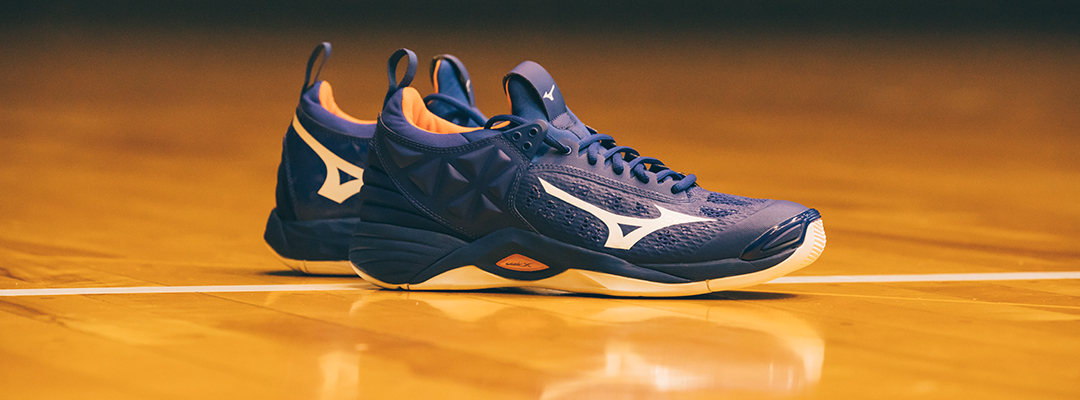
Image Source: live-bloginsider.mizunousa.com
The Mechanics of Court Sports Footwear
Both volleyball and basketball are dynamic court sports requiring agility, quick directional changes, and significant impact absorption. This shared foundation means there are some overlapping design principles in their respective footwear. However, the specific demands placed on players and the court surfaces differ, leading to distinct design philosophies.
Cushioning: A Tale of Two Impacts
A primary difference lies in the cushioning systems.
- Basketball Shoes: Basketball involves a lot of jumping, landing, and explosive movements. This requires robust cushioning to absorb high-impact forces. Basketball shoes typically feature thicker midsoles, often with advanced foam technologies (like Nike Air, Adidas Boost, or Under Armour HOVR) strategically placed in the heel and forefoot to protect joints from the repetitive stress of jumping and landing. The goal is to provide a balance of impact protection and energy return.
- Volleyball Shoes: Volleyball also involves jumping, but the impact forces are generally less severe and more controlled. Volleyball shoes prioritize responsiveness and court feel. Their cushioning is usually firmer and lower to the ground. This design helps players feel more connected to the court, allowing for quicker adjustments, sharper cuts, and more stable landings during quick lateral movements and jumps for spikes and blocks. Excessive cushioning can sometimes feel “mushy” and hinder the agility needed in volleyball.
Traction: Gripping the Court
Traction is paramount in both sports, but the specific patterns and rubber compounds are tailored to the sport’s unique movements.
- Basketball Shoes: Basketball shoes are designed for aggressive stop-and-go movements, sharp cuts, and pivots. The outsole patterns often feature herringbone or radial patterns, providing multi-directional grip. The rubber compounds are typically softer to maximize grip on polished hardwood courts, allowing players to plant their feet firmly and explode in any direction.
- Volleyball Shoes: Volleyball shoes also need excellent traction, but the focus is more on lateral stability and preventing slips during quick side-to-side movements and jumps. The outsole patterns on volleyball footwear basketball suitability might include more circular patterns or pivot points to facilitate controlled rotations. The rubber might be slightly harder to offer durability and consistent grip across various indoor court surfaces, but with a focus on preventing foot roll during lateral shifts.
Support and Stability: Anchoring the Foot
The type and level of support offered by volleyball sneakers basketball use differ significantly from dedicated basketball shoes.
- Basketball Shoes: Basketball players often experience intense lateral movements, changes in direction at high speeds, and a need for ankle support. Basketball shoes come in various heights (low, mid, and high-top) to cater to player preference for ankle support. They often feature enhanced torsional rigidity, meaning the shoe resists twisting, which is crucial for preventing ankle rolls during sudden directional changes. Internal heel counters and midfoot shanks also contribute to overall stability.
- Volleyball Shoes: Volleyball players also require stability, particularly for lateral movements and jumps. Volleyball shoes are typically low-profile and lightweight to promote agility. They often have a strong emphasis on lateral support through the midsole and upper construction. The goal is to keep the foot securely planted during quick shuffles and to provide a stable platform for explosive vertical jumps. However, they generally don’t offer the same level of ankle support as a high-top basketball shoe.
Weight and Responsiveness: The Feel of the Shoe
The weight and overall responsiveness of volleyball shoes basketball suitability can be a significant deciding factor.
- Basketball Shoes: While some basketball shoes are designed to be lightweight, many prioritize cushioning and support, which can lead to a heavier feel. The responsiveness in basketball shoes is about translating force efficiently for explosive movements.
- Volleyball Shoes: Volleyball shoes are almost universally designed to be lightweight and agile. This is because players need to be able to move quickly and jump repeatedly without feeling bogged down. The responsiveness in volleyball shoes is geared towards quick acceleration and deceleration.
Why Using Volleyball Shoes for Basketball Isn’t Ideal
Now, let’s directly address the core question: can you wear volleyball shoes for basketball? The answer, while technically yes, is a resounding “no” if you care about optimal performance, injury prevention, and the longevity of your footwear.
The Performance Deficit
When you step onto the volleyball court basketball performance is not the primary concern. However, on a basketball court, the demands are different.
- Insufficient Cushioning: The lower-profile cushioning in volleyball shoes is simply not adequate for the high-impact forces of basketball. Landing from jumps, even moderate ones, can put significant stress on your ankles, knees, and hips. Without the proper shock absorption, you increase your risk of jarring impacts, joint pain, and potential injuries. This can severely limit your basketball performance volleyball shoes.
- Lack of Lateral Support: While volleyball shoes offer lateral stability for side-to-side movements, basketball demands more aggressive, unpredictable cuts and changes of direction. Volleyball shoes may not provide the necessary torsional rigidity and ankle support to prevent excessive foot roll or ankle twists during these intense basketball maneuvers.
- Traction Mismatch: While both shoes need grip, the specific rubber compounds and tread patterns are optimized for different court surfaces and movement types. The slightly harder rubber on some volleyball shoes might not provide the same level of immediate bite on a polished basketball court, especially during quick, sharp stops. This can lead to slippage and a loss of control.
- Durability Concerns: Volleyball shoes are built for the specific stresses of volleyball. The materials and construction might not withstand the more aggressive and varied forces encountered in basketball. Repeated hard landings and sharp pivots in basketball can wear down the cushioning and outsole of volleyball shoes much faster than they’re designed for.
Increased Risk of Injury
This is perhaps the most crucial reason to avoid using volleyball shoes for basketball.
- Ankle Sprains: The lack of robust ankle support and potentially insufficient lateral stability in volleyball shoes significantly increases the risk of ankle sprains, a very common injury in basketball.
- Joint Pain and Stress Fractures: The inadequate cushioning can lead to cumulative stress on your joints over time. This can manifest as pain in your knees, ankles, and hips, and in severe cases, could contribute to stress fractures.
- Plantar Fasciitis: Poor arch support and cushioning in volleyball shoes, when used for the high-impact demands of basketball, can also contribute to conditions like plantar fasciitis.
What About the Other Way Around?
It’s worth briefly touching on whether basketball shoes vs volleyball shoes comparison allows for using basketball shoes in volleyball. Generally, basketball shoes can be used for volleyball, though they might feel a bit clunky or heavy. The increased cushioning and support are usually not detrimental, but they can sometimes hinder the extreme agility and court feel that volleyball players value. However, the injury risk is much lower when using basketball shoes for volleyball compared to the reverse.
Comparing Volleyball and Basketball Shoe Features
To further illustrate the differences, let’s look at a comparative table. This table helps in visualizing the key distinctions that impact volleyball shoe basketball suitability.
| Feature | Volleyball Shoes | Basketball Shoes | Impact on Using Volleyball Shoes for Basketball |
|---|---|---|---|
| Cushioning | Firmer, lower-profile, responsive. | Softer, more substantial, impact-absorption focused. | Insufficient impact protection for basketball’s high jumps and landings. |
| Traction | Designed for lateral stability and court feel. | Multi-directional grip for aggressive cuts. | May not provide optimal grip for sharp basketball stops and starts. |
| Support | Focus on lateral stability, often low-cut. | Enhanced lateral and torsional support, various heights. | Limited ankle support and torsional rigidity to prevent rolls during aggressive basketball movements. |
| Weight | Lightweight and agile. | Can be heavier due to cushioning and support. | While lighter weight might seem good, it comes at the cost of crucial protective features. |
| Outsole | Often features pivot points, durable rubber. | Herringbone or radial patterns, softer rubber. | Durability might be compromised; grip characteristics are optimized differently. |
| Flexibility | More flexible in the forefoot for agility. | Stiffer midfoot for stability. | Might not offer enough midfoot stability for basketball’s demands. |
| Purpose | Quick lateral movement, moderate jumping. | Explosive jumping, aggressive stopping/starting. | Direct mismatch in the primary forces and movements each shoe is designed to handle. |
Can Volleyball Shoes Work for Basketball? The Verdict
When we talk about can volleyball shoes work for basketball, the answer leans heavily towards “no” for anyone serious about the sport.
- Casual Play: For very casual shooting around or light practice where you’re not pushing yourself to the limits, you might get away with it in a pinch. However, even then, the risk is present.
- Competitive Play: For any form of competitive basketball, or even regular recreational play where you’re sprinting, jumping, and making quick cuts, wearing volleyball shoes for basketball is a significant disadvantage and carries a high risk of injury.
The fundamental differences in design mean that volleyball footwear basketball suitability is poor. The technology and construction of volleyball shoes basketball court are optimized for a different sport with different physical demands.
Frequently Asked Questions (FAQ)
Q1: Can I use my volleyball shoes for casual basketball practice?
A1: While technically possible for very light, non-competitive play, it’s still not recommended. Even casual play involves some jumping and quick movements, and the lack of adequate cushioning and support in volleyball shoes can still lead to discomfort or minor injuries. It’s always better to use shoes designed for the specific sport you’re playing.
Q2: Will my volleyball shoes wear out faster if I use them for basketball?
A2: Yes, very likely. The materials and construction of volleyball shoes are not designed to withstand the repeated high-impact forces and aggressive movements of basketball. Using them for basketball will likely cause them to break down much faster, compromising their support and cushioning prematurely.
Q3: Are there any volleyball shoes that are better suited for basketball than others?
A3: Generally, no. While some volleyball shoes might have slightly more cushioning than others, they are still fundamentally designed for volleyball’s specific demands. The core differences in impact absorption, lateral support, and traction will remain. No volleyball shoe is truly optimized for basketball.
Q4: What are the main differences between basketball shoes and volleyball shoes?
A4: The main differences lie in cushioning (basketball shoes have more impact absorption), support (basketball shoes offer more lateral and torsional support), traction (designed for different court surfaces and movement patterns), and overall construction to handle the higher impact and aggressive movements of basketball.
Q5: Is it okay to wear basketball shoes for volleyball?
A5: Yes, it’s generally okay to wear basketball shoes for volleyball. While they might feel a bit heavier or less agile than dedicated volleyball shoes, the extra cushioning and support usually don’t hinder play significantly and offer good protection. The risk of injury is much lower when using basketball shoes for volleyball compared to the reverse.
Conclusion: Stick to the Right Tool for the Job
The question of can volleyball shoes work for basketball has a clear answer: they can, but they shouldn’t. The nuanced design of sports-specific footwear is crucial for both performance and safety. Volleyball sneakers basketball use is a compromise that significantly increases the risk of injury and diminishes your ability to play at your best. When it comes to volleyball shoes basketball court suitability, the answer is a definitive mismatch. Always choose footwear designed for the sport you are playing to ensure you get the most out of your performance and protect yourself from harm. For basketball, that means wearing basketball shoes.