
Image Source: images.squarespace-cdn.com
Can You Wear Knee Pads In Basketball? Pros & Cons for Knee Protection
Yes, you can wear knee pads in basketball, and they can offer significant benefits for knee protection. The decision to wear them often hinges on a player’s individual needs, playing style, and any pre-existing conditions. Knee pads in basketball serve multiple purposes, from providing comfort during frequent kneeling and diving to offering a degree of impact protection. Understanding the pros and cons can help any basketball player make an informed choice about incorporating knee pads into their game.
The Role of Knee Pads in Basketball
Basketball is a dynamic sport involving constant jumping, landing, sudden stops, and quick changes in direction. These movements put considerable stress on the knee joint. Knee pads, in their various forms, are designed to mitigate some of this stress and offer protection against common basketball-related injuries.
Types of Knee Protection in Basketball
When we talk about knee pads in basketball, it’s important to distinguish between different types of protective gear. This ensures players choose the most suitable option for their needs.
- Traditional Knee Pads: These are often made with thicker padding, sometimes with a hard shell outer layer. They are designed for direct impact protection and are commonly seen in sports like volleyball or skateboarding, but can be adapted for basketball.
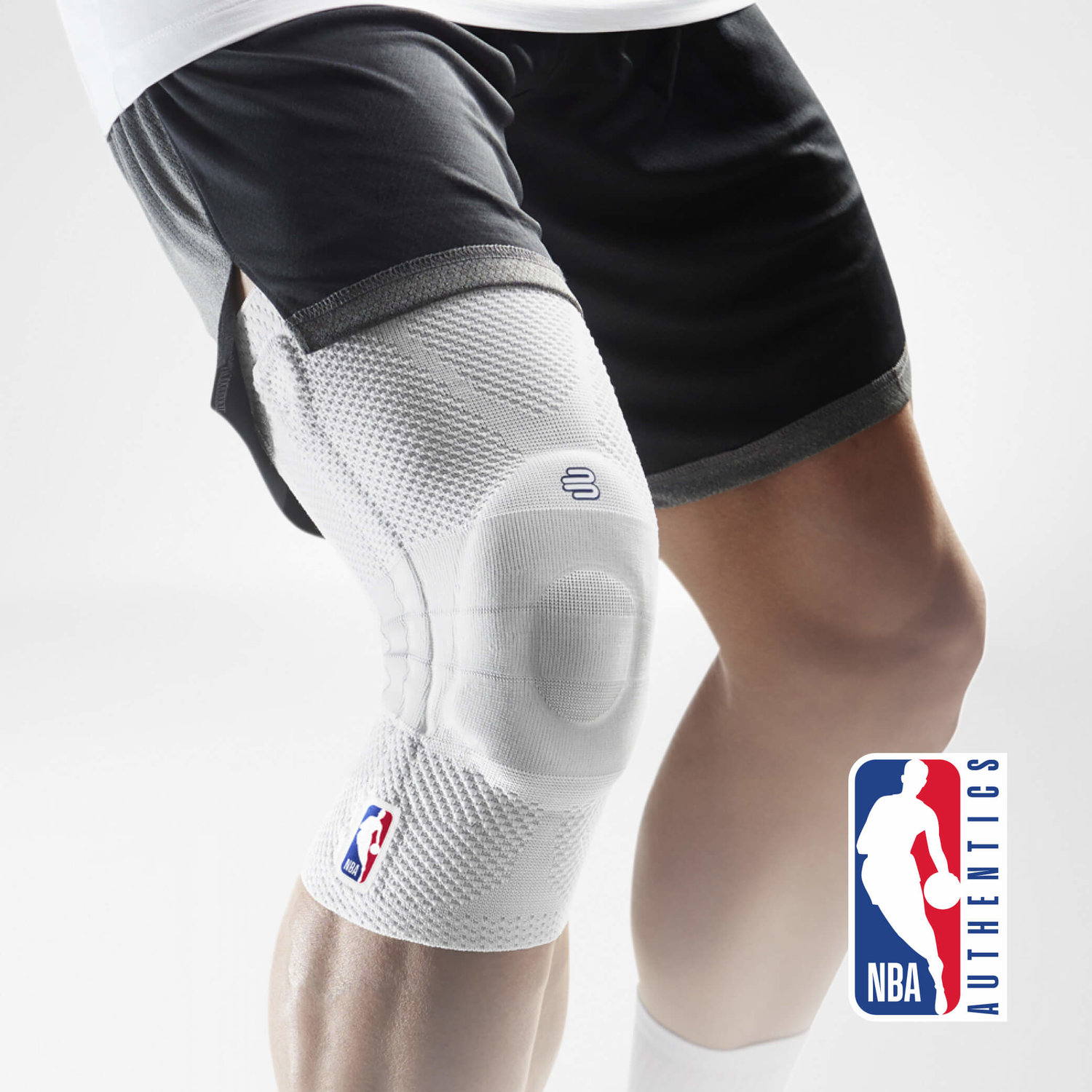
- Protective Knee Sleeves: These are a more common choice for basketball players. They are typically made from elastic or neoprene material and feature a built-in padded section over the kneecap. They offer a balance of compression, warmth, and impact absorption.
- Knee Braces: While not strictly “knee pads,” knee braces are also used for knee protection in basketball. They are often more substantial and designed to provide more targeted support for ligament stability, especially for players with a history of knee injuries.
- Padded Basketball Shorts: Some basketball shorts come with integrated padding in the thigh and sometimes over the knee area. These offer a discreet form of protection for less intense impacts.
Pros of Wearing Knee Pads in Basketball
The advantages of wearing knee pads, particularly the sleeve-style, are numerous for basketball players. They contribute to both immediate comfort and long-term knee health.
Enhanced Comfort and Cushioning
One of the primary benefits of wearing knee pads is the added comfort they provide. The padding helps to cushion the knee joint, making it more comfortable to perform actions that involve impact, such as landing from jumps or diving for loose balls. This cushioning can reduce the jarring sensation that players might otherwise feel in their knees.
Impact Protection Basketball
The inherent nature of basketball involves frequent impacts, whether from accidental collisions, landing awkwardly, or simply the repeated stress of jumping. Knee pads, especially those with thicker padding, offer a layer of impact protection basketball players can rely on. This can help absorb some of the force, potentially reducing the risk of contusions or more serious knee injuries from direct blows.
Improved Blood Circulation and Warmth
Many protective knee sleeves are designed to provide compression. This compression can aid in improving blood circulation to the knee joint. Better blood flow can help keep the muscles and ligaments warm, which is crucial for performance and injury prevention. Keeping the knee warm also offers a sense of stability.
Support and Stability
While not a substitute for a proper knee brace, some basketball knee sleeves offer a degree of support and stability to the knee joint. The compression can help to keep the kneecap aligned, which can be beneficial for players prone to patellar tracking issues or those who experience minor instability. This subtle support can boost confidence during play.
Psychological Confidence
Knowing that your knees are protected can boost a player’s confidence on the court. This can encourage more aggressive play, such as diving for balls or driving to the basket, without the player being overly worried about minor impacts. This psychological edge can contribute to overall performance.
Preventing Scrapes and Abrasions
In the heat of the game, players often find themselves on the floor. Knee pads act as a physical barrier, preventing painful scrapes and abrasions that can occur from sliding on the court’s surface. This is particularly relevant for players who frequently go for loose balls.
Cons of Wearing Knee Pads in Basketball
Despite the benefits, there are also potential drawbacks to consider when wearing knee pads for basketball.
Reduced Flexibility and Mobility
Some players find that bulkier knee pads can restrict their natural range of motion. While most modern protective knee sleeves are designed to be form-fitting, overly thick padding or ill-fitting designs might hinder quick pivots or deep defensive stances.
Overheating
Wearing an extra layer of material, especially during intense physical activity in a warm environment, can lead to overheating. The knees are large joints with a significant blood supply, and covering them can trap heat, leading to discomfort and potentially affecting performance if a player becomes too hot.
Potential for Discomfort and Irritation
If knee pads are too tight, made from irritating materials, or don’t fit correctly, they can cause discomfort. Chafing, pinching, or pressure points can be distracting and even painful, detracting from a player’s focus on the game.
False Sense of Security
While knee pads offer protection, they are not foolproof. A player might develop a false sense of security, believing their knees are completely invulnerable, and engage in riskier behaviors that could lead to injury despite wearing pads. It’s crucial to remember that knee pads are an aid, not a guarantee against all injuries.
Not a Substitute for Proper Rehabilitation
For players recovering from a knee injury, knee pads are not a replacement for proper medical advice, rehabilitation exercises, and prescribed knee braces designed for specific injuries. Relying solely on knee pads in such situations can be detrimental to recovery.
Difficulty with Certain Movements
Depending on the thickness and design of the knee pad, certain movements might feel slightly different or more challenging. For instance, players who rely on a very subtle feel of the court might find the padding creates a slight disconnect.
Why Wear Knee Pads Basketball?
So, why specifically wear knee pads basketball players? It boils down to balancing protection, comfort, and performance. For many, the benefits of cushioning, impact absorption, and a degree of support outweigh the potential drawbacks. It’s about proactively protecting a vital joint that is heavily utilized in the sport.
Who Benefits Most from Knee Pads?
- Players who frequently dive for loose balls: The protection against scrapes and impacts is invaluable.
- Players with a history of minor knee pain or sensitivity: The compression and cushioning can offer relief and support.
- Younger players developing their skills: They might be less coordinated and more prone to falls or awkward landings.
- Players seeking extra comfort during intense games: The padding can make repetitive landings less jarring.
- Players who experience knee buckling or mild instability: Certain sleeves can offer a subtle sense of security.
Knee Support vs. Knee Braces for Basketball
It’s important to differentiate between knee support (like sleeves) and knee braces.
| Feature | Knee Support (Sleeves) | Knee Braces |
|---|---|---|
| Primary Purpose | Compression, warmth, minor impact absorption, comfort | Targeted support for ligaments, joint stability, injury recovery |
| Material | Elastic, neoprene, breathable fabrics | Rigid materials, straps, hinges, specialized padding |
| Protection Level | Moderate (comfort, minor impacts, abrasions) | High (structural support, preventing excessive movement) |
| Application | General wear for comfort and light protection | Post-injury recovery, chronic instability, specific conditions |
| Bulkiness | Generally low, form-fitting | Can be bulky, may affect mobility |
While both aim to protect the knee, knee braces are typically prescribed or recommended for more significant issues, whereas protective knee sleeves are a more general-use item for added comfort and minor protection.
Impact Protection Basketball: How Effective Are Knee Pads?
The effectiveness of knee pads for impact protection basketball players is real, but it’s relative.
- Minor Impacts: Traditional knee pads with thicker padding and potentially a hard shell can offer good protection against direct, low-level impacts, like bumping knees with another player.
- Abrasions and Scrapes: They are highly effective at preventing skin damage from contact with the court.
- Jumping and Landing: Protective knee sleeves offer some cushioning, but they are unlikely to prevent injuries caused by severe landing forces or significant twists. They absorb some of the shock but don’t prevent the underlying biomechanical stress.
It’s crucial for basketball player knee protection that players don’t overestimate the capabilities of their gear.
Basketball Knee Sleeve Benefits: A Deeper Dive
The benefits of basketball knee sleeves are often subtle but significant over time.
Preventing Swelling and Inflammation
The compression provided by knee sleeves can help reduce swelling and inflammation by promoting better circulation and preventing fluid buildup. This is particularly helpful after strenuous activity.
Proprioception Improvement
Compression garments can enhance proprioception – the body’s awareness of its position in space. This improved feedback can lead to better joint control and potentially reduce the risk of awkward movements that could lead to injury.
Durability and Longevity
High-quality protective knee sleeves are typically made from durable materials that can withstand the rigors of basketball. This means they can be a long-lasting addition to a player’s gear.
Aesthetic and Player Identity
For many, the look of knee sleeves is part of the basketball player aesthetic. They can be seen as a symbol of a player who is serious about their preparation and protection.
Padded Basketball Shorts: An Alternative or Complement?
Padded basketball shorts offer another layer of protection. They can be a good option for players who want protection without the feeling of a separate garment on their knees. However, the padding is often less substantial than dedicated knee pads, and its placement might not always align perfectly with a player’s impact zones. They can be a good complement to knee sleeves for players seeking maximum coverage.
When to Reconsider Wearing Knee Pads
There are times when wearing knee pads might not be the best choice, or when adjustments are needed.
- Excessive heat and humidity: If overheating is a significant issue, players might need to switch to lighter gear or take breaks.
- Severe knee pain or instability: If a player experiences constant, sharp pain or feels their knee is unstable even with pads, they need to consult a medical professional.
- Discomfort interfering with play: If the pads are more distracting than helpful, they are not serving their purpose.
Maintaining Your Basketball Knee Protection
To ensure your knee pads or sleeves remain effective and comfortable, proper care is essential.
- Washing: Follow the manufacturer’s instructions. Typically, most sleeves can be hand-washed or machine-washed on a gentle cycle with mild detergent. Avoid bleach and fabric softeners.
- Drying: Air drying is usually best to prevent damage to the elastic fibers. Avoid direct heat or tumble drying on high settings.
- Storage: Store them in a cool, dry place away from direct sunlight.
Frequently Asked Questions (FAQ)
Q1: Are knee pads mandatory in basketball?
No, knee pads are not mandatory in most organized basketball leagues. They are generally considered optional protective gear.
Q2: Can wearing knee pads cause knee problems?
Generally, no. When properly fitted and used for their intended purpose, knee pads are unlikely to cause knee problems. However, ill-fitting or overly tight pads could potentially restrict circulation or cause chafing, leading to discomfort.
Q3: Should I wear knee pads for a sprained knee?
If you have a sprained knee, it’s best to consult a doctor or physical therapist. They will recommend the most appropriate treatment, which may include specific knee braces for support and stability during recovery, rather than standard knee pads.
Q4: What is the difference between knee sleeves and knee braces?
Knee sleeves offer compression, warmth, and mild padding for comfort and minor impact protection. Knee braces are more robust, providing structural support for ligaments and joints, often used for injury prevention or rehabilitation.
Q5: How do I choose the right size of basketball knee pads/sleeves?
Measure the circumference of your thigh and calf, typically a few inches above and below the kneecap, according to the manufacturer’s sizing chart. A snug but comfortable fit is ideal.
Q6: Can I wear knee pads under my basketball uniform?
Yes, most protective knee sleeves are designed to be slim enough to wear comfortably and discreetly under most basketball uniforms.
Q7: Are padded basketball shorts effective?
Padded basketball shorts offer a layer of protection, primarily against scrapes and minor impacts. The effectiveness depends on the thickness and placement of the padding. They are a good option for players seeking discreet, all-over protection.
In conclusion, whether you can wear knee pads in basketball is a resounding yes, and for many players, it’s a wise choice. By weighing the pros and cons, considering the different types of protection available, and understanding the specific needs of your game, you can make an informed decision that prioritizes your knee protection for a safer and more enjoyable basketball experience.