
Yes, in a pinch, you can use volleyball shoes for basketball, but it’s generally not recommended for regular play due to significant differences in design and performance. While both sports involve quick movements and jumping, the specific demands on footwear vary considerably. This guide will dive deep into the similarities and differences, helping you make an informed decision about the volleyball shoes basketball crossover.
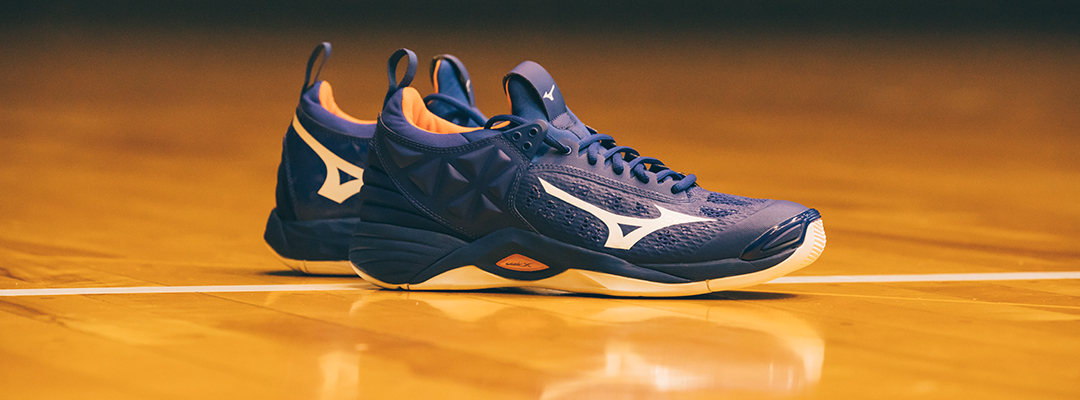
Image Source: live-bloginsider.mizunousa.com
Volleyball vs. Basketball Shoe Features
Let’s break down the core distinctions between volleyball footwear basketball performance and shoes designed for each sport individually.
Volleyball Shoes: Designed for Agility and Verticality
Volleyball is characterized by explosive jumps, quick lateral movements, and a lot of stopping and starting on a polished court. Volleyball shoes are engineered to excel in these areas:
- Grip: The rubber outsoles are typically designed for superior traction on indoor courts, providing stability during rapid direction changes and preventing slippage during jumps and landings.
- Cushioning: While they offer cushioning, it’s often focused on shock absorption during repeated vertical impacts. This cushioning might be less about prolonged impact absorption (like running) and more about immediate bounce-back.
- Support: Volleyball shoes often feature a snug, sock-like fit, providing excellent ankle support for those sharp cuts and jumps. This can be crucial for preventing sprains.
- Weight: They are generally lightweight to allow for maximum agility and quickness.
- Durability: The materials are chosen to withstand the specific stresses of volleyball, like repeated toe-dragging and quick pivots.
Basketball Shoes: Built for Dynamic, Multi-Directional Movement
Basketball involves a wider range of movements, including more aggressive cuts, hard stops, jumps, and lateral slides, often with more forceful impacts. Basketball shoes are built to handle this diverse athletic demand:
- Grip: Basketball shoe outsoles offer exceptional traction for both linear and lateral movements, ensuring stability when dribbling, driving to the basket, and defending.
- Cushioning: They feature more robust cushioning systems designed to absorb the impact of frequent jumping, landing, and quick stops. This cushioning is often more responsive and distributed to handle a greater variety of impacts.
- Support: Ankle support is a major focus in basketball shoes, with many models offering high-top designs to further protect against ankle rolls. Mid-top and even some low-top designs also prioritize stability.
- Durability: Basketball shoes are built to be very durable, able to withstand the constant, high-impact nature of the game.
- Fit: The fit is crucial for lockdown, preventing the foot from sliding within the shoe during intense play.
Can Basketball Players Wear Volleyball Shoes?
This is the million-dollar question! Can volleyball shoes be used for basketball? Yes, they can, but with significant caveats. Here’s a closer look at why it’s not an ideal volleyball shoes basketball crossover:
Traction Differences
While volleyball shoes have excellent grip on indoor courts, the basketball shoes volleyball sole comparison reveals a key difference. Basketball requires a specific type of traction that allows for both quick acceleration and deceleration in multiple directions. Volleyball shoe outsoles might not offer the same lateral grip needed for aggressive basketball cuts. You might find yourself slipping more when making sharp defensive slides or driving hard to the hoop.
Cushioning and Impact Absorption
Volleyball involves a lot of jumping, but basketball often involves higher impacts from longer distances and more aggressive landings. The cushioning in volleyball footwear basketball performance might not be sufficient to adequately protect your joints and feet from the constant pounding of a basketball game. This could lead to fatigue or even injury over time.
Ankle Support Considerations
Volleyball shoe ankle support basketball performance is a critical point. Volleyball shoes often provide excellent ankle support, which is beneficial in basketball. However, the type of support can differ. Some volleyball shoes offer a snug, almost sock-like fit that limits ankle mobility to prevent sprains. Basketball shoes, especially high-tops, aim to provide robust support while still allowing for some necessary ankle flexion for agility. If you’re a player who relies heavily on extreme ankle stability, a volleyball shoe might feel restrictive or offer a different kind of support than you’re accustomed to.
Durability and Material Stress
The materials used in volleyball shoes are optimized for the specific stresses of that sport. The constant stop-and-go, jumping, and lateral movements in basketball can put different kinds of stress on shoe materials. You might find that volleyball shoes wear out faster or sustain damage more easily when used for basketball.
Lateral Stability
Basketball demands significant lateral stability due to defensive shuffling, quick cuts, and changing direction. While volleyball shoes offer good lateral support for their intended sport, they might not be as effective for the more extreme lateral movements encountered in basketball.
When Might Using Volleyball Shoes for Basketball Be Okay?
There are limited scenarios where using volleyball shoes for basketball might be acceptable:
- Casual Play: If you’re playing a very casual game of basketball with friends in a park or gym, and you don’t have your basketball shoes, a pair of volleyball shoes might suffice for a short period.
- Low-Intensity Drills: For very basic drills that don’t involve aggressive movements or hard landings, volleyball shoes could potentially be used.
- Emergency Situations: If your basketball shoes are damaged or unavailable at the last minute, and you absolutely need to play, volleyball shoes are a better option than casual sneakers.
However, it’s crucial to understand that these are compromises. For optimal basketball performance volleyball shoes simply aren’t designed to deliver.
Can Volleyball Shoes Be Used for Basketball? A Deeper Dive
Let’s elaborate on the practical implications of this question. Can volleyball shoes be used for basketball? The answer is a nuanced “yes, but.”
Performance Impact
- Reduced Agility: While lightweight, the specific sole design might not allow for the same explosive, multi-directional cuts as basketball shoes.
- Increased Risk of Injury: Less advanced cushioning and potentially different traction patterns could increase the risk of ankle rolls or foot fatigue due to inadequate impact absorption.
- Compromised Stability: Aggressive crossover dribbles, defensive slides, and hard drives to the basket require a different kind of lateral stability that volleyball shoes might not provide.
What About the “Crossover” Appeal?
The idea of a volleyball shoes basketball crossover is appealing for athletes who participate in both sports, seeking a single pair of shoes. However, the reality is that the specialized design for each sport creates significant functional differences. While some general athletic shoes might offer a decent volleyball vs. basketball shoe features balance, dedicated volleyball shoes are too specialized for basketball and vice versa.
The “Best Shoes for Both Volleyball and Basketball” Conundrum
Unfortunately, there isn’t a definitive “best shoe for both volleyball and basketball” that truly excels in both disciplines. The ideal shoe for each sport prioritizes different features. If you play both sports seriously, investing in separate, sport-specific footwear is the best approach for safety and performance.
Key Features to Compare When Using Volleyball Sneakers for Basketball
When considering using volleyball sneakers for basketball, pay close attention to these specific features:
1. Outsole Tread Pattern
- Volleyball: Often features intricate patterns designed for grip on polished wood floors, focusing on pivot points and quick stops.
- Basketball: Typically has a more robust, often circular or herringbone pattern, engineered for multi-directional traction. You’ll want a pattern that offers good grip during aggressive stops and starts.
2. Midsole Cushioning
- Volleyball: Focuses on responsive cushioning for vertical jumps and quick landings, often with a focus on energy return.
- Basketball: Employs advanced cushioning technologies (like Nike Air, Adidas Boost, etc.) designed for higher impact absorption and sustained comfort during long games. Volleyball shoe ankle support basketball impact is a different animal than general court impact.
3. Upper Construction and Support
- Volleyball: Tends to have lighter, more breathable uppers, often with a sock-like fit for snugness and ankle lockdown.
- Basketball: Often features more reinforced uppers with padded collars and stronger lacing systems to provide enhanced ankle and midfoot support against aggressive lateral movements.
4. Heel Counter
- Volleyball: Usually provides good heel lock-down for jumping.
- Basketball: A more robust heel counter is common to prevent heel slippage during quick, forceful cuts and changes of direction.
Specific Scenarios: Can Volleyball Shoes Provide Adequate Basketball Performance?
Let’s consider how volleyball shoes would fare in actual basketball scenarios:
Driving to the Basket
When driving, you need explosive acceleration and a stable base for finishing. Volleyball shoes might offer decent acceleration, but the stability for absorbing force on a drive and a potential foul might be less than ideal. The basketball performance volleyball shoes might offer might be limited.
Defensive Slides
Defensive slides require significant lateral support and grip. Volleyball shoes might provide some grip, but the design might not be optimized for the aggressive, low-stance slides common in basketball. You could experience more foot slippage within the shoe.
Jumping and Landing
Both sports involve jumping. However, basketball landings can be more varied and forceful. Volleyball shoes might cushion these impacts, but prolonged exposure to basketball-style landings could lead to fatigue or discomfort due to less specialized impact absorption.
Cutting and Pivoting
Volleyball shoes are excellent for pivoting. However, the sharp, aggressive cuts in basketball, especially when trying to avoid defenders or create space, require a different kind of grip and torsional support.
Can Basketball Players Wear Volleyball Shoes?
If you are a basketball player, consider the following:
- Your Playing Style: Are you a guard who relies on quick cuts and changes of direction? Or a forward who does a lot of jumping and post-play? Your style will dictate how well volleyball shoes might (or might not) work.
- Frequency of Play: For infrequent, casual games, the risk is lower. For regular league play or intense training, dedicated basketball shoes are highly recommended.
- Your Body: If you have a history of ankle injuries or knee issues, sacrificing proper footwear can exacerbate these problems.
Frequently Asked Questions (FAQ)
Q1: Can I wear my volleyball shoes for a pickup basketball game?
A1: For a casual pickup game, yes, you likely can. However, be mindful of the differences in grip and cushioning. Avoid any aggressive movements that might test the limits of the shoes.
Q2: Will using volleyball shoes for basketball affect my performance?
A2: Yes, it most likely will. You might experience reduced grip, less effective shock absorption, and potentially less stability during key basketball movements, which can hinder your performance.
Q3: Are volleyball shoes good for ankle support in basketball?
A3: Volleyball shoes generally offer good ankle support, which can be beneficial. However, the type of support might be different from what is optimized for basketball, potentially feeling more restrictive or less adaptable to basketball’s specific lateral demands.
Q4: What’s the biggest difference between volleyball and basketball shoes?
A4: The biggest differences lie in the outsole tread pattern for grip, the type and amount of cushioning for impact absorption, and the overall construction for lateral stability and durability tailored to each sport’s unique movements.
Q5: If I need new shoes, and I play both sports, what should I do?
A5: It’s highly recommended to invest in separate, sport-specific shoes. A good pair of basketball shoes will significantly enhance your basketball performance and safety, while dedicated volleyball shoes will do the same for volleyball. There isn’t a true compromise shoe that excels equally in both.
Q6: Can I use old basketball shoes for volleyball?
A6: This is generally also not ideal. Old basketball shoes might have worn-out cushioning or grip, making them less effective and potentially less safe for volleyball’s specific demands.
Q7: What makes a volleyball shoe different from a running shoe for basketball?
A7: While both volleyball and running shoes are designed for impact, running shoes prioritize forward propulsion and shock absorption for linear motion. Volleyball shoes are more focused on vertical lift and quick lateral stability. Neither is optimized for basketball’s dynamic, multi-directional movements.
In conclusion, while the question of can you use volleyball shoes for basketball has a superficial “yes,” the practical answer for anyone serious about either sport is a resounding “not ideally.” The specialized design of each shoe type makes them best suited for their intended purpose. Prioritizing the right footwear is crucial for both performance and injury prevention.