
Image Source: www.rhinoplastyinseattle.com
Can You Play Basketball With A Broken Nose? Risks & Advice
No, you generally cannot and should not play basketball with a broken nose. Continuing to play sports with a fractured nose significantly increases the risk of worsening the injury, causing further complications, and hindering proper healing.
A basketball broken nose is a common concern for players, especially in a sport as physical as basketball. When you’re leaping for rebounds, driving to the basket, or defending a player, accidental collisions are almost inevitable. A stray elbow, an accidental headbutt, or even a hard fall can lead to a fractured nose basketball incident. The immediate aftermath often involves pain, swelling, bleeding, and difficulty breathing through the nose.
The Urgency of Proper Diagnosis and Treatment
The most crucial step after suspecting a broken nose injury basketball is to seek immediate medical attention. A healthcare professional, such as a doctor or an urgent care physician, can accurately diagnose the extent of the injury through a physical examination and, if necessary, imaging tests like X-rays or CT scans. Attempting to self-diagnose or ignore the pain can lead to serious long-term issues.
Why Playing Basketball with a Broken Nose is a Bad Idea
Playing basketball with a broken nose presents a multitude of risks. The delicate bones and cartilage of the nose are already compromised. Reintroducing the impact and physical demands of basketball can:
- Exacerbate the Fracture: A new impact could displace the broken bone fragments further, making the fracture more severe and complicated to treat. This can lead to a longer and more challenging broken nose recovery basketball.
- Cause Further Damage to Cartilage: The cartilage in the nose is also susceptible to damage. Repeated impact can lead to permanent disfigurement or breathing problems.
- Increase Bleeding and Swelling: Physical activity increases blood flow, which can worsen the swelling and bruising around the nose. This can make breathing even more difficult and prolong discomfort.
- Risk of Infection: Any open wounds or abrasions associated with the break can become infected if exposed to sweat, dirt, and the general grime of a basketball court.
- Vision Impairment: Significant swelling and bruising around the eyes and nose can temporarily affect vision, which is obviously critical for playing sports with broken nose. This compromises your ability to see the ball, your teammates, and opponents, leading to further accidents.
- Chronic Pain and Deformity: If a broken nose is not treated properly, it can heal incorrectly. This can result in a permanently crooked nose, persistent breathing difficulties, chronic pain, and even a higher susceptibility to future nasal fractures.
- Psychological Impact: Experiencing a significant injury can be demoralizing. Pushing yourself to play before you’re fully healed can lead to fear of re-injury and a lack of confidence on the court.
The Healing Process for a Broken Nose
The healing broken nose sports context requires careful management. The typical healing timeline for a simple nasal fracture is usually between 2 to 6 weeks. However, this can vary depending on the severity of the break, the individual’s healing rate, and the type of treatment received.
- Initial Rest and Ice: Immediately after the injury, rest is paramount. Applying ice packs to the affected area (wrapped in a cloth to prevent frostbite) can help reduce swelling and pain.
- Pain Management: Over-the-counter pain relievers like acetaminophen or ibuprofen can help manage discomfort. Your doctor may prescribe stronger medications if the pain is severe.
- Nasal Packing and Splints: In some cases, doctors may pack the nasal passages with gauze to control bleeding and provide support. An external splint is often applied to the bridge of the nose to help keep the bones in place and protect the area.
- Breathing Aids: If breathing is significantly obstructed, nasal sprays or decongestants might be recommended, but always under medical supervision.
- Follow-up Appointments: Regular follow-up appointments with your doctor are essential to monitor the healing progress and ensure there are no complications.
Return to Play Broken Nose: When is it Safe?
The decision about return to play broken nose is a critical one and should never be made without a doctor’s explicit clearance. Several factors influence this decision:
- Complete Healing: The bone fragments must have sufficiently healed, and the swelling must have significantly subsided.
- No Pain: You should experience minimal to no pain when touching or gently manipulating the nasal area.
- Normal Breathing: Your ability to breathe freely through your nose should be restored.
- No Visible Deformity: While minor residual swelling might be present, there should be no significant crookedness or deformity that could hinder function.
- Doctor’s Approval: This is the most important factor. Your doctor will assess your healing and determine if it’s safe for you to resume physical activity.
Basketball Precautions Broken Nose: What to Consider
If you’ve had a broken nose and are cleared to return to play, there are significant basketball precautions broken nose that must be taken:
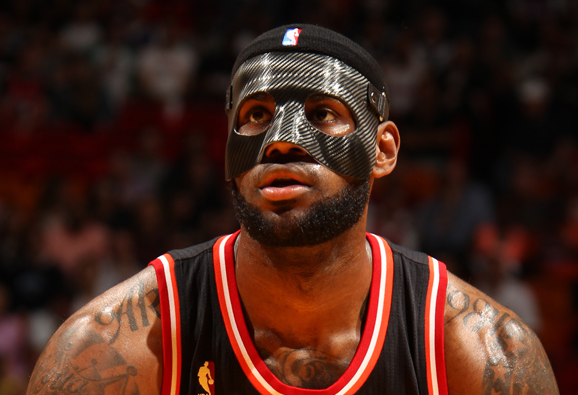
- Protective Face Mask: This is often the most crucial protective gear. A custom-fitted, hard plastic face mask designed for athletes can provide a vital barrier against accidental impacts to the nose and face. These masks are specifically designed to distribute impact force away from the injured area.
- Gradual Return to Play: Don’t jump straight back into full-contact games. Start with light drills, shooting practice, and non-contact drills. Gradually increase the intensity and duration of your participation as you gain confidence and your nose feels more robust.
- Awareness of Surroundings: Be hyper-aware of your teammates and opponents on the court. Anticipate movements and try to avoid unnecessary physical contact.
- Communicate with Your Coach and Teammates: Inform your coach about your injury and any limitations you might have. Encourage your teammates to be mindful of your condition.
- Listen to Your Body: If you experience any pain or discomfort during practice or play, stop immediately. Don’t try to push through the pain, as this could re-injure your nose.
- Hydration and Nutrition: Proper hydration and a balanced diet are essential for overall healing and recovery.
The Difference Between Minor and Major Fractures
It’s important to note that not all nasal injuries are the same. A minor bump might cause bruising and a slight deviation, while a significant impact can result in a complete break of the nasal bones.
Minor Nasal Injuries (Bruising, Swelling, No Deformity)
Even with minor injuries, it’s wise to err on the side of caution. If the swelling is significant or there’s any concern about a fracture, medical evaluation is still recommended.
Major Nasal Fractures (Significant Pain, Bleeding, Deformity, Breathing Difficulty)
These require immediate medical attention and a longer recovery period. Attempting to play with a major fracture is extremely dangerous and will almost certainly lead to complications.
Can You Play Competitive Sports With A Broken Nose?
The answer to playing competitive sports broken nose is a resounding no, at least not without full medical clearance and appropriate protective measures. Competitive sports inherently involve a higher level of physicality and risk of collision. The stakes are higher, and so is the potential for re-injury. The decision to allow participation in competitive sports with a history of a broken nose will depend heavily on the athlete’s individual healing progress and the specific protective gear they are willing and able to use.
Table: Risks vs. Rewards of Playing with a Broken Nose
| Risks | Rewards (Perceived) |
|---|---|
| Worsening the fracture, displacement of bones | Not missing games/practices, continuing team momentum |
| Increased pain and swelling | Maintaining a competitive edge |
| Permanent nasal deformity | Proving toughness |
| Chronic breathing difficulties | Not letting teammates down |
| Infection | |
| Vision impairment | |
| Prolonged recovery time | |
| Increased risk of future nasal fractures |
Frequently Asked Questions (FAQ)
Q1: How long does a broken nose take to heal before I can play basketball?
A: A broken nose typically takes 2-6 weeks to heal sufficiently for a return to physical activity, but this is highly dependent on the severity of the fracture and individual healing rates. Crucially, you must have a doctor’s clearance before resuming play.
Q2: What are the best protective measures if I return to play with a history of a broken nose?
A: The most important protective measure is a custom-fitted, hard plastic face mask designed for athletes. This mask acts as a shield against impacts. Additionally, a gradual return to play and heightened awareness on the court are vital.
Q3: Will a broken nose affect my breathing while playing basketball?
A: Yes, a broken nose can significantly affect your breathing due to swelling and potential displacement of the nasal septum or bones. This can make it difficult to get enough air, impacting your stamina and performance.
Q4: Can I get a broken nose again if I play too soon?
A: Yes, playing with a partially healed broken nose greatly increases the risk of re-injury. The bones are not strong enough to withstand impact, and a subsequent blow could cause further displacement or a new fracture.
Q5: What should I do if I suspect I have a broken nose during a basketball game?
A: Stop playing immediately. Remove yourself from the game and seek medical attention as soon as possible. Do not try to “tough it out.”
Q6: Is a broken nose always crooked?
A: Not necessarily. While a severe fracture can lead to a crooked nose if not treated properly, many broken noses can heal straight with appropriate medical care.
Q7: Can a broken nose cause long-term breathing problems?
A: Yes, if a broken nose is not treated correctly, or if it heals improperly, it can lead to chronic breathing difficulties due to structural changes within the nasal passages.
Q8: How can I protect my nose during basketball?
A: While it’s impossible to eliminate all risk, protective gear like a face mask significantly reduces the chances of a nasal injury. Proper technique and spatial awareness on the court also play a role.
Q9: What if my doctor says I can play, but I’m still scared?
A: It’s natural to feel apprehensive. Discuss your fears with your doctor. They can reassure you about the healing process and the protective measures you’ll be taking. Starting with non-contact drills can also help build your confidence.
Q10: How important is hydration for broken nose recovery in athletes?
A: Hydration is very important for overall healing and recovery. Staying well-hydrated helps the body function optimally, supporting tissue repair and reducing inflammation.
In conclusion, the allure of the game, the desire to contribute to your team, or the fear of falling behind in competitive play can be strong motivators to return to the court quickly. However, when it comes to a basketball broken nose, prioritizing your health and allowing for proper broken nose recovery basketball is paramount. The risks of playing sports with broken nose far outweigh any perceived short-term benefits. Always seek professional medical advice for diagnosis and treatment, and strictly adhere to their guidance regarding return to play broken nose. Your long-term health and ability to continue enjoying basketball depend on it.