
Yes, you can technically play volleyball in basketball shoes, but it’s generally not recommended as the ideal footwear. While both sports involve dynamic movements and require supportive shoes, the specific demands of each game mean that dedicated volleyball shoes offer significant advantages over basketball sneakers. This guide will delve into the differences between basketball and volleyball footwear, explore why using basketball shoes for volleyball might be problematic, and offer advice on choosing the appropriate athletic shoes for volleyball.
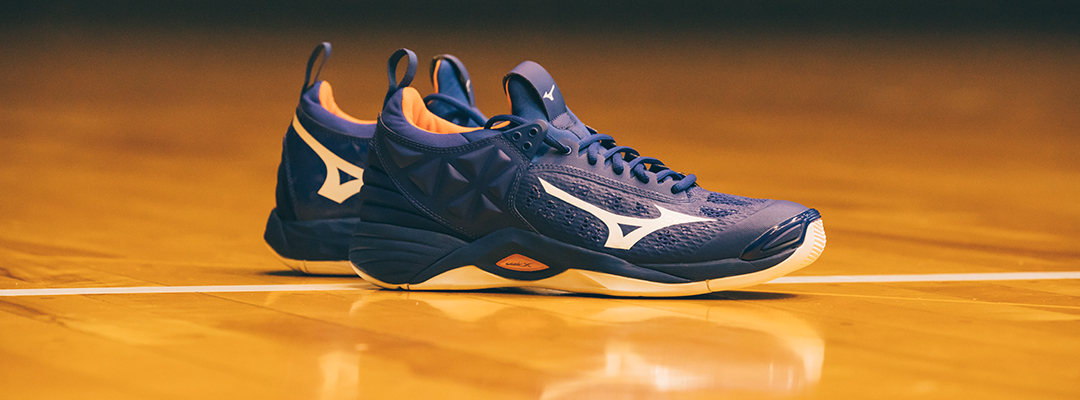
Image Source: live-bloginsider.mizunousa.com
Decoding the Shoe Differences: Volleyball vs. Basketball Footwear
To truly grasp why wearing basketball shoes for volleyball isn’t optimal, we need to examine the distinct design philosophies behind each type of shoe. It all comes down to the unique movements and stresses each sport places on your feet and ankles.
Volleyball Court Shoes: Engineered for Agility and Grip
Volleyball is a game of explosive vertical jumps, quick lateral movements, and precise footwork. Volleyball court shoes are meticulously crafted to support these specific actions.
- Superior Traction: The most crucial difference lies in the outsole. Volleyball shoes feature specialized rubber compounds and tread patterns designed for exceptional grip on indoor courts. This grip is vital for preventing slips during sudden stops, pivots, and direction changes. The focus is on multidirectional grip.
- Ankle Support and Flexibility: While basketball shoes can offer ankle support, volleyball shoes often strike a balance between support and flexibility. They are typically lighter and more flexible in the forefoot, allowing for agile movements and quick transfers of weight. Some volleyball shoes offer mid-top designs for added ankle stability without hindering mobility.
- Cushioning for Vertical Impact: Volleyball players perform numerous jumps. Volleyball shoes incorporate cushioning systems optimized for absorbing the impact of landing from vertical jumps, often with a focus on heel and forefoot cushioning. This helps reduce stress on the joints.
- Lightweight Construction: To facilitate quick movements and high jumps, volleyball shoes are generally lighter than basketball shoes. This reduces fatigue and allows players to be more explosive on the court.
- Breathability: The constant movement in volleyball can lead to overheating. Volleyball shoes often prioritize breathable materials in the upper to keep feet cool and dry.
Basketball Sneakers: Built for Different Demands
Basketball, while also a sport of jumping and quick movements, has a different emphasis. Basketball sneakers are designed with these specific needs in mind.
- Lateral Support: Basketball involves a lot of side-to-side shuffling, cutting, and changes of direction. Basketball shoes excel at providing robust lateral support to prevent ankle rolls during these aggressive lateral movements.
- Impact Absorption: Basketball players also jump, but the impact can be more varied, including landings from offensive rebounds and driving to the basket. Basketball shoes often feature advanced cushioning technologies that absorb impact from various angles.
- Durability for Outdoor Courts: While many basketball shoes are used indoors, some are designed for outdoor courts, which can be harsher. This can sometimes lead to slightly heavier or more durable outsoles that might compromise the specific grip needed for indoor volleyball.
- Ankle Stability: Many basketball shoes offer high-top designs specifically to provide maximum ankle support and stability, which is crucial for the constant pounding and potential for awkward landings in basketball.
Can You Play Volleyball in Basketball Shoes? Deciphering the Trade-offs
So, if basketball shoes are designed for jumping and quick movements, can you just use them for volleyball? The answer is a nuanced yes, but with significant caveats. Let’s break down what happens when you wear basketball sneakers for volleyball.
The Pros of Using Basketball Shoes for Volleyball
While not ideal, there are a few potential upsides to using basketball shoes in a pinch:
- Some Level of Support: Basketball shoes do offer cushioning and a degree of ankle support, which can be better than wearing everyday trainers or running shoes.
- Accessibility: If you already own a pair of basketball shoes and don’t have access to volleyball-specific footwear, they might be your only option.
The Cons of Using Basketball Shoes for Volleyball
The drawbacks of wearing basketball shoes for volleyball are more substantial and can impact your performance and even lead to injuries.
- Reduced Traction: This is perhaps the biggest issue. The outsole patterns and rubber compounds on basketball shoes are optimized for the court surfaces and movements in basketball. They may not provide the same multidirectional grip on a volleyball court. This can lead to:
- Slipping: Especially during quick lateral cuts or sudden stops.
- Difficulty with Quick Pivots: The increased friction can make it harder to rotate your feet smoothly.
- Excessive Weight and Bulk: Basketball shoes are often heavier and more substantial to provide the necessary support and cushioning for a different sport. This extra weight can:
- Hinder Vertical Jump: Making it harder to get as high as you could in lighter volleyball shoes.
- Increase Fatigue: The added weight can tire your legs out faster.
- Limit Agility: Slowing down your reaction time and ability to move quickly around the court.
- Overly Stiff Forefoot: Some basketball shoes are designed with a stiffer forefoot to aid in explosive movements like driving to the basket. This stiffness can restrict the natural flex of your foot needed for quick shuffles and precise footwork in volleyball.
- Ankle Restriction (Sometimes): While high-top basketball shoes offer great ankle support, they can sometimes be too restrictive for the nuanced footwork required in volleyball. The ability to subtly adjust your ankle angle during movements is important, and overly rigid shoes can hinder this.
- Durability Concerns: If your basketball shoes are designed for outdoor use, the rubber might be too hard for optimal grip on indoor volleyball courts. Conversely, very soft rubber designed for indoor basketball might wear down quickly on a volleyball court if the grip is used differently.
Comparing Footwear: Basketball vs. Volleyball Shoe Differences
Let’s visualize the key distinctions between footwear for these two sports.
| Feature | Volleyball Shoes | Basketball Shoes |
|---|---|---|
| Primary Focus | Vertical jumping, lateral agility, quick pivots | Lateral movement, impact absorption, ankle stability |
| Outsole Grip | Multidirectional, high-friction for indoor courts | Strong lateral grip, durable for varied court surfaces |
| Weight | Generally lighter | Often heavier, more substantial |
| Flexibility | More flexible in the forefoot | Can be stiffer, especially in the forefoot |
| Cushioning | Optimized for vertical landings | Optimized for varied impact absorption |
| Ankle Support | Balanced support and flexibility | Often high-top for maximum stability |
| Upper Materials | Often breathable, lightweight | Can be more robust, offering more structure |
Is it Okay to Wear Basketball Shoes for Volleyball? Performance and Injury Implications
The question of whether it’s okay to wear basketball shoes for volleyball extends beyond mere comfort; it touches upon performance and potential injury risks.
Performance Impact
When you wear basketball shoes for volleyball, you might notice:
- Slower Reaction Times: The added weight and potential for less optimal grip can make you feel a step behind.
- Reduced Jumping Height: The extra ounces can make a surprising difference when you’re trying to reach your peak vertical.
- Less Control During Footwork: Pivoting, shuffling, and sudden stops might feel less precise.
- Greater Fatigue: Your legs will likely tire more quickly due to the increased effort required.
Injury Risks
The most significant concern with using inappropriate footwear is the increased risk of injury.
- Ankle Sprains: While basketball shoes offer ankle support, their grip may not be sufficient for the sharp, multidirectional movements of volleyball. If the shoe slips when you’re trying to change direction, your ankle can be forced into an unnatural position, leading to a sprain.
- Falls and Slips: Poor traction is a direct invitation to falls, which can result in various injuries, from minor bruises to more serious sprains or fractures.
- Foot Fatigue and Pain: The wrong type of cushioning or stiffness can lead to general foot pain, blisters, and even more serious overuse injuries over time.
When Can You Get Away With It? (The Occasional Use Caveat)
There might be rare instances where using basketball shoes for volleyball is less of a concern:
- Very Casual Play: If you’re playing a friendly game in the park or a very low-intensity recreational match, the risks are significantly reduced.
- If You Have No Other Option: In an absolute emergency, a pair of basketball shoes is far better than no athletic shoes at all. Just be extra cautious.
- Specific Basketball Shoe Designs: Some modern basketball shoes are incredibly versatile and might incorporate features closer to volleyball shoe design, like lighter builds and more flexible outsoles. However, these are exceptions, not the rule.
Choosing Appropriate Footwear for Volleyball: What to Look For
When you’re ready to invest in proper volleyball court shoes, here’s what to prioritize:
Key Features of Good Volleyball Shoes
- Excellent Traction: Look for a sticky rubber outsole with a tread pattern designed for indoor court grip.
- Lightweight Design: Prioritize shoes that feel light and agile on your feet.
- Forefoot Flexibility: The shoe should bend naturally with your foot during movements.
- Responsive Cushioning: Cushioning that absorbs impact without feeling mushy or heavy.
- Breathable Upper: Materials like mesh that allow for airflow.
- Good Fit: The shoe should be snug but not too tight, with no heel slippage.
Popular Volleyball Shoe Brands and Models
Several reputable brands specialize in volleyball footwear, offering a range of options for different player preferences and foot types. Some of the leading brands include:
- ASICS: Known for their GEL cushioning system and excellent stability. Models like the GEL-Netburner Ballistic and GEL-Rocket are popular choices.
- Mizuno: Famous for their Wave Plate technology, which provides both cushioning and stability. The Wave Lightning series is a long-standing favorite.
- Adidas: Offers a variety of court shoes with good cushioning and traction.
Can Basketball Sneakers Be Worn for Volleyball? A Final Word
In conclusion, while you can wear basketball sneakers for volleyball, it’s a compromise that comes with potential drawbacks in performance and an increased risk of injury. The specialized design of volleyball court shoes makes them the superior choice for anyone serious about the sport. They are engineered to provide the specific grip, agility, and support needed to excel on the volleyball court.
If you play volleyball with any regularity, investing in a dedicated pair of volleyball shoes is a worthwhile decision. It will not only enhance your performance by allowing for quicker movements and higher jumps but also contribute significantly to your safety and prevent potential injuries. Think of it as the right tool for the right job – your feet will thank you for it.
Frequently Asked Questions (FAQ)
Q1: Can I wear my basketball shoes for a single volleyball game?
While you can, it’s not ideal. If it’s a one-off casual game and you have no other options, be extra cautious about your footing. For regular play, proper volleyball shoes are recommended.
Q2: Will basketball shoes hurt my performance in volleyball?
Yes, they likely will. The heavier weight, different traction, and potentially less flexible forefoot can hinder your jumps, agility, and quickness compared to wearing specialized volleyball shoes.
Q3: Are volleyball shoes really that different from basketball shoes?
Yes, the differences are significant, particularly in the outsole design for grip, the weight and flexibility of the shoe, and the specific type of cushioning. These differences cater to the unique movements of each sport.
Q4: What are the biggest risks of wearing basketball shoes for volleyball?
The primary risks include reduced traction leading to slips and falls, and the heavier weight and stiffness potentially limiting your jumping ability and agility. Both can contribute to an increased chance of injury, especially ankle sprains.
Q5: Can I wear running shoes for volleyball?
Running shoes are even less suitable than basketball shoes for volleyball. They are designed for forward motion and lack the lateral support and court-specific traction required for volleyball. Wearing running shoes for volleyball significantly increases your risk of slipping and injury.
Q6: How can I tell if my basketball shoes have enough grip for volleyball?
It’s hard to tell without testing them on a volleyball court. However, if the rubber on your basketball shoes feels very hard or if the tread pattern is very deep and wide, it’s likely not optimized for the quick, precise grip needed in volleyball. Look for a softer, stickier rubber with intricate patterns.
Q7: Are there any basketball shoes that are good for volleyball?
While most basketball shoes aren’t ideal, some lighter, more agile basketball shoes with good court traction might be a slightly better option than bulkier high-tops. However, they will still not match the performance of dedicated volleyball court shoes.
Q8: What should I look for when buying volleyball shoes?
Focus on excellent traction for indoor courts, a lightweight feel, good forefoot flexibility, responsive cushioning, and a comfortable, secure fit. Brands like ASICS and Mizuno are well-regarded for their volleyball-specific designs.