
Imagine this: a sudden thunderstorm rolls in, and *zap*! Your expensive TV, gaming console, or even your laptop goes dark. That’s the terrifying reality of power surges, invisible lightning bolts that can fry your electronics in an instant. It’s a common fear, and for good reason. When it comes to protecting our precious gadgets, choosing the right cable surge protector feels like navigating a maze.
There are so many types and features to consider, it’s easy to get confused. Do you need a basic one, or something more advanced? What does “joule rating” even mean? The sheer number of choices can leave you feeling overwhelmed and unsure if you’re truly safeguarding your devices. But don’t worry, we’re here to help you cut through the noise.
In this post, we’ll break down exactly what you need to know. You’ll learn how to identify the best surge protector for your needs, understand the key features to look for, and finally feel confident in your choice. Get ready to protect your electronics and say goodbye to that surge-related stress!
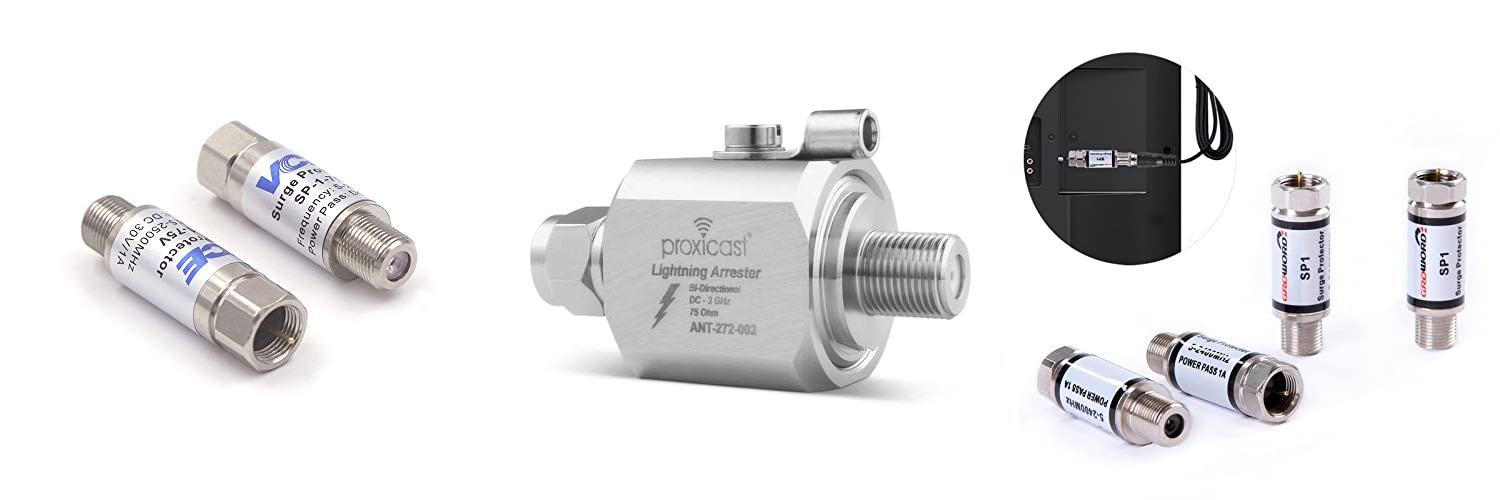
Our Top 5 Cable Surge Protector Recommendations at a Glance
Top 5 Cable Surge Protector Detailed Reviews
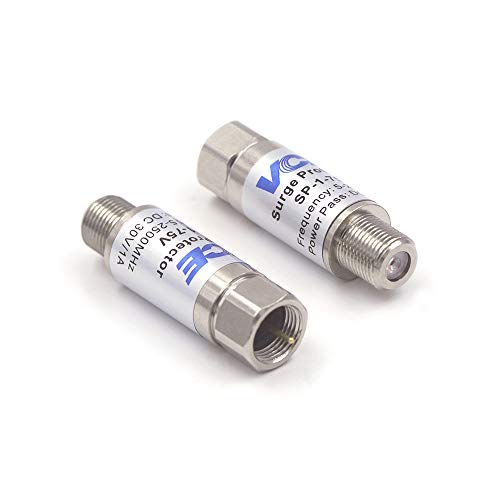
1. VCE Coaxial Surge Lightning Protector for Coaxial TV Antenna and Satellite in-Line 75 Ohm 5-2500MHz
Rating: 8.6/10
Protect your valuable TV antenna and satellite equipment from dangerous power surges with the VCE Coaxial Surge Lightning Protector. This handy 2-pack of silver protectors is designed to safeguard your coaxial connections from both high and low voltage surges, giving you peace of mind during storms. It’s a simple yet effective way to keep your entertainment system safe.
What We Like:
- Offers strong protection against dangerous voltage surges for your TV and satellite gear.
- Meets important safety standards like CE and RoHS.
- Works with many different systems, including CATV, MATV, SATV, and cable networks.
- Easy to install and remove, making setup a breeze.
- Doesn’t significantly interfere with your signal (low insertion loss and high return loss).
- Has a DC outlet, which can be used for remote power if needed.
- Comes in a convenient 2-pack.
What Could Be Improved:
- This protector is specifically for coaxial connections and won’t protect devices on broadband networks like routers or switches.
This VCE Coaxial Surge Lightning Protector is a smart investment for anyone with a TV antenna or satellite dish. It provides reliable protection and is easy to use, ensuring your equipment stays safe from electrical surges.
2. Proxicast Coaxial Lightning Arrester/Suppressor with Male/Female 75 Ohm F Connectors – Pro-Grade Coax Cable Surge Protector for Television (TV) / Satellite Dish Antennas & Cable Internet (ANT-272-002)

Rating: 9.3/10
Protect your valuable electronics from lightning strikes and power surges with the Proxicast Coaxial Lightning Arrester/Suppressor. This pro-grade surge protector is designed for TV, satellite dish antennas, and cable internet setups. It works by shunting damaging energy to the ground, keeping your devices safe.
What We Like:
- It works great for TV, satellite, AM, FM antennas, and cable internet.
- It has F-Type Male & Female Connectors that fit RG6, RG59, and RG8X cables.
- It is compatible with 4G/5G signal boosters that use 75 Ohm outdoor antennas.
- The protection works in both directions, and it’s built tough for outdoor use.
- It causes very little signal loss, so your picture and internet speed stay strong.
- It has a 230V gas discharge tube that can handle multiple strikes.
- You simply connect it between your antenna feedline and an earth ground.
What Could Be Improved:
- Installation requires a separate earth ground connection, which might be an extra step for some users.
This surge protector offers excellent peace of mind for your home entertainment and internet systems. It’s a smart investment to safeguard your equipment from the unpredictable power of nature.
3. groword 4 Pcs Coaxial Surge Lightning Protector/Surge Suppressor -for Protector Satellite in-Line

Rating: 8.7/10
Protect your valuable home entertainment system from the fury of thunderstorms with the groword 4 Pcs Coaxial Surge Lightning Protector/Surge Suppressor. This handy device acts as a shield, guarding your satellite receivers, cable boxes, and even your internet modem from damaging power surges and lightning strikes that can travel through your coaxial cables. It’s a smart and affordable way to safeguard your electronics.
What We Like:
- Provides essential protection against lightning strikes and power surges, saving your expensive equipment.
- Works with your internet modem on licensed/spectrum cable systems without blocking internet frequencies.
- Super easy to install – just screw it in between your cable and your device.
- The clever protection mechanism quickly diverts surges away from your electronics.
- Durable, corrosion-resistant construction made from nickel-plated brass for long-lasting use.
- Works with a wide range of TV and satellite systems (CATV, MATV, SATV, etc.).
- Minimal signal loss, so your picture and internet speed stay strong.
What Could Be Improved:
- While effective, the effectiveness in extreme lightning events can vary.
- The package contains 4 units, which might be more than some users need for a single setup.
This groword surge protector offers peace of mind for anyone worried about weather-related damage to their home entertainment setup. It’s a straightforward and effective solution for protecting your electronics.
4. Belkin Power Strip Surge Protector with 12 AC Multiple Outlets

Rating: 8.9/10
Tired of a messy desk with tangled cords? The Belkin Power Strip Surge Protector is here to help! This power strip gives you 12 outlets to plug in all your gadgets. It protects your electronics from power surges and spikes. This means your computers, laptops, and phones stay safe. It’s a great solution for your home office, gaming setup, or even for travel.
What We Like:
- Plenty of Outlets: You get 12 AC outlets to power all your devices at once.
- Protect Your Gear: It has 4,156 joules of surge protection to keep your expensive electronics safe from power problems.
- Phone Line Protection: It also protects your phone or fax line and cable box from surges.
- Tidy Desk: The widely spaced outlets fit big plugs and charger bricks easily, making your desk look neat.
- Long and Flat Cord: The 10-foot cord is heavy-duty and has a flat plug that fits well in tight spaces.
- Peace of Mind: It comes with a lifetime warranty and equipment protection, so you can buy it with confidence.
What Could Be Improved:
- No USB Ports: While it has many AC outlets, it doesn’t have built-in USB ports for direct device charging.
- Size of Bricks: Some very large power bricks might still be a tight squeeze, even with wide spacing.
This Belkin surge protector is a robust and reliable choice for keeping your electronics safe and your workspace organized. It offers great protection and convenience for all your charging needs.
5. Parts Express Cable TV in-Line Coaxial Surge Protector

Rating: 8.8/10
Protect your home entertainment from lightning strikes with the Parts Express Cable TV in-Line Coaxial Surge Protector. This device acts as a shield for your cable TV and internet lines. It’s a small but mighty guardian against power surges caused by thunderstorms. This protector keeps your valuable electronics safe.
What We Like:
- It has a special patented design using a gas tube for lightning protection.
- It works great for cable TV, internet, and even satellite dishes.
- It doesn’t mess with your TV or internet signal.
- It’s a must-have for satellite TV setups.
- It safeguards your home’s equipment from lightning damage.
What Could Be Improved:
- The instructions could be a little clearer for beginners.
- More color options might be nice for some people.
This surge protector is a smart investment for anyone with cable or satellite service. It offers peace of mind and keeps your equipment safe from the elements.
The Smart Shopper’s Guide: Protecting Your Electronics
Surge protectors are like little superheroes for your electronics. They stand guard against sudden power spikes that can fry your valuable gadgets. This guide will help you choose the best one.
Key Features to Look For
1. Joules Rating
This is the most important number. It tells you how much energy a surge protector can absorb. Higher is better! Think of it like a sponge – a bigger sponge can soak up more water. Aim for at least 1000 joules for everyday use.
2. Number of Outlets
How many devices do you need to plug in? Count them up! Most surge protectors have 4 to 12 outlets. If you have a lot of things, like a computer, monitor, printer, and speakers, you’ll need more outlets.
3. Protection for Phone/Ethernet/Coaxial Lines
Some power surges don’t just come through the main power cord. They can also travel through phone lines, internet cables (Ethernet), and cable TV cords (coaxial). If you use these, get a surge protector with matching protection.
4. Indicator Lights
Good surge protectors have lights that tell you they are working. A “protected” light means your devices are safe. A “grounded” light means your outlet is wired correctly. If these lights go out, it’s time for a new surge protector.
5. USB Ports
Many modern surge protectors come with built-in USB ports. This lets you charge your phone or tablet directly without needing a separate wall adapter. It saves space and keeps things tidy.
Important Materials and Quality Indicators
The inside of a surge protector is where the magic happens. The main part is called a Metal Oxide Varistor (MOV). This is a special component that redirects excess voltage away from your electronics.
- High-Quality MOVs: Better MOVs can handle more surges and last longer. Cheaper surge protectors might use lower-quality MOVs that wear out faster.
- Durable Casing: The outside of the surge protector should be made of sturdy plastic. It protects the inner workings from damage.
- Well-Made Cords and Plugs: A thick, flexible power cord is a good sign. The plug should fit snugly into the wall outlet.
Factors that improve quality include strong MOVs, a robust casing, and good internal wiring. Factors that reduce quality are cheap components, thin wiring, and a flimsy plastic shell. A surge protector that feels light and cheap might not offer enough protection.
User Experience and Use Cases
Using a surge protector is simple. You plug it into the wall, and then plug your electronics into the surge protector. It’s like adding an extra layer of safety for your devices.
- Home Office: Protect your computer, monitor, printer, and internet router.
- Entertainment Center: Keep your TV, gaming console, and sound system safe from power surges.
- Kitchen: Guard appliances like blenders, toasters, and coffee makers.
- Bedroom: Protect your phone charger, bedside lamp, and alarm clock.
A good surge protector offers peace of mind. You won’t have to worry as much about thunderstorms or power outages damaging your expensive gadgets. It’s a small investment that can save you a lot of money and frustration.
Frequently Asked Questions (FAQ)
Q: What is a joule rating?
A: The joule rating shows how much electrical energy a surge protector can absorb before it fails. Higher numbers mean better protection.
Q: How often should I replace my surge protector?
A: Most surge protectors are designed to absorb a certain number of surges. Once they’ve absorbed too many, they stop protecting. It’s a good idea to replace them every 3-5 years, or sooner if the “protected” light goes out.
Q: Can a surge protector protect against lightning strikes?
A: A good surge protector can help protect against smaller surges caused by lightning. However, a direct lightning strike is extremely powerful and can still damage electronics, even with a surge protector.
Q: What’s the difference between a surge protector and a power strip?
A: A power strip simply gives you more outlets. A surge protector has special components that absorb excess voltage to protect your devices. Some power strips have surge protection built-in, but not all.
Q: Do I need a surge protector for every outlet?
A: You don’t need one for every single outlet, but it’s wise to use them for your most valuable and sensitive electronics.
Q: Can I plug a surge protector into another surge protector?
A: No, this is called “daisy-chaining” and is not recommended. It can overload the strips and reduce the protection.
Q: What does it mean if the “protected” light is off?
A: If the “protected” light is off, it means the surge protector is no longer absorbing surges. Your devices are not being protected and you need to replace the surge protector.
Q: Are more expensive surge protectors always better?
A: Not necessarily. While you often get better features and higher joule ratings with more expensive models, you can find good, reliable surge protectors at reasonable prices.
Q: Can a surge protector help with brownouts (low voltage)?
A: Surge protectors are designed for power *surges* (high voltage). They do not typically protect against brownouts.
Q: How do I know if my home’s wiring is grounded?
A: Many surge protectors have a “grounded” indicator light. If this light is on, your outlet is properly grounded. If it’s off, you may need an electrician to check your wiring.
In conclusion, every product has unique features and benefits. We hope this review helps you decide if it meets your needs. An informed choice ensures the best experience.
If you have any questions or feedback, please share them in the comments. Your input helps everyone. Thank you for reading.